



Note: NiCd batteries contain toxic materials and require recycling. Because of these restrictions, many manufacturers are phasing them out in favor of more advanced power tool batteries like NiMH and Li-ion.
Power Tool Batteries: Charge Up Your Know-How
Compare NiCd, NiMH, and Li-ion power tool batteries, and learn the essential do’s and don’ts for proper care, charging, and long-lasting performance.
Power tool batteries are the driving force behind cordless tools, influencing performance, weight, and runtime. Choosing the right battery type ensures your power tools deliver reliable results. By understanding the differences between battery chemistries (NiCd, NiMH, and Li-ion), you can choose the option that best matches your application. Knowing the different power tool battery types and battery categories, from NiCd and NiMH to Li-ion battery packs, also helps you choose the right option whether you are shopping for cordless drill batteries or other frequently used job site tools.
Types of Power Tool Batteries
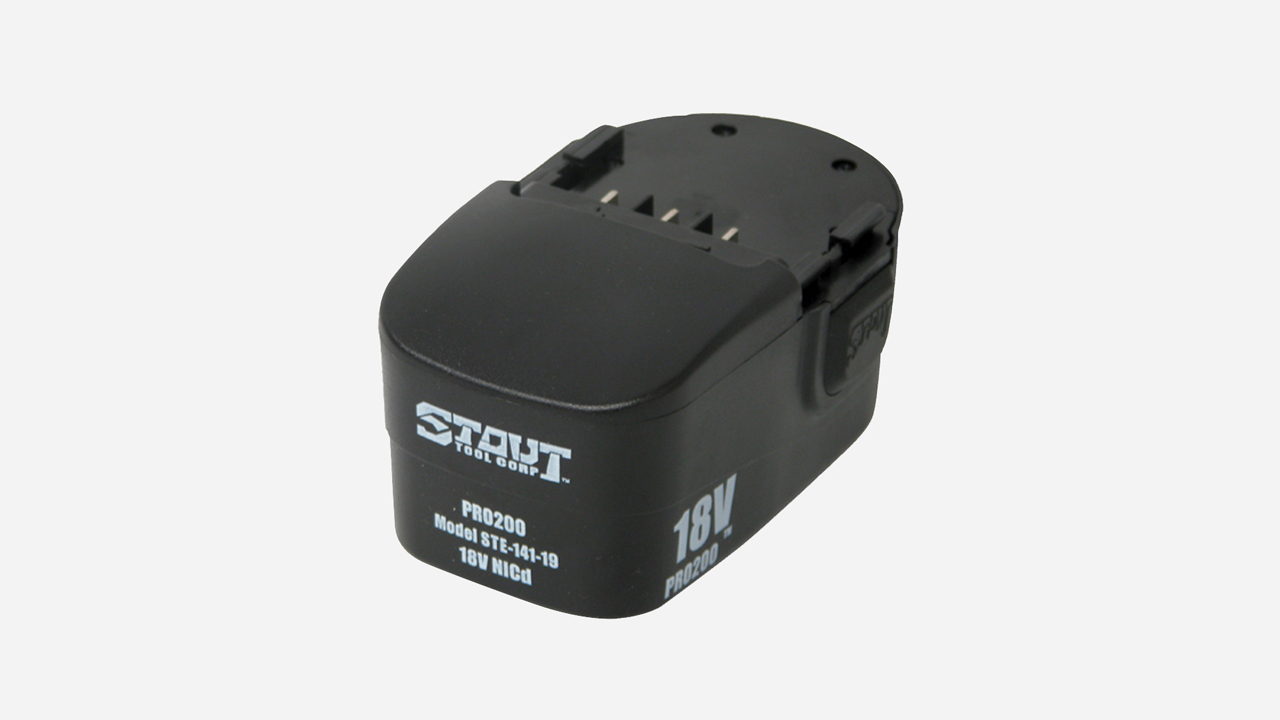
NiCd (Nickel-Cadmium) Batteries
- Best for: Economical cordless tools and job-site durability.
- Advantages: Fast and simple charging, strong shelf-life, reliable in job-site conditions, and lower cost.
- Limitations: Low energy density, heavier weight at higher voltages, and environmental concerns due to toxic materials.
- Typical Use: 2.4V–18V cordless tools (higher voltages = heavier tools).
- Cycle Life: 500–800 cycles with proper maintenance.
Because of their simple chemistry and tolerance for frequent charging, NiCd packs are often considered among the most reliable nickel batteries for cordless power tools, which is why they remain common in cordless drill batteries and other job site equipment.
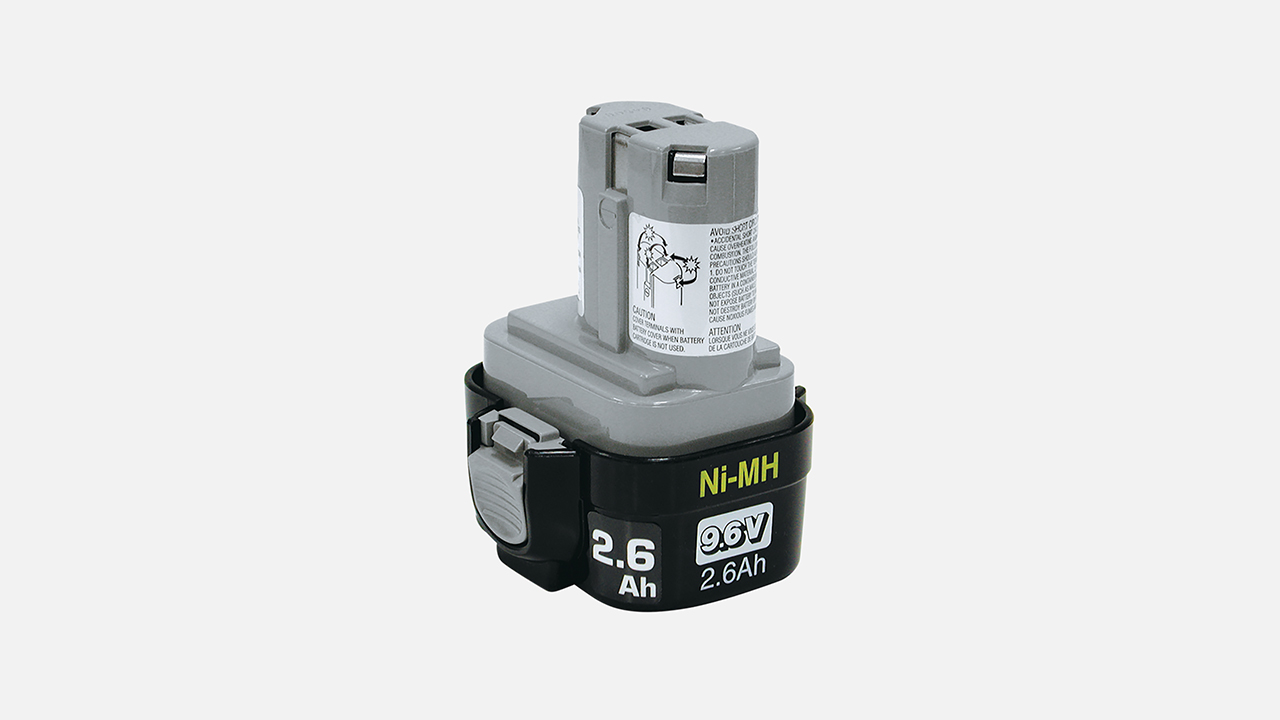
NiMH (Nickel-Metal Hydride) Batteries
- Best for: Higher voltage cordless tools up to 19.2V, 24V, and 36V.
- Advantages: Higher energy density than NiCd and more environmentally friendly.
- Limitations: Bulkier and heavier than NiCd, fewer cycles (200–300), and shorter shelf life.
- Performance: Can be compromised in extreme weather, limiting use in some power tool applications.
NiMH packs carry that same nickel based reliability into higher voltage applications, making them a solid alternative to NiCd for cordless drill batteries and other demanding power tools.
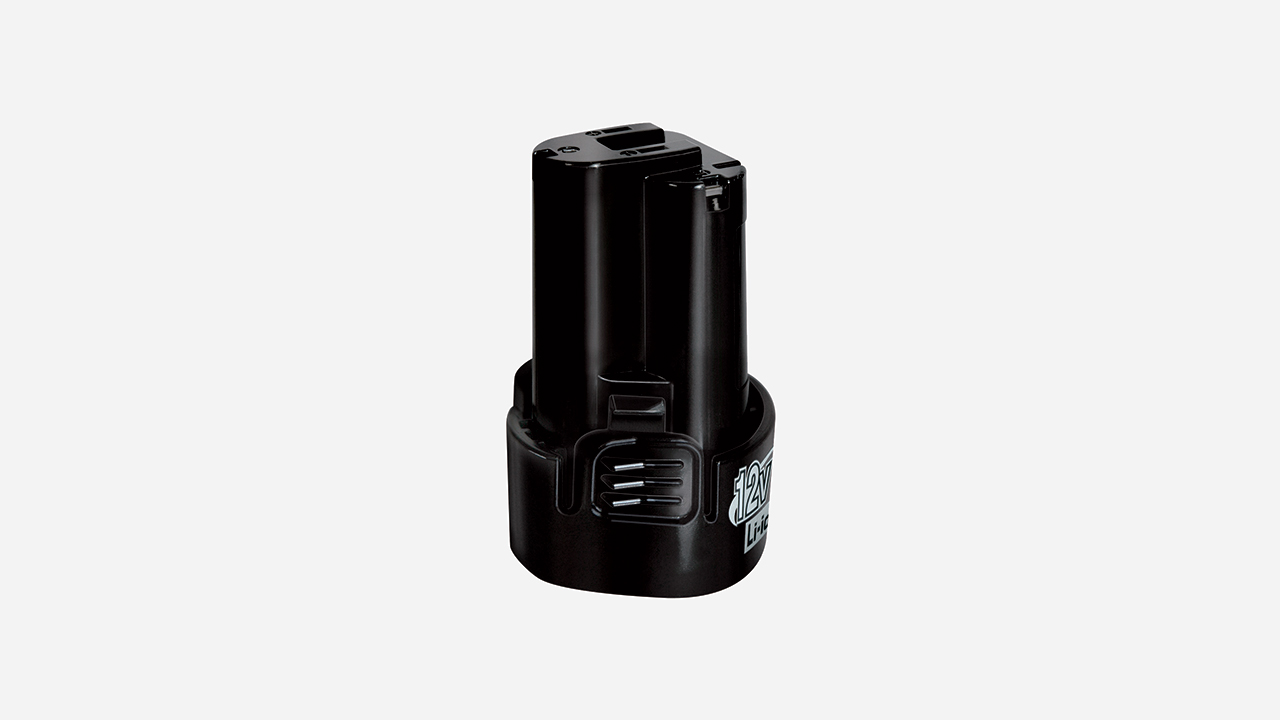
Li-ion (Lithium-Ion) Batteries
- Best for: Modern power tool batteries that deliver high performance, a lightweight design, and long runtime for today’s cordless tools.
- Advantages: Higher energy per cell for compact, lighter power tools; longer runtime (e.g., a 28V Li-ion pack delivers up to 2x the runtime of an 18V pack); longer life cycle and consistent power output; no self-discharge and environmentally safer (“green”); performs well in extreme weather.
- Safety Features: Require built-in circuit protection to regulate voltage and current. Some manufacturers add extra features such as fuel gauges and overload protection.
- Best Practice: Always use the manufacturer’s recommended battery and charger.
Maintaining & Charging Power Tool Batteries
Proper care and charging habits can significantly extend the life of your power tool batteries. Learn about the do’s and don’ts to keep your batteries performing at their best. Maximizing power tool batteries comes down to consistent storage, charging, and handling habits, and the do’s and don’ts below cover the most important ones.
Do’s
Store battery packs in a cool, dry place when not in use.
Recharge NiCd and NiMH packs every 3 months if unused. Li-ion batteries do not require frequent charging.
Allow packs to cool after heavy use before charging to extend life.
Use a charger with maintenance mode for NiCd and NiMH batteries.
Follow the charging and operating temperatures in the manufacturer’s manual.
Don’ts
Do not charge in wet conditions.
Do not tape triggers or leave tools running to discharge batteries. (Li-ion, NiCd, and NiMH do not require full discharge).
Do not leave packs on an unplugged charger, which can slowly drain the battery.
Do not ignore manufacturer-specific recommendations. These general guidelines should always be supplemented with the instructions provided by the tool brand.
Frequently Asked Questions
Power tool batteries generally fall into three categories: NiCd (Nickel Cadmium), NiMH (Nickel Metal Hydride), and Li-ion (Lithium Ion). NiCd batteries are an economical, durable option for job site use, NiMH batteries offer higher energy density for higher voltage tools, and Li-ion batteries deliver the best overall performance, weight, and runtime for most modern power tools.
NiCd batteries tend to be more affordable and reliable for basic, frequently used tools, while NiMH batteries provide higher energy density and work better in higher voltage applications up to 36V. NiMH batteries are more environmentally friendly than NiCd but typically have a shorter cycle life and shelf life.
For most modern power tools, Li-ion batteries are considered the best choice due to their lightweight design, longer runtime, and consistent power output. NiCd and NiMH batteries can still be a good fit for job sites that prioritize durability and lower upfront cost over runtime.
For home workshop use, Li-ion batteries are the most popular choice thanks to their light weight, long runtime, and low maintenance requirements. NiCd batteries remain popular for budget conscious workshops and tools that see frequent, heavy use.
Match the battery chemistry and voltage to your tools, confirm the charger is designed for that same chemistry, and consider a charger with maintenance mode if you are using NiCd or NiMH batteries. Always follow the manufacturer’s recommended battery and charger pairing to avoid performance or safety issues.
Battery capacity, measured in amp hours (Ah), determines how long a battery will run before needing a recharge. Higher capacity batteries provide longer runtime but add weight, so match the Ah rating to how long and how heavy duty your typical job is.
To request a quote, please login to your existing account or register a new one. This helps us provide you with a personalized experience and keep track of your requests.