



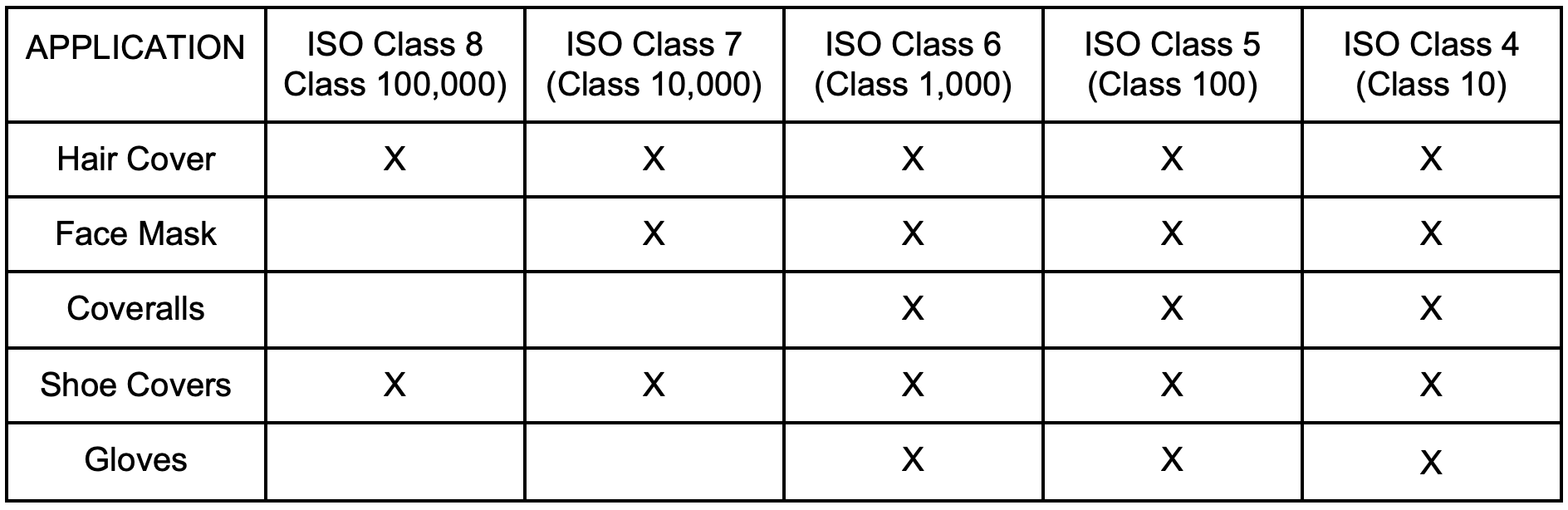
Hair covers (bouffant caps) must be worn in cleanrooms to prevent contamination from hair and skin flakes. They are required to completely cover both the hair and ears, and must be properly disposed of upon exiting the cleanroom. Hair covers are required starting at ISO Class 8 (Class 100,000), the least restrictive cleanroom classification, making them one of the most commonly required pieces of cleanroom PPE.
Cleanroom and Personal Protective Equipment Technical Information
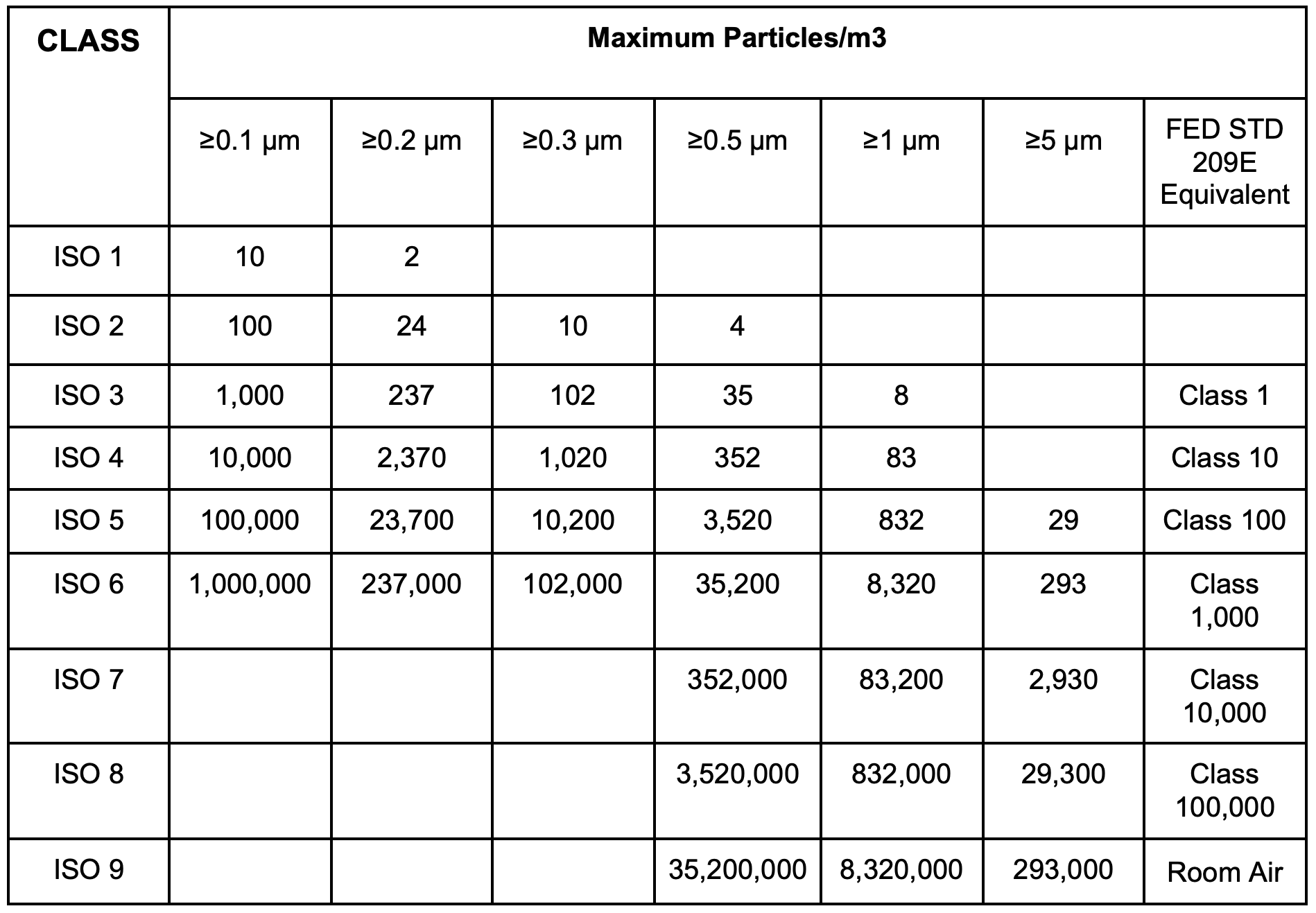
Cleanrooms are classified by the number and size of airborne particles allowed per cubic meter of air. The ISO 14644 standards, derived from the former US Federal Standard 209E, define these classifications. Specifically, ISO 14644-1 defines the maximum allowable concentration of particles ≥0.1 µm using a decimal logarithmic scale. Understanding cleanroom classifications and cleanroom PPE requirements is essential for facilities in pharmaceutical, semiconductor, medical device, and other controlled manufacturing environments where airborne contamination must be tightly controlled.
Key Characteristics of a Cleanroom
There are a few key characteristics that comprise a cleanroom. As stated above, according to the ISO 14644-1 Cleanroom Standards, a cleanroom must have a certain number of particles permitted per volume of air. Along with this, there are specific pieces of personal protective equipment, or PPE, that must be worn in each cleanroom. Common cleanroom PPE includes hair covers, face masks, coveralls, shoe covers, and gloves, with the required combination depending on the cleanroom's ISO classification.

Hair Cover
Face Mask
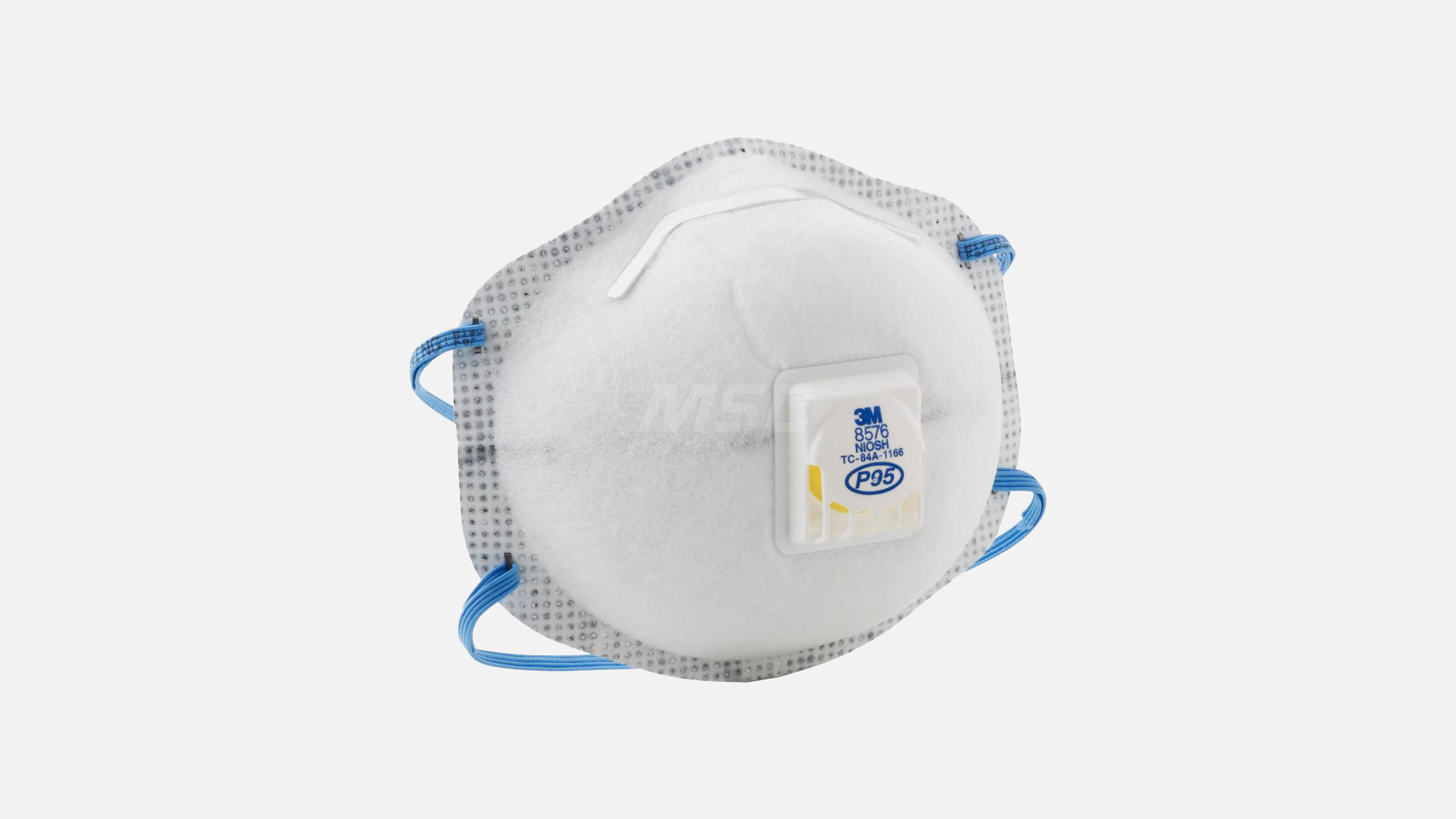
Face masks are essential PPE in cleanrooms, protecting both the wearer from inhaling hazardous particles and the environment from contaminants like breath or skin flakes. Masks should fit snugly with no gaps and provide appropriate filtration based on cleanroom requirements. Face masks are required starting at ISO Class 7 (Class 10,000) and above, one classification stricter than hair covers and shoe covers.
Coveralls
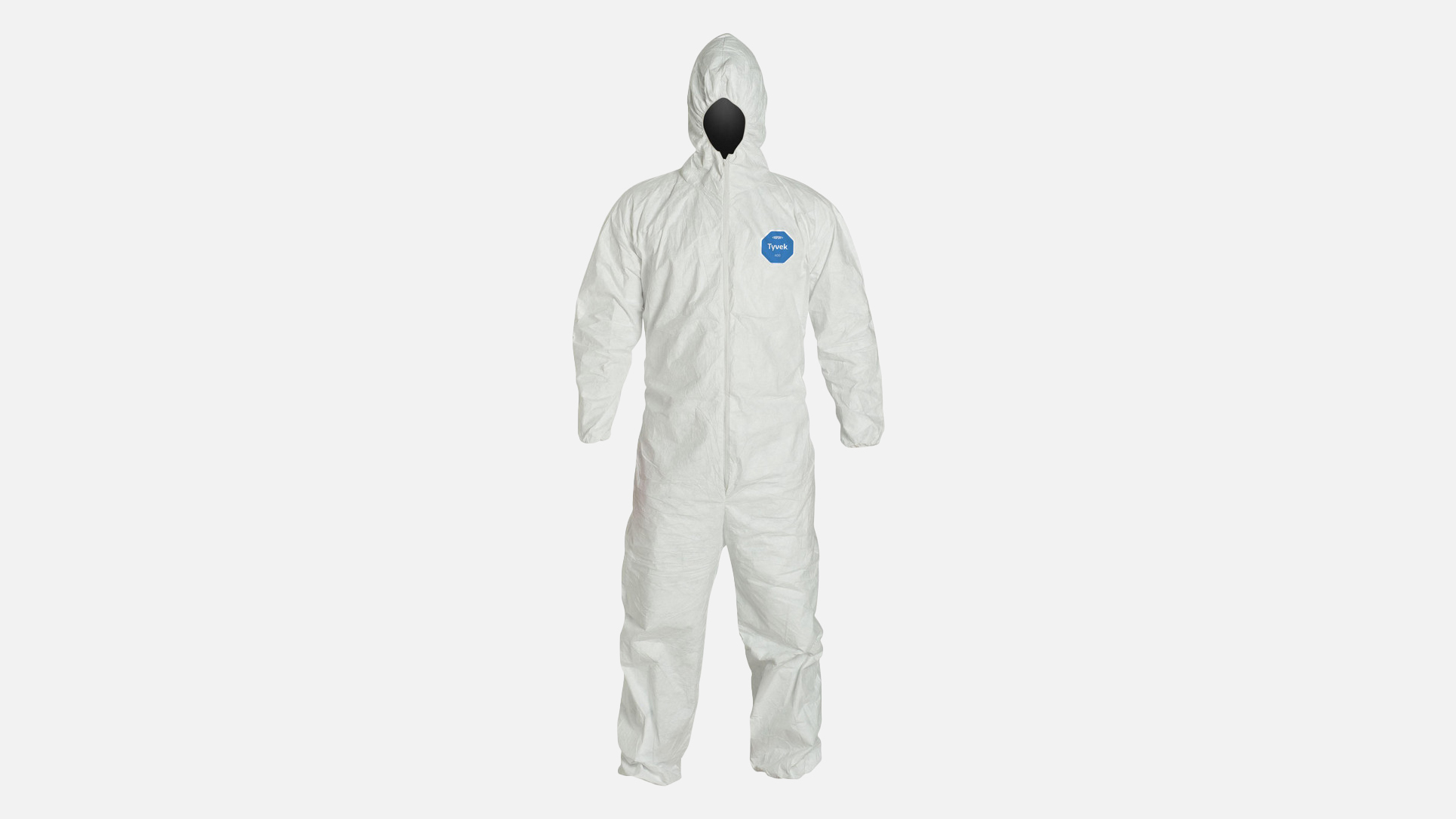
Coveralls are vital cleanroom PPE, serving as a barrier against contaminants that could compromise air quality. Cleanrooms are maintained to strict particle count standards, and wearing coveralls helps minimize contamination. Typically, disposable and available in various sizes, some coveralls feature cuffed ankles and built-in filtration systems to allow safe breathing without releasing particles into the environment. Coveralls are required starting at ISO Class 6 (Class 1,000) and above, reflecting the stricter contamination control needed at these cleanroom classifications.
Shoe Covers
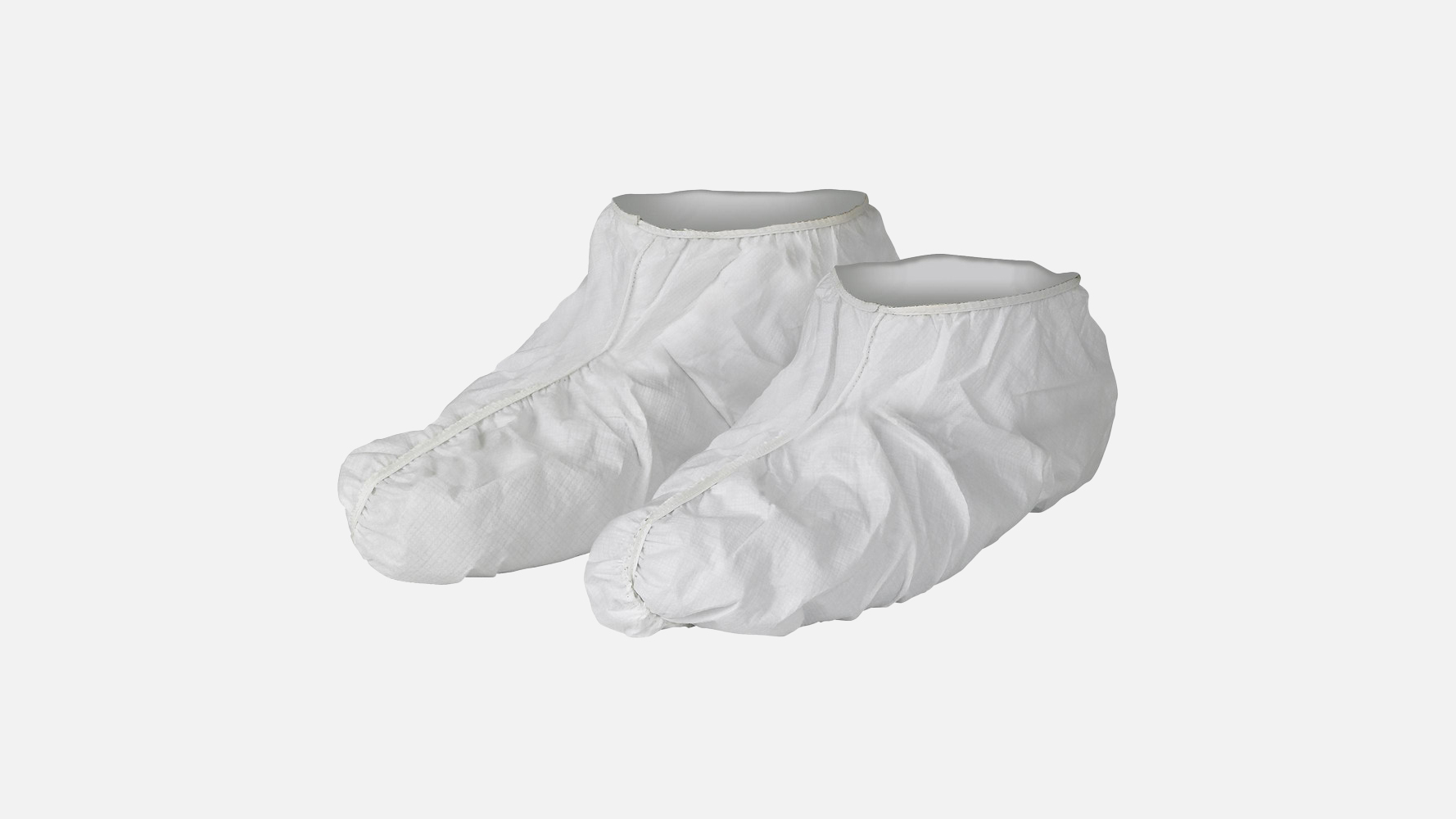
Shoe covers prevent contaminants from being tracked into the cleanroom on footwear. Typically, shoe covers are the first piece of PPE worn when entering a cleanroom, as they create a secure barrier around the shoes and are designed to fit snugly at the ankles. Shoe covers are disposable and should be discarded upon exiting the cleanroom. Like hair covers, shoe covers are required starting at ISO Class 8 (Class 100,000), making them required at nearly every cleanroom classification level.
Gloves
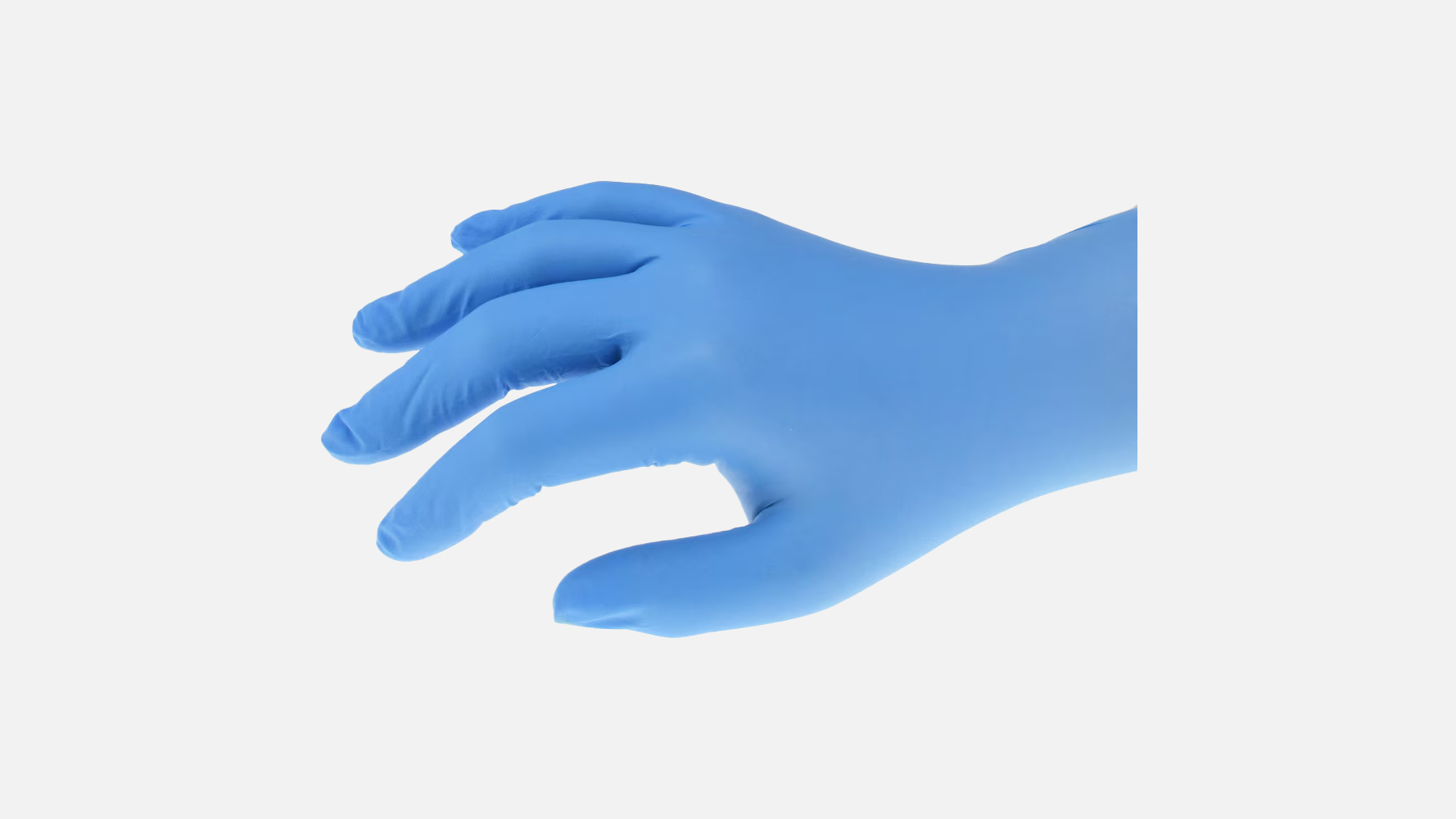
Gloves are essential cleanroom PPE, protecting both the user from harmful substances and the environment from contaminants like hair, skin, or nail particles. The type of gloves required depends on the cleanroom classification, and it's important to choose the appropriate material and specifications for each setting. Gloves are required starting at ISO Class 6 (Class 1,000) and above, the same threshold as coveralls.
Cleanroom Standards
The table below outlines the ISO 14644-1 cleanroom classifications and their corresponding maximum particle counts per cubic meter of air, along with the equivalent Federal Standard 209E class.
Minimum Protective Apparel Guide
The chart below shows which pieces of cleanroom PPE are required at each ISO classification, ranging from ISO Class 8 (Class 100,000), the least restrictive cleanroom class, to ISO Class 4 (Class 10), one of the more restrictive cleanroom classes.
Shop Personal Protective Equipment
To request a quote, please login to your existing account or register a new one. This helps us provide you with a personalized experience and keep track of your requests.