



Purpose: Designed solely for cutting. These pliers come in two main joint styles:
Get a Grip: The Essential Pliers Guide
Learn about the main types of pliers and their functions, so you can match the right pliers to every professional task for the best results.
What Are Pliers?
Pliers are hand tools found in almost every toolbox. They come in many configurations, but the main categories include diagonal, lineman’s, long nose, slip joint, groove joint, end cutting, locking, and specialty pliers.
Pliers are classified as hand tools built from two handles, two jaws, and a pivot point, designed to grip, bend, cut, or hold objects with more force and precision than the hand alone. This basic design makes pliers one of the most frequently used tools across electrical, plumbing, automotive, and general maintenance work.
Main Types of Pliers
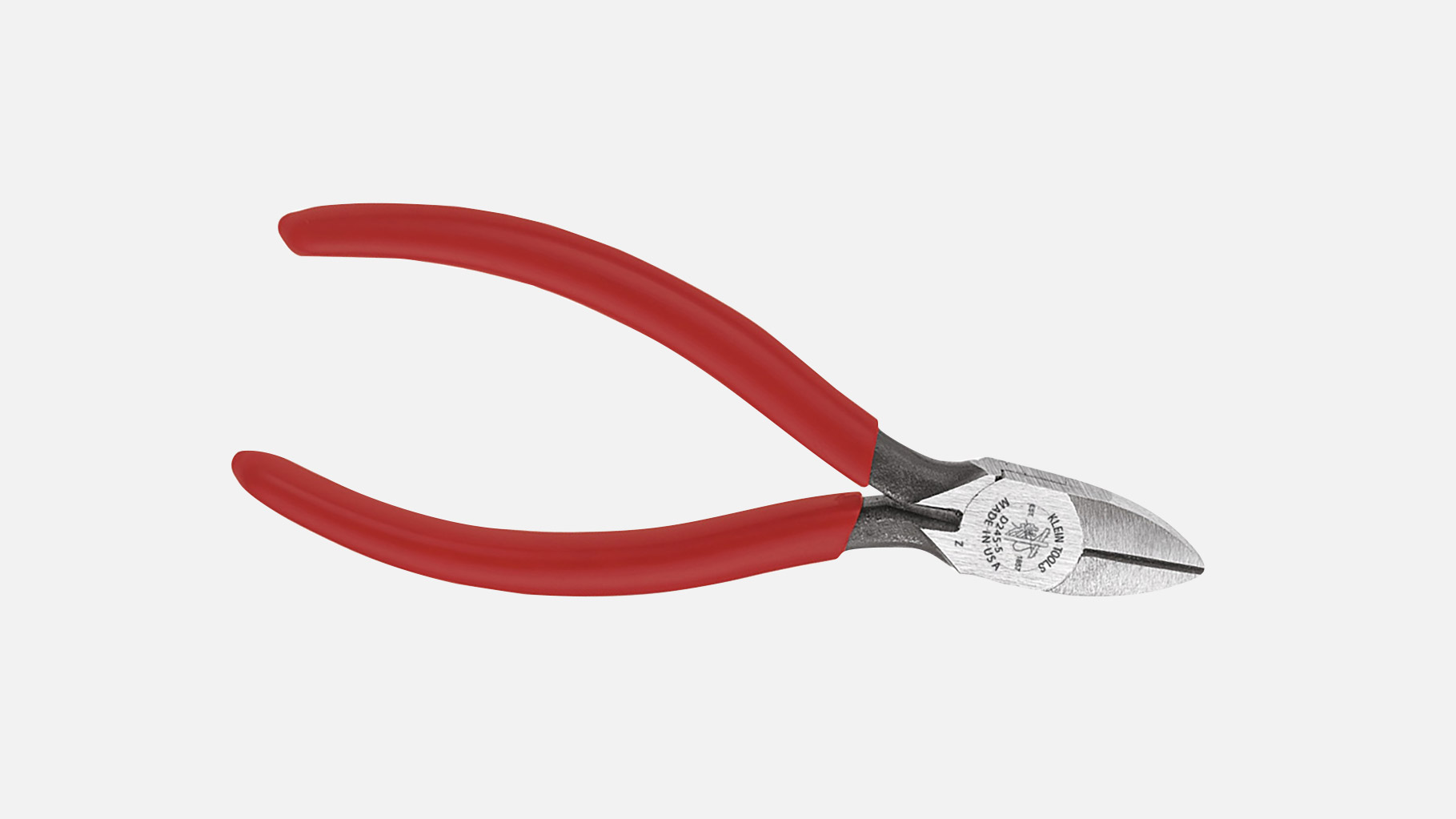
Diagonal Cutting Pliers
- Single Joint: Single joint diagonal pliers are smaller and best for precision work, such as electronics or fine wire. The joint’s pocket-and-protrusion design keeps cutting edges aligned.
- Lap Joint: Lap joint diagonal pliers are typically larger and ideal for heavy-duty cutting. Due to the joint design, these pliers often have a high-leverage pivot or one that is located close to the cutting edges, allowing the user to make the cut with less force applied to the handles than a traditional pivot.
Diagonal cutting pliers are also commonly searched as diagonal pliers, cutting pliers, or wire cutters, since cutting is their primary function.
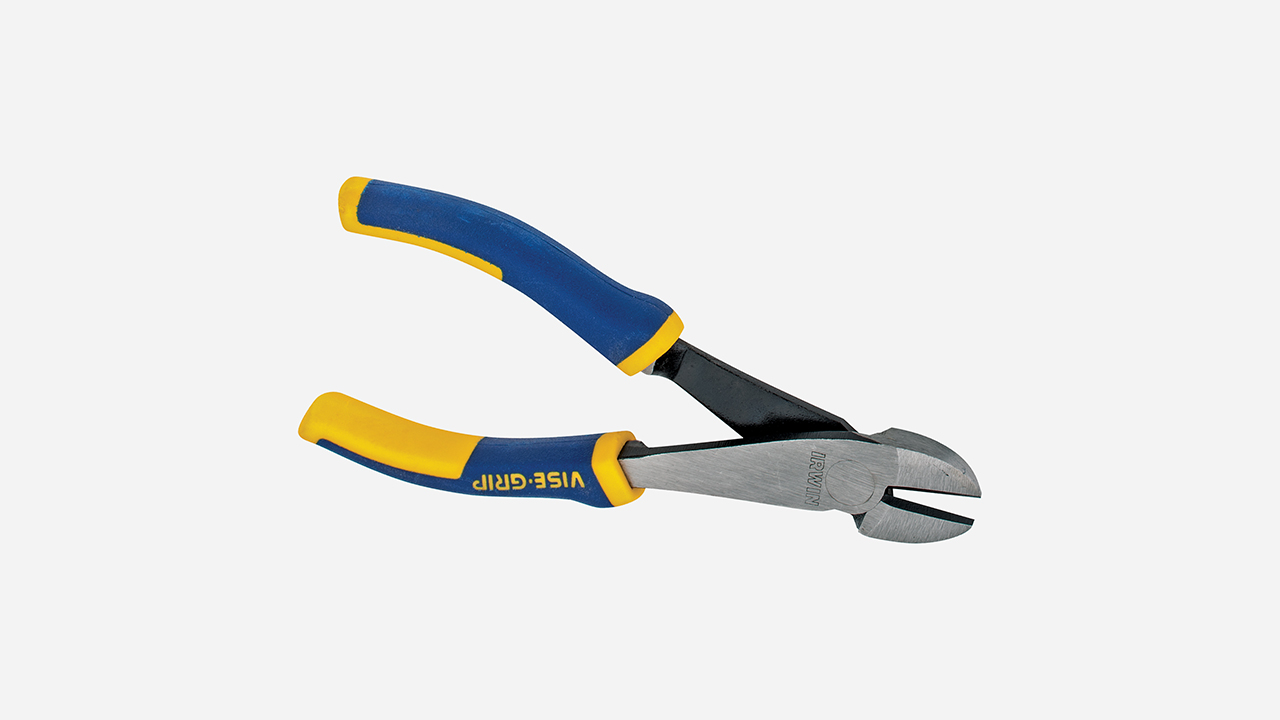
Cut Styles and Head Shapes
Cut Styles:
- Standard Cut: For general use, with minimal concern for shock or wire tip “pinch.”
- Flush Cut: For delicate work needing minimal shock; produces a clean cut, facilitating soldering and increasing connection reliability.
- Semi-Flush Cut: Reduces shock and wire tip pinch for most applications.
Head Shapes: Diagonal cutting pliers are available with different head shapes for easier access in difficult areas.
- Oval Head: Most versatile because they have the most material behind the cutting edges and last longer.
- Tapered Head: For limited-access areas. These cutters have less head mass and provide proportionally fewer cuts.
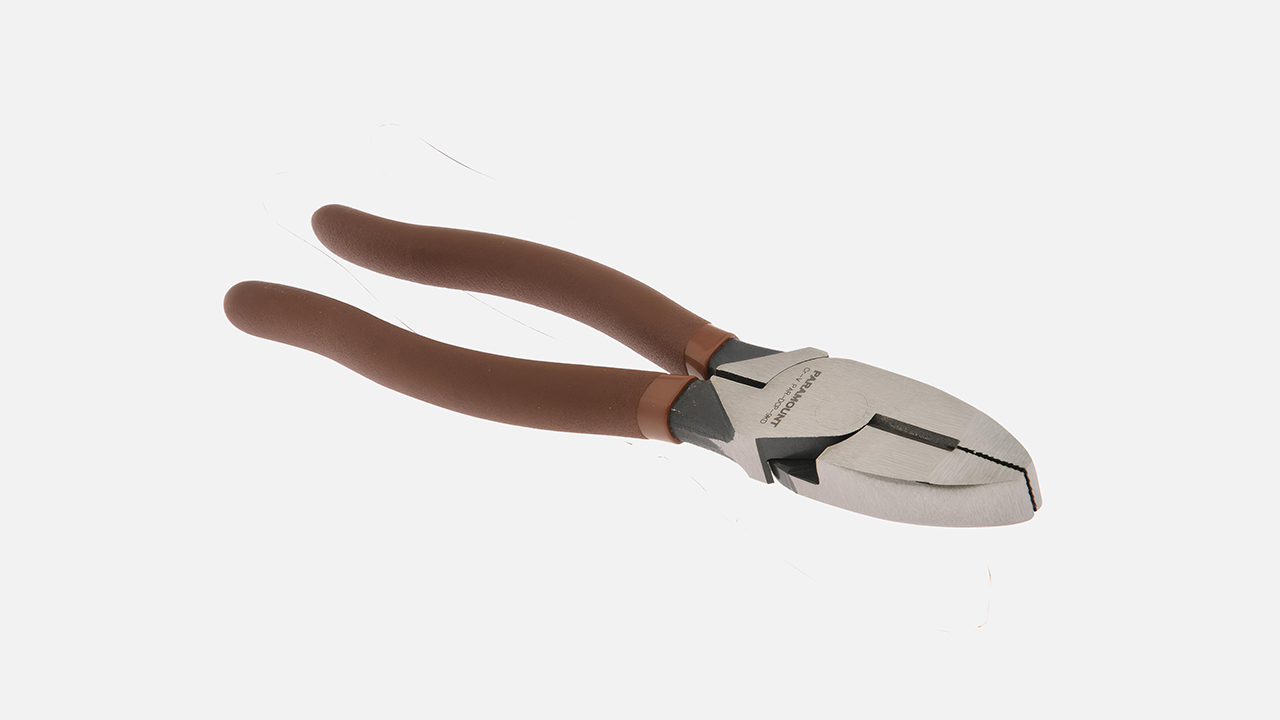
Lineman’s Pliers
Also called side-cutting pliers, they are multipurpose tools for cutting, gripping, twisting, and crimping.
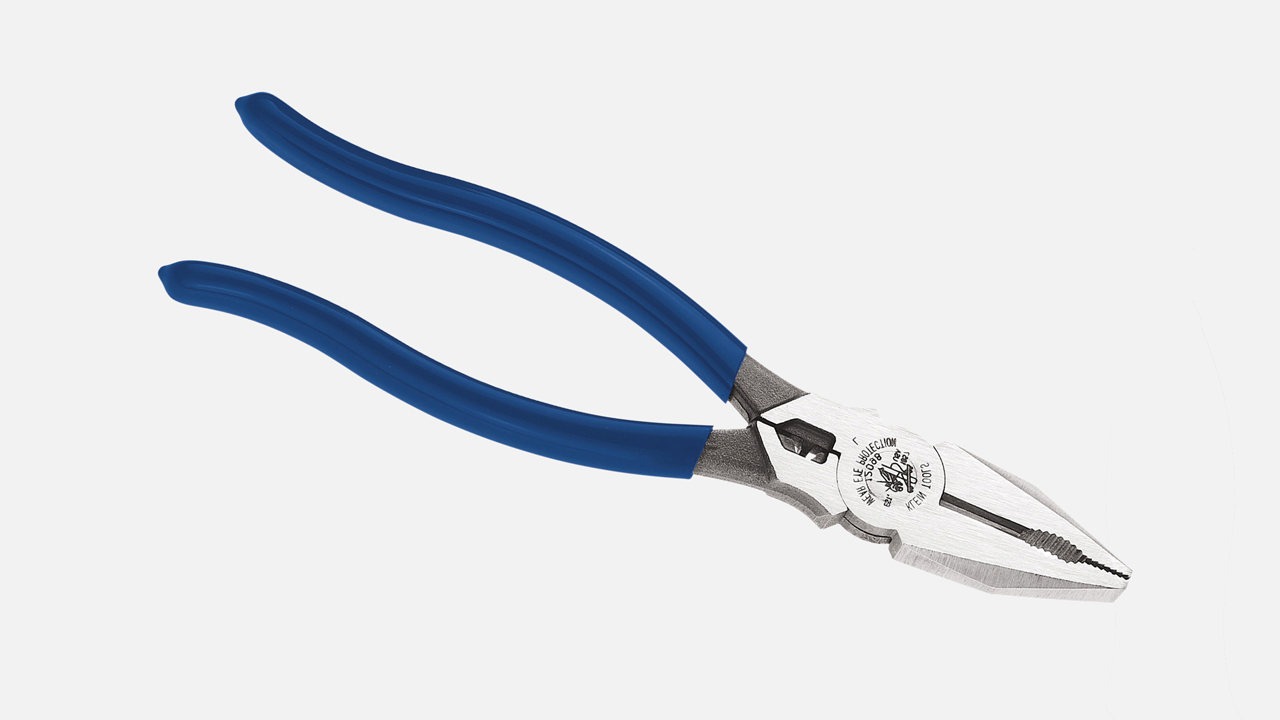
Combination Pliers
Perform the same functions as lineman’s pliers, but are thinner with two different types of gripping jaws in the head.
Lineman’s and combination pliers are frequently used to hold and bend wire and to grip and hold objects securely during assembly work, and combination pliers’ two jaw types make them useful for a wider range of grip sizes.
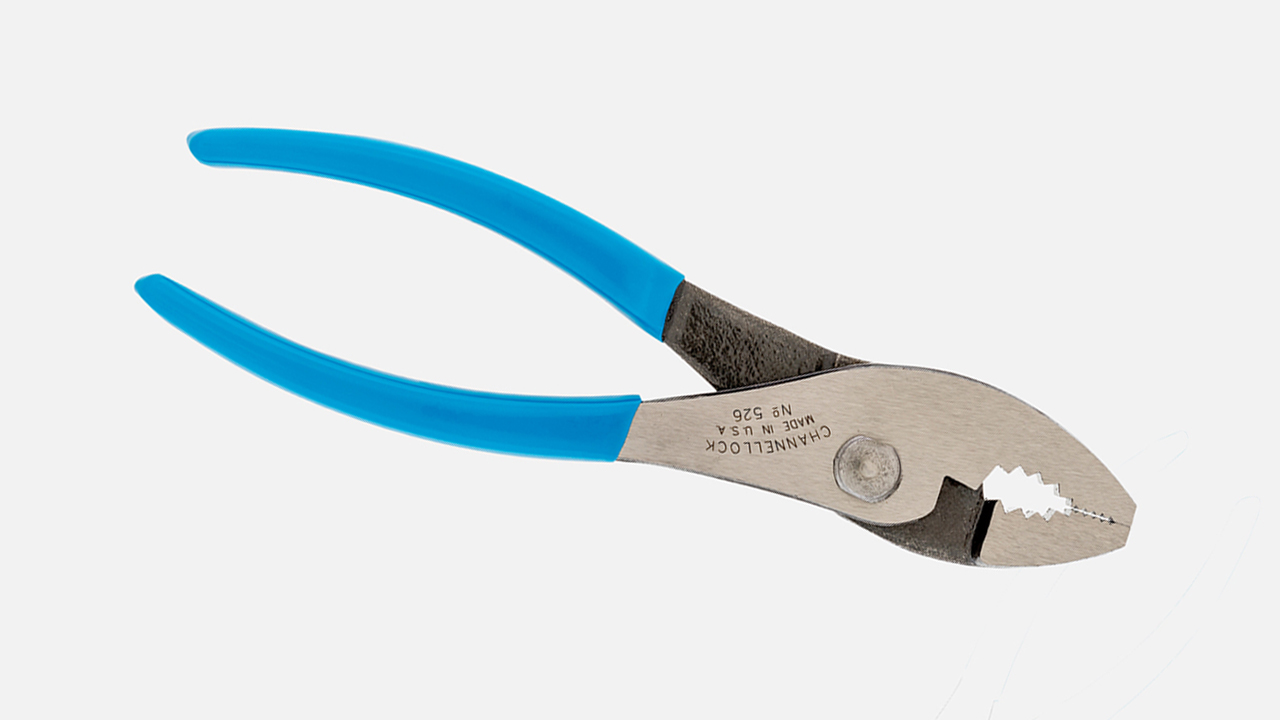
Slip Joint Pliers
Split joint pliers have a two-position joint, which allows the user to adjust the jaw opening. These types of pliers are Ideal for grasping and turning.
Slip joint pliers are used for general gripping, turning, and holding tasks around the shop or home, and their adjustable jaw makes them one of the most versatile pliers in a toolbox.
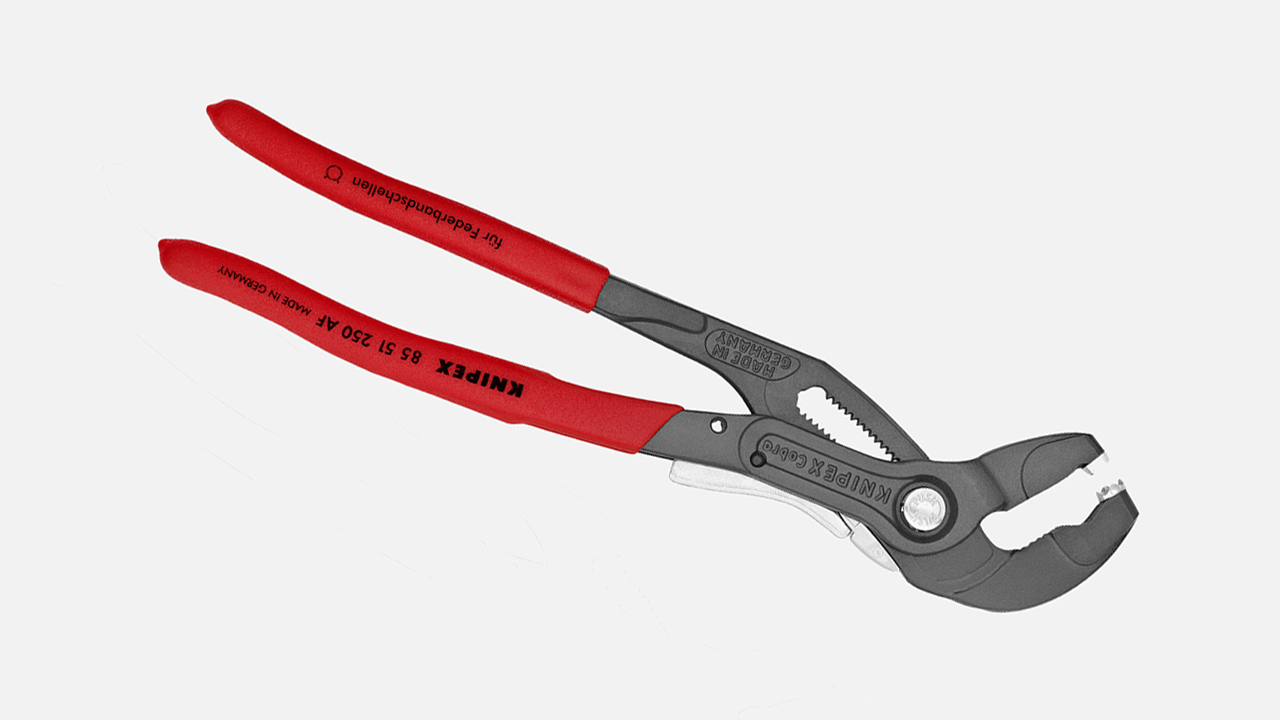
Hose Clamp Pliers
Hose clamp pliers are modified slip joint design with jaw recesses to install and remove wire spring tension clamps.
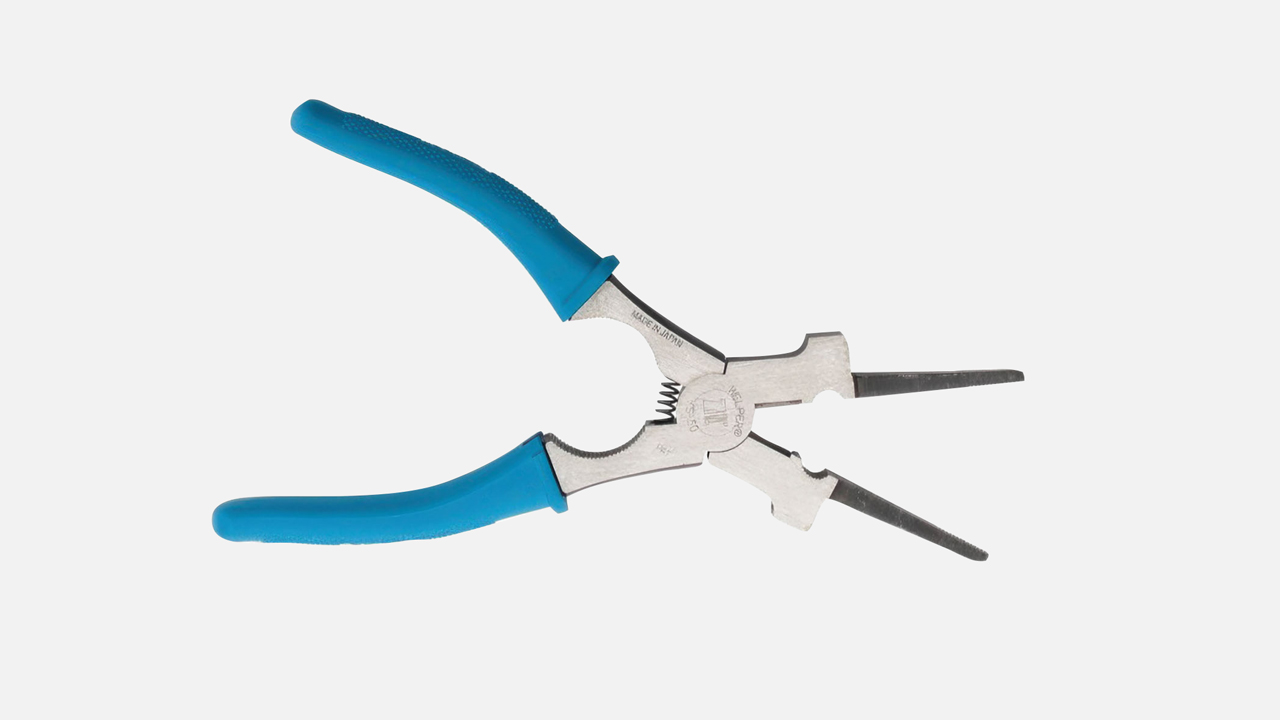
Long Nose Pliers
Long nose pliers are perfect for gripping and bending small objects or working in tight spaces. Many include cutting jaws or stripper holes for small-diameter wire. Jaws may be serrated for grip or smooth to protect delicate materials. Some models feature 45° or 90° bent noses for reaching around obstacles.
- Chain Nose Pliers: Commonly referred to as long nose pliers, they are shorter and thicker for increased strength.
- Needle Nose Pliers: Have longer and thinner heads for finer work.
Their slim profile makes long nose pliers, also known as needle nose pliers, the preferred choice for working in tight spaces or narrow places where other pliers cannot reach, as well as for bending wire and gripping tiny pins or small parts.
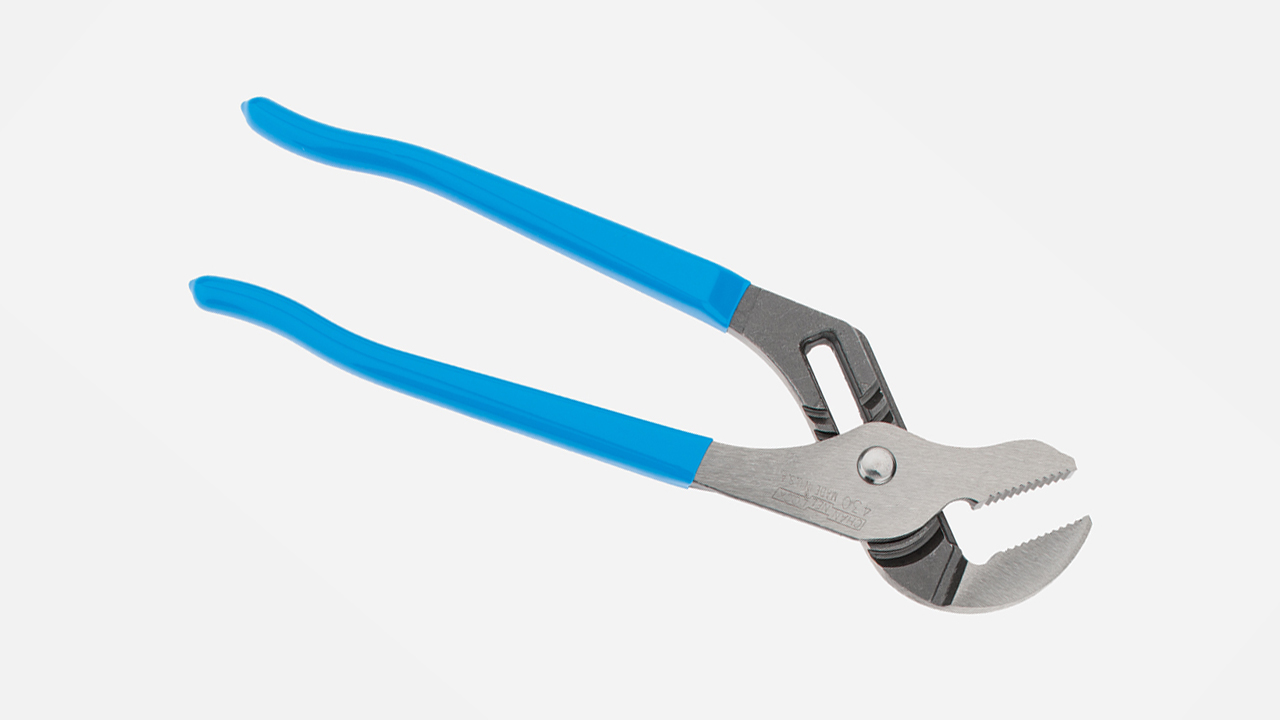
Tongue & Groove Joint Pliers
Tongue and groove joint pliers, often called channel lock pliers, use a grooved joint for adjusting jaw width. Available in various jaw styles, they are common in plumbing and automotive work. Some feature V-notch jaws for gripping fasteners like a wrench. The European market uses a similar type of pliers called water pump pliers.
- Water Pump Pliers Used similarly but have thinner, shorter jaws and multiple jaw positions without interlocking grooves. They typically use serrated teeth or scallops that align with a pin or gear.
Because their multiple jaw positions allow for a wide range of opening widths, tongue and groove pliers, also called groove joint pliers or arc joint pliers, are typically the pliers of choice for gripping larger or irregularly shaped objects that need a wider grip and tighter squeeze.
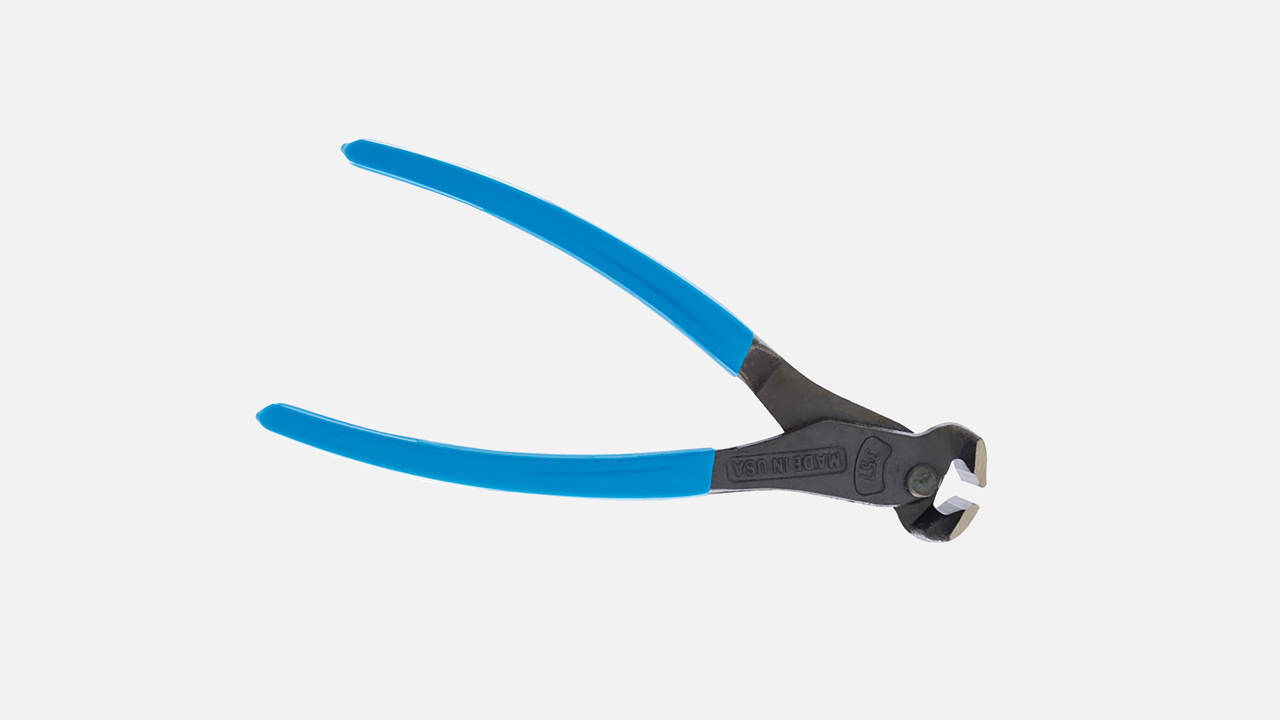
End Cutting Pliers
Also known as pincer pliers or nippers, end cutting pliers have C-shaped jaws for flush cuts and rounded heads for prying nails or tacks, much like a claw hammer.
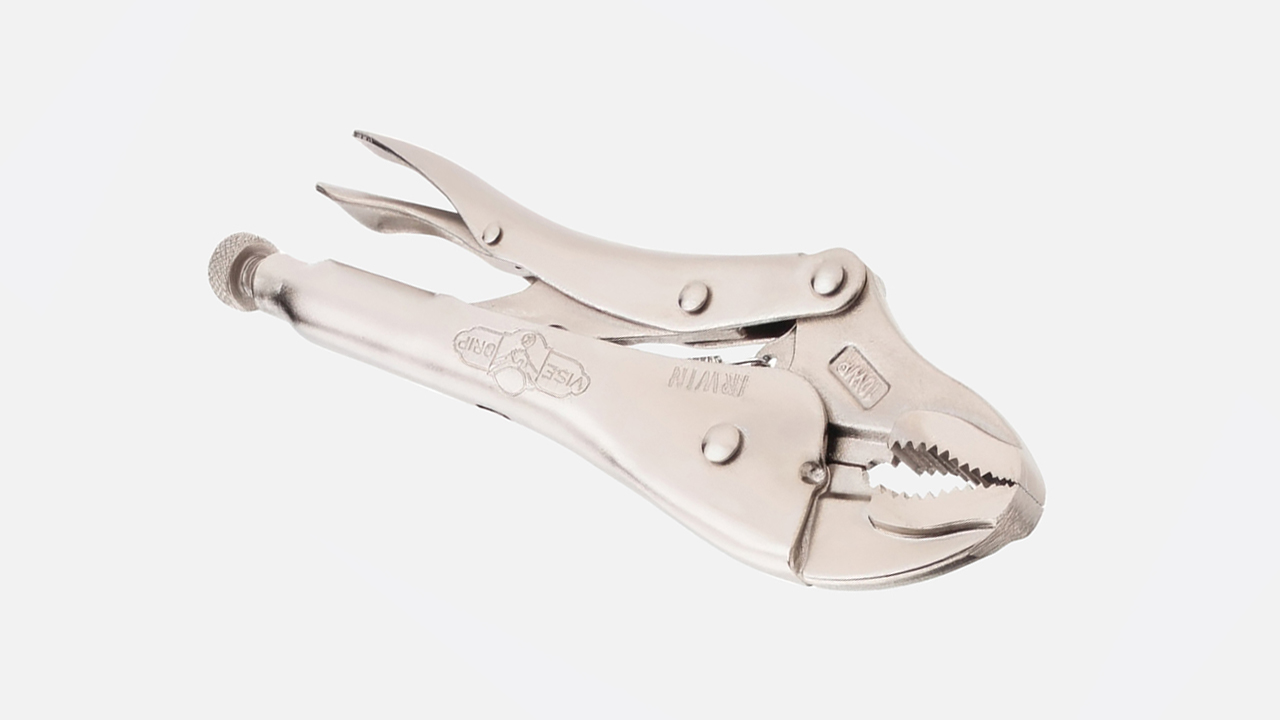
Locking Pliers
Commonly known as ViseGrip®, these types of pliers grasp and hold objects with adjustable force. Most locking pliers use a simple toggle-link mechanism with an adjustable pivot to set the clamping force and come in many jaw configurations for welding, plumbing, or woodworking.
Locking pliers are also commonly referred to as vise grips or clamping pliers.
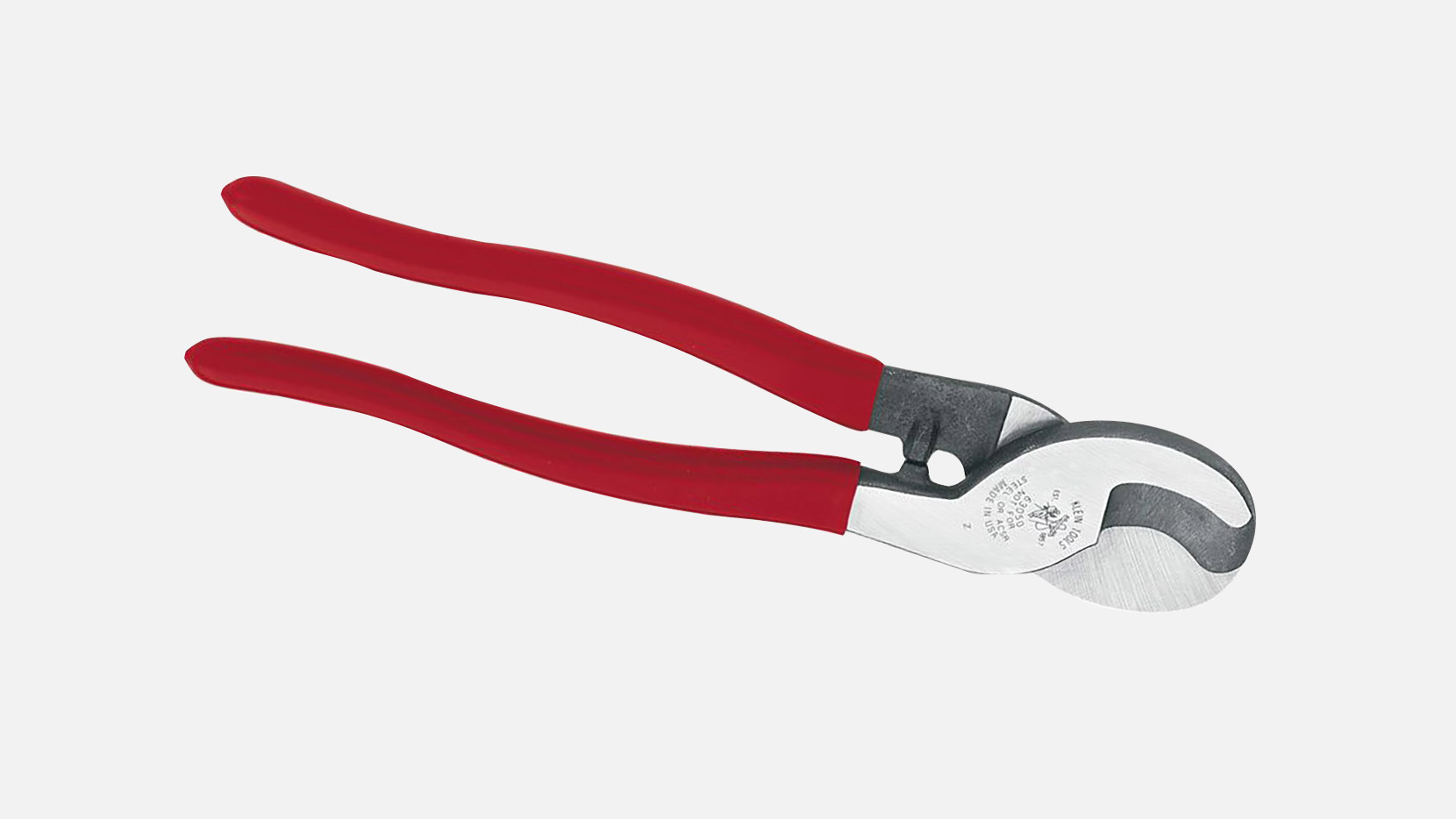
Specialty Pliers
Designed for specific tasks such as installing snap rings, cutting fiber optic cables, removing springs, or stripping insulation. Some types of specialty pliers include the ones shown here:
Common specialty pliers include snap ring pliers, wire stripping pliers, fiber optic cutting pliers, and spring removal pliers, each built for one specific task rather than general use.
Shop Pliers
Frequently Asked Questions
Pliers are hand tools with two pivoting handles and jaws, used to grip, bend, cut, twist, or hold objects with greater force and control than the hand alone.
Pliers are used for gripping, bending, twisting, cutting, and holding materials across electrical, plumbing, automotive, and general maintenance tasks, with the specific job depending on the jaw style and joint type.
Slip joint pliers have an adjustable two-position joint that lets the user widen or narrow the jaw opening by hand, while locking pliers use a toggle-link mechanism to clamp down and hold an object in place without the user continuing to squeeze the handles.
Groove joint pliers, also called tongue and groove pliers or channel lock pliers, offer several fixed jaw positions along a grooved track for a wider range of opening widths, while slip joint pliers typically offer only two jaw positions.
Needle nose pliers, a type of long nose pliers with a narrow, tapered head, are best suited for gripping tiny pins or small parts in confined spaces.
Combination pliers are used for the same general gripping, cutting, and twisting tasks as lineman’s pliers, but their thinner profile and two different jaw types make them useful for a wider range of grip sizes.
Diagonal cutting pliers have angled jaws designed purely for cutting wire, while end cutting pliers have flush, C-shaped jaws positioned at the very tip, allowing them to cut wire flush to a surface or pull and pry nails and tacks.
To request a quote, please login to your existing account or register a new one. This helps us provide you with a personalized experience and keep track of your requests.