



• Suitable for use in drill presses, lathes, and screw machines.
Basics of Reamers: Types, Styles, and Materials
Chucking reamers are used to enlarge and smooth pre-existing holes in industrial materials, such as wood and metal. They are not designed to create new holes but to refine and accurately size existing ones.
In short, a reamer is a precision hand or machine tool that finishes a hole that has already been drilled, bringing it to an exact diameter and a smoother surface than drilling alone can achieve.
Types of Reamers
The main types of reamers include chucking, hand, shell, pipe, expansion, bridge and repairman's reamers, each suited to a different hole, material or shank style.
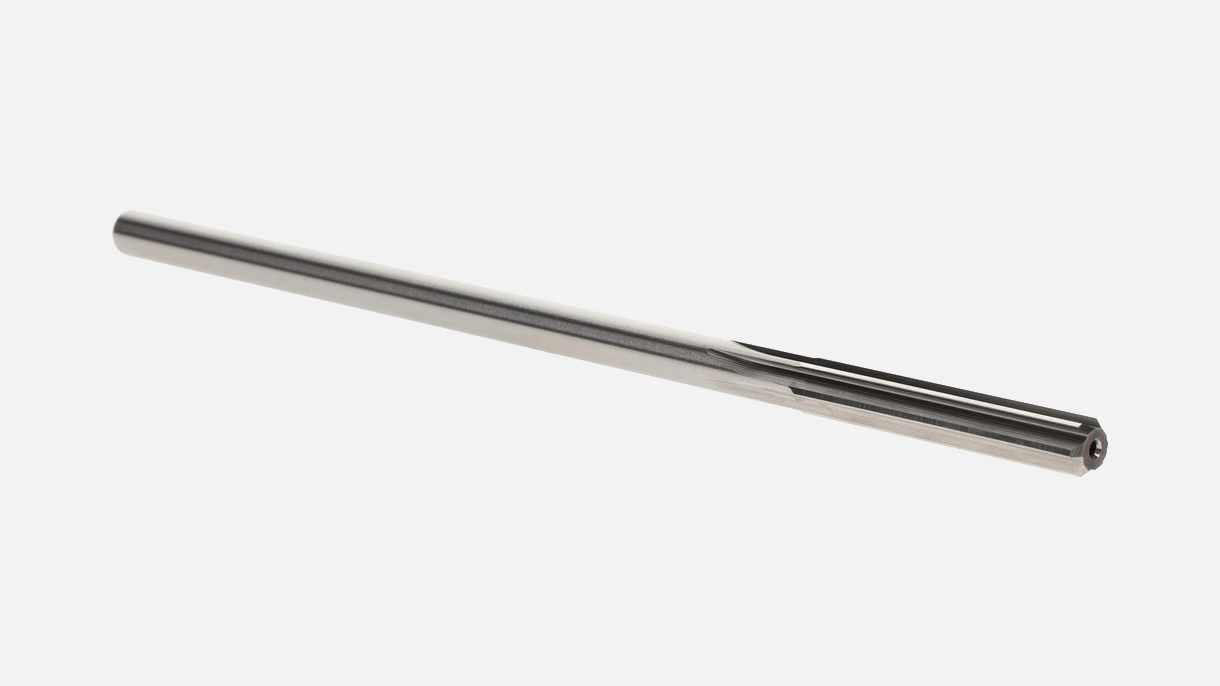
Chucking Reamers
• The most commonly used style for reaming holes to tight tolerances.
• Available in straight flute, RHS/RHC, LHS/LHC, and expansion styles, in both standard and jobber lengths.
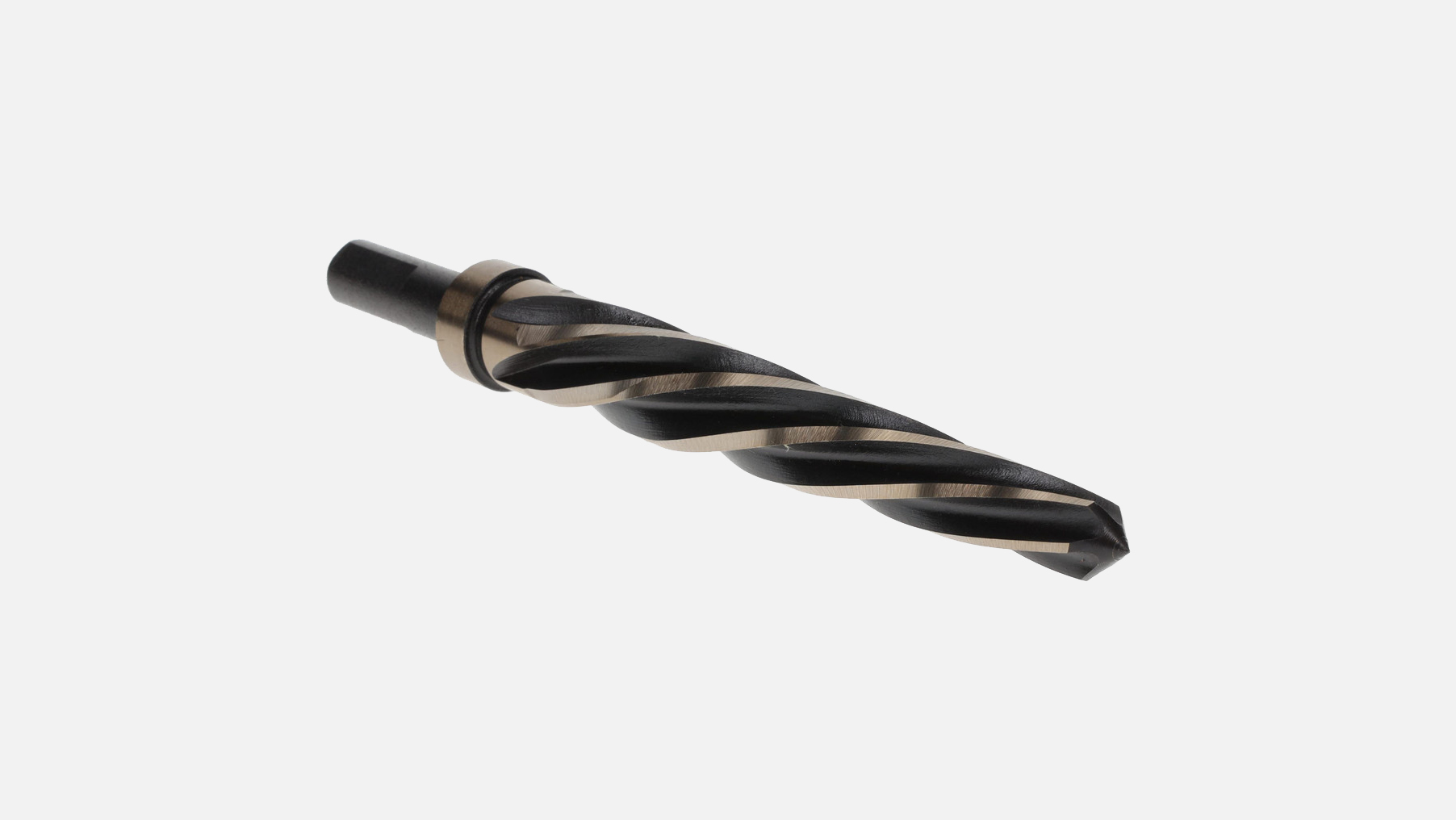
Hand Reamers
• Includes a square shank end, like a hand tap, for use with adjustable or standard tap wrenches.
• Designed with a tapered cutting head for easier insertion into the workpiece.
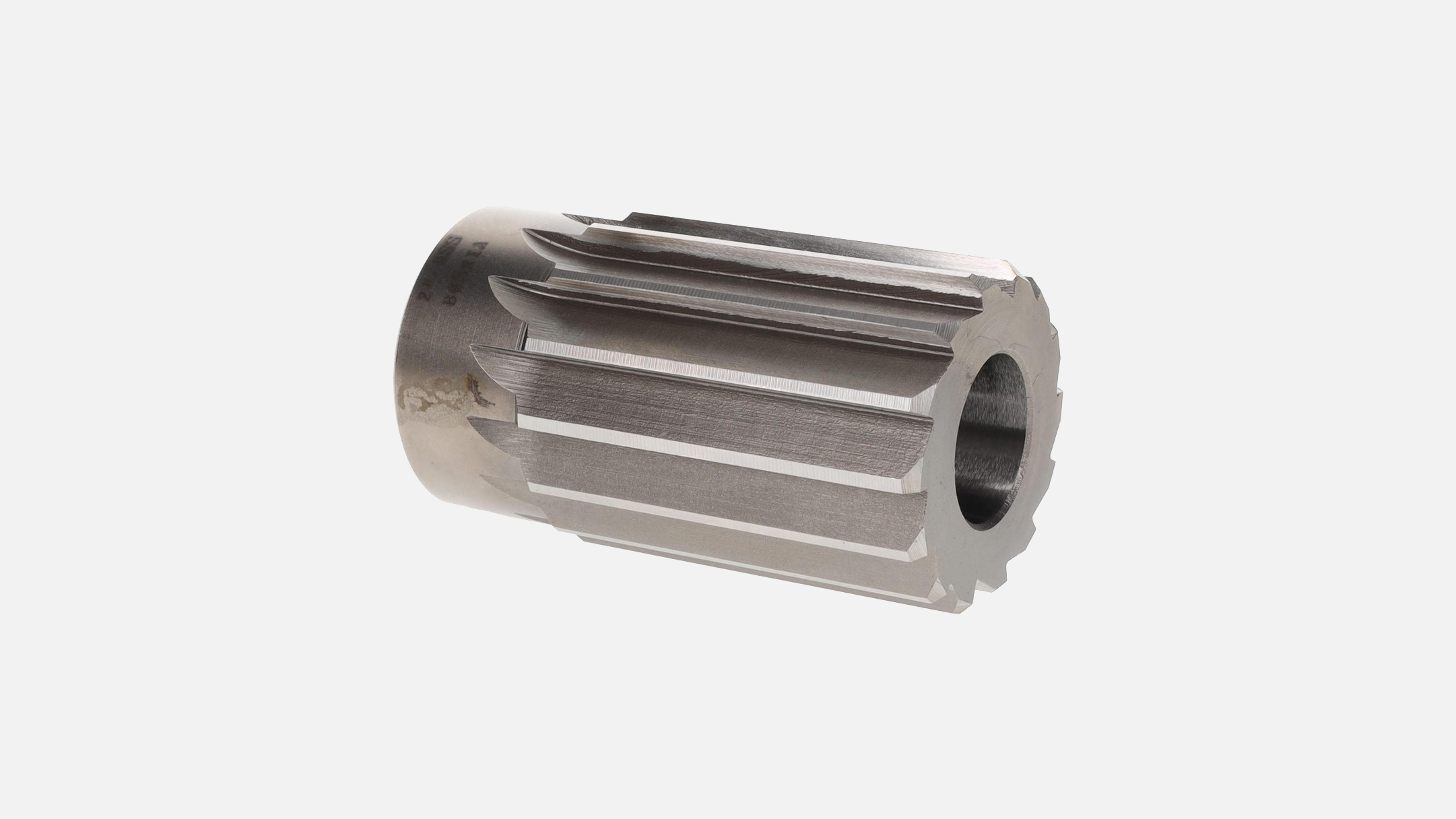
Shell Reamers
• Comparable to the cutting section of a chucking reamer.
• Component is supplied without an integrated shank.
• A straight or taper shank arbor is used with the shell reamer to form a complete cutting tool
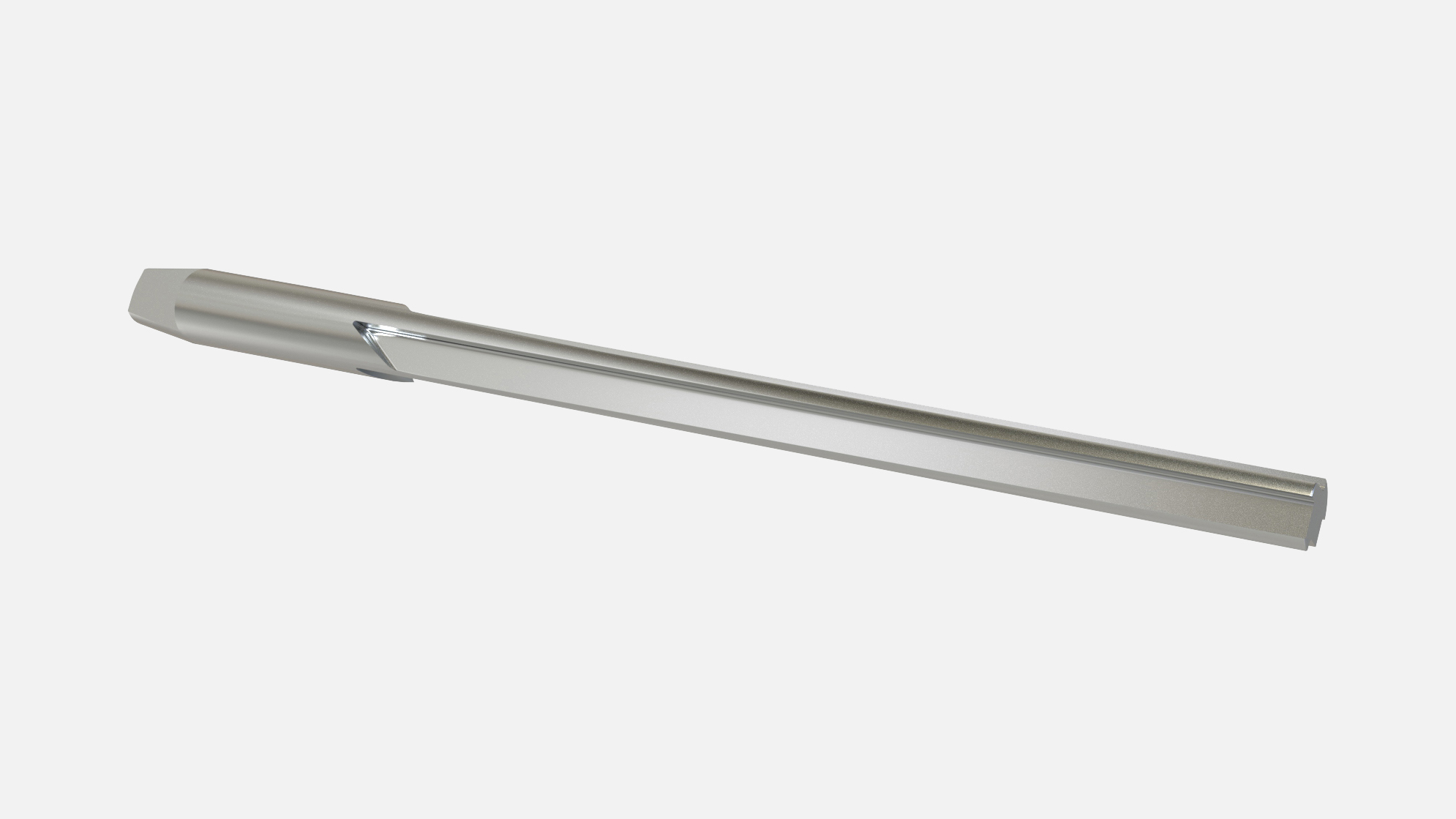
Pipe Reamers
• Prepare holes for taper pipe tapping.
• Constructed with a square-end shank, enabling use with adjustable or standard tap wrenches.
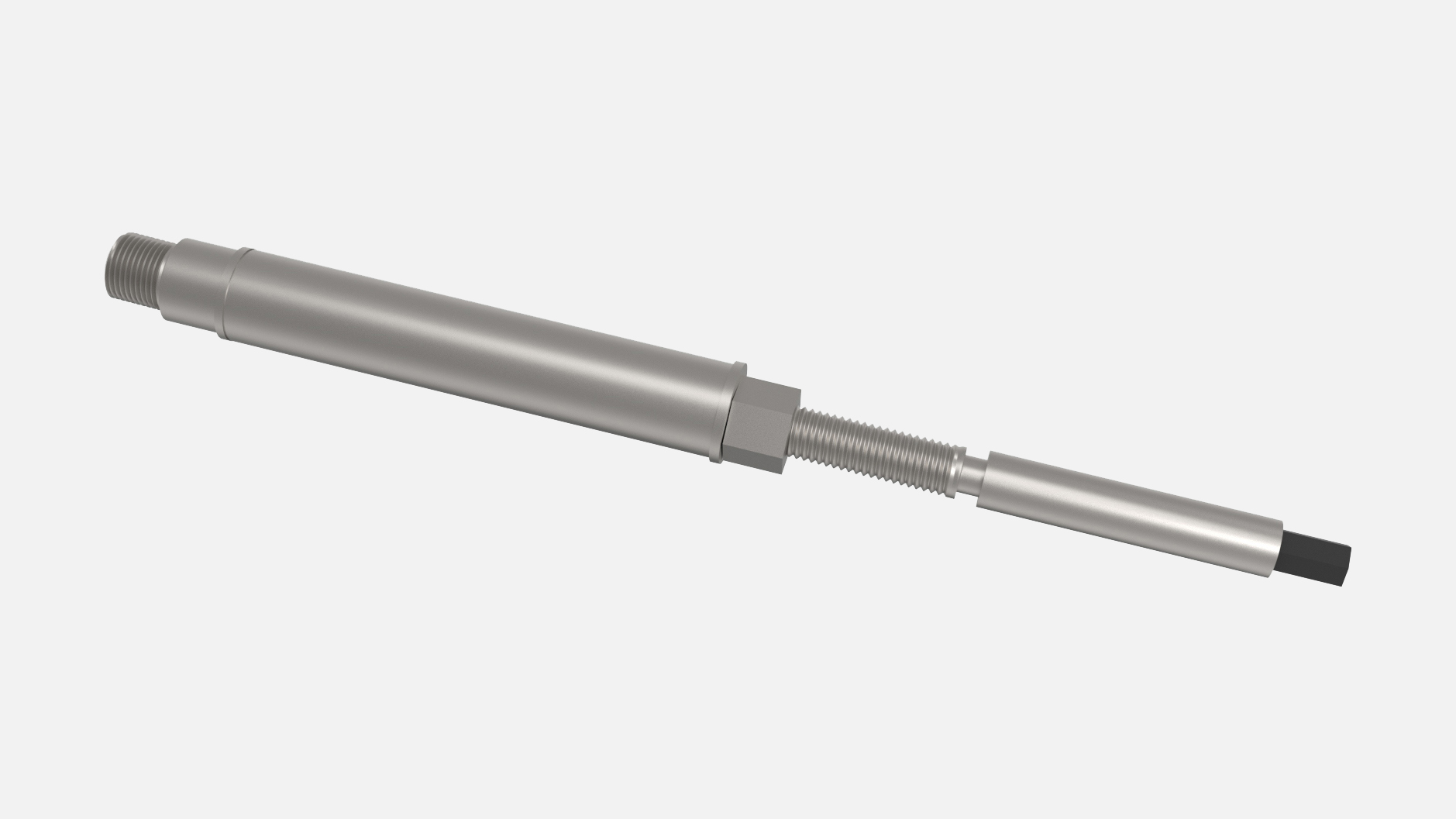
Expansion Reamers
• Equipped with an adjusting screw to resize the cutting head, allowing the expansion reamer to be reground multiple times.
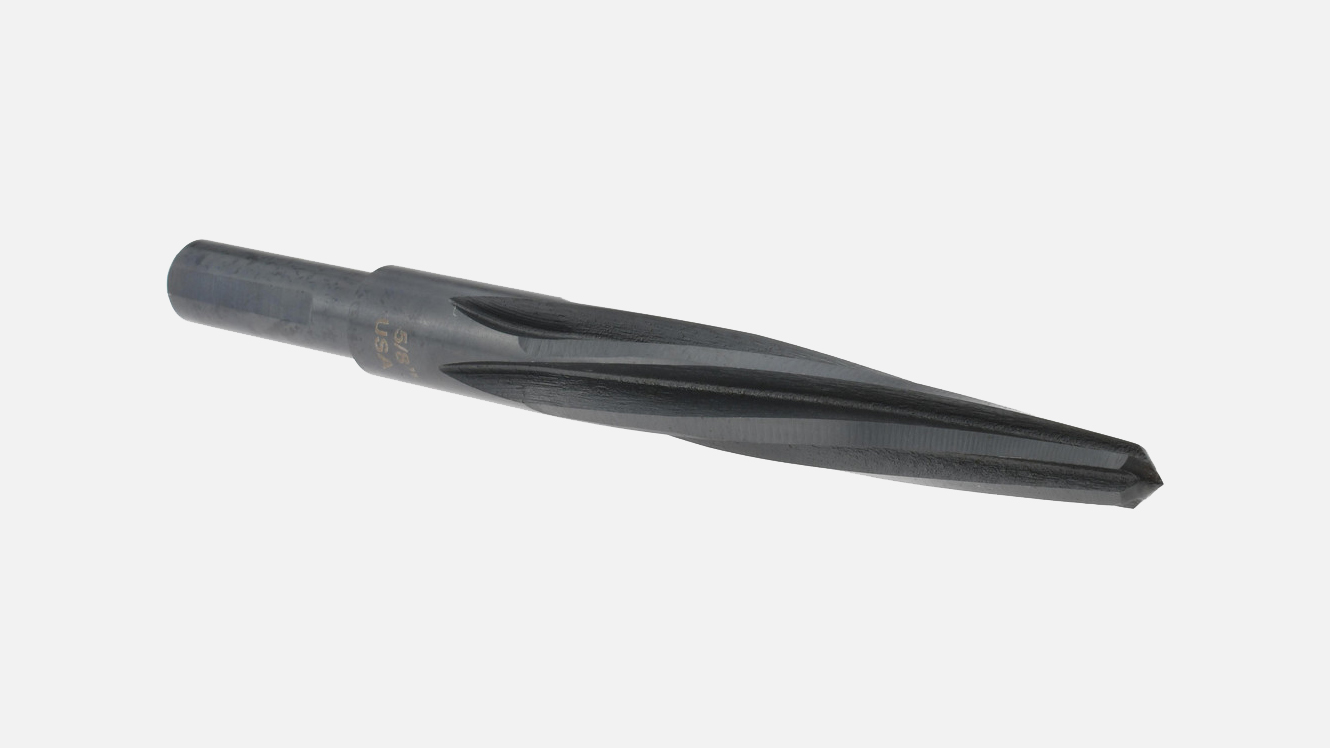
Bridge Reamers
• Enlarges and aligns holes for rivets.
• Ideal for steel construction, especially with I-beams.
• Available with various shank styles for portable electric drills, drill presses, and square-drive impact wrenches.
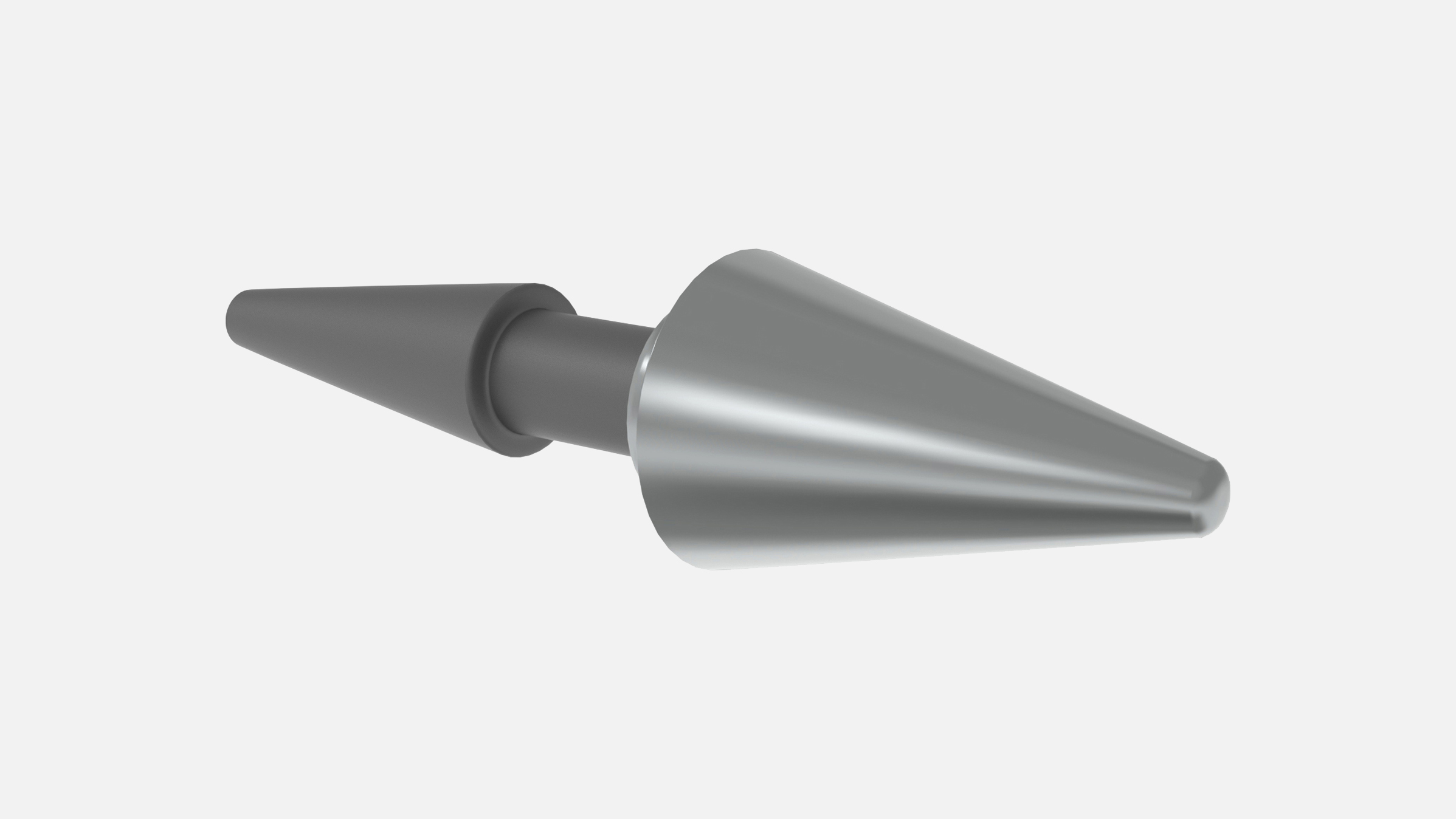
Repairman’s Reamers
• Designed for deburring pipe and conduit, as well as enlarging holes in sheet metal.
Material
Flute Styles
Special Sizes
Beyond standard fractional reamer sizes, reamers are also available in letter, wire, and metric sizes, plus the oversize, undersize, and special decimal options below for closer-fitting holes.
Over/Under Reamers
Offered in increments of 0.001″ above or below standard key sizes, such as 0.2510″ (oversize) and 0.2490″ (undersize) as alternatives to the standard 0.2500″ (1/4″) reamer.
These sizes enable users to achieve hole fits that are either tighter or looser than standard fractional dimensions.
Special Decimal Sizes
Encompasses sizes beyond standard fractional, letter, wire, and metric specifications.
Available in 0.0010″ incremental sizes.
Dowel Pin Sizes
Ensures precise hole preparation for dowel pin insertion.
Machine Reaming
Use this reaming allowance chart to match stock removal to hole diameter; keeping allowance in this range is what lets a machine reamer hold its rated size and tolerance.
To 3/32" | .003"- .006" |
3/32" to 1/4" | .008"- .010" |
1/4" to 1/2" | .012"- .015" |
1/2" to 1" | .017"- .020" |
1" to 2" | .020"- .025" |
>2" | .030"- .035" |
Hand Reaming
All Sizes | .002"- .004" |
Shop Reamers
Frequently Asked Questions
A reamer is a precision cutting tool used to enlarge and finish a hole that has already been drilled, bringing it to an exact diameter and a smoother surface finish than drilling alone can achieve. Reamers do not create new holes, they refine existing ones to a tight, repeatable tolerance.
Reamers are used any time a hole needs to be sized more precisely than a drill bit alone can deliver, such as fitting a dowel pin, aligning a bearing bore, prepping a hole for taper pipe threading, or finishing rivet holes in structural steel. The right reamer style depends on the material, hole depth, and whether the hole is blind or goes all the way through.
A chucking reamer is designed to be powered by a machine, such as a drill press, lathe, or screw machine, and is the most common style for reaming to tight tolerances. A hand reamer has a square shank end so it can be turned manually with a tap wrench, and its tapered cutting head makes it easier to start by hand.
Reamers are available in standard fractional, letter, wire, and metric sizes, plus over and undersize options in 0.001 inch increments and special decimal sizes in 0.0010 inch increments for fits tighter or looser than a standard fractional dimension calls for. Dowel pin sized reamers are also available for precise dowel pin hole preparation.
High speed steel (HSS) offers long tool life at a lower cost and works well in free-cutting and carbon steels along with soft non-ferrous metals. Cobalt holds up better under heavy, high-heat cutting conditions. Solid carbide runs at higher speeds and resists wear best but is more brittle, and carbide tipped tools offer many of carbide's benefits at a lower cost for larger diameter tools.
Key Reamer Terms
RHS/RHC (Right Hand Spiral/Right Hand Cut): a flute design that pulls chips out of the hole as it cuts, making it well suited to blind-hole applications.
LHS/RHC (Left Hand Spiral/Right Hand Cut): a flute design that pushes chips forward through the hole, used for through-hole applications where a fine finish is needed.
HSS (High Speed Steel): a common reamer material, available in grades like M1, M2, M7 and M50, valued for long tool life at a lower cost.
Cobalt (M35, M42): a reamer material grade that offers greater wear resistance and heat tolerance than standard HSS.
Chamfer angle: the angled lead-in ground into the tip of a reamer that helps it enter an existing hole smoothly.
Taper pin reamer: a reamer ground with a 1/4 inch per foot taper, used to prepare holes for standard taper pins.
To request a quote, please login to your existing account or register a new one. This helps us provide you with a personalized experience and keep track of your requests.