



Airborne contaminants can affect more than just the lungs; many are inhaled and absorbed into the bloodstream, potentially impacting other organs. Some health effects may be immediate, while others may take years to develop. To better understand the risks, review the Material Safety Data Sheet (MSDS) for each substance or consult your supervisor, safety officer, or human resources.
Breathe Easy with the Right Respiratory Protection
From dust masks to SCBAs, learn how to choose the best protection for your team and stay OSHA compliant.
Respirators help reduce exposure to specific airborne contaminants. The Occupational Safety and Health Administration (OSHA) outlines minimum requirements for workplace respiratory protection in standard 29 CFR 1910.134. For detailed guidance, visit www.osha.gov.
Identify Hazards in the Workplace
Assess your work environment for potential airborne hazards that may affect employee health and safety. Common types include:
Dusts: Solid airborne particles generated by processes like sanding, grinding, or cutting.
Mists: Tiny liquid droplets formed through the spraying, mixing, or agitation of liquids.
Fumes: Small metal particles created by welding, smelting, or pouring molten metal.
Gases: Harmful substances like chlorine, ammonia, sulfur dioxide, hydrogen sulfide, and carbon monoxide.
Vapors: Gaseous emissions from evaporating liquids, such as solvents or paints.
Oxygen Deficient Atmospheres: Defined by OSHA as air with less than 19.5% oxygen. Often found in confined spaces or areas where oxygen is displaced by other gases or vapors, such as silos and degreasing tanks.
OSHA and similar organizations publish occupational exposure limits for many airborne contaminants. Industrial hygienists are trained to measure these levels and compare them to the established limits. If concentrations exceed the limit, the preferred approach is to substitute a safer material, enclose the process, implement local exhaust ventilation, or reduce employee exposure time. According to OSHA, respirators should be used only while these controls are being put in place or when other methods are not feasible. In some cases, workers may also choose to wear a respirator voluntarily, even when exposures are below the limit.
Respirator Selection
Selecting the right respirator is essential for effective respiratory protection in the workplace. The National Institute for Occupational Safety and Health (NIOSH) approves several types of respirators.
Types of NIOSH-Approved Respirators
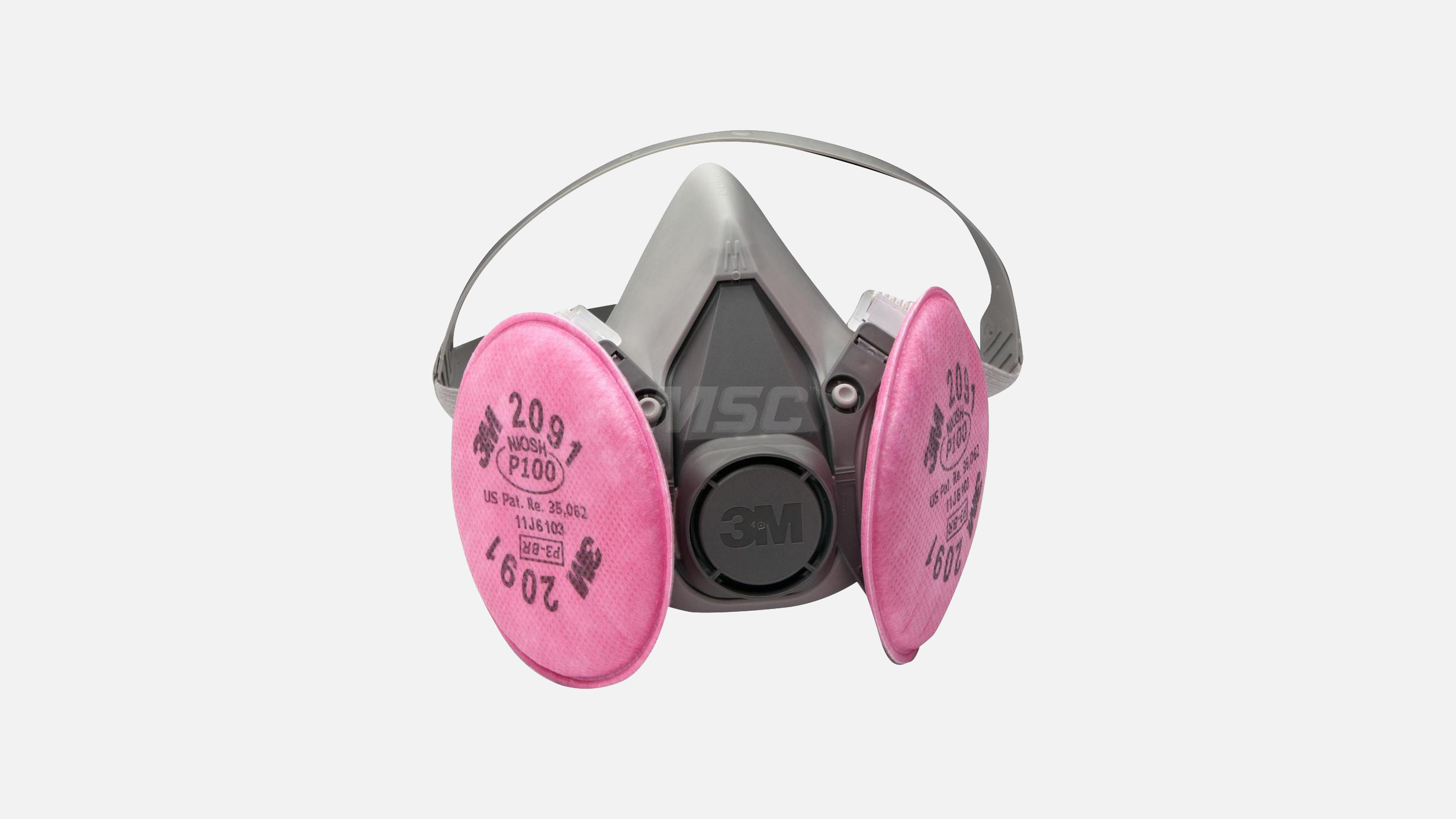
Air Purifying Respirators (APR)
Use filters, cartridges, or canisters to remove specific contaminants from the air.
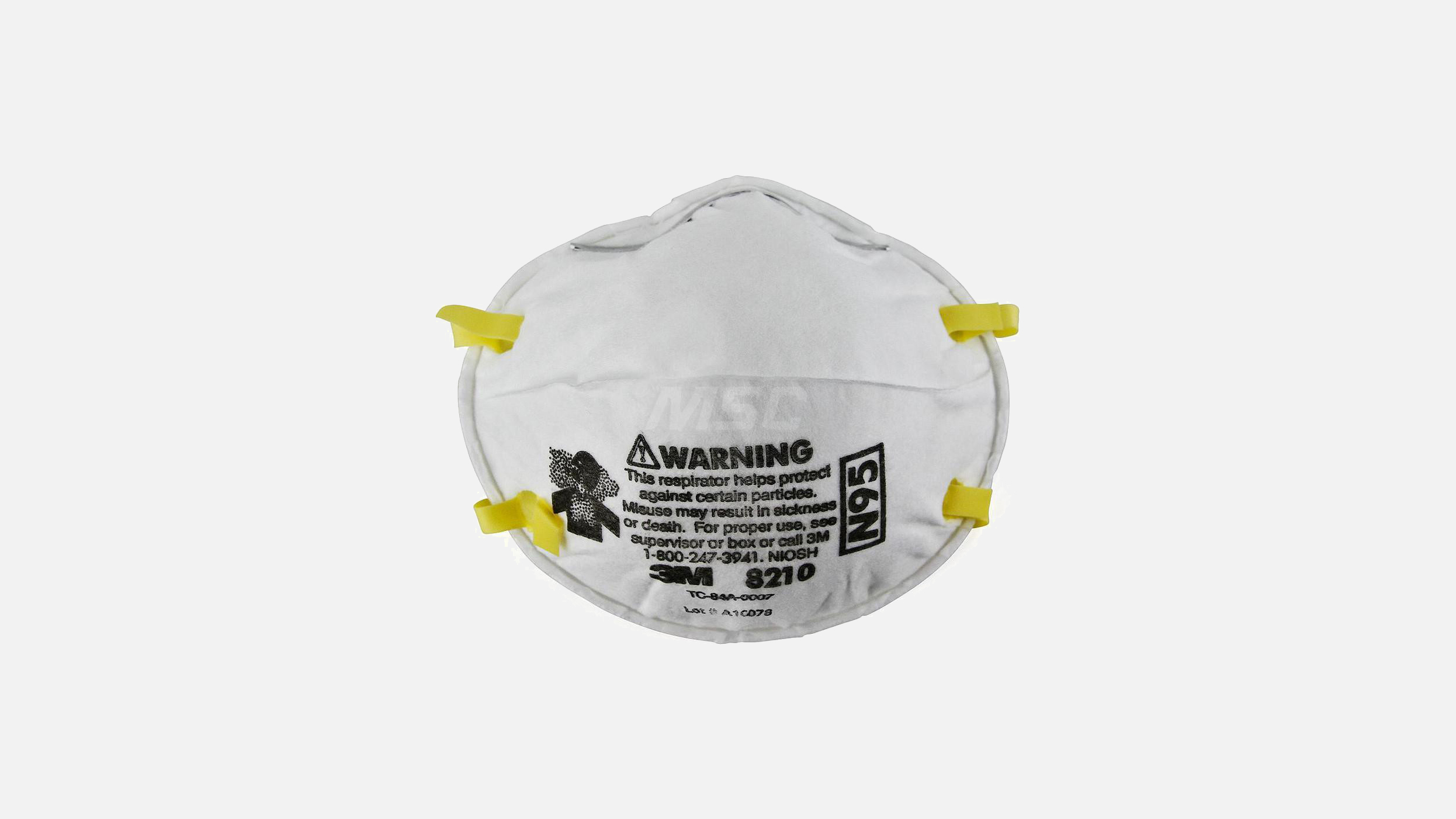
Filtering Facepiece Respirators (FFRs)
Also known as dust masks, these have built-in filters as part of the facepiece.
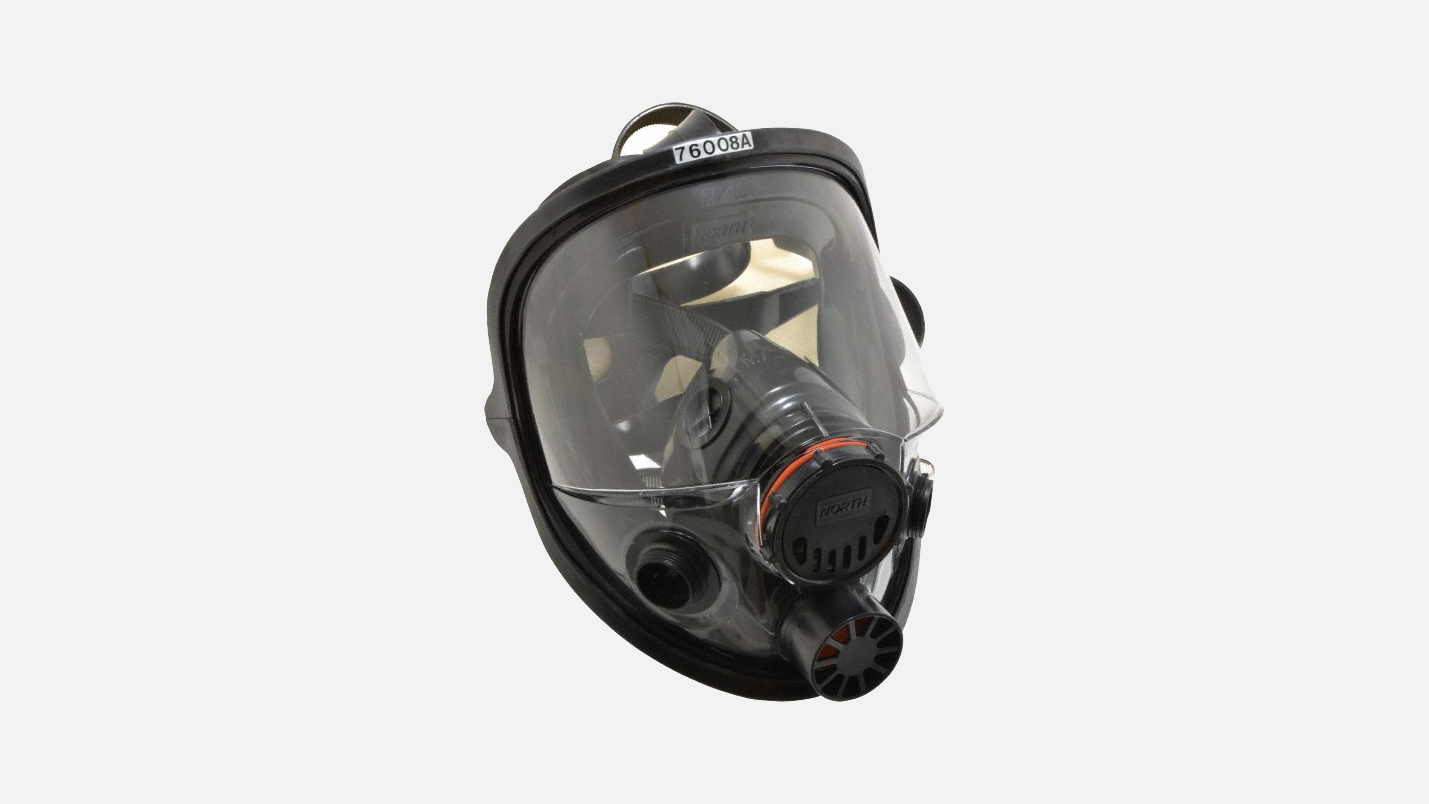
Full Facepiece Respirators
Seal around the entire face and offer greater protection by also covering the eyes.
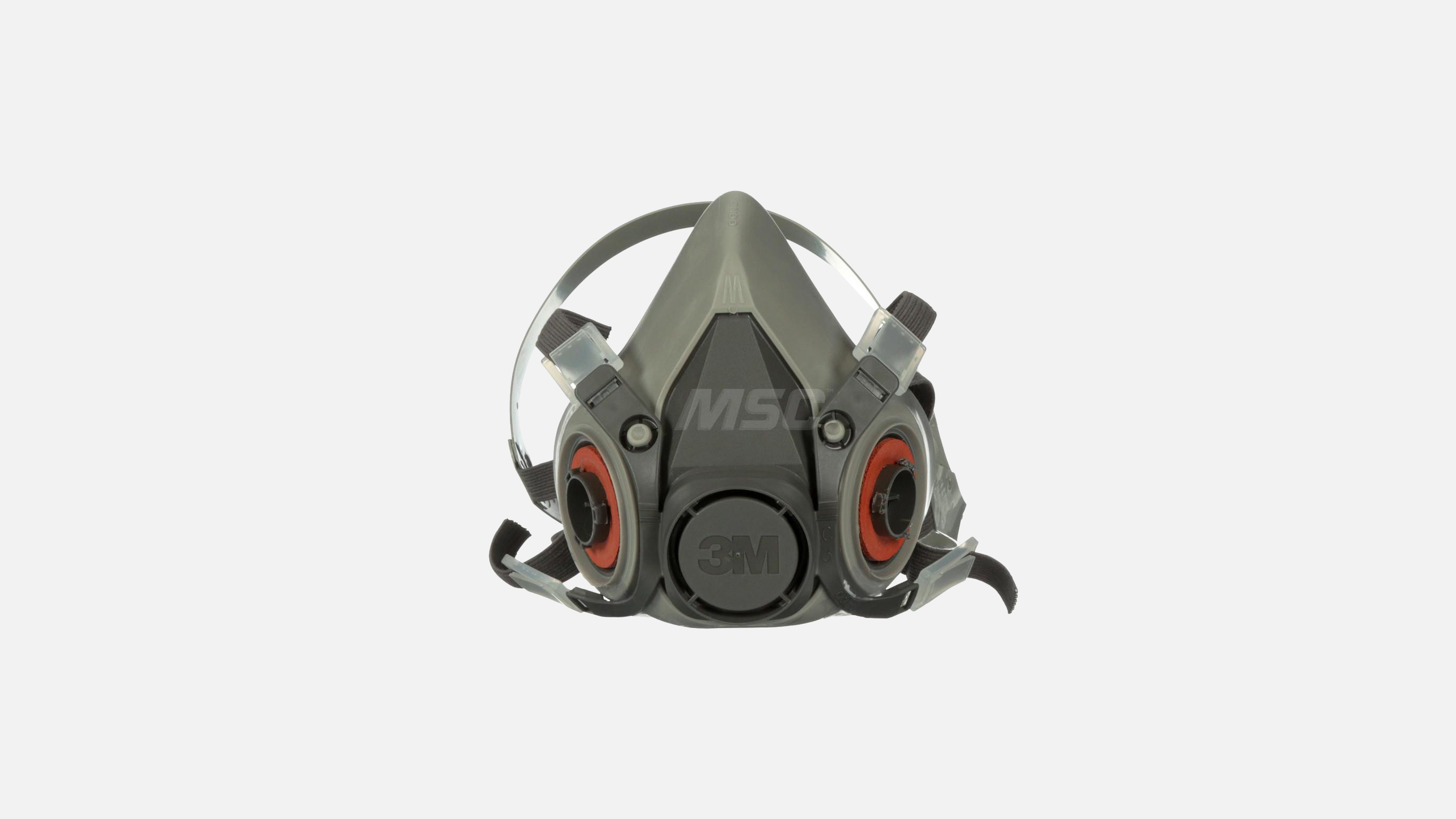
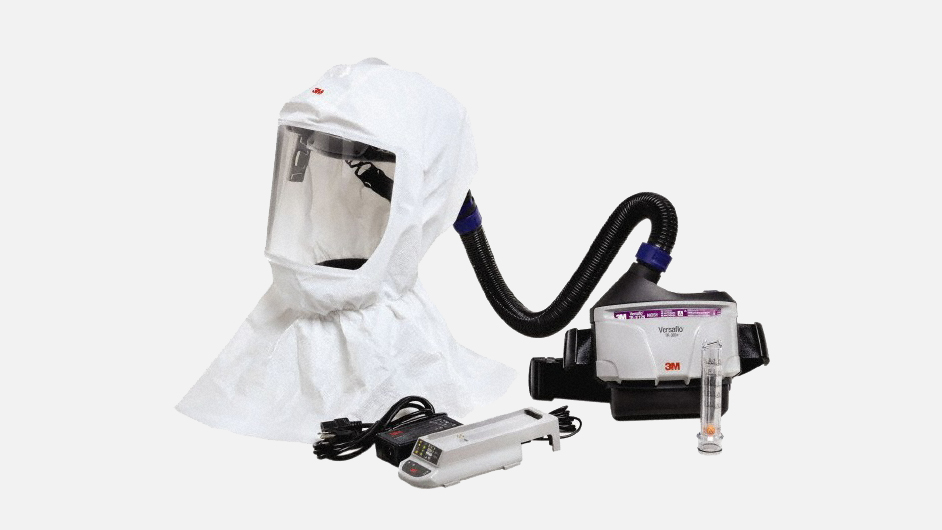
Powered Air-Purifying Respirators (PAPRs)
Use a battery-powered fan to deliver filtered air to a hood or helmet.
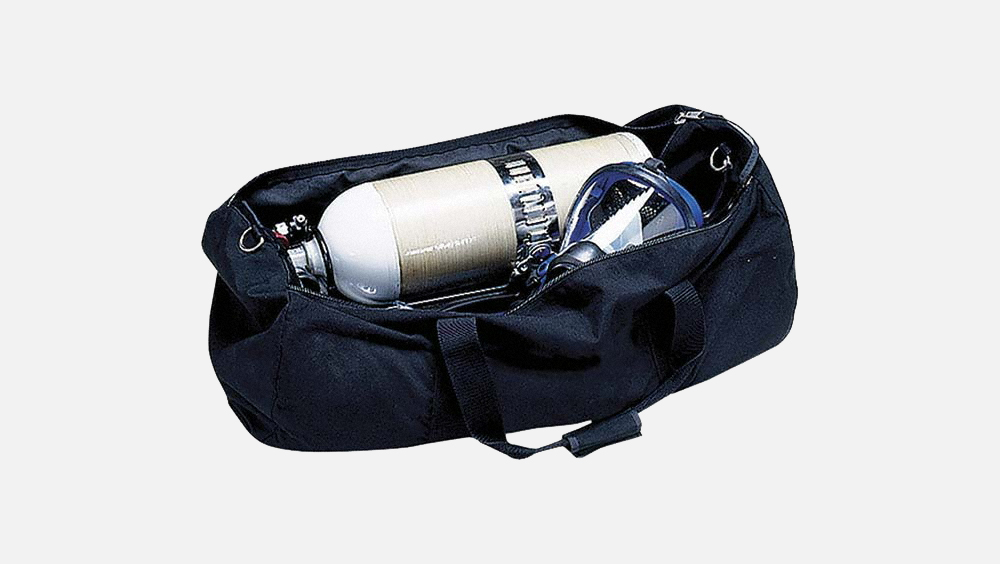
Self-Contained Breathing Apparatus (SCBA)
Provide breathable air from a tank carried by the user; required in immediately dangerous to life or health (IDLH) conditions.
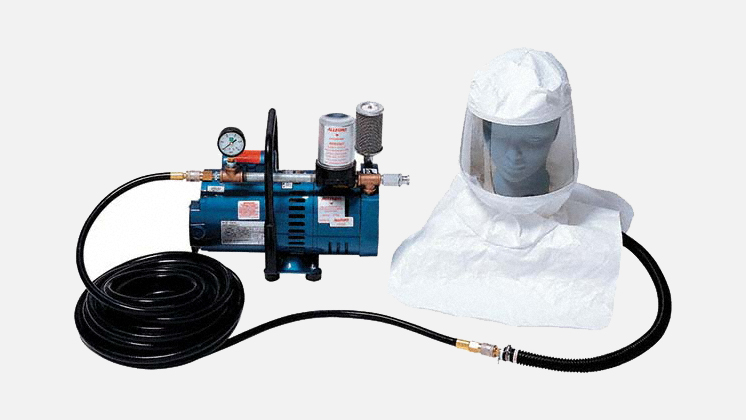
Supplied Air Respirator (SARs)
Deliver clean air from a remote source such as a high-pressure compressor, low-pressure pumps, or cylinders (bottled air) to the wearer′s hood or helmet.
How to Choose the Right Respirator
Consider the following factors when selecting a respirator for respiratory protection:
Additional Considerations for Respiratory Protection
Filters and Cartridges
Particle Filters
Particle filters are a key component of respiratory protection, designed to capture airborne particles such as dust, fumes, and mists. Filtering facepiece respirators and filters for negative pressure respirators are rated by NIOSH both according to their filtration efficiency and whether or not they are designed to filter oily mists.
NIOSH Filter Classifications:
N - Not resistant to oil. Suitable for environments without oily mists (e.g., dust from sanding or grinding non-oily materials).
R - Resistant to oil. It can be used for up to 8 hours in the presence of oily mists.
P - Oil-proof. Refer to manufacturer guidelines for specific time limits.
Each filter is also assigned an efficiency rating:
95 – Filters at least 95% of airborne particles.
99 – Filters at least 99% of airborne particles.
100 – Filters at least 99.97% of airborne particles (comparable to HEPA filtration).
Filters are labeled accordingly, such as:
N95 – Not oil-resistant, 95% filtration efficiency.
P100 – Oil-proof, 99.97% filtration efficiency.
OSHA requires 100-level filters for certain toxic substances, including lead, cadmium, arsenic, asbestos, and 4,4'-Methylenedianiline (MDA).
HEPA Filters for Powered Air-Purifying Respirators (PAPRs):
High-Efficiency Particulate Air (HEPA) filters are used with PAPRs and offer 99.97% filtration efficiency, making them ideal for high-risk environments requiring advanced respiratory protection.
Chemical Cartridges
Chemical cartridges are essential components of respiratory protection systems designed to filter out specific gases and vapors from the air. Common contaminants that require chemical cartridges include:
Organic vapors (e.g., solvent vapors)
Acid gases (e.g., chlorine, sulfur dioxide)
Ammonia and methylamine
Formaldehyde
To stay compliant with OSHA respiratory protection standards, employers must implement a cartridge change schedule. This can be based on:
An End-of-Service-Life Indicator (ESLI), if available, or
An estimated service life, calculated using tools provided by OSHA or cartridge manufacturers based on exposure conditions (e.g., concentration, humidity, temperature).
Important: When both particulate and gas/vapor hazards are present, a combination of a gas/vapor cartridge and a particulate filter is often required.
Some particulate filters may include a small amount of activated carbon to capture nuisance-level vapors, which are levels that are detectable by smell but are below established exposure limits.
Other OSHA Respirator Requirements
To comply with OSHA’s respiratory protection standard (29 CFR 1910.134), employers must implement a comprehensive program that includes the following components:
Written program with site-specific procedures.
Medical evaluations (not required for voluntary use of filtering facepieces).
Annual fit testing of tight-fitting respirators (not required for voluntary use of respirators).
Users must perform a seal check every time they wear a tight-fitting respirator to confirm proper fit.
Cleaning, maintenance, inspection, and storage.
Training of employees ("Appendix D" to 29 CFR 1910.134 is available for voluntary use of respirators).
Evaluation of respirator program effectiveness.
To request a quote, please login to your existing account or register a new one. This helps us provide you with a personalized experience and keep track of your requests.