



Short sockets are ideal for tight spaces or hard-to-reach bolt heads. They are about 20% shorter than standard sockets and typically available in 6-point configurations.
Basics of Sockets: Types, Sizes, and Accessories
Sockets attach to hand tools, such as socket wrenches, to tighten or loosen nuts and bolts. Different socket types are used based on size requirements or limited access. For hard-to-reach areas, specialized sockets allow access without damaging the tool or application. This guide covers the various socket types and their available sizes.
High-quality hand sockets are made from alloy steel and engineered with tight tolerances, allowing for a strong, thin-wall design ideal for fasteners near obstructions. Using the correct socket enhances efficiency when tightening or loosening nuts and bolts.
Choosing The Correct Socket
Several factors must be considered:
Inch (SAE) or Metric
The SAE (Society of Automotive Engineers) sets standards based on fractional sizes. Selecting the correct size helps prevent damage to fasteners and ensures proper torque is applied.
Drive Size
Drive size should be based on the required torque and accessibility of the fastener. Smaller drive sizes (1/4", 3/8") are ideal for tight spaces and smaller fasteners, while larger drive sizes (1/2", 3/4", 1") provide more leverage for larger fasteners.
Point Size
Indicates the number of contact points on a fastener, with 6-point and 12-point being the most common.
4 and 8 Point: primarily used on square fasteners.
6-point: These sockets are designed for hex head fasteners and are ideal for stubborn or worn bolts. Their thicker walls and larger contact area reduce the risk of stripping and allow access to recessed or tight spaces due to a smaller overall diameter.
12 Point: easiest to position for rapid seating on 6 Point hex head fasteners; however, 12 Point sockets can lead to rounding-off of seized or low-strength fasteners, making removal extremely difficult.
Sockets are available in short, standard, and deep lengths to suit different applications.
Types of Sockets
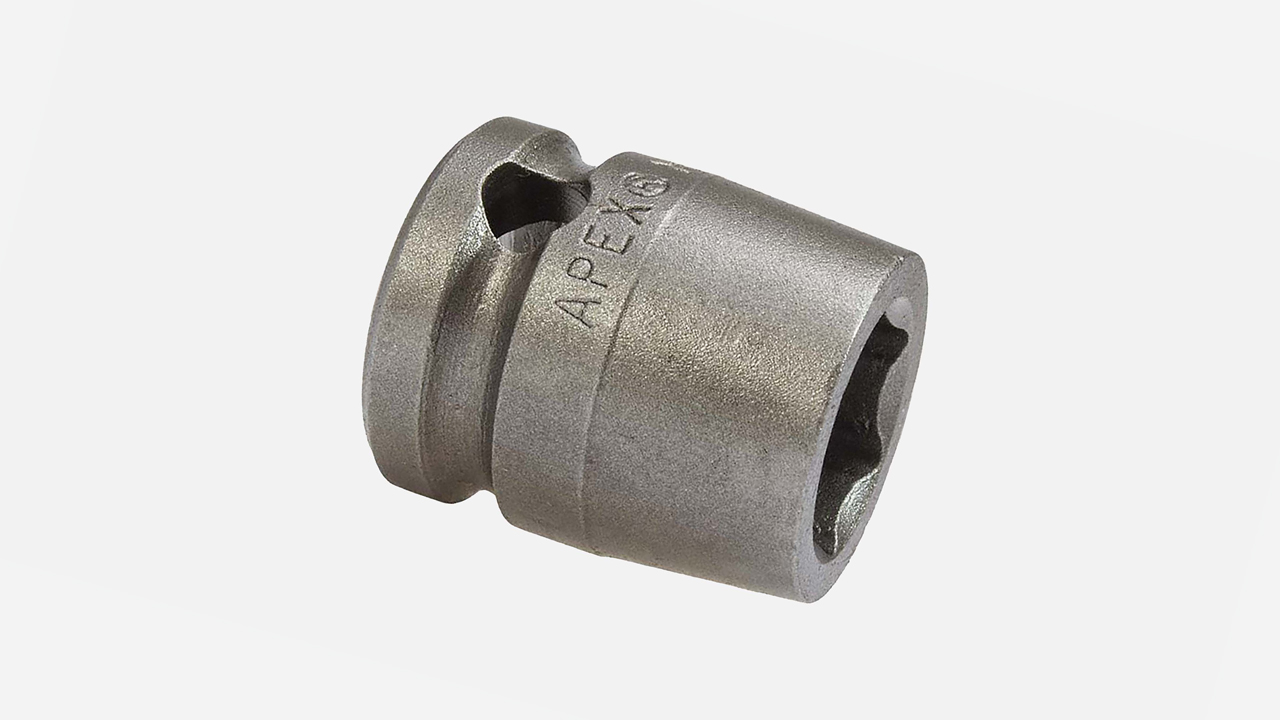
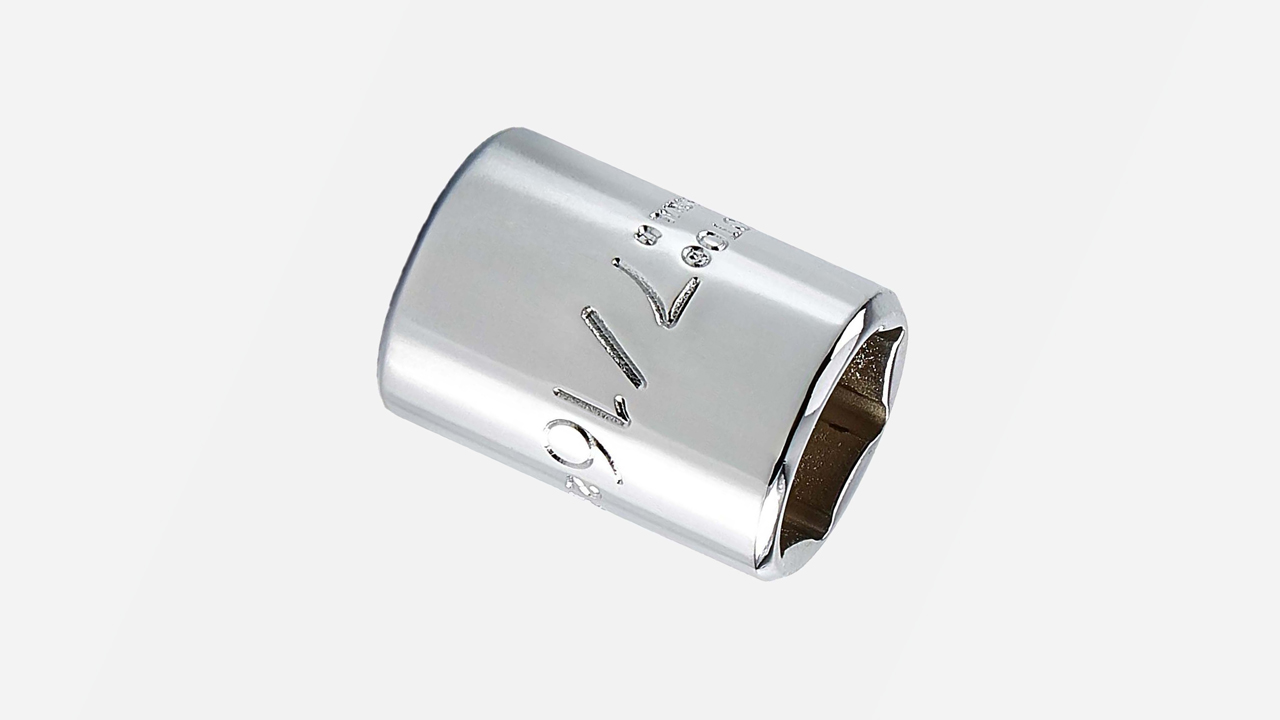
Standard-Depth Sockets
These sockets are the most commonly used and are suitable when fastener access is not restricted. They are available in 4-, 6-, 8-, and 12-point configurations.
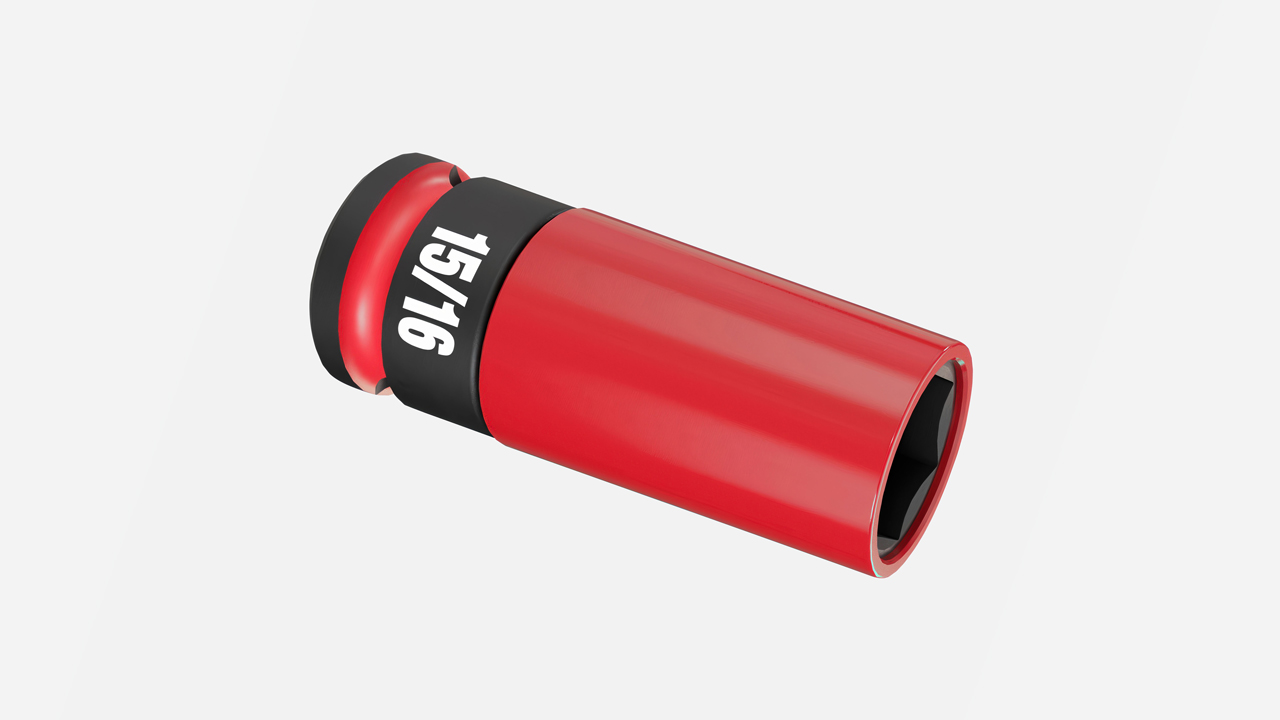
Deep Sockets
Designed to access recessed fasteners or accommodate bolts with extended threads, reducing the need for extensions. Available in 6- and 12-point configurations.
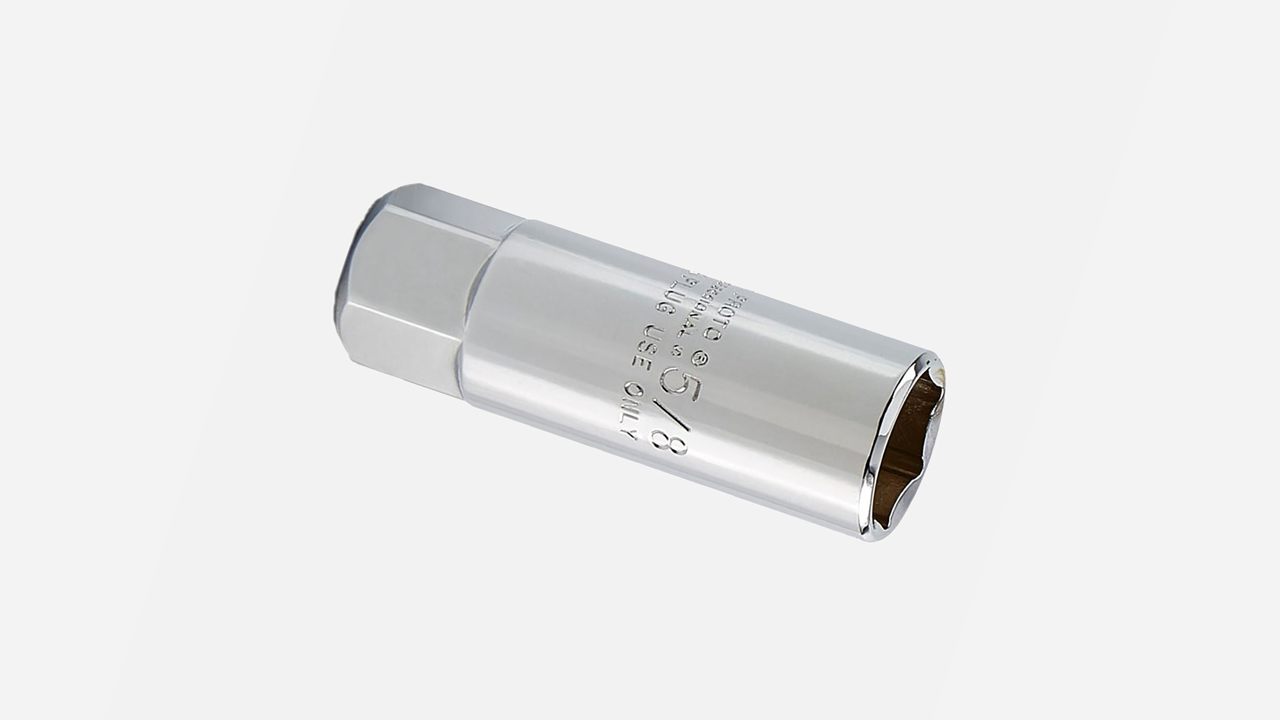
Spark Plug Sockets
Specifically designed for installing and removing spark plugs, with a protective interior that prevents damage to the ceramic tip. Available in a 6-point configuration.
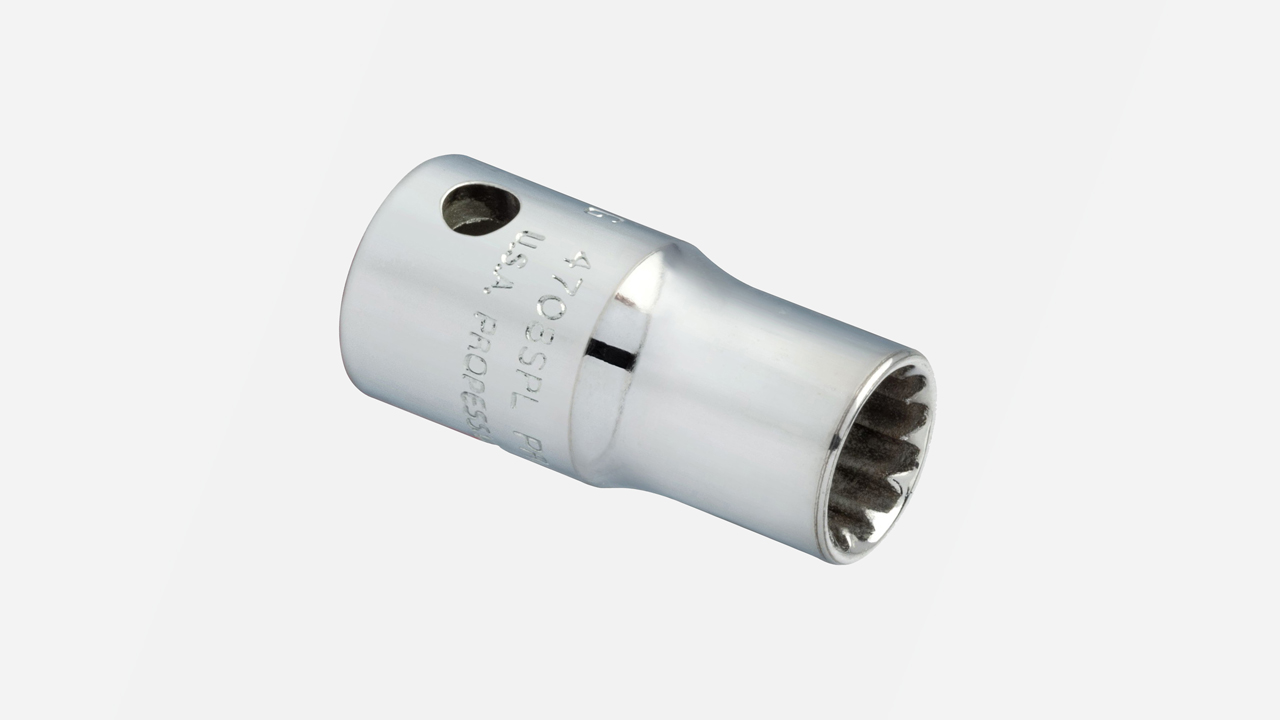
Spline Sockets
Compatible with spline fasteners as well as 4-, 6-, and 12-point fasteners. Their design offers higher strength in a compact profile, allowing more torque without damaging the tool, fastener, or equipment. Commonly used in military and aerospace applications, spline sockets are available in standard and deep lengths.
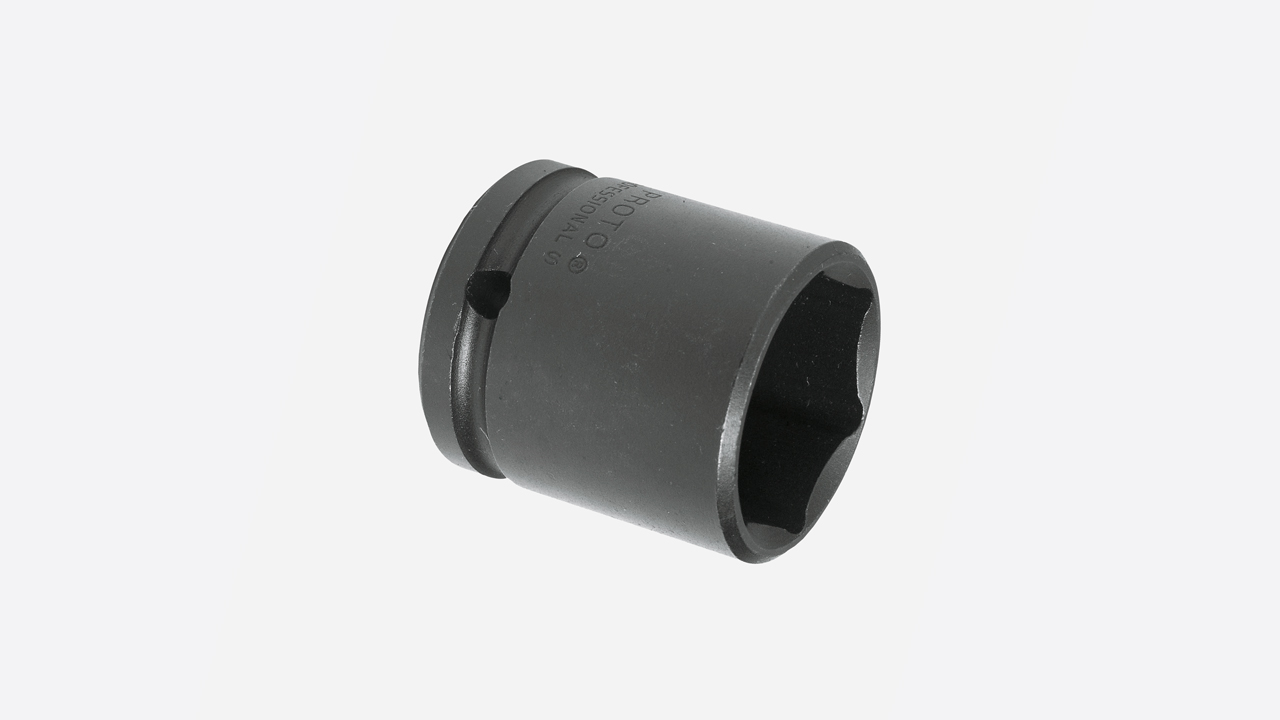
Impact Sockets
Built for use with power tools to apply higher torque to fasteners. They feature thicker walls to absorb shock and vibration and include through-holes for retaining rings and pins to secure the socket. Typically finished in matte black for easy identification.
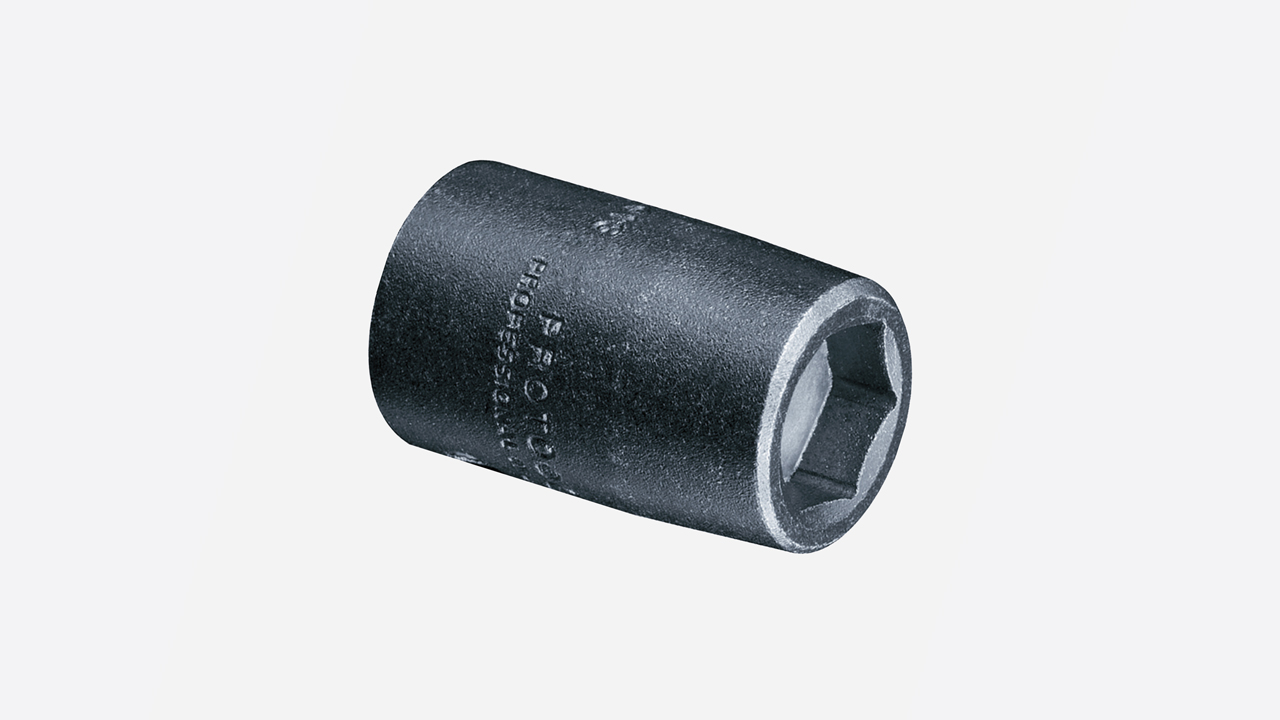
Power Sockets
Designed for use with power drivers, such as nut runners and multi-spindle machines. Many feature magnetic tips for fastener retention. They are not intended for use with impact tools.
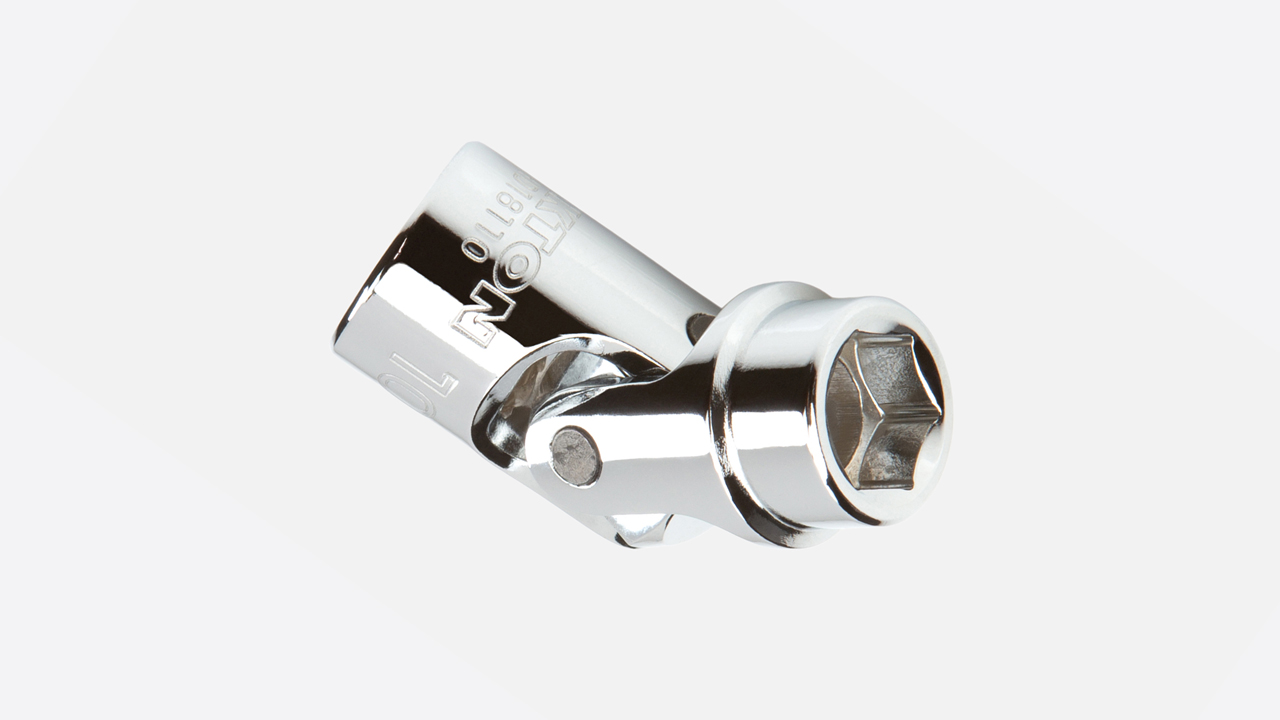
Universal Sockets
Feature a two-piece design with a flexible coupling and drive end, allowing access where straight-in applications aren't possible. They enable turning at angles up to 65° and are available in standard and deep lengths, with 6- and 12-point options.
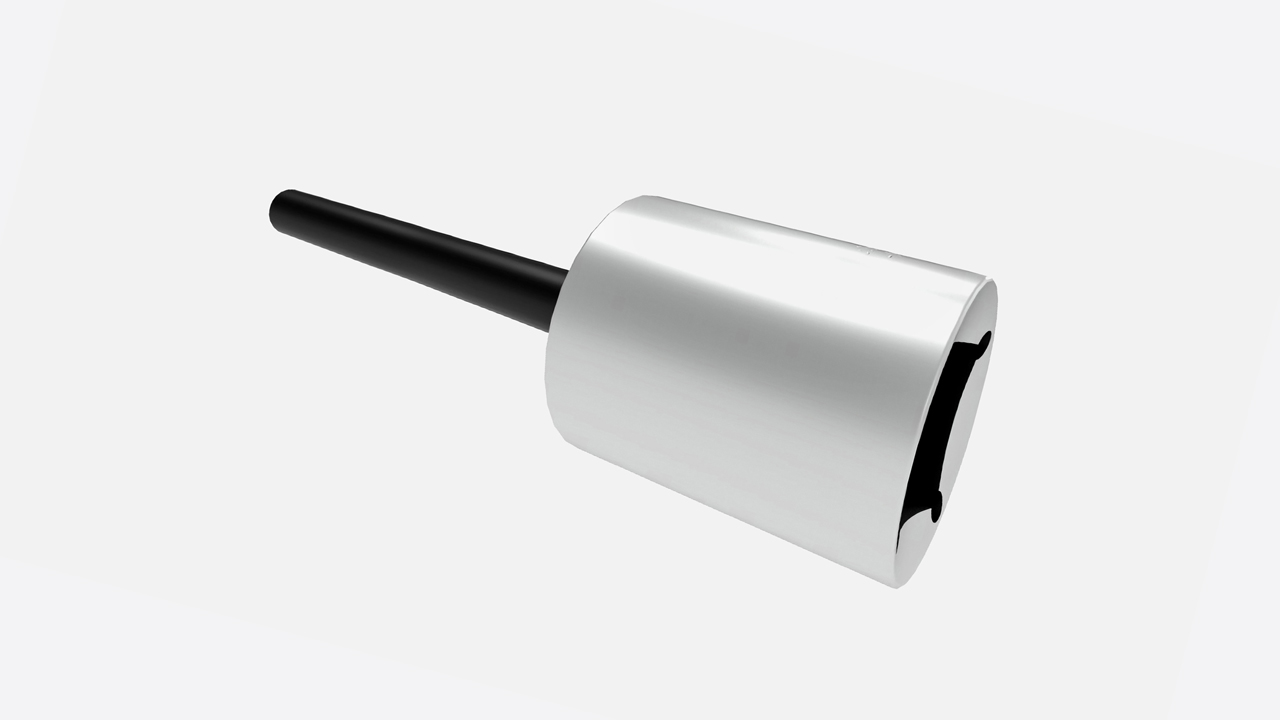
Bit Sockets
These sockets combine a socket with a fastening tip, such as slotted, Phillips®, hex, or Torx®. They are available in 1/4", 3/8", and 1/2" drive sizes.
Socket & Ratchet Accessories
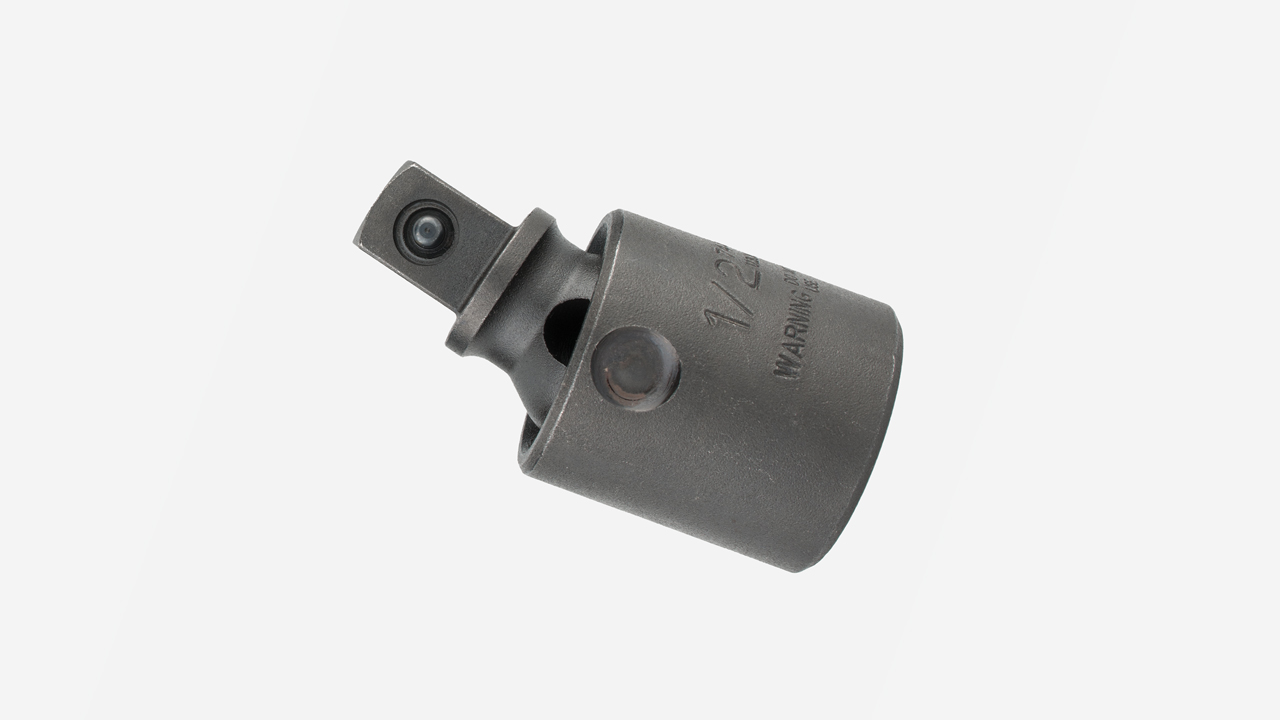
Universal Joints
These joints are flexible connectors placed between a ratchet and socket to reach fasteners in tight or awkward spaces. They feature matching male and female drive sizes and are available in 1/4" to 1" drive sizes.
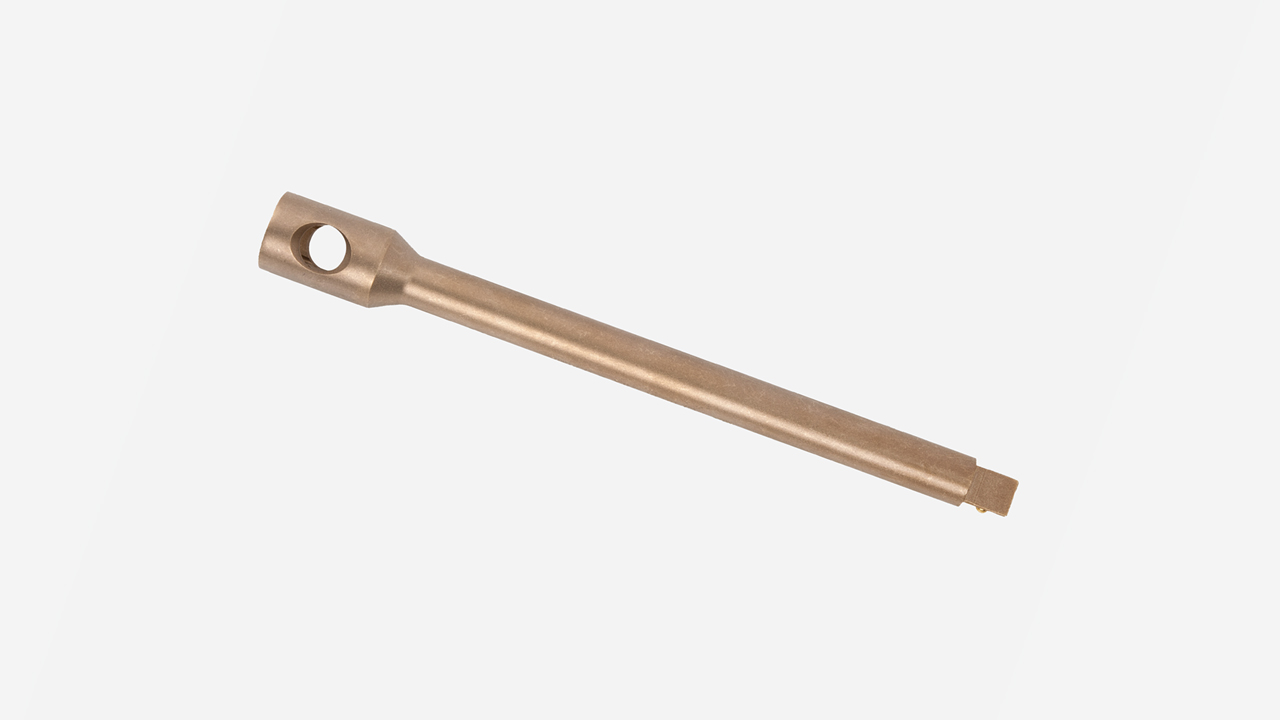
Extension Bars
Allow sockets to reach fasteners in deep or hard-to-access areas. Some common lengths include 3", 6", and 9". Locking extensions are also available, featuring socket retention to prevent accidental disengagement and a quick-release mechanism for convenience.
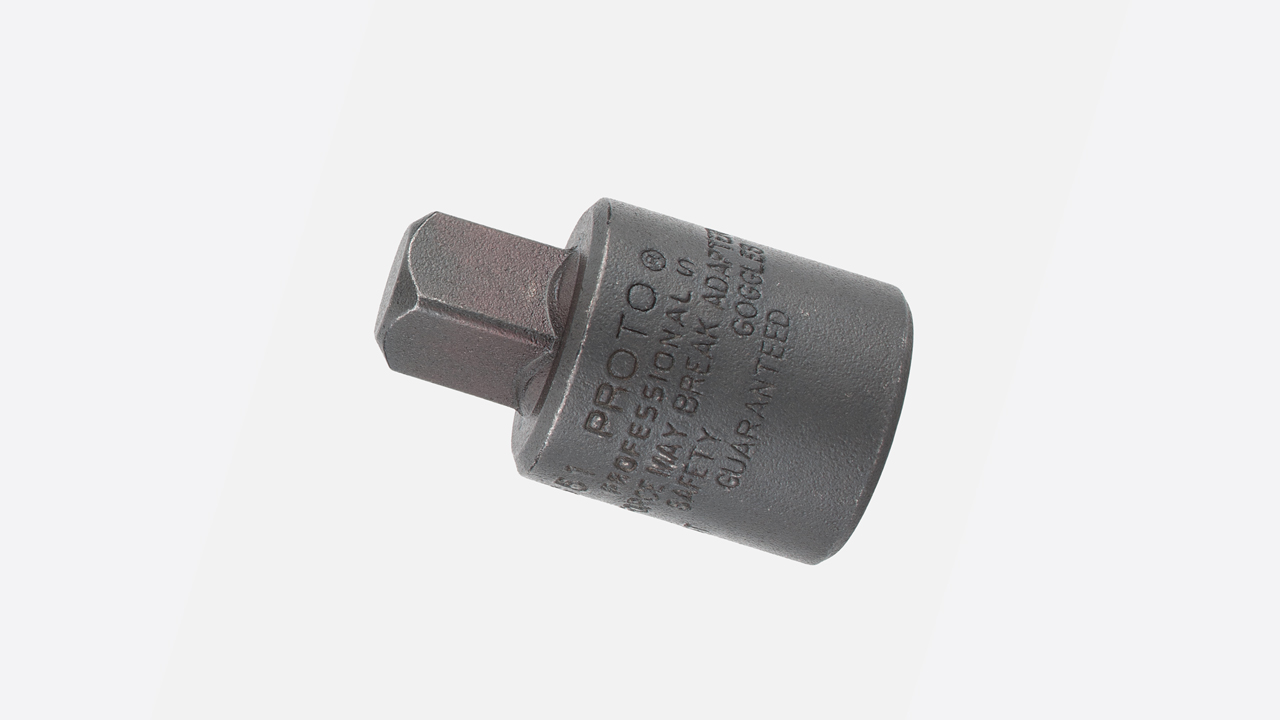
Drive Adapters
These adapters convert between different drive sizes. For example, to use a 1/4" socket with a 3/8" ratchet, a 3/8" female to 1/4" male adapter is required. They work best when adapting from small to larger drive sizes.
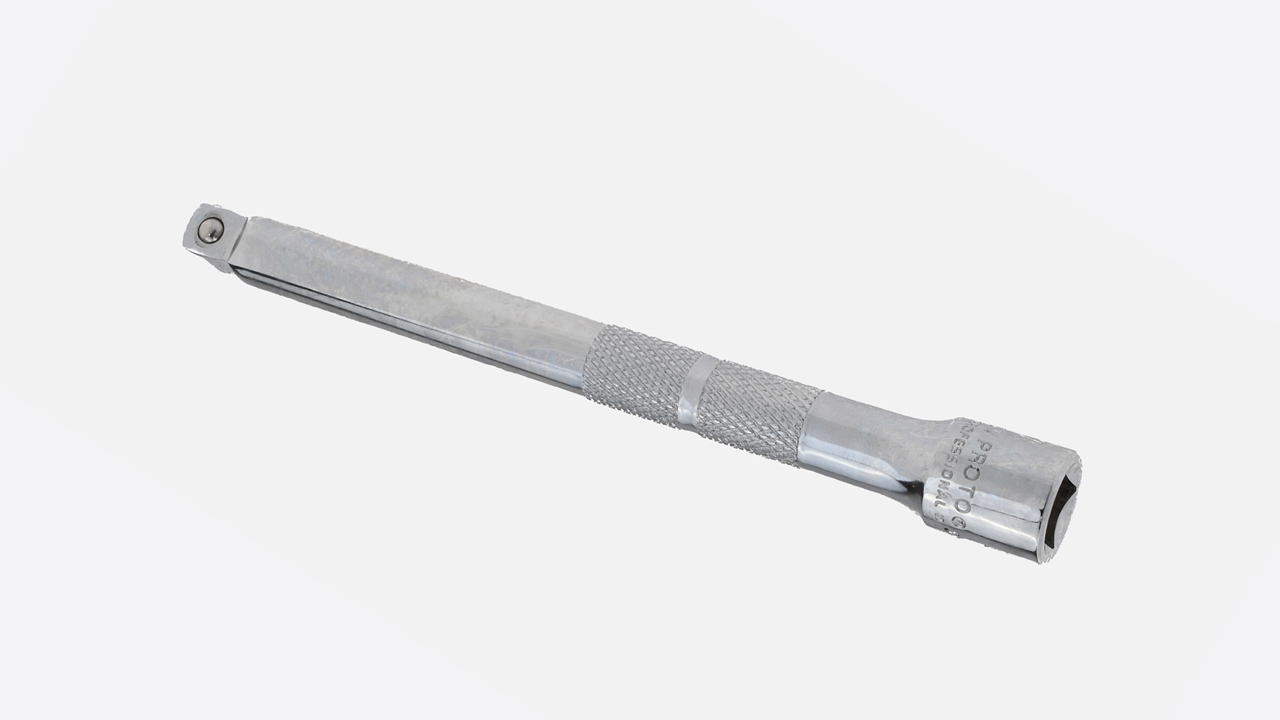
Wobble Bars
These bars are an alternative to extension bars, featuring a diamond-shaped head that allows sockets to flex at awkward angles for better access.
NOTE: Never use hand sockets with power tools; impact sockets are specifically designed for that purpose
To request a quote, please login to your existing account or register a new one. This helps us provide you with a personalized experience and keep track of your requests.