



These censoring devices measure parameters like temperature and humidity to ensure the environment is safe and properly insulated for operation. These probes provide an easy-to-read dial with numerical callouts, and some are even equipped with alarms to alert if the temperature is not correct.
Statistical Process Control: Measuring Guide to Finding Deviations
Measuring the manufacturing process in industrial applications is critical to product success. Tools like probes, amplifiers, and software enable effective statistical process control.
What is Statistical Process Control?
Statistical Process Control (SPC) uses statistical techniques to monitor and measure industrial or manufacturing processes. Similar to quality control, statistical process control equipment helps detect deviations from standard performance. Tools such as charts, graphs, and data analysis are used to ensure processes remain stable and within specifications.
Statistical process control is an umbrella term for quality systems that use statistical analysis and sampling (e.g., part feature measurements) to predict overall product or process quality. Unlike traditional methods, where entire batches were inspected post-production and defective parts discarded, statistical process control enables real-time monitoring and proactive control. While early SPC relied on manual charting and calculations, modern systems use electronic tools to streamline data collection and reduce costs.
Types of Statistical Process Control Equipment
Remote Displays and Counters
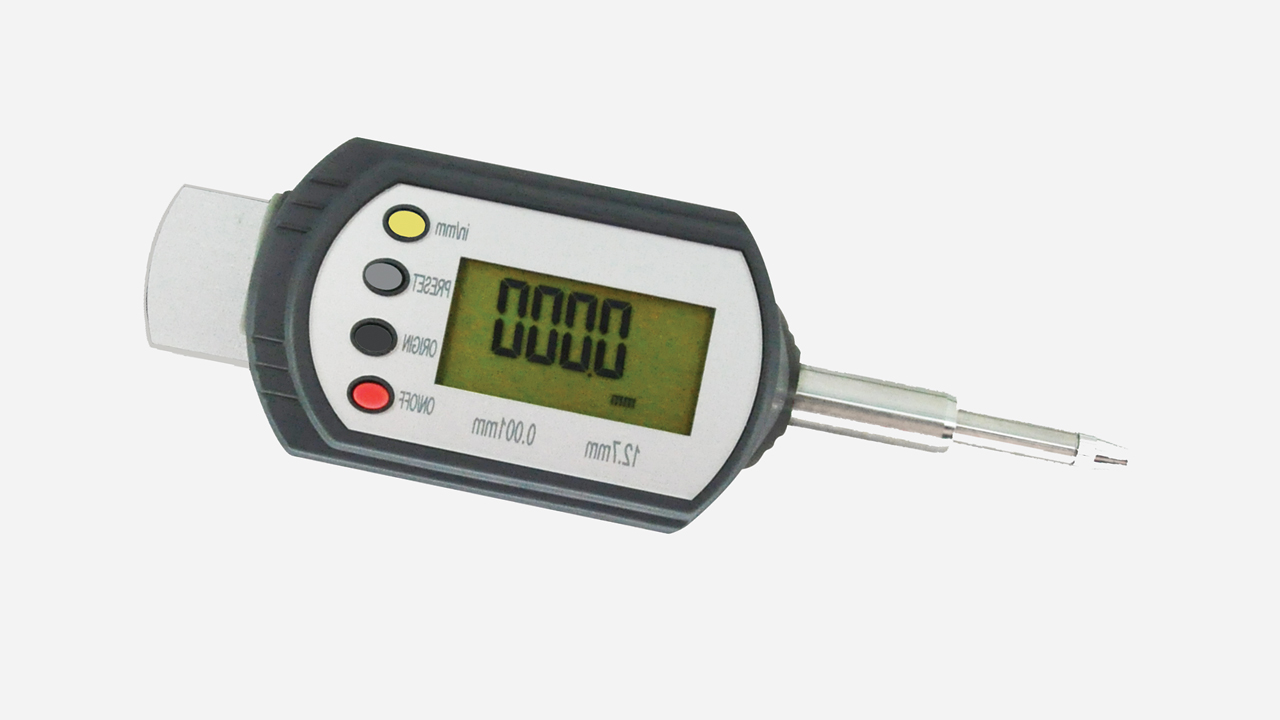
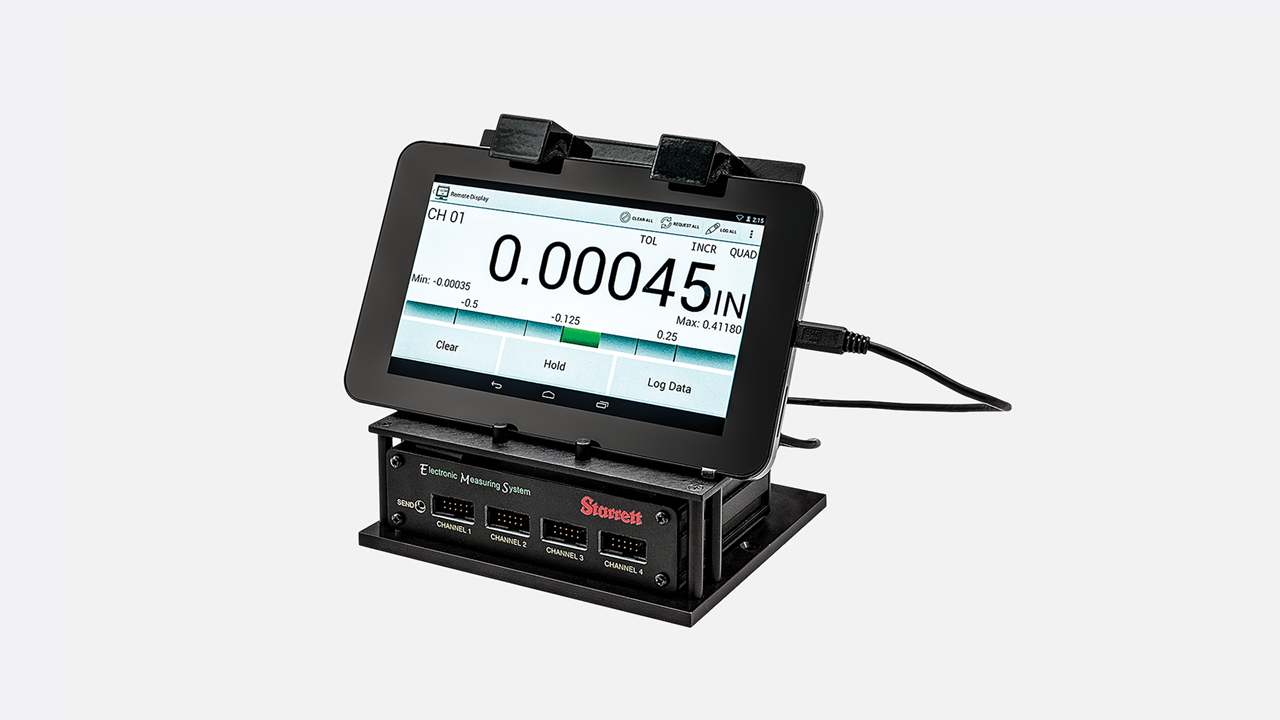
Remote counters and displays monitor real-time data and parameters across various environments—from tracking air particles in clean rooms to counting products on manufacturing lines. Once data is collected, it’s transmitted to a display, typically located in an office or control room. If abnormalities are detected, immediate action can be taken to resolve the issue and maintain efficient production.
Statistical Process Control Comparators, Data Processors & Amplifiers
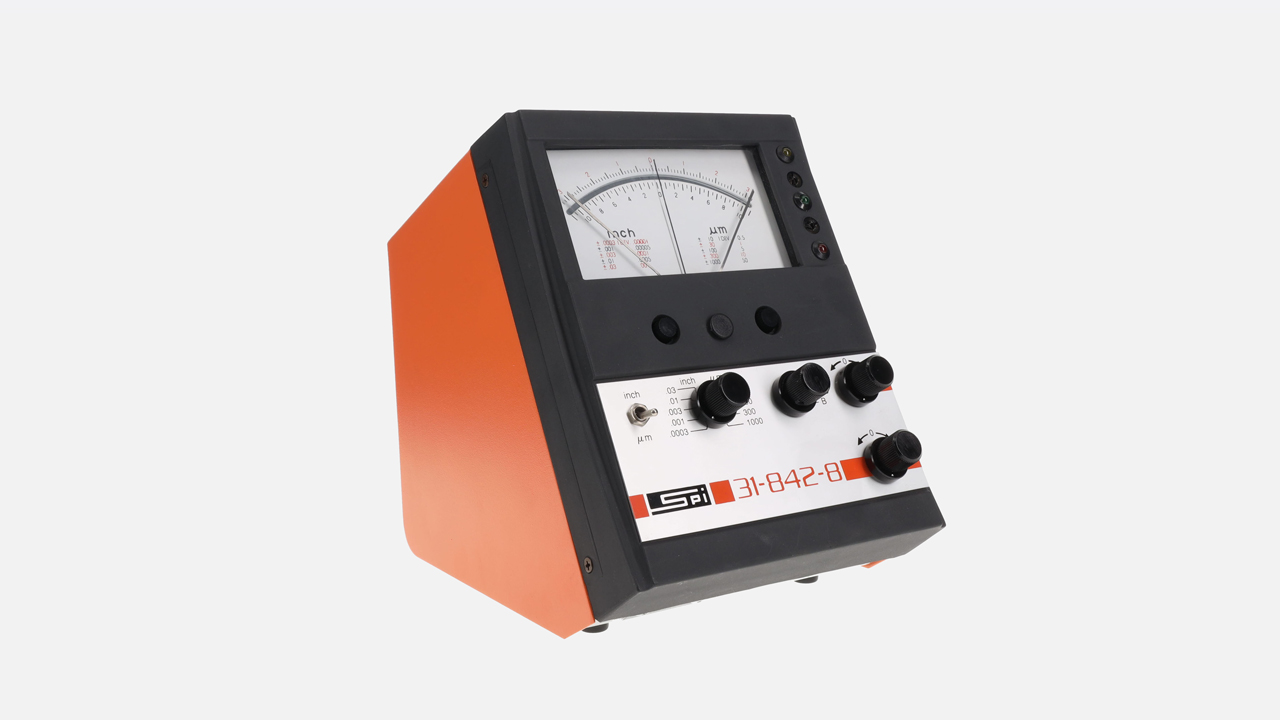
A statistical process control comparator measures an object’s dimensions against a predefined standard, using indicator lights—green for in-tolerance measurements and red for discrepancies. The SPC data system collects and analyzes data from the manufacturing process to ensure accuracy and identify areas for improvement. It also organizes the information into an easy-to-read display, allowing users to interpret what the machines are measuring and reporting quickly.
Statistical Process Control Data Collection and Processing System
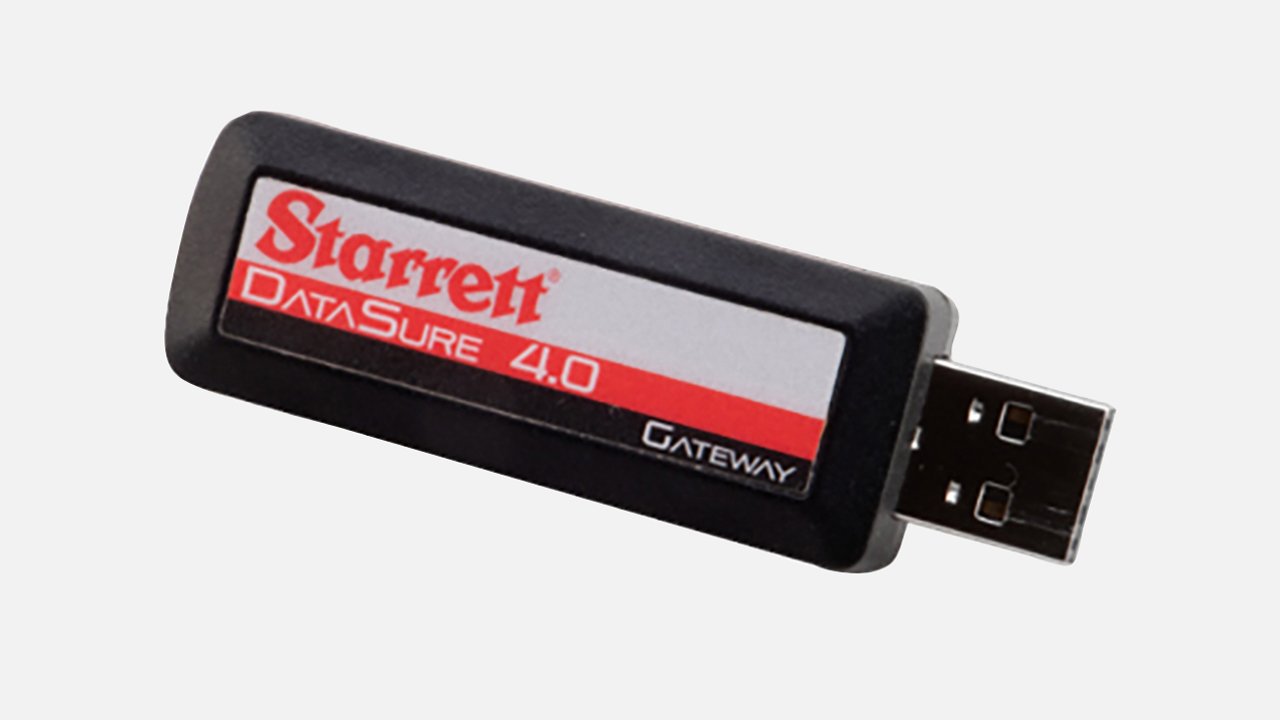
A statistical process control data collection system captures real-time manufacturing data and presents it in clear, easy-to-read charts. It helps identify problem areas and monitor for out-of-control signals that could lead to defects or damage. By establishing a baseline standard, the system ensures all subsequent production meets that benchmark. Any deviations are flagged immediately, allowing for quick corrective action.
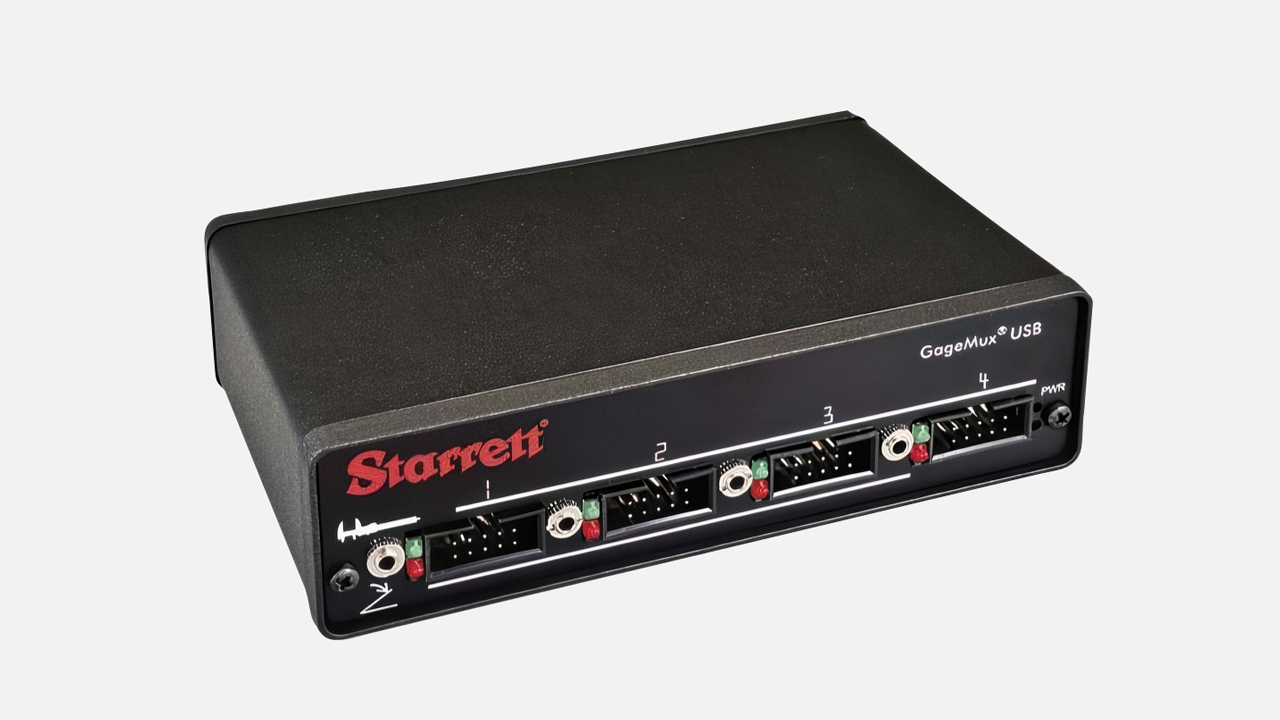
Statistical Process Control Multiplexer
A statistical process control multiplexer connects multiple industrial devices, such as scales and gauges, for centralized data collection. It transmits this data to an output, where SPC software sends it to a computer for processing and discrepancy detection. By reducing the need for excess hardware, multiplexers help lower costs and keep manufacturing spaces clean and organized.
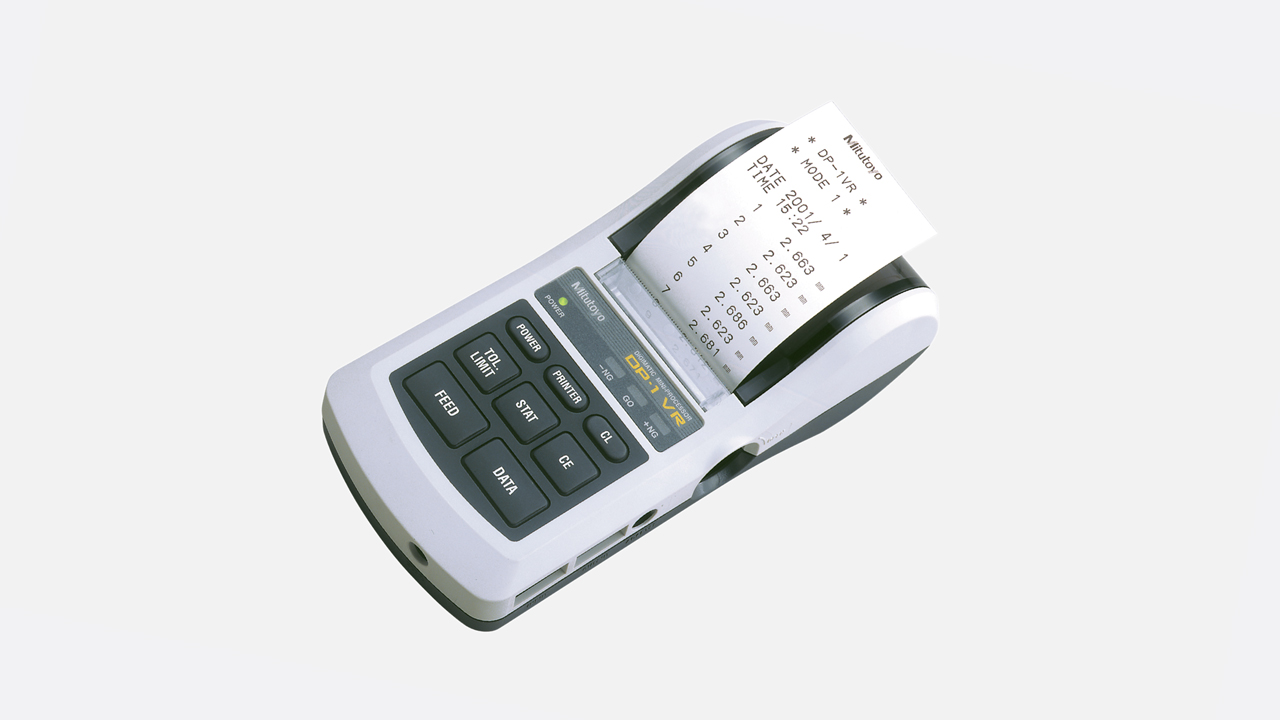
Statistical Process Control and Indicator Data Printers
Statistical process control and indicator data printers connect directly to weighing scales or other measuring devices to print real-time measurement data. This provides users with a clear, physical record of what’s being measured, including details, like product numbers or SKUs, for organized documentation. These printers can also output the standard baseline used for comparison, enabling immediate analysis and validation.
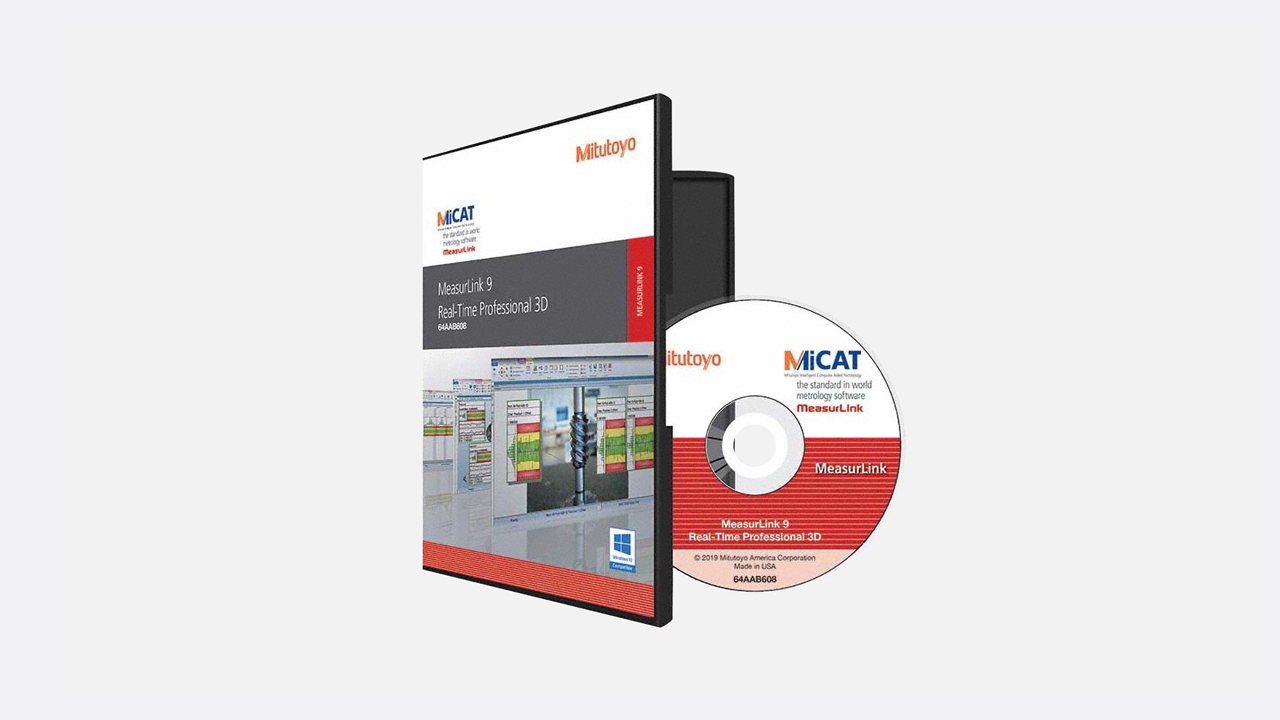
Statistical Process Control Software
Statistical process control software automates real-time data collection and processing, working with a computer to generate clear, easy-to-read charts and graphs. This allows users to analyze data for quality control and improve product consistency. All data is stored locally, providing a reliable reference point for baseline standards in future production.
To request a quote, please login to your existing account or register a new one. This helps us provide you with a personalized experience and keep track of your requests.