



Designed to store hundreds of pallets with varying load types and container sizes, as well as heavy bulk items handled by mechanical equipment. They maximize usable storage space both horizontally and vertically—without the need for building expansion.
Storage Racks Technical Information: Types and Uses
Storage racks are essential for maintaining a safe, organized, and efficient industrial space. Built from durable materials like metal and steel, they’re designed to support heavy loads, including tools and materials. By assigning designated spots for each item, storage racks simplify inventory management and make it easier to locate and count products.
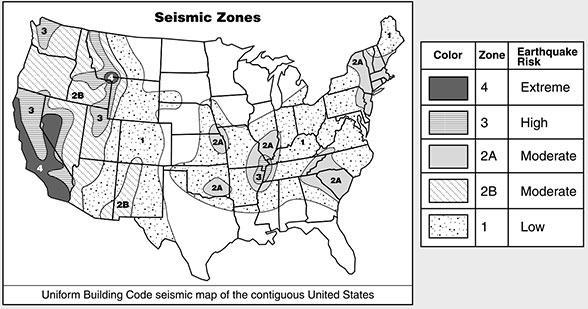
Racks are designed to store large and heavy unit loads—whether loose, in containers, or on pallets. Before placing an order, review seismic requirements, building codes, and local ordinances to ensure compliance.
The table and map below outline seismic zones from 1 (lowest risk) to 4 (highest risk), with stricter requirements as the zone number increases. Incorporating seismic design standards in rack systems is strongly recommended, especially in high-risk areas, to prevent catastrophic failure. Taller racks and high-density, narrow aisle systems further increase collapse risk, particularly in zones 3 and 4. For new construction or renovations in these zones, consult your local building department for the latest code requirements.
Seismic-rated racks are engineered differently from standard racking systems, offering enhanced resistance to seismic forces through specialized design and construction.
Types of Storage Racks
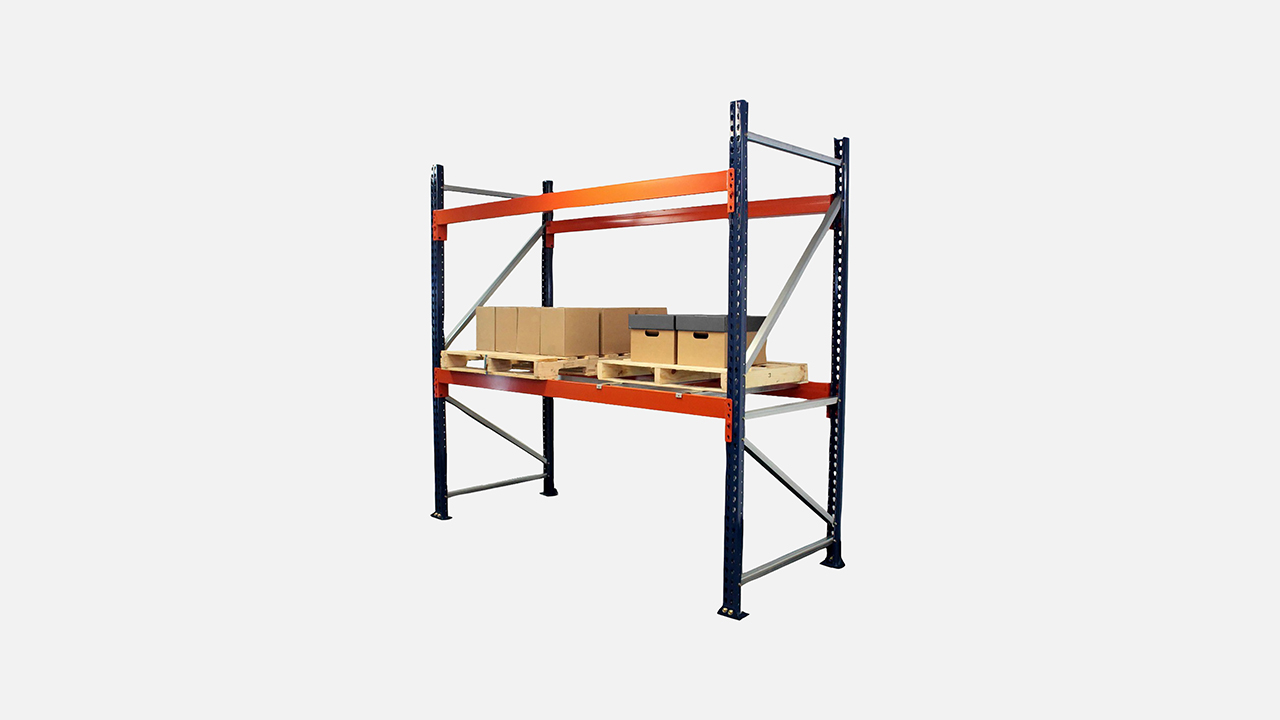
Pallet Racks
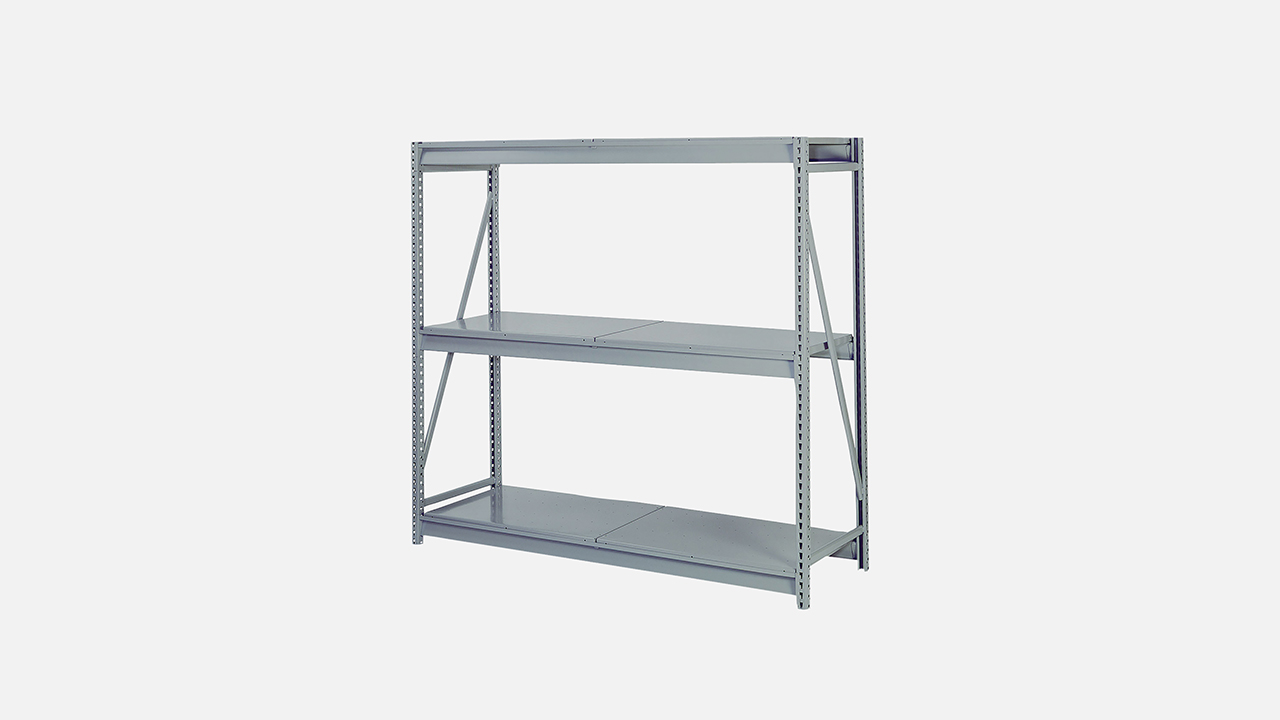
Bulk Storage Racks
Ideal for hand-loaded, medium-weight bulk items. Highly versatile, they’re commonly used as display racks in factories and warehouses, or for storing medical supplies in hospitals.
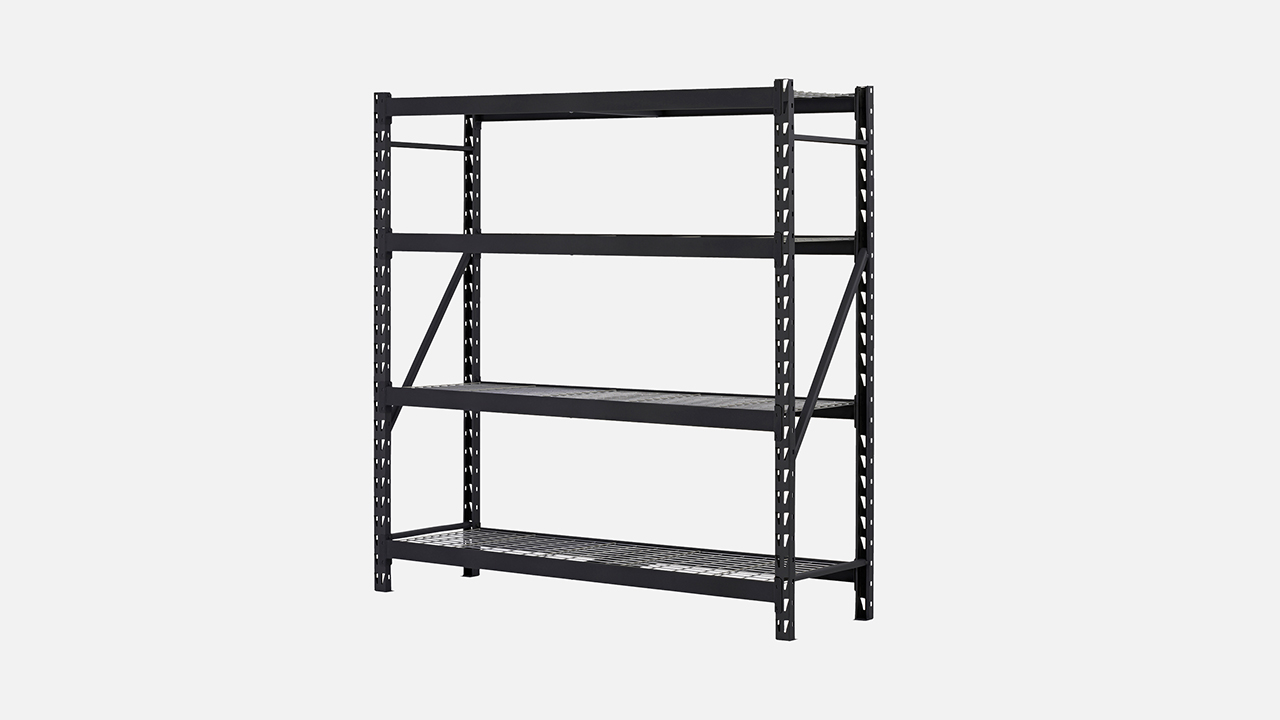
Welded Bulk Storage Racks
Built for greater load capacity, these heavy-duty racks are ideal for bulky items that require spacious shelving beyond the limits of standard pallet racks or conventional industrial shelving.
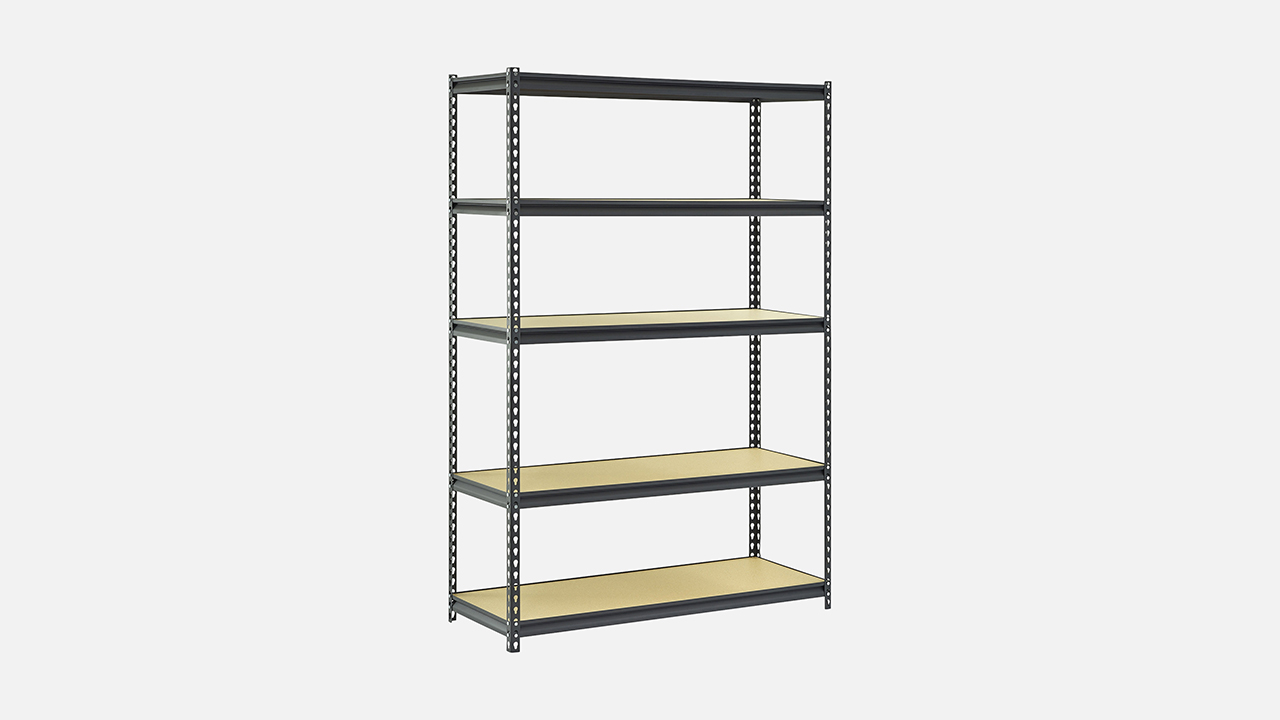
Boltless Storage Racks
Designed for lightweight, hand-loaded bulk items, these racks offer one of the most versatile and cost-effective storage solutions. They feature quick, bolt-free assembly and provide four-sided access. Ideal for record storage, bulky items, warehouses, and shipping areas.
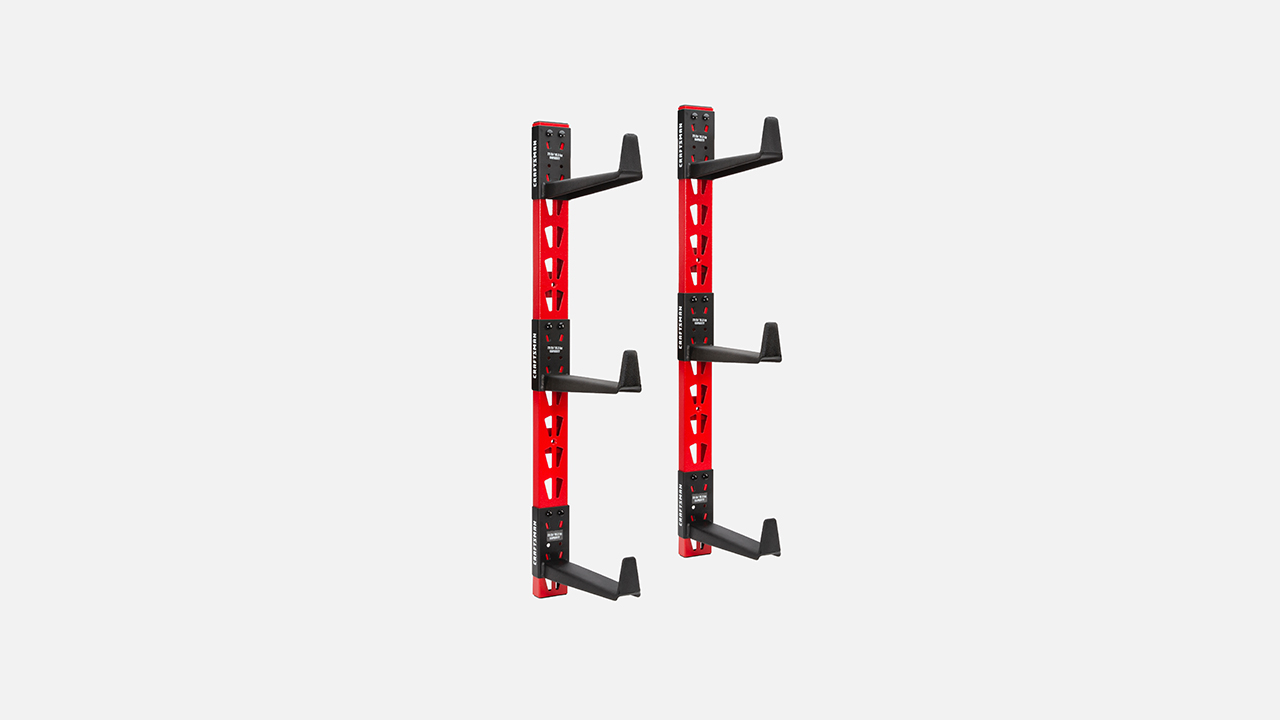
Cantilever Racks
Engineered for heavy-duty storage of long, bulky materials such as sheets, bars, pipes, tubing, or lumber. Suitable for loading by hand or with mechanical equipment.
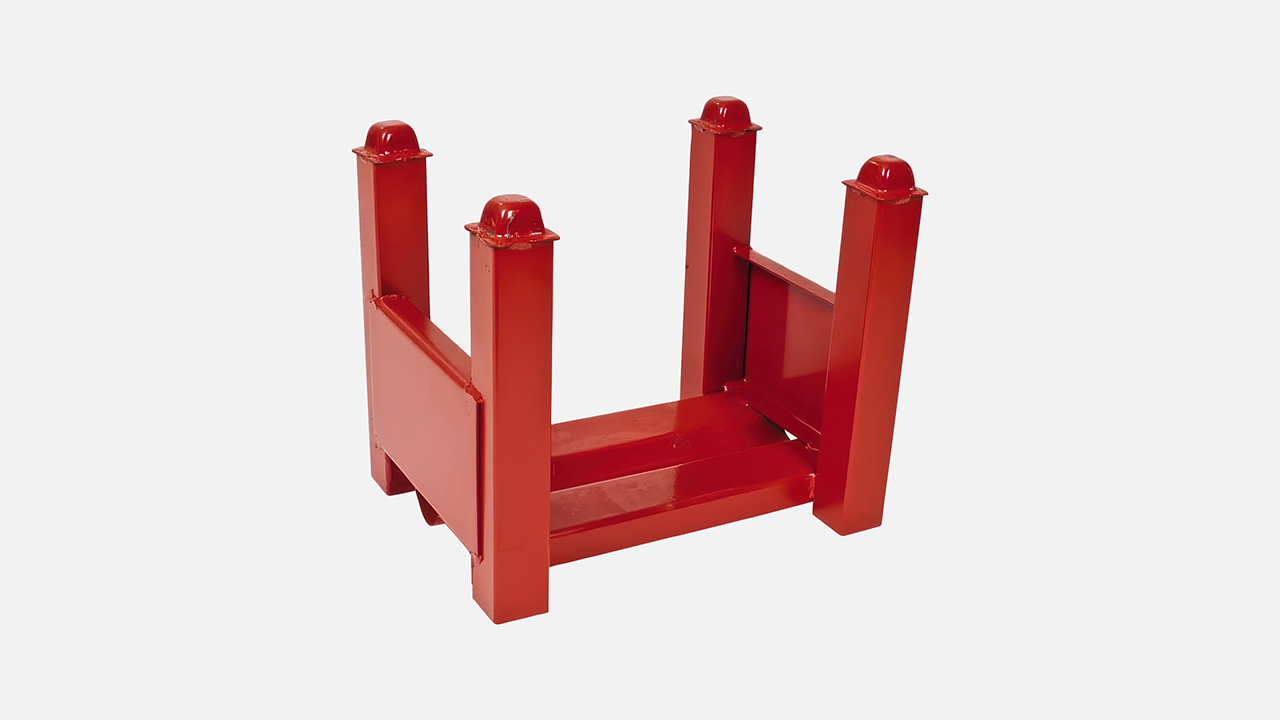
Modular Portable Bar Stacking Racks
Ideal for oversized, bulky items that can be safely stacked without risk of compression damage. This cost-effective storage solution offers quick and convenient material access, easy installation, low maintenance, and efficient use of space.
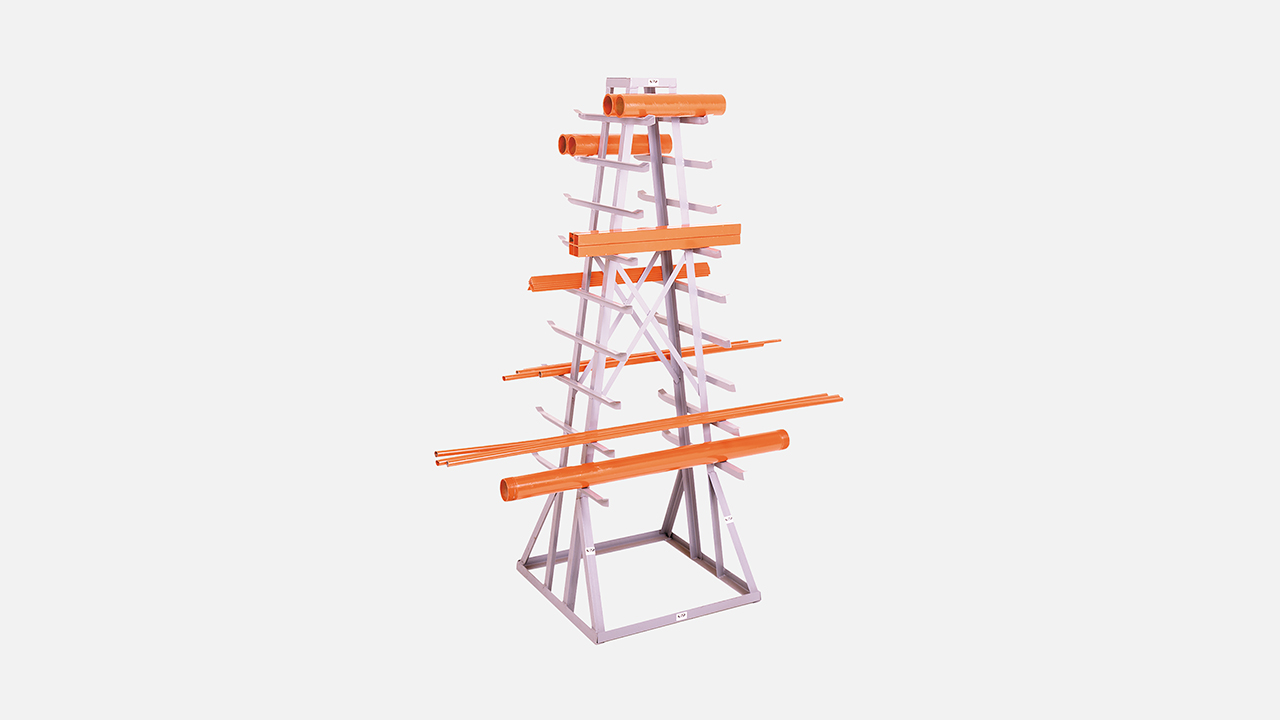
Horizontal/Vertical Bar Racks
Designed for light-duty storage of long materials. Ideal for maintenance departments, tool rooms, storage areas, and machine centers.
Vertical Racks: Maximize floor space by efficiently storing and displaying long stock, short parts, or boxes. Rack arms extend beyond the shelf to create built-in dividers for organized storage.
Horizontal Racks: Can be used as standalone storage islands or arranged in continuous rows. Angled arms prevent items from rolling off, while the pyramid design enhances stability. For longer materials, multiple units are recommended for added support.
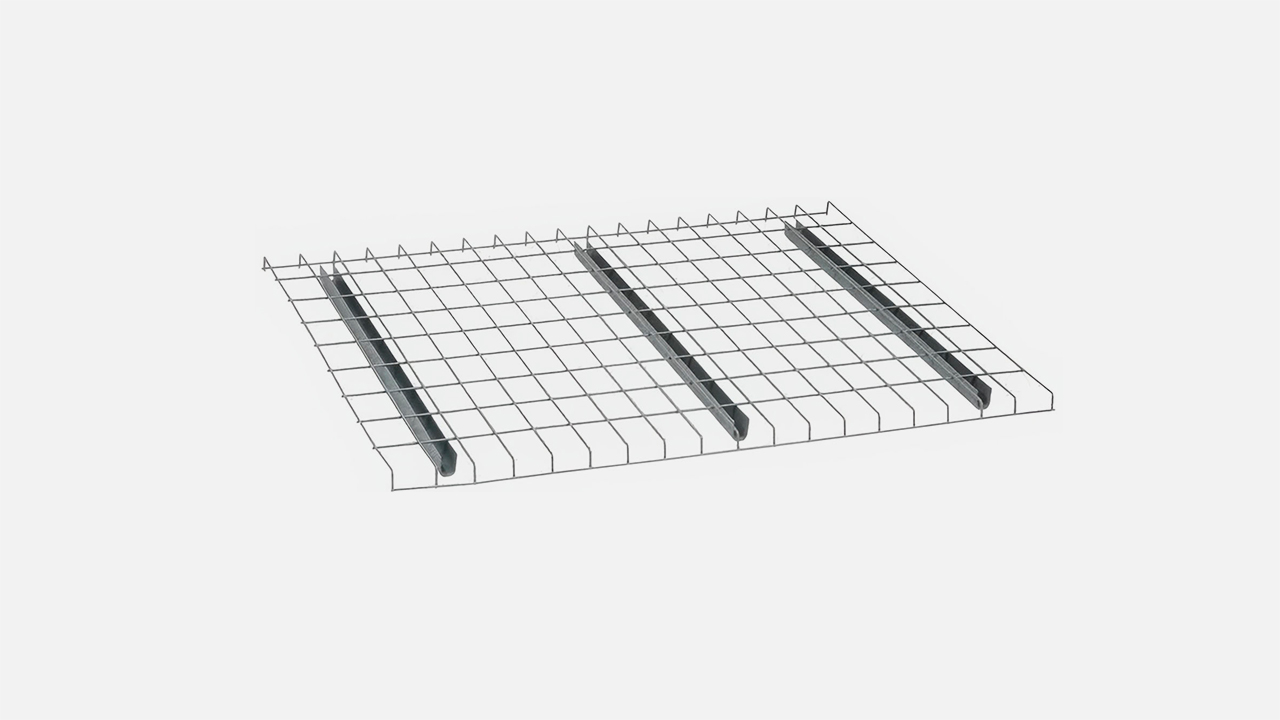
Decking Type
Wire Decking: Easy to install and built for heavy-duty bulk storage, wire decking offers a clean, safe, and durable storage surface. Its open design improves visibility, reduces fire hazards, and enhances sprinkler system effectiveness—often meeting fire code requirements.
Steel Decking: Easy to install and built for heavy-duty storage. Its smooth surface allows bulky and heavy items to slide on and off shelves with ease.
To request a quote, please login to your existing account or register a new one. This helps us provide you with a personalized experience and keep track of your requests.