



Shop all our special offers today -
Shop Now


Power Tools
Power tools are for a variety of both home and commercial projects. From tightening screws to engraving signs, MSC Industrial Supply has the power tools and accessories to get the job done. Break concrete easily with hammers and chippers on both a big and small scale. Heat guns are a great multi-purpose tool, as they can thaw frozen pipes & they can also quickly strip away paint or wallpaper. We offer a range of wattages and heat settings, perfect for any job. Choose from battery or electric rotary tools to complete any sanding or grinding job on all types of materials. Power saws can also be used on all types of materials, including wood, metal, and plastic. Easily create holes with power drills, perfect for woodworking or plumbing. Power drill parts and accessories allow you to use the same drill for one application but transition to a new job with the change of a part. Shop MSC Industrial Supply for power tools of all kinds to complete any job with precision.
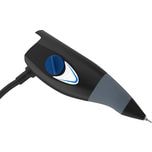
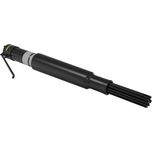
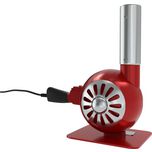
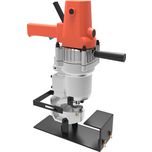
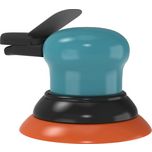
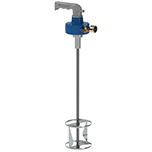
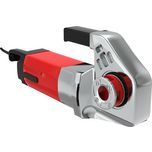
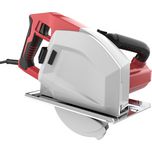
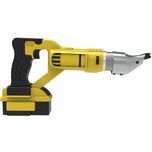
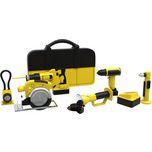
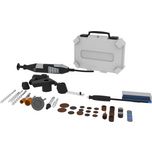
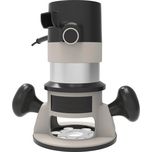
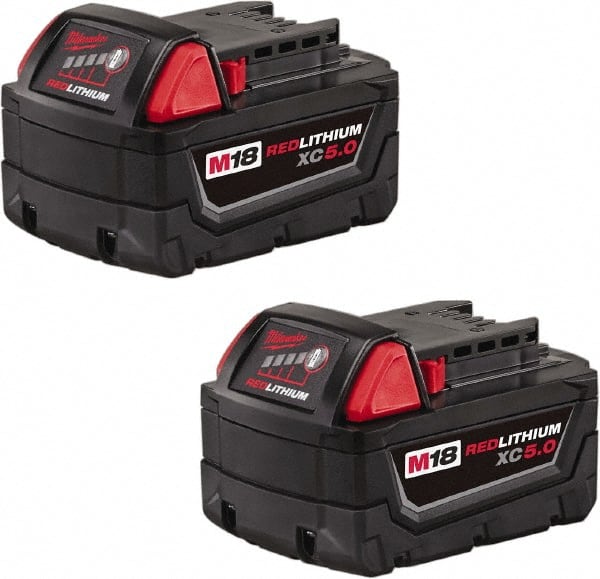
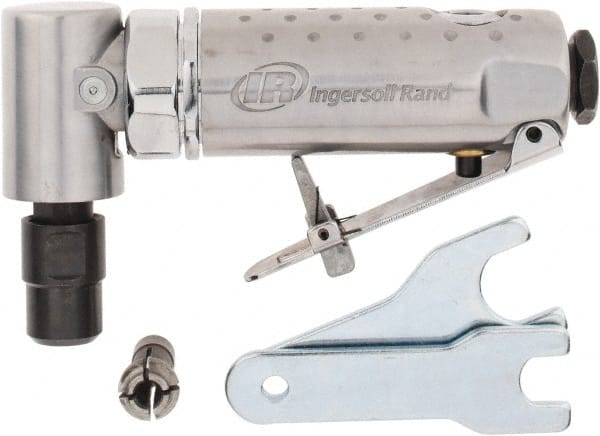
Top Products in Power Tools
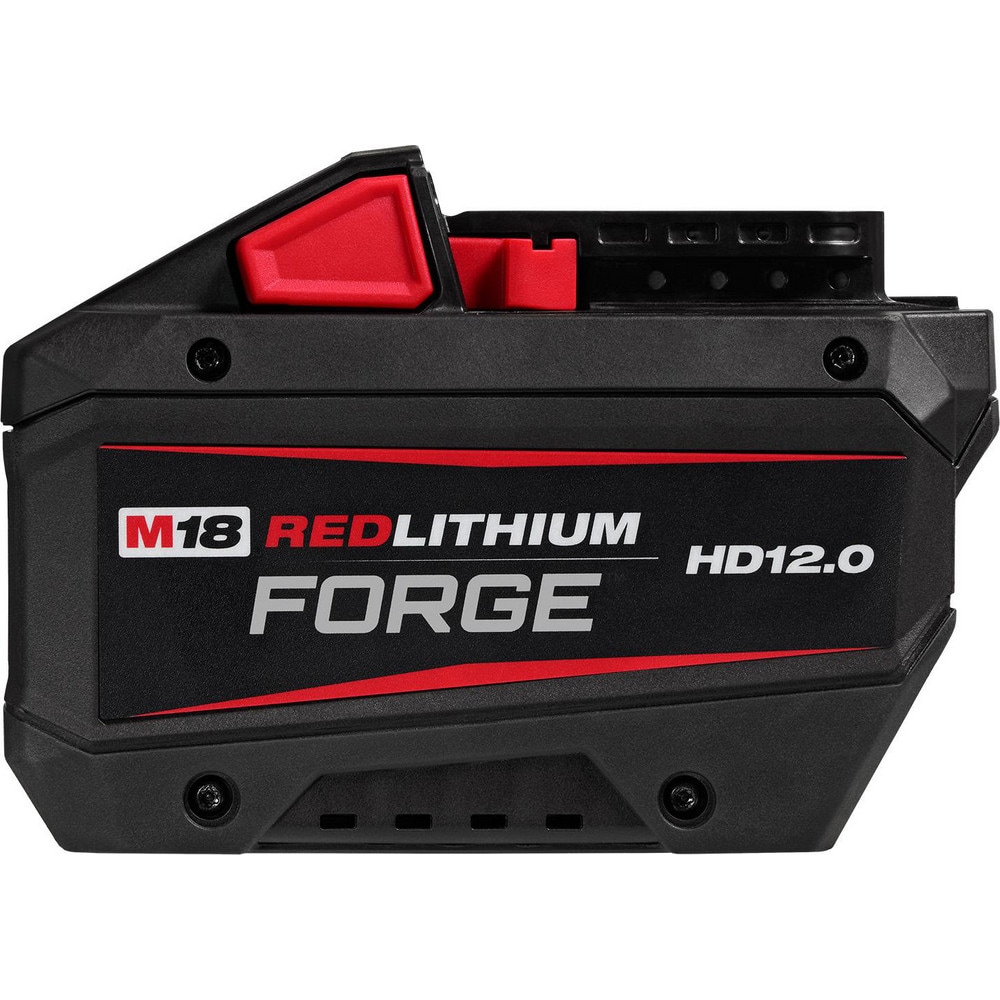
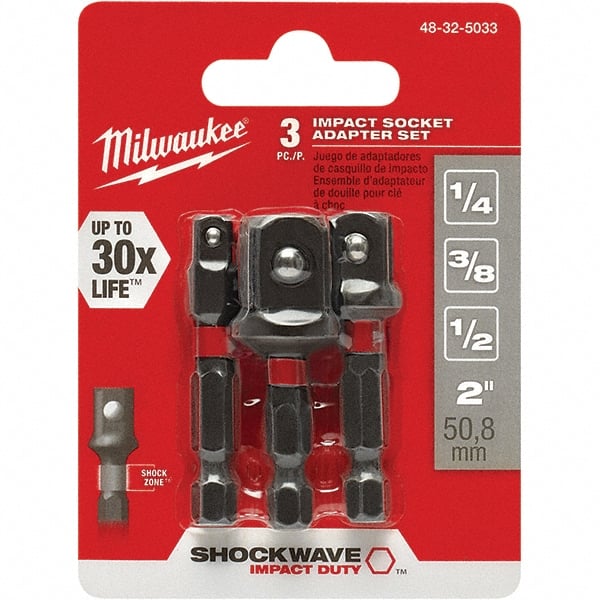
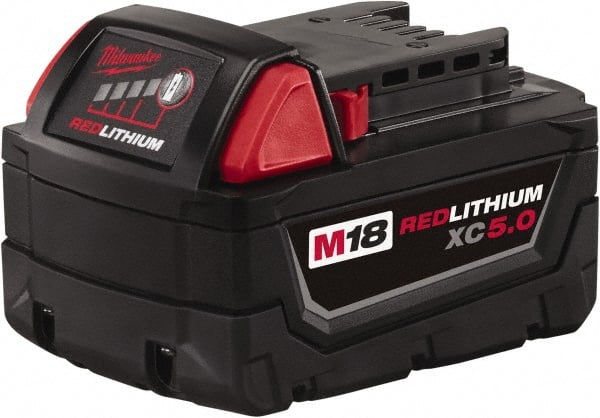
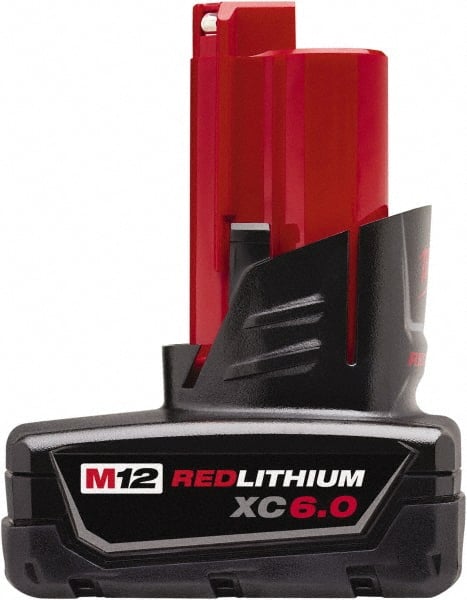
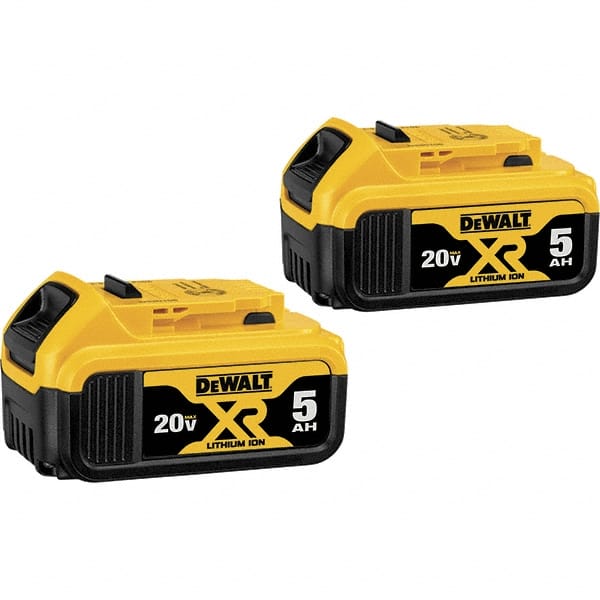
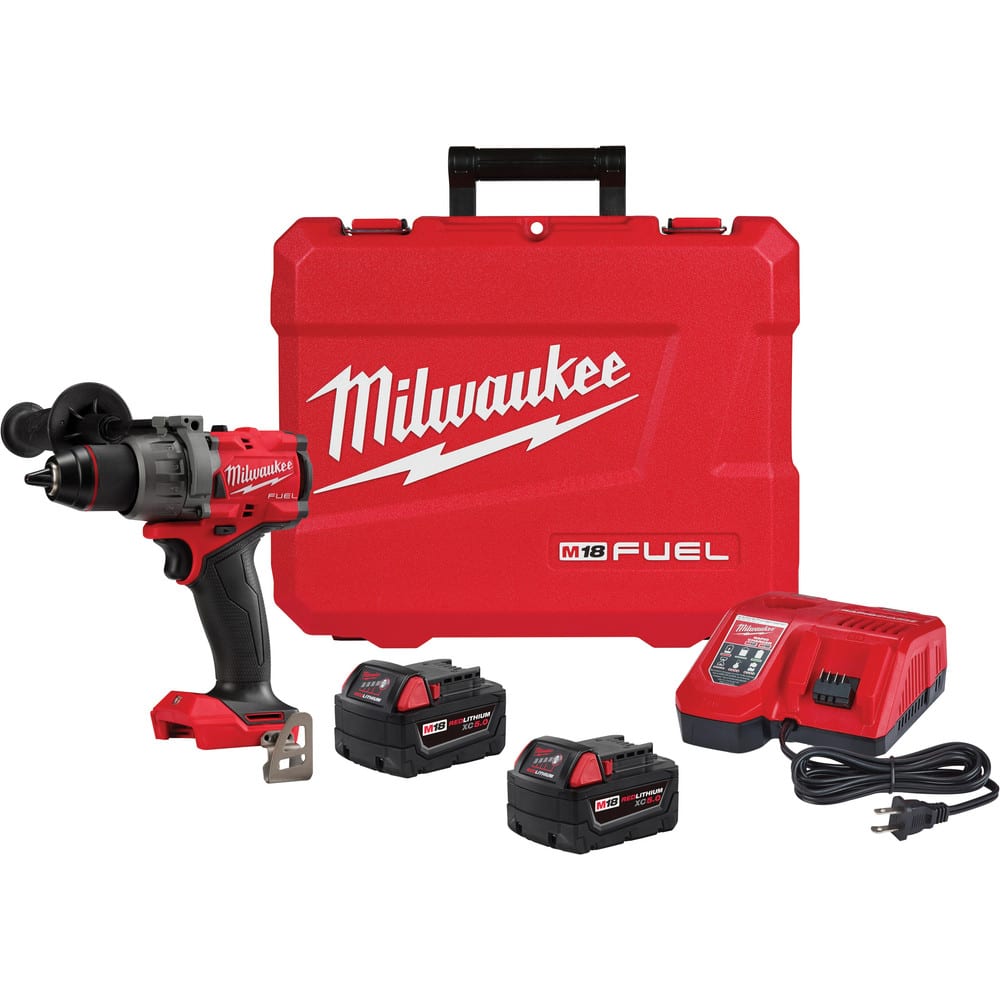
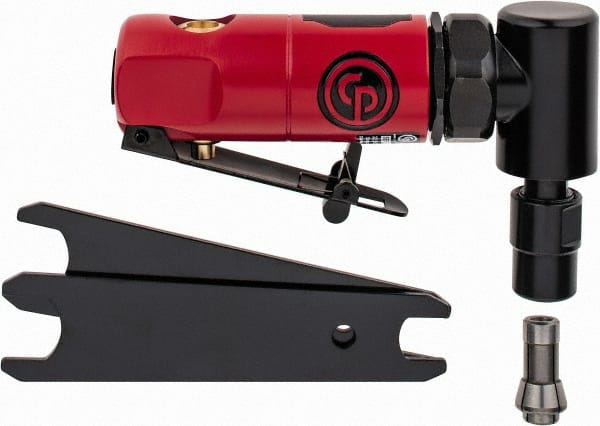
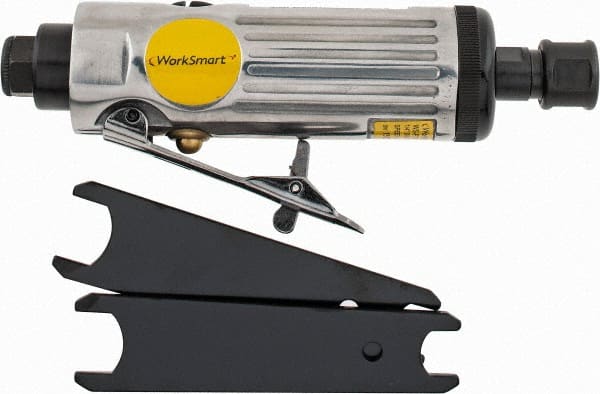
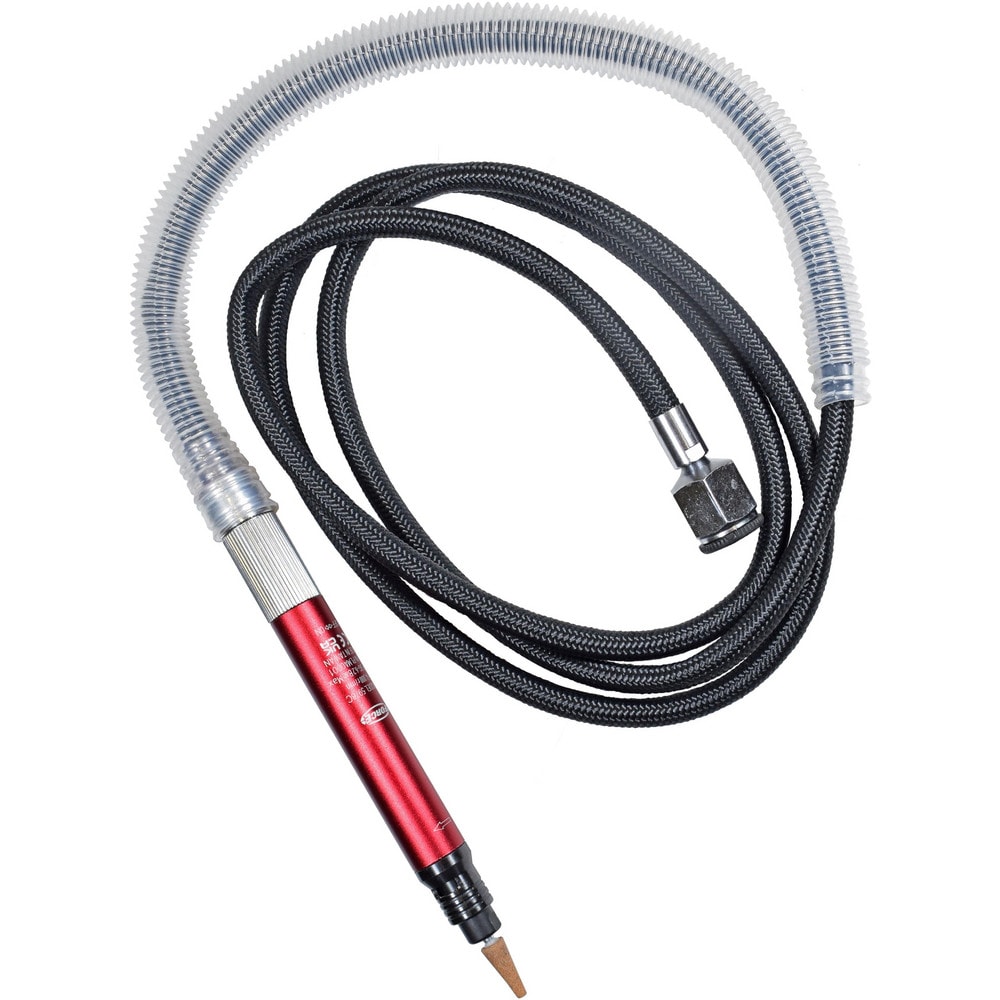
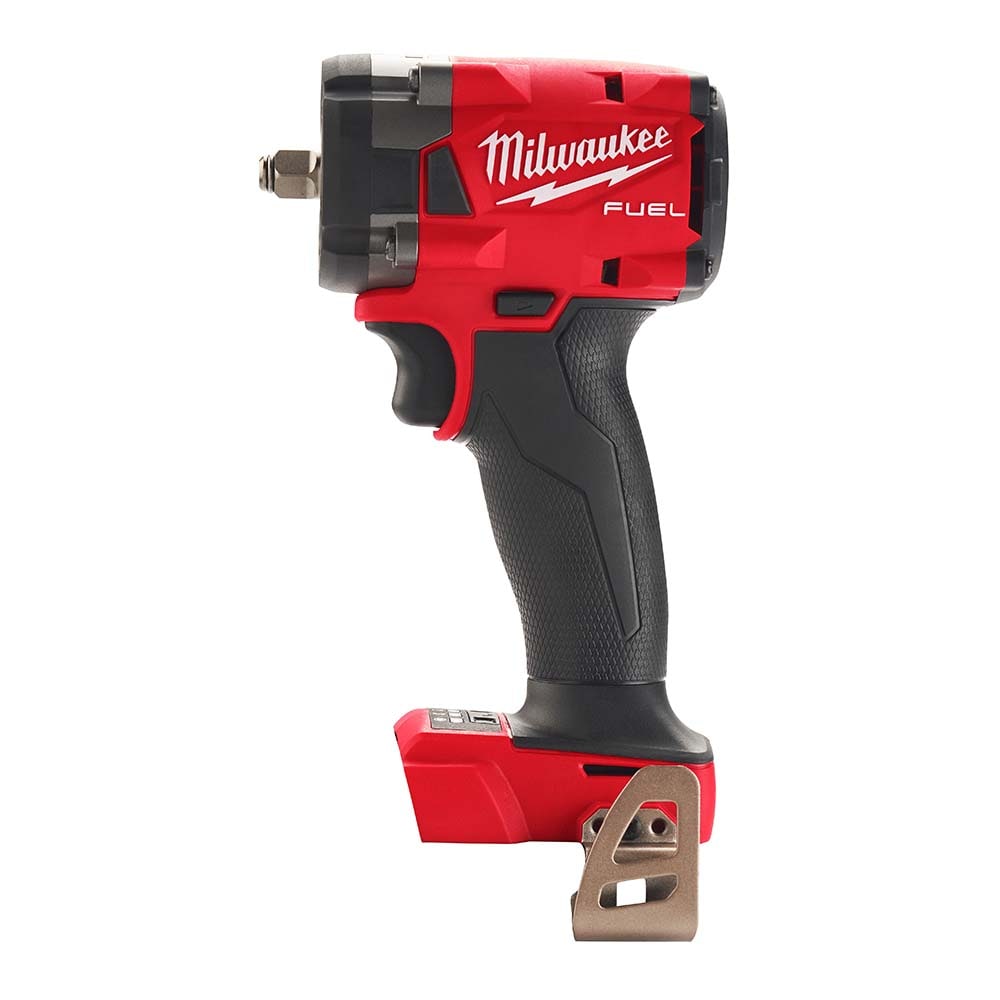
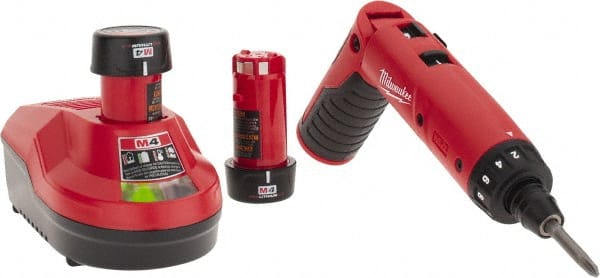
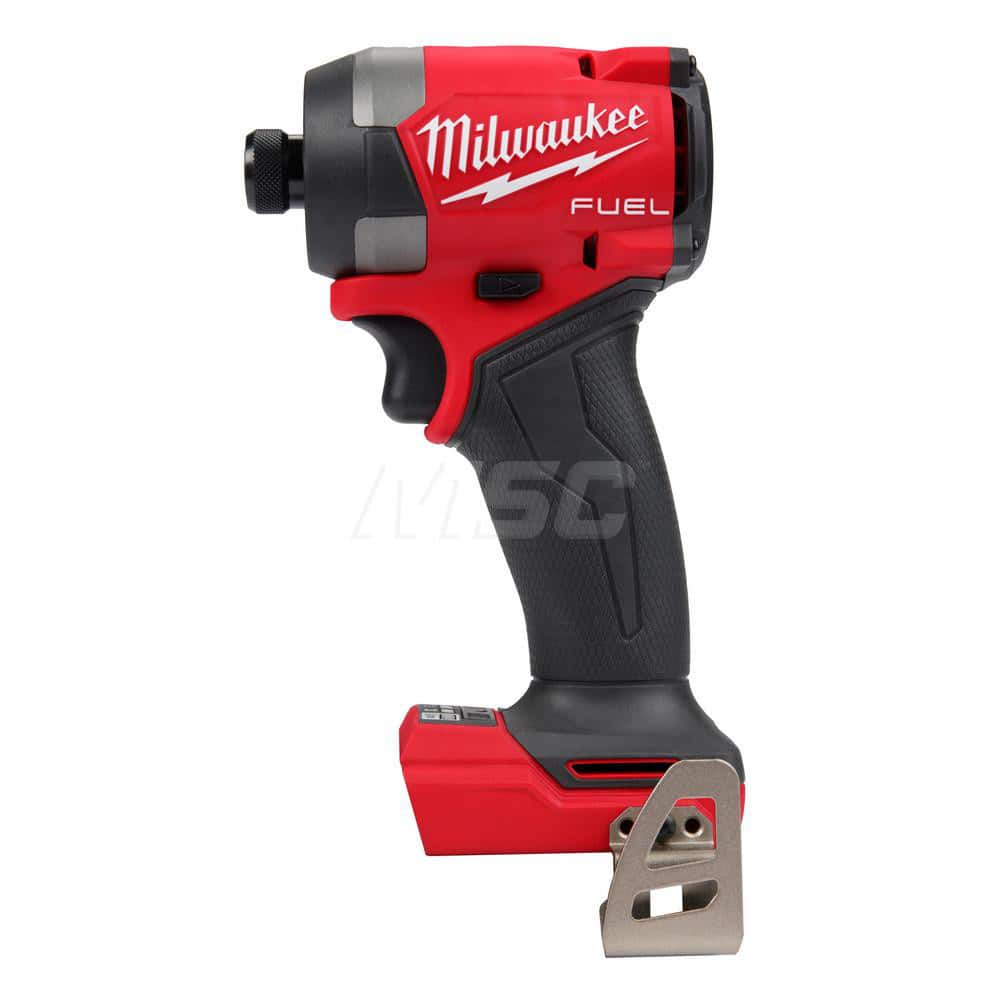
Have a question?
We're here to help
Top Sellers
Power Tools: Choosing the Right Equipment for Industrial Performance
Power tools are essential for machining, maintenance, and production environments where speed, precision, and repeatability are critical. Designed to convert electrical, pneumatic, or battery energy into mechanical motion, these tools allow machinists and maintenance professionals to perform cutting, drilling, fastening, and grinding tasks efficiently. Selecting the right power tools for your operation improves productivity, reduces fatigue, and extends tool and component life.
This guide outlines the main types of power tools, how to maintain and store them, and what to consider when building a complete power tool set for industrial use.
What Are Power Tools?
Power tools use an external power source—electricity, compressed air, or batteries—to perform work that would otherwise require significant manual force. In industrial and MRO settings, they are used for tasks such as drilling, grinding, sanding, cutting, and fastening.
Electric power tools are common in workshops, providing constant torque for high-duty applications. Cordless power tools offer mobility and convenience, ideal for repair and assembly tasks where access to power outlets is limited. Pneumatic tools, powered by compressed air, are preferred in manufacturing environments for their reliability and low maintenance.
Types of Power Tools and Their Applications
Drills and Drivers
Electric and cordless drills are among the most common tools in any facility. They provide controlled torque and speed for holemaking and fastening tasks. Hammer drills add percussive motion for drilling into masonry or concrete.
Applications: Assembly lines, metal fabrication, electrical work, and construction.
Tip: Use variable-speed drills for precision control when working with different materials.
Grinders and Sanders
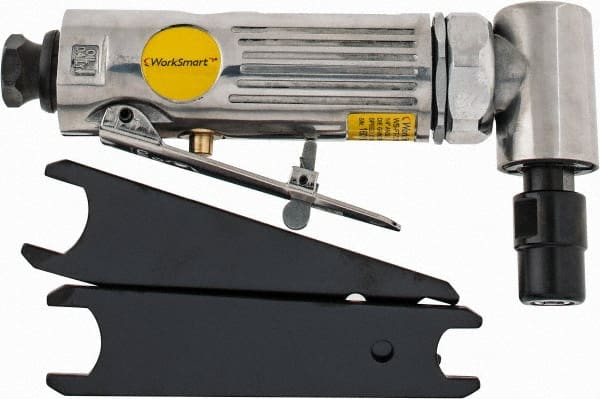
Grinders remove metal, weld slag, or burrs, while sanders smooth surfaces for finishing or painting. Angle grinders and die grinders are widely used in maintenance and metalworking shops.
Applications: Deburring, surface prep, and finishing.
Tip: Match the wheel or disc to the material to avoid excess wear or overheating.
Cutting Tools and Saws
Power saws, including circular saws, reciprocating saws, and band saws, allow clean, accurate cuts through metal, wood, or composite materials. High-speed electric saws increase throughput while maintaining edge quality.
Applications: Fabrication, construction, and maintenance departments.
Tip: Inspect blades frequently and replace dull ones to maintain cut accuracy and safety.
Impact Wrenches and Ratchets
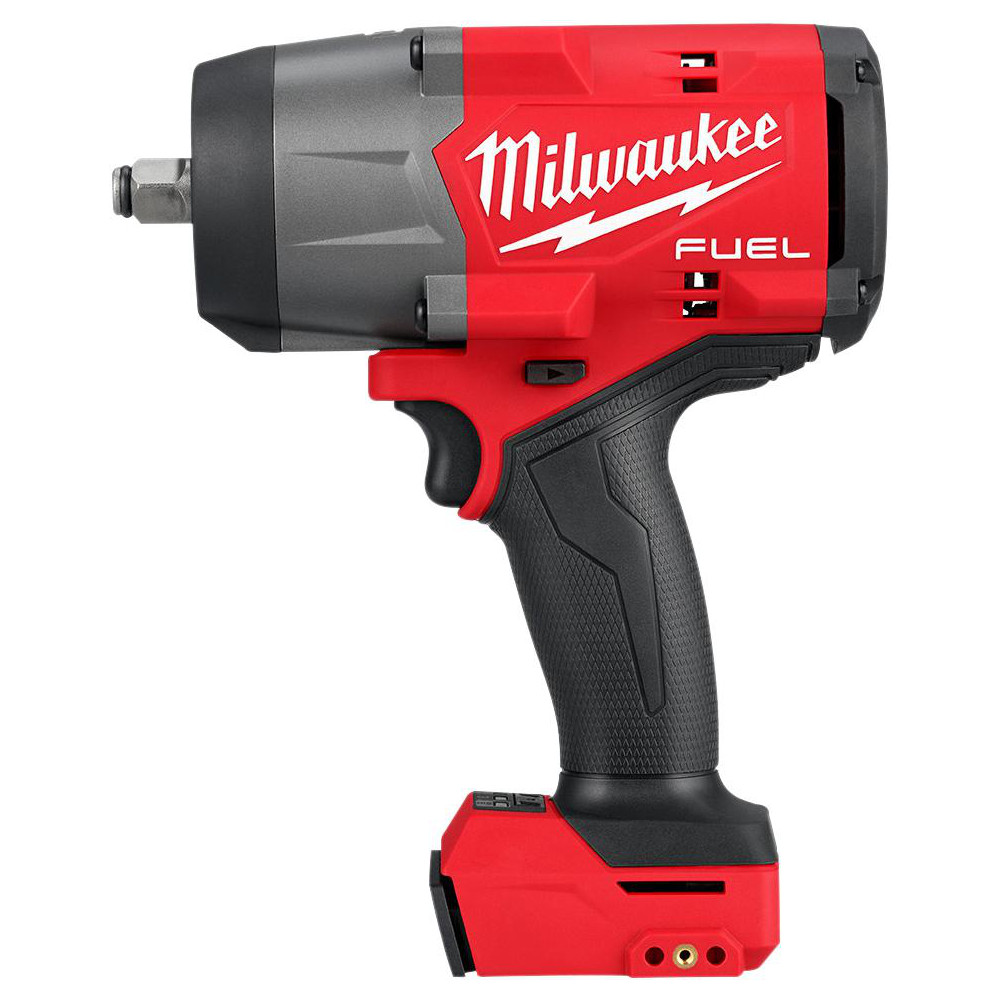
Impact wrenches deliver high torque for tightening or loosening bolts quickly, reducing fatigue compared to manual wrenches. Pneumatic and cordless versions are available depending on mobility and power needs.
Applications: Automotive repair, assembly, and heavy equipment maintenance.
Tip: Select the appropriate drive size for torque requirements to prevent fastener damage.
Screw Guns, Staplers, and Nailers
Power fastening tools drive screws, staples, or nails quickly and consistently, improving assembly speed and reducing operator fatigue.
Applications: Packaging, assembly, carpentry, and light fabrication.
Tip: Use depth control and consistent air pressure to ensure uniform fastener placement.
Cordless Power Tools vs. Electric Power Tools
Feature | Cordless Power Tools | Electric Power Tools |
|---|---|---|
Power Source | Rechargeable lithium-ion batteries | Continuous electrical current |
Mobility | Highly portable; ideal for field or overhead work | Limited by cord length and outlet access |
Runtime | Dependent on battery capacity; quick recharge options available | Unlimited runtime with consistent power |
Torque Output | Moderate; suitable for light to medium-duty tasks | Higher torque for heavy-duty applications |
Ideal Environment | Field maintenance, large facilities, and assembly | Production floors, machining stations, and fixed setups |
Maintenance | Requires battery care and periodic replacement | Minimal; primarily cord and brush inspection |
Best Use Case | Flexibility and mobility | Continuous power and sustained operation |
How to Store Power Tools
Proper storage prevents damage, maintains calibration, and extends the life of your investment. Follow these steps to protect your tools and keep your workspace efficient:
Clean Before Storage: Remove debris, oil, and metal shavings after each use to prevent corrosion and mechanical wear.
Use Dedicated Cabinets or Tool Carts: Shield tools from dust and moisture. Organize by type or frequency of use for quick access.
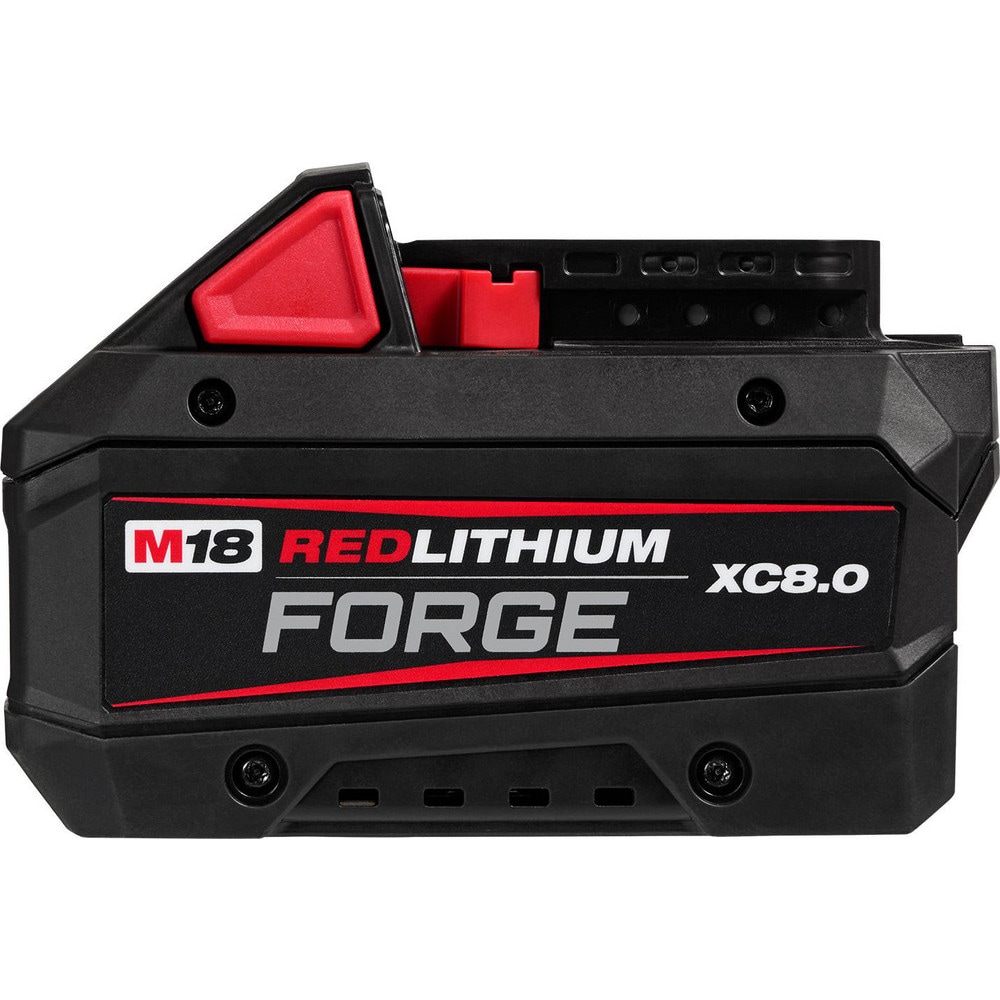
Store Batteries Separately: Keep lithium-ion batteries in a cool, dry location. Avoid full discharge before long-term storage to maintain capacity.
Label and Maintain Inventory: Use pegboards, bins, or modular drawers to track usage and prevent misplaced tools.
Inspect Regularly: Check cords, batteries, and housings for damage to ensure readiness and extend service life.
Well-organized storage systems improve workflow efficiency and help machinists access tools quickly, which is essential in high-throughput manufacturing and maintenance environments.
Maintenance Best Practices
Inspect cords, hoses, and batteries regularly for damage.
Replace worn brushes, bearings, or seals promptly to avoid motor failure.
Lubricate moving parts and clean vents for proper cooling.
Follow torque calibration and balance checks on rotating tools.
Use manufacturer-recommended accessories to maintain warranty and performance.
Routine maintenance extends tool lifespan and maintains consistency across shifts and operators.
FAQs
How can I tell if a power tool is losing efficiency?
Watch for slower performance, increased noise, overheating, or frequent tripping of circuit breakers. These signs may indicate brush wear, internal damage, or failing bearings.
How can I improve accuracy when drilling or cutting with power tools?
Use sharp bits and blades, apply steady feed pressure, and verify alignment before starting. For precision cuts, use clamping fixtures or guides to stabilize the workpiece.
How can I prevent overheating during continuous use?
Use the proper speed and load for each material, allow cool-down intervals during extended operation, and keep vents free of dust or oil buildup. Overheating can shorten motor life and reduce torque output.
How can I extend the life of my power tools?
Clean and lubricate moving parts, store tools properly, and inspect cords and batteries regularly. Avoid overloading tools and always match the accessory or attachment to the tool’s power rating.