



Shop all our special offers today -
Shop Now
Air Receiver Tanks
41 items returned
Loading

Applied Filters
Category:
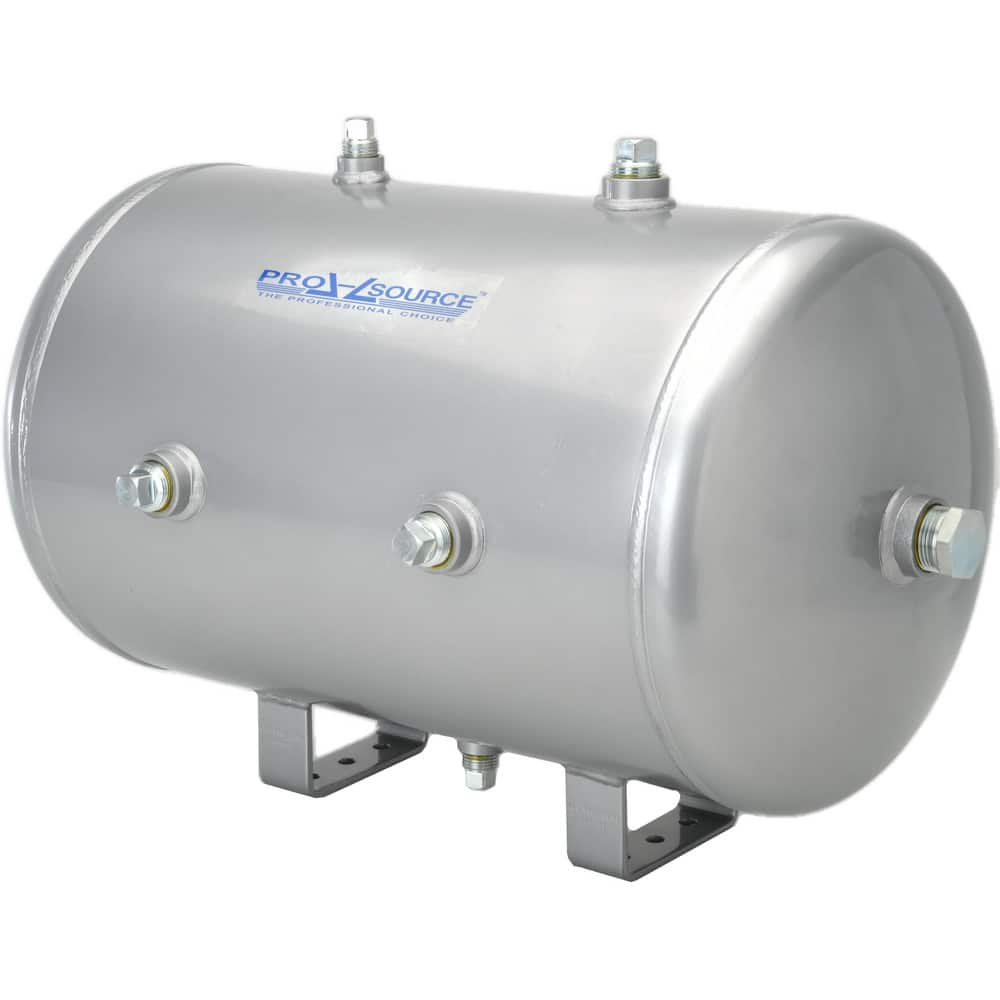
In Stock
Web Price
$294.63 / ea.
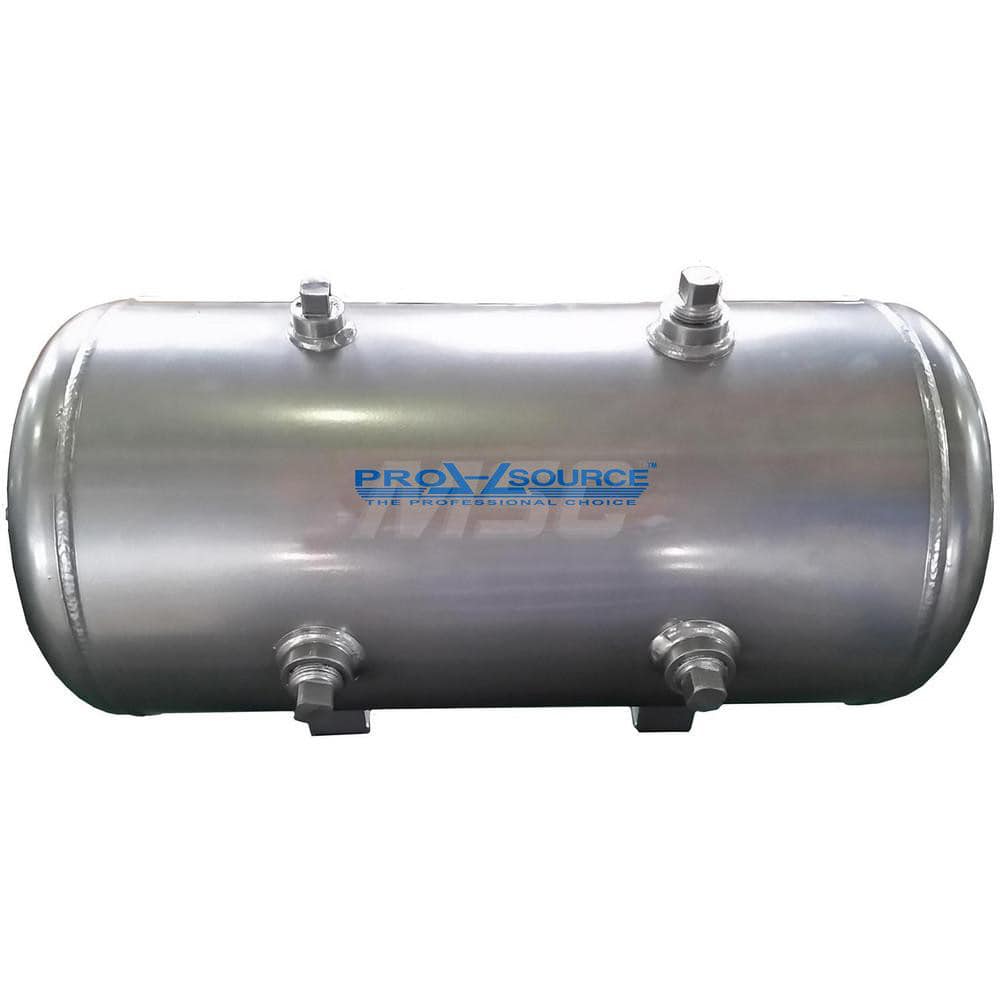
In Stock
Web Price
$246.69 / ea.
In Stock
Web Price
$166.40 / ea.
In Stock
Web Price
$193.53 / ea.
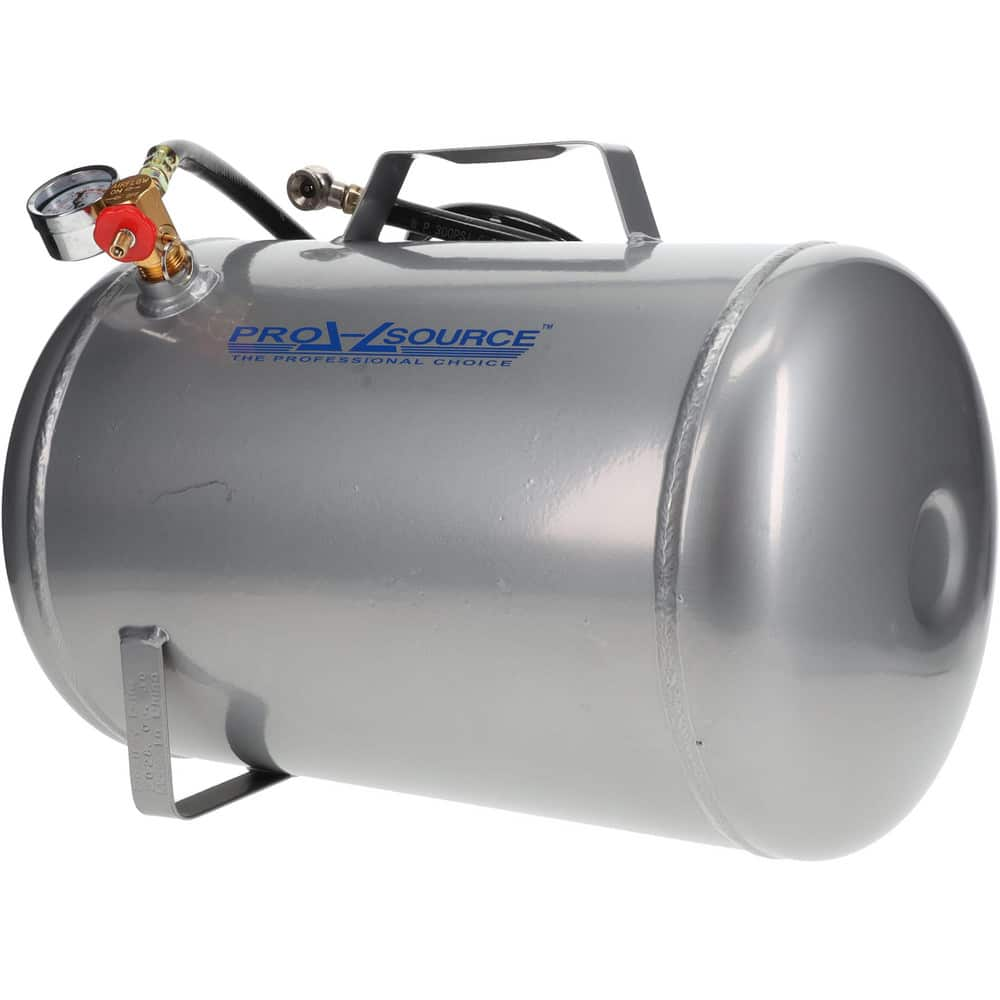
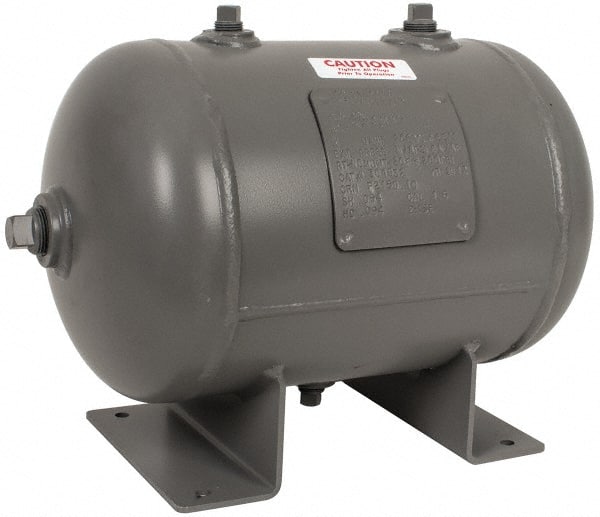
In Stock
Web Price
$640.62 / ea.
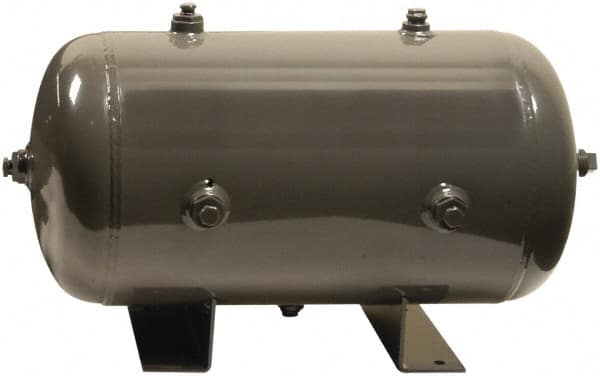
In Stock
Web Price
$646.74 / ea.
In Stock
Web Price
$808.20 / ea.
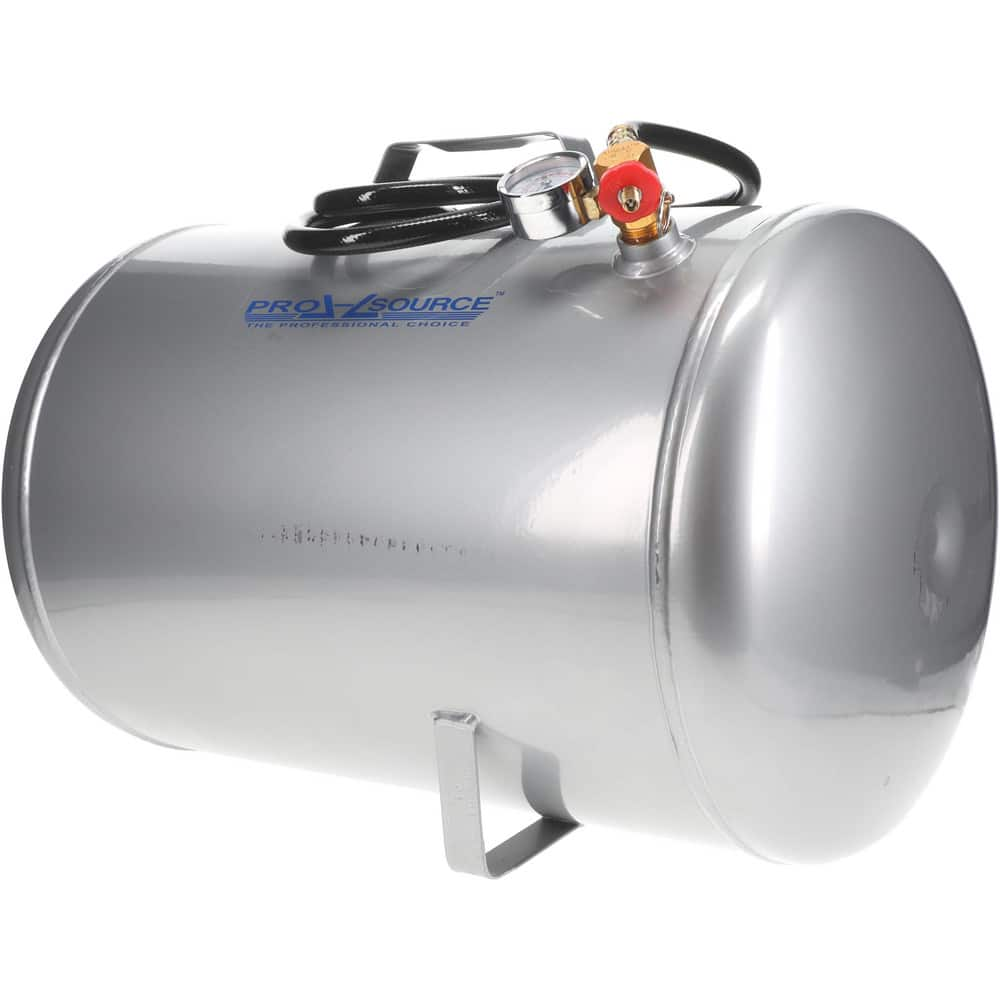
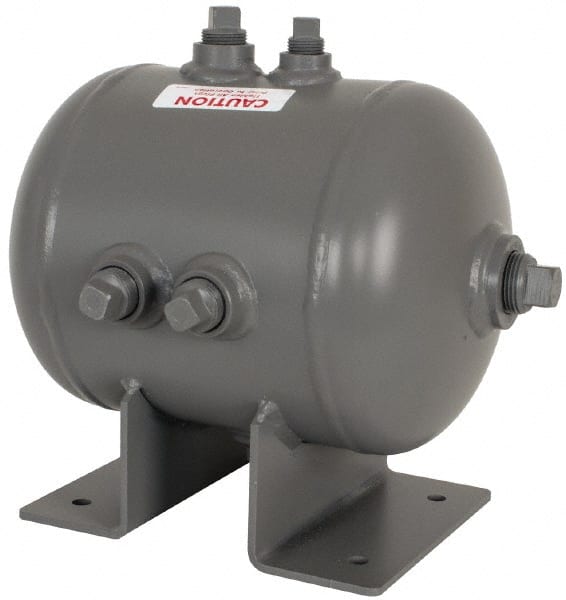
In Stock
Web Price
$613.24 / ea.
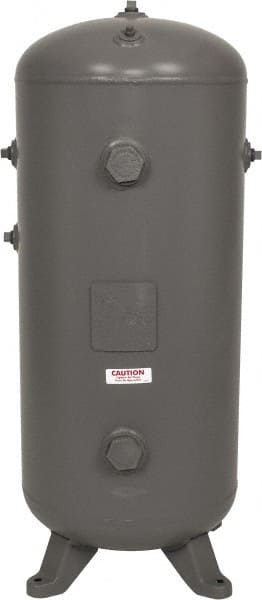
In Stock
Web Price
$1,087.61 / ea.
In Stock
Web Price
$577.53 / ea.
Ships from Supplier.
Expected to ship within 1 week
Web Price
$483.44 / ea.
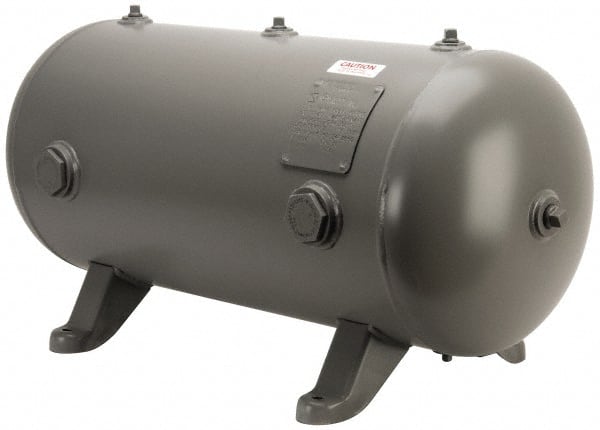
In Stock
Web Price
$993.39 / ea.
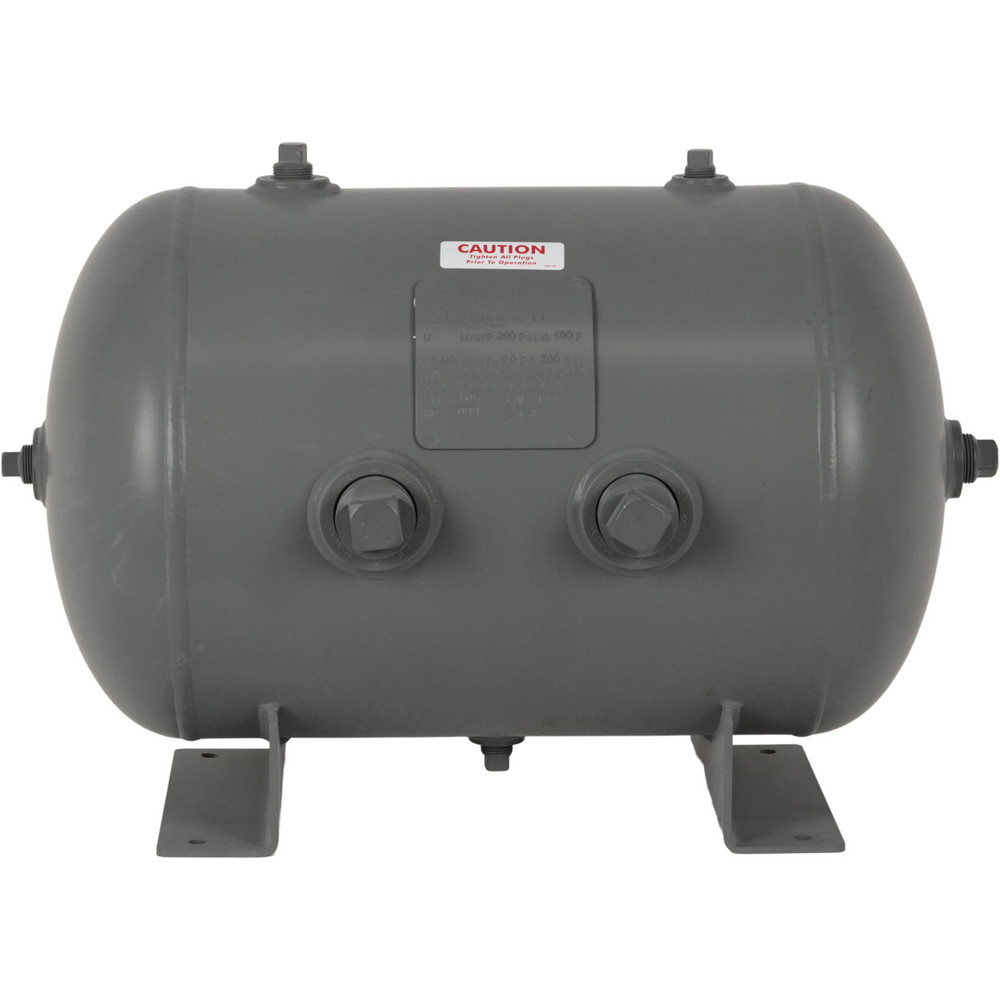
Backordered
Temporarily out of stock.
Web Price
$780.73 / ea.
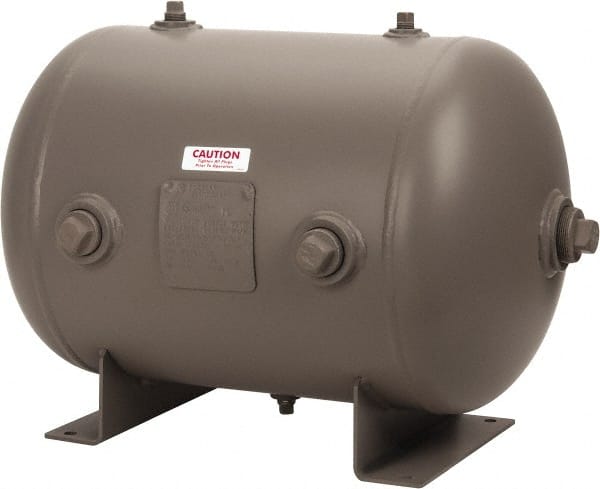
In Stock
Web Price
$893.03 / ea.
Backordered
Temporarily out of stock.
Web Price
$3,581.21 / ea.
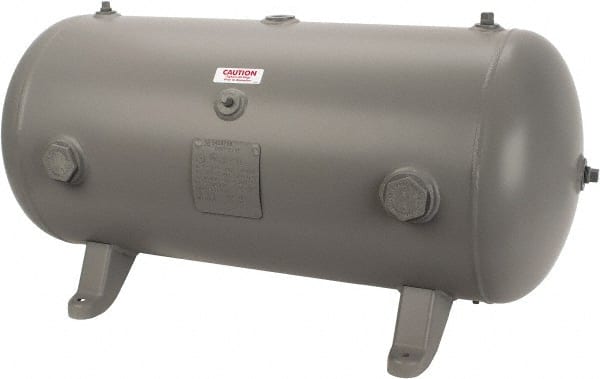
In Stock
Web Price
$1,449.47 / ea.
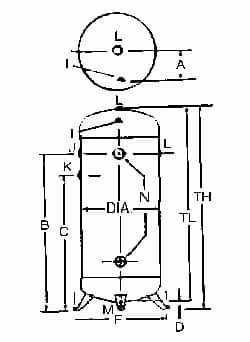
Backordered
Temporarily out of stock.
Web Price
$1,558.11 / ea.
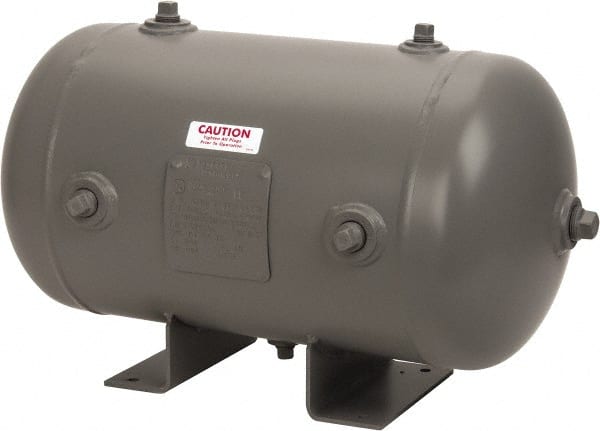
In Stock
Web Price
$711.28 / ea.
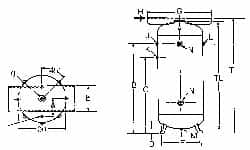
Backordered
Temporarily out of stock.
Web Price
$1,694.96 / ea.
Backordered
Temporarily out of stock.
Web Price
$3,882.57 / ea.
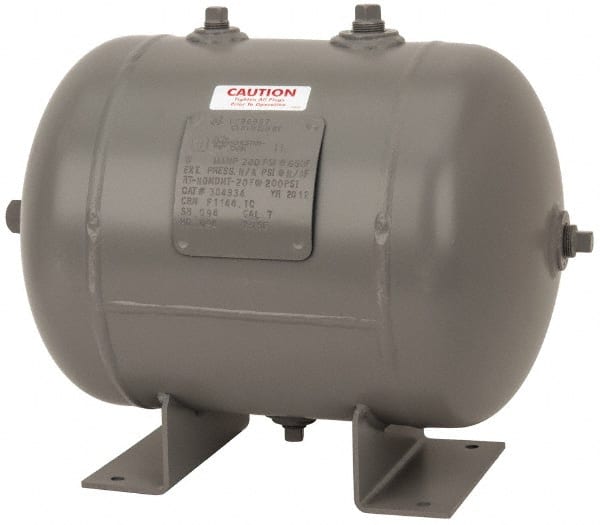
In Stock
Web Price
$668.53 / ea.
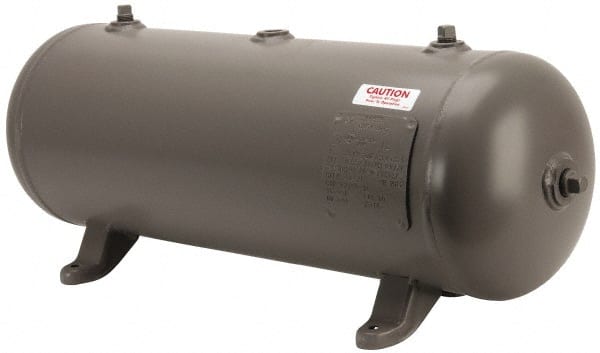
Have a question?
We're here to help
Top Sellers
Find Your Match: The Ultimate Air Tank Guide
A compressed air tank, also known as an air receiver, serves as a buffer for compressed air to balance the supply and demand within a pneumatic system. It also helps remove water and oil from the compressed air and smooth out pulsations from the compressor. This vital component is utilized in various industrial applications, including pneumatic systems, HVAC systems, and spray-painting operations. When selecting an air tank, consider several factors, including volume capacity, maximum working pressure, inlet and port size, overall length, and space requirements. This article will guide you through the essential steps for choosing the right air tank.
Volume Capacity
The first factor to consider when shopping for an air tank is its volume capacity, as it determines how much compressed air it can hold. Air tanks come in various capacities, ranging from small 2-gallon tanks to large 240-gallon tanks.
To choose a suitable volume capacity, assess your specific application requirements. For instance, if you need an air tank for a small workshop where only a few pneumatic tools are used intermittently, a smaller tank with a capacity of 2 to 10 gallons might suffice. However, larger industrial operations requiring a continuous supply of compressed air for multiple tools or processes would benefit from tanks with capacities of 20 gallons or more. It's important to note that a larger tank can store more air and reduce the frequency of compressor cycling, thereby enhancing the efficiency and lifespan of the compressor.
Maximum Working Pressure
Another factor is the maximum working pressure of the compressed air tank or air receiver. This parameter indicates the highest pressure that the tank can safely withstand during operations. Different applications require different pressure levels, so selecting a tank with an appropriate pressure rating is crucial.
To determine the appropriate pressure rating, start by identifying the pressure requirements of your pneumatic tools and equipment. Common air tools, such as air impact wrenches and ratchets, operate at pressures between 90 to 150 PSI (pounds per square inch). Ensure that your tank can safely handle these pressure levels. Additionally, consider future needs and potential expansions of your system. Opting for a tank with a slightly higher-pressure rating can provide flexibility and accommodate increased pressure demands in the future.
Inlet Size and Port Size
The inlet and port size of a compressed air tank impact its performance and compatibility with other equipment. The inlet size refers to the diameter of the opening through which compressed air enters the tank, and the port size pertains to the diameter of the openings used to connect the tank to other components, such as air compressors and pneumatic tools.
When selecting an air tank or air receiver, ensure the inlet and port sizes are compatible with your existing equipment. Mismatched sizes can lead to inefficient airflow, pressure drops, and potential damage to the tank or connected components. Standard inlet and port sizes range from 1/4 inch to 2 inches.
Overall Length and Space Requirements
Before purchasing an air tank, measure the available space in your facility to ensure that the tank will fit comfortably without obstructing other equipment or work areas. Use tools like tape measures to make accurate measurements. Vertical air tanks are ideal for spaces with limited floor area but ample vertical clearance, as they have a smaller footprint. Horizontal tanks, however, are suitable for areas with sufficient floor space but limited vertical height. Additionally, consider the accessibility of the tank for maintenance and inspection purposes. Ensure there is enough room around the tank to perform routine checks and service tasks without difficulty.
Safety and Best Practices
Safety is paramount when working with air tanks. Adhering to best practices can prevent accidents and prolong the lifespan of your equipment. Follow these eight essential safety tips and best practices:
Conduct regular inspections: Look for signs of wear, corrosion, or damage. Regularly check for air leaks in the tank and associated piping. Leaks can lead to energy loss, reduced efficiency, and potential safety issues. Address any issues immediately to prevent potential failures.
Use a pressure relief valve: Equip the air tank with a properly functioning pressure relief valve. This safety device is crucial for preventing over-pressurization, which can lead to tank rupture.
Drain the tank: Regularly drain the tank to remove accumulated moisture. Water build-up can cause internal corrosion and reduce the efficiency of the compressed air system.
Install properly: Install the compressed air tank in a stable and secure location. Use appropriate mounting brackets and supports to prevent tipping or movement during operation. Always adhere to the manufacturer’s guidelines for installing, operating, and maintaining the air tank.
Avoid overloading: Never exceed the tank’s maximum working pressure. Overloading the tank can compromise its structural integrity and pose serious safety risks.
Use the right accessories: Use compatible accessories and fittings that match the tank’s specifications. Incorrect accessories can cause leaks, pressure drops, and potential hazards.
Train personnel: Ensure that all personnel who operate and maintain the air tank are adequately trained. They should be aware of safety procedures and emergency protocols.
Keep records: Maintain detailed records of inspections, maintenance, and repairs. This documentation helps track the tank’s condition and ensures compliance with safety regulations.
