



Shop all our special offers today -
Shop Now
Concrete Anchors
282 items returned
Loading

Applied Filters
Category:
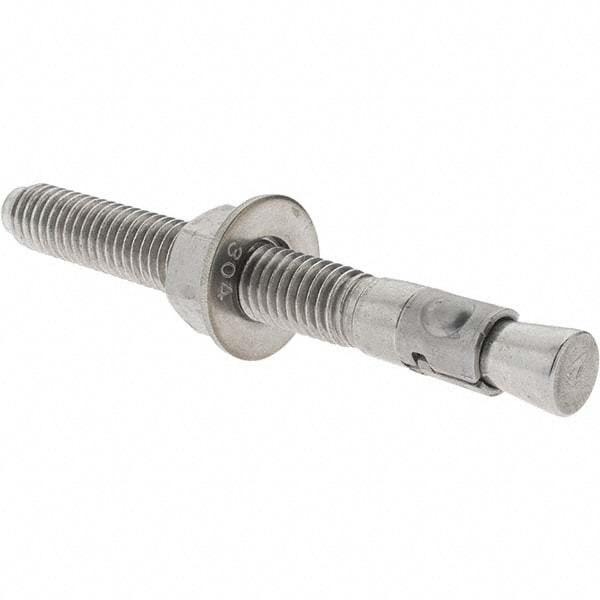
In Stock
Web Price
$102.58 / ea.
Order Qty of 1 equals (1) 10 Pack
In Stock
Web Price
$1,174.25 / per 100
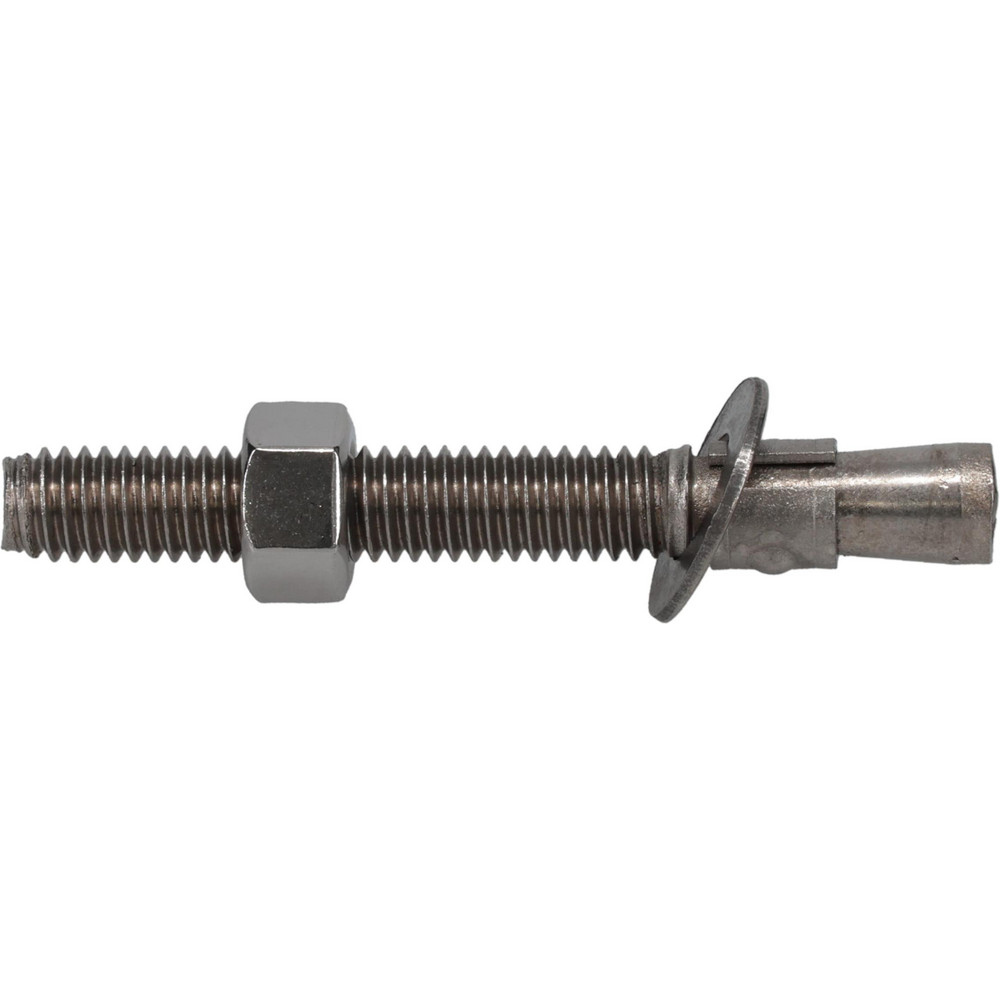
In Stock
Web Price
$632.89 / per 100
Enter in multiples of 2
In Stock
Web Price
$704.17 / per 100
Enter in multiples of 2
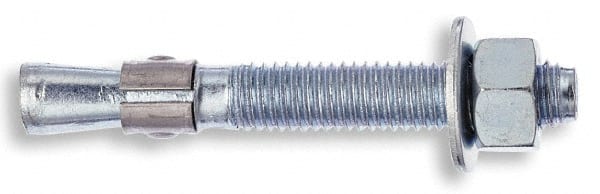
In Stock
Web Price
$2,392.02 / per 100
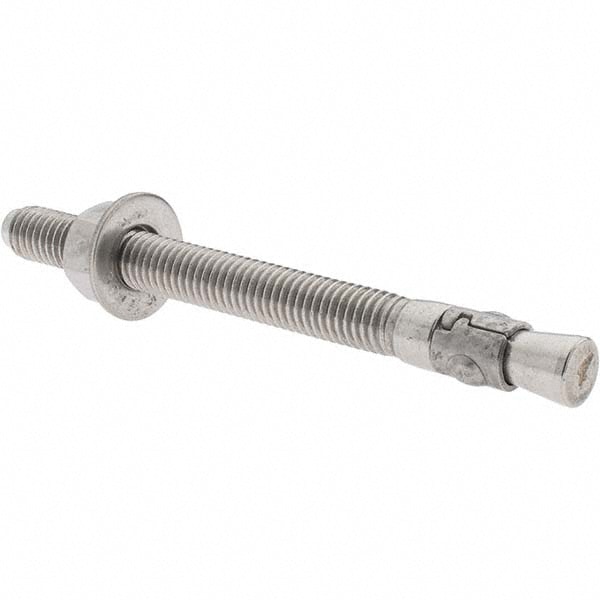
In Stock
Web Price
$134.64 / ea.
Order Qty of 1 equals (1) 10 Pack
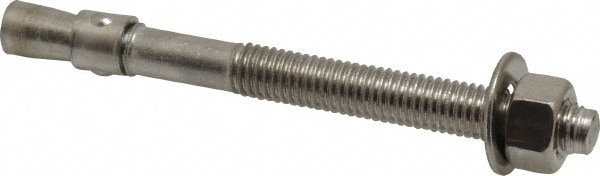
In Stock
Web Price
$1,695.17 / per 100
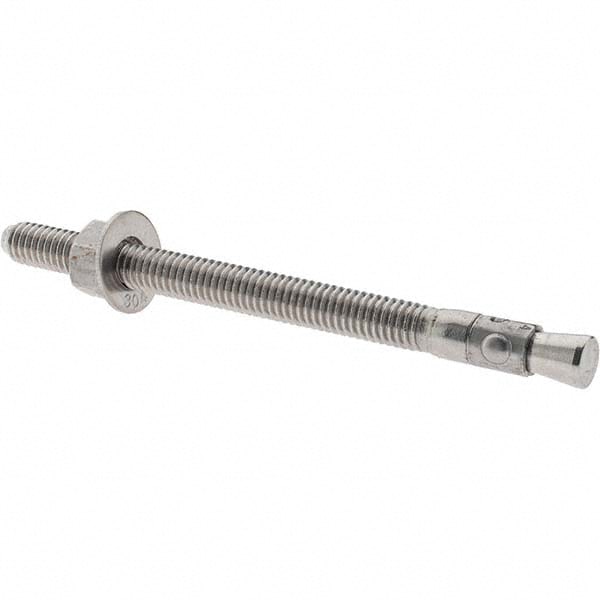
In Stock
Web Price
$165.65 / ea.
Order Qty of 1 equals (1) 25 Pack
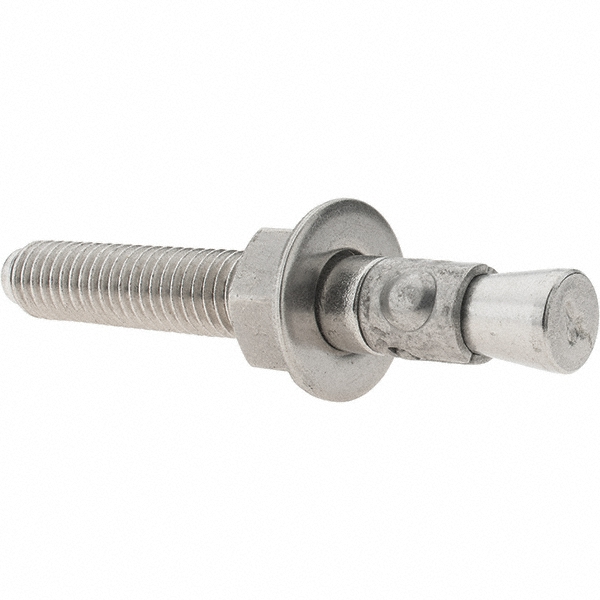
In Stock
Web Price
$96.43 / ea.
Order Qty of 1 equals (1) 10 Pack
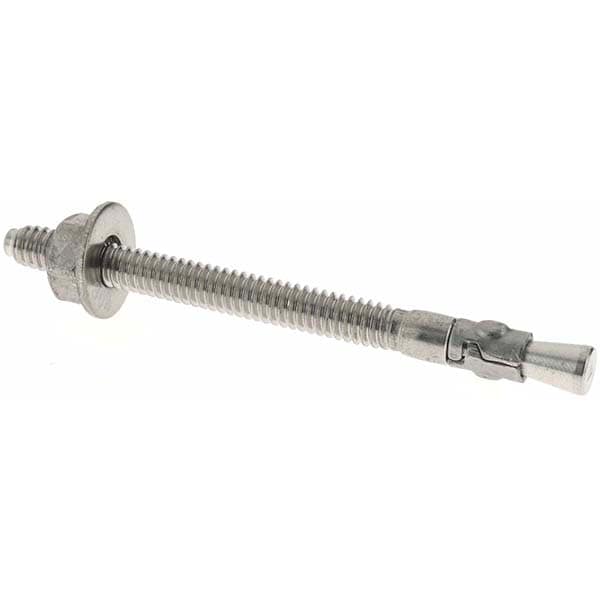
In Stock
Web Price
$76.59 / ea.
Order Qty of 1 equals (1) 25 Pack
In Stock
Web Price
$915.37 / per 100
Enter in multiples of 2
In Stock
Web Price
$1,389.99 / per 100
In Stock
Web Price
$134.53 / ea.
Order Qty of 1 equals (1) 25 Pack
In Stock
Web Price
$2,055.39 / per 100
In Stock
Web Price
$559.23 / per 100
Enter in multiples of 2
In Stock
Web Price
$131.50 / ea.
Order Qty of 1 equals (1) 25 Pack
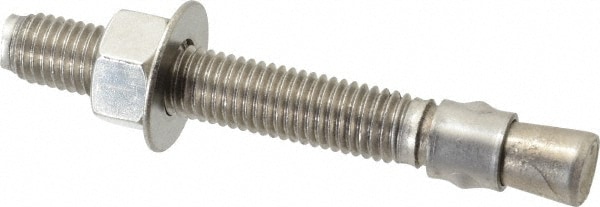
In Stock
Web Price
$2,622.50 / per 100
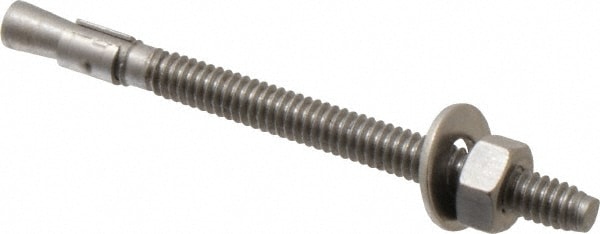
In Stock
Web Price
$383.27 / per 100
Enter in multiples of 5
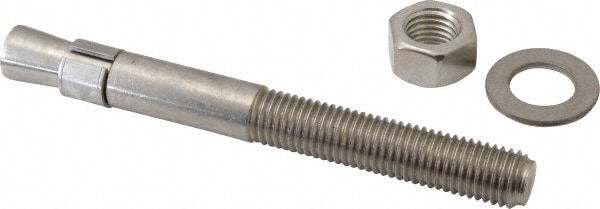
In Stock
Web Price
$5,845.75 / per 100
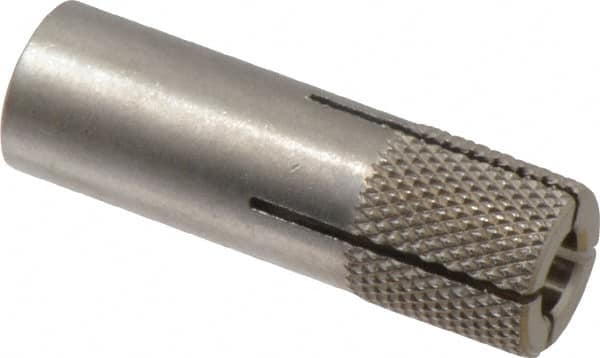
In Stock
Web Price
$14.75 / ea.
In Stock
Web Price
$67.41 / ea.
Order Qty of 1 equals (1) 25 Pack
In Stock
Web Price
$1,060.13 / per 100
Enter in multiples of 2
In Stock
Web Price
$4,273.27 / per 100
In Stock
Web Price
$761.00 / per 100
Enter in multiples of 2
Have a question?
We're here to help
Top Sellers
Concrete Anchors
Concrete anchors are used in hard, porous concrete and expand behind surfaces for a strong hold. Wedge stud anchors are ideal for heavy-duty loads while sleeve anchors and drop-in anchors work well in medium-duty applications. Plastic plug anchors are effective with lighter loads.
From Seismic Safety to Chemical Stability: Concrete Anchor Guide
Due to the latest innovations in anchor design, a wide variety of concrete anchors are now available. The two primary types of anchors are concrete anchor bolts and concrete anchor wedges. This guide informs potential buyers of the proper material and chemical grade concrete anchor based on their specific engineering challenges, such as dynamic loads, chemical exposure, and extreme temperatures.
Dynamic Loads
Environments with significant movement or vibrations, such as machinery foundations of seismic zones, necessitate strong and absorbent concrete anchors. Strong alloy steel anchors and case-hardened steel anchors can absorb and dissipate energy, enabling them to stabilize infrastructure in high-stress environments. This material design makes these anchors the optimal choice for high-vibration environments because they reduce the risk of mechanical fatigue. For example, Grade 8.2 steel is optimal for dynamic environments because it provides exceptional resistance against cyclic loading and unloading.
Chemical Exposure
Environments with high amounts of corrosive substances, such as chemical plants, require concrete anchor bolts and concrete wedge anchors made from chemical degradation-resistant materials. Stainless steel and Zamac alloy are two common types of chemical degradation-resistant materials due to their non-reactive surfaces. Specifically, Grade 316 stainless steel concrete anchors contain molybdenum, which significantly enhances corrosion resistance against chlorides and industrial chemicals. Chemical resistance enables anchors to maintain structural integrity in aggressive environments.
Moisture and Saltwater
Marine environments and areas with high humidity require durable concrete anchors due to the high risk of corrosion. Anchors made from stainless steel and Zamac alloy best protect against corrosion due to the chemical makeup of these metals. Chromium in stainless steel grades 304 and 316 forms a passive chromium oxide, blocking oxygen diffusion and preventing corrosion damage from spreading across the steel’s surface. Zamac alloy resists corrosion but is not as effective in aggressive moisture conditions.
Extreme Temperatures
To effectively stabilize and support infrastructure in hot or cold environments, concrete anchors must withstand significant thermal stress without losing mechanical properties. The chemical properties of carbon steel and stainless steel allow anchors designed from these materials to retain their structural integrity amidst temperature fluctuations. For example, carbon steel with the material grade ASTM A1011 is a hot-rolled, low-alloy metal, which makes this material both flexible and strong; therefore, concrete anchors made of carbon steel ASTM A1011 are resilient enough to support infrastructure in fluctuating temperatures.
High Tensile and Shear Loads
To effectively support heavy loads, concrete anchors must have high tensile and shear strength to prevent breakage or deformation, such as grade 5 steel and grade 8 alloy steel. Grade 8 alloy steel is particularly strong, enabling anchors to handle sudden shocks and long-term stresses without stretching or snapping.
Vibrational Impact
Vibrations incurred from iterative, high-volume mechanical operations may loosen concrete anchors over time. Securing infrastructure with anchors capable of enduring repeated vibrations and shocks protects the structural integrity of infrastructure from operational degradation. Alloy steel and hardened steel, especially grade 8.2, are two shock-resistant metals best able to remain secure under vibrational forces.
Electrical and Thermal Insulation
Non-conductive materials such as plastic and nylon are necessary to preserve electrical and thermal insulation. Using concrete anchors manufactured out of these non-graded materials stabilizes infrastructure without transferring heat and electricity.
Aesthetic Considerations
Stainless steel and zinc-plated materials create the most aesthetically pleasing finishes for concrete anchors. Specifically, grade 303 stainless steel creates a highly polished finish. This clean, professional look endures over time because this grade of stainless steel does not tarnish or rust on either indoor or outdoor infrastructure.
Ease of Installation
Nylon concrete anchors and plastic concrete anchors are the most user-friendly because of their quick and straightforward installation. Features such as self-tapping or self-drilling capabilities simplify the installation process by reducing the need for additional tools or preparations.
Long-Term Durability
Stainless steel and Zamac alloy are two of the most durable materials, creating anchors with long useful lives that require minimal incremental maintenance. For example, concrete anchors in Grade 316 stainless steel have mechanical properties that effectively resist corrosion in various environmental conditions, reducing the need for replacement or maintenance.
Regulatory Compliance
Selected concrete anchors should adhere to industry standards and regulations, such as ASTM E488 and ACI 355.2, which provide guidelines on performance requirements and testing methods. Proper compliance is important because it ensures anchors meet safety, reliability, and quality specifications established by universally recognized benchmarks.
Design Innovations
Recent innovations in raw materials have created a broader portfolio of concrete anchors with diverse use cases.
Hybrid material anchors:
Combining multiple materials, such as nylon and stainless steel, to create one anchor provides a balance of strength, flexibility, and resistance to environmental factors. Non-conductive hybrid anchors are particularly useful to support infrastructure requiring a strong hold.
Smart anchors:
Inserting technologically advanced sensors that can monitor stress, temperature, and corrosion levels provides real-time data to predict failures. This data allows users to take measures that proactively extend the lifespan of the anchored structures.
Eco-friendly materials:
New formulations of high-quality biodegradable plastics and recyclable metals maintain functionality while protecting the environment. This aligns concrete anchor use with increasing industry-wide sustainability concerns.
Self-healing materials:
Ongoing research into self-repairing materials aims to significantly extend the life of concrete anchors and reduce maintenance costs.
Advanced corrosion-resistant coatings:
Nano-coatings and other enhanced coating technologies protect weaker materials, such as carbon steel and iron, from environmentally induced degradation.
