



Shop all our special offers today -
Shop Now
Thumb Screws & Hand Knobs
192 items returned
Loading

Applied Filters
Category:
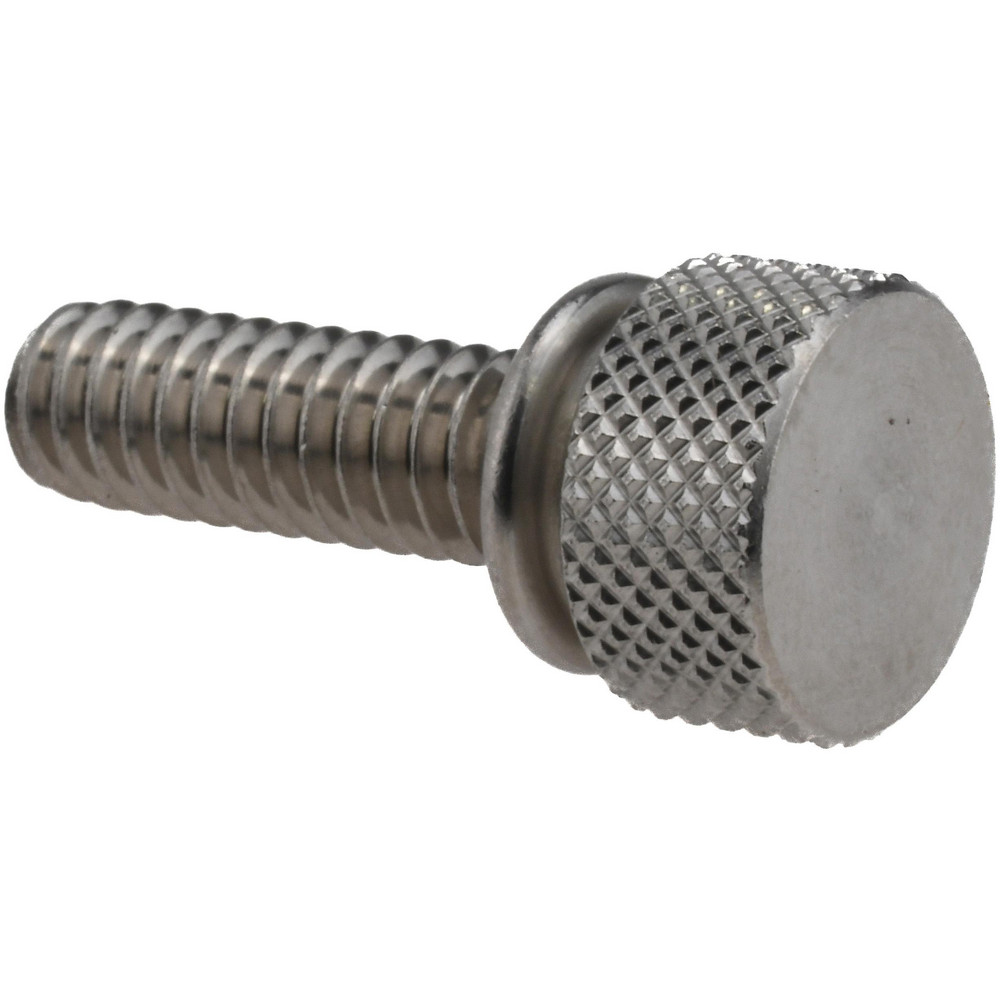
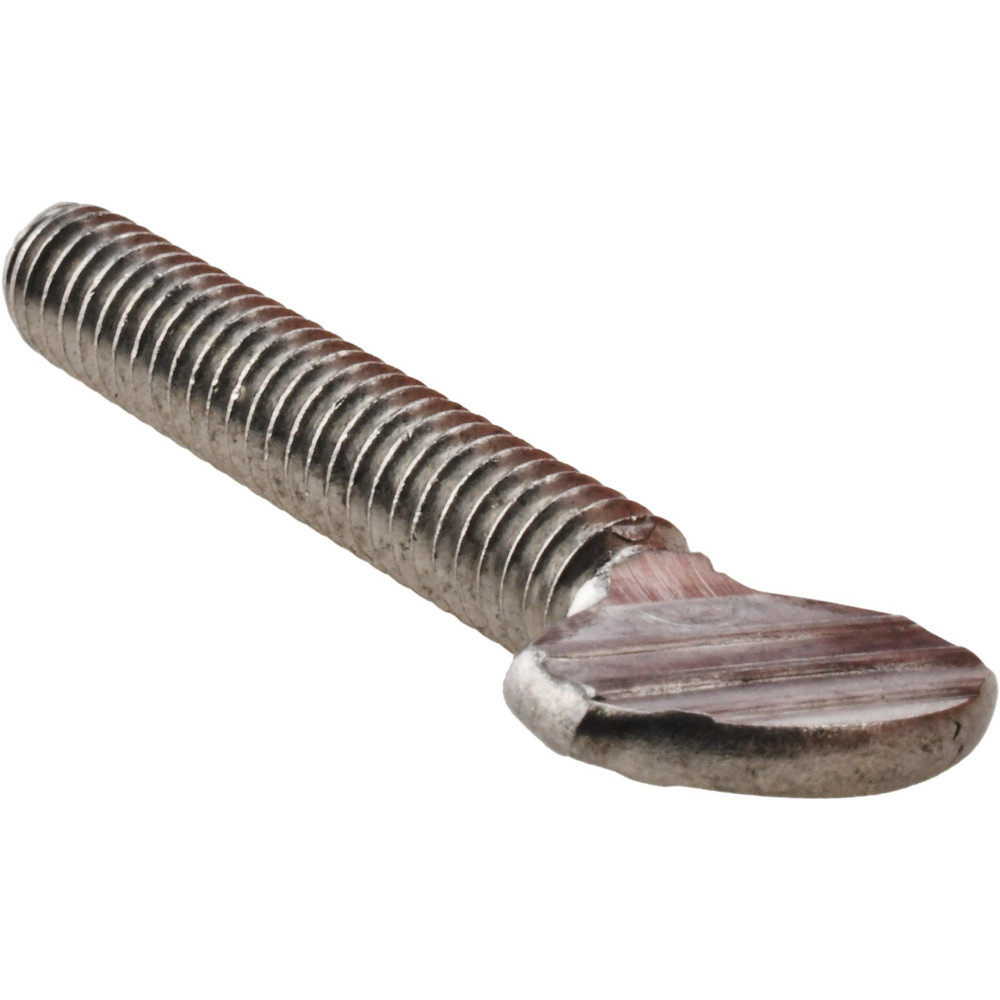
In Stock
Web Price
$6.51 / ea.
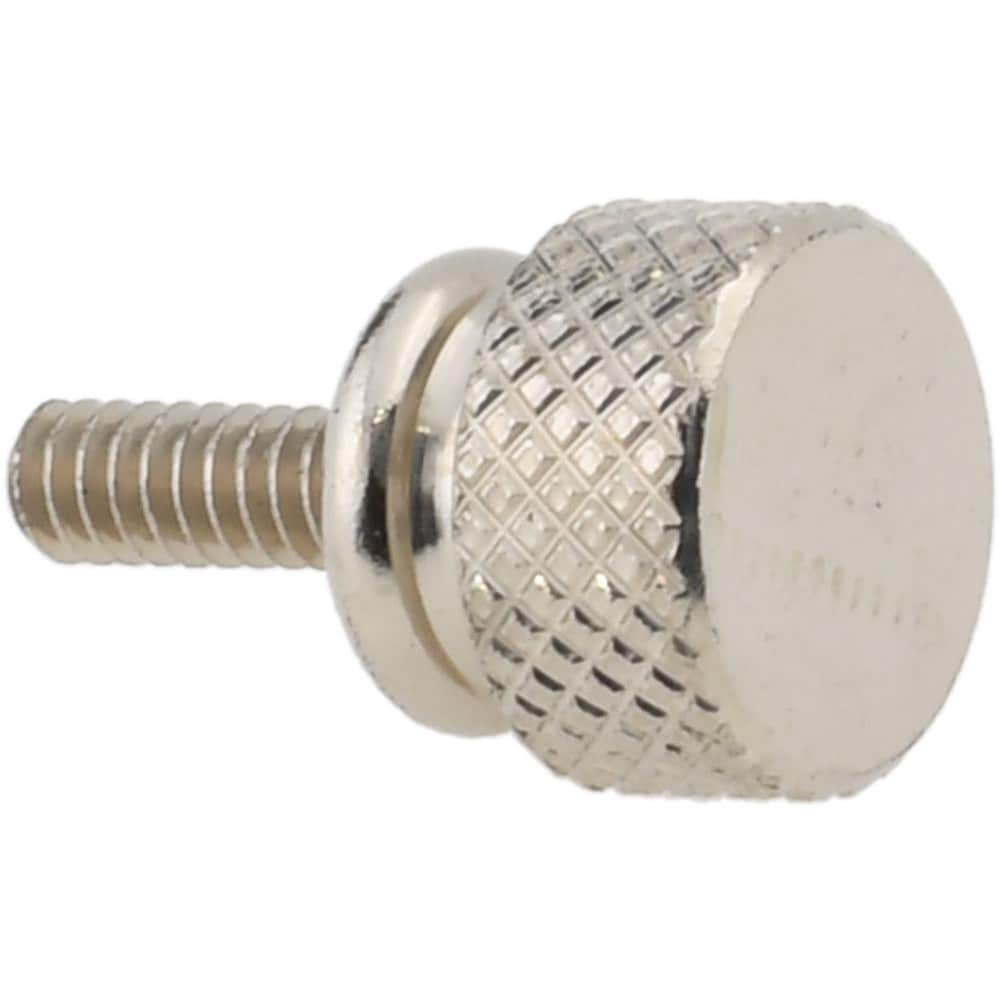
In Stock
Web Price
$11.15 / ea.
Enter in multiples of 2
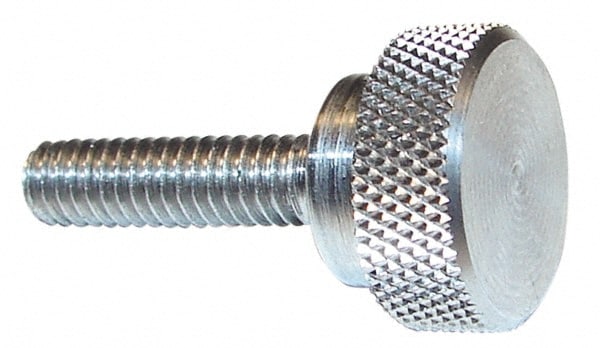
In Stock
Web Price
$5.38 / ea.
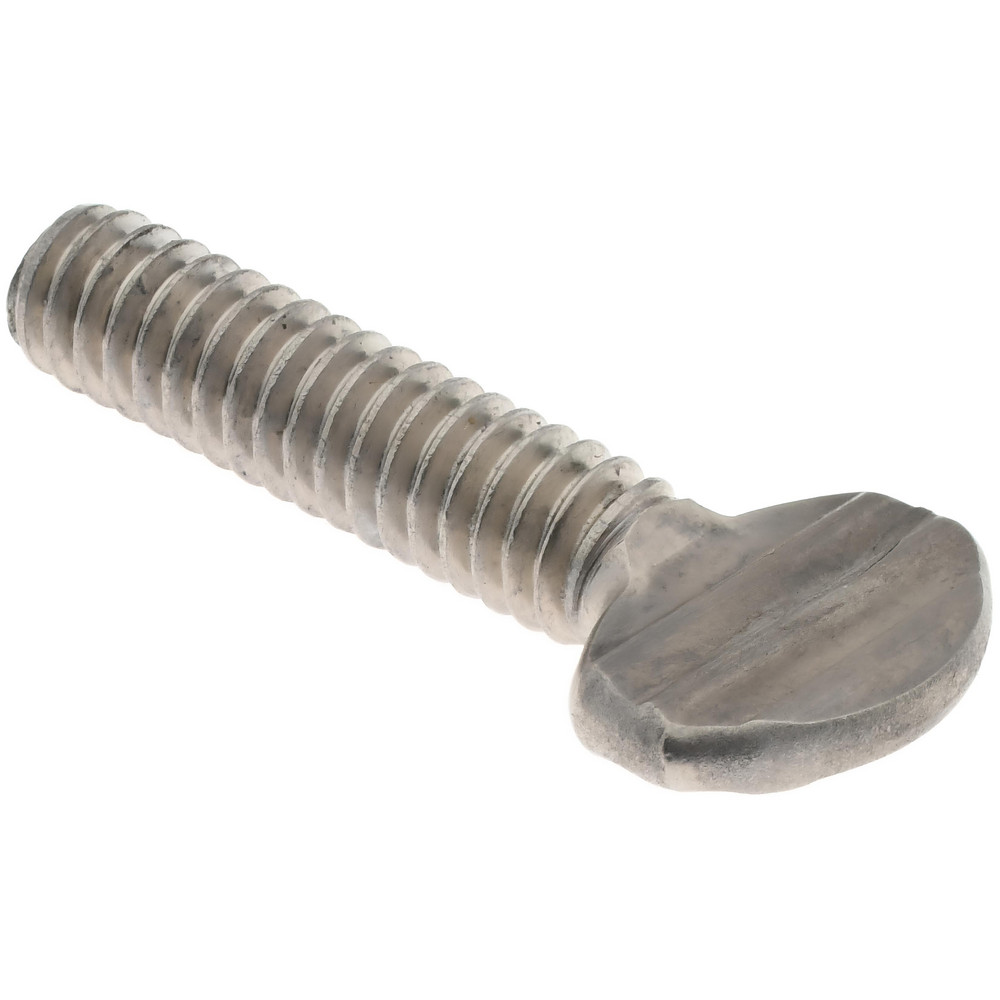
In Stock
Web Price
$4.38 / ea.
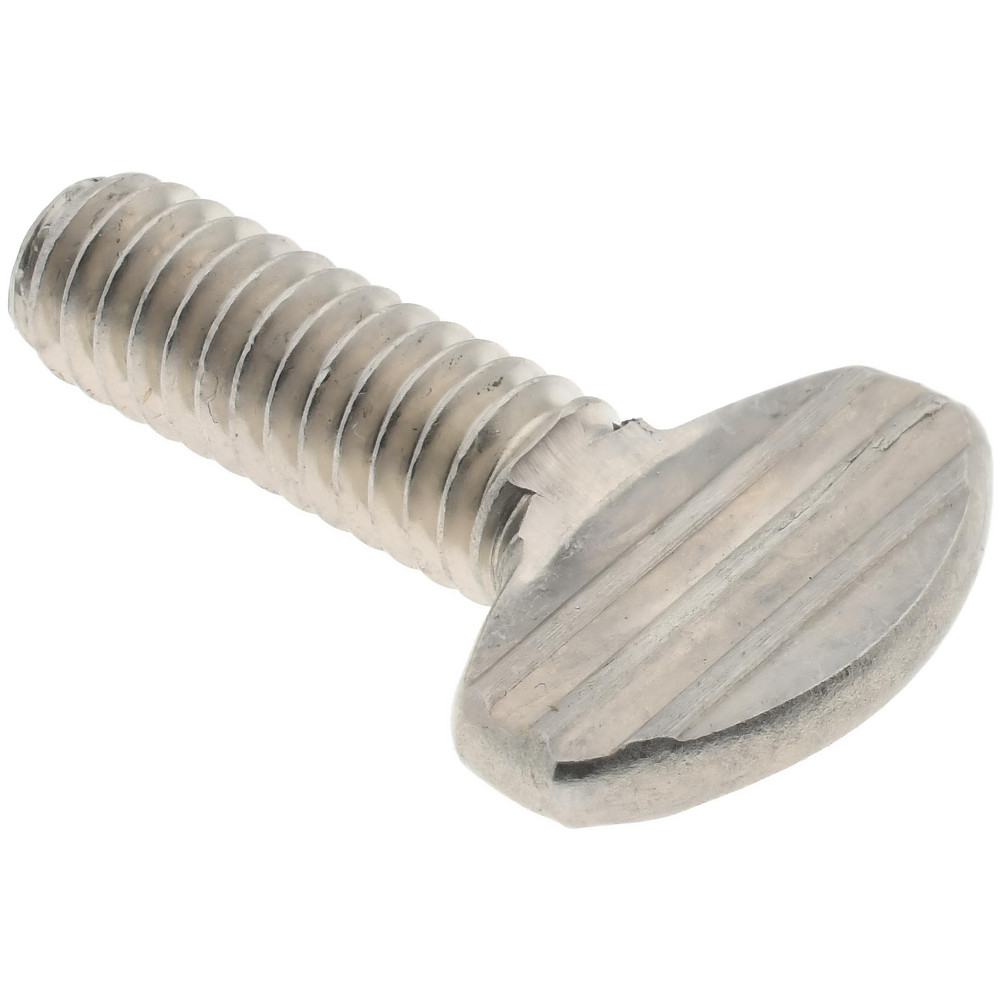
In Stock
Web Price
$4.11 / ea.
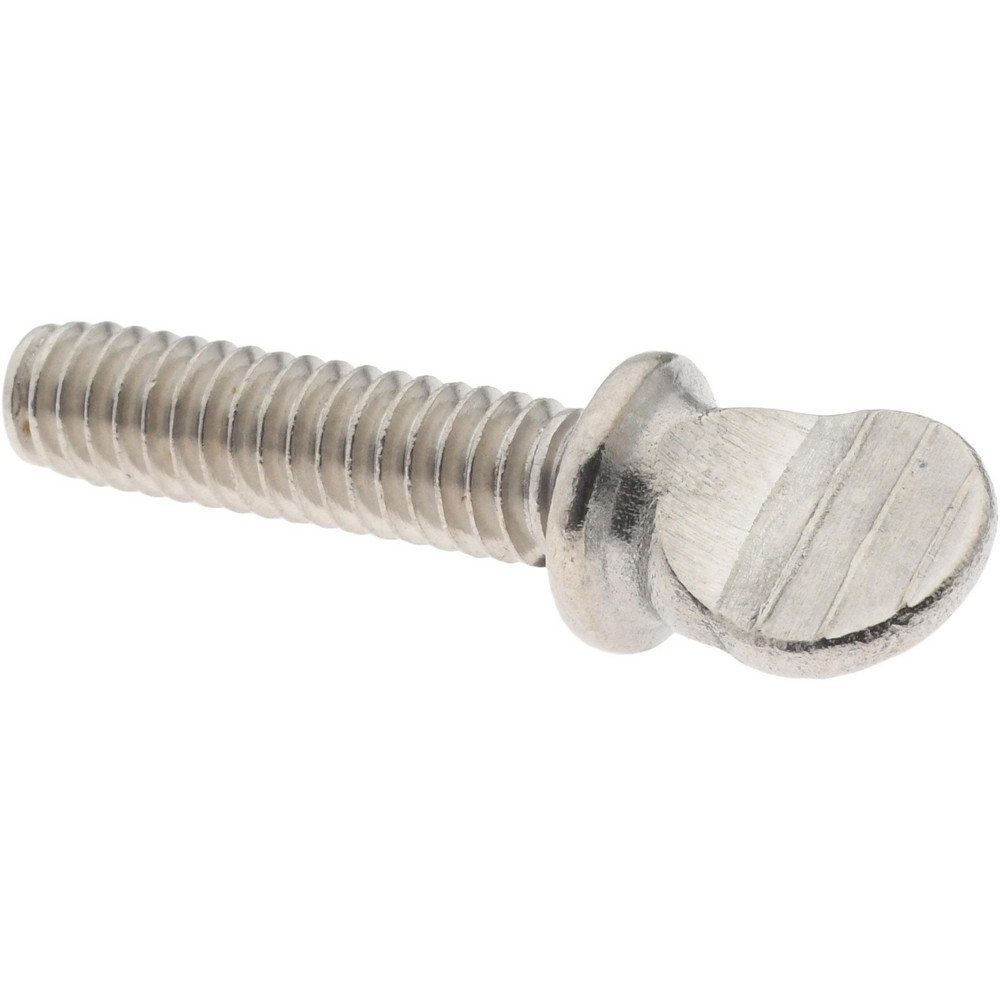
In Stock
Web Price
$5.26 / ea.
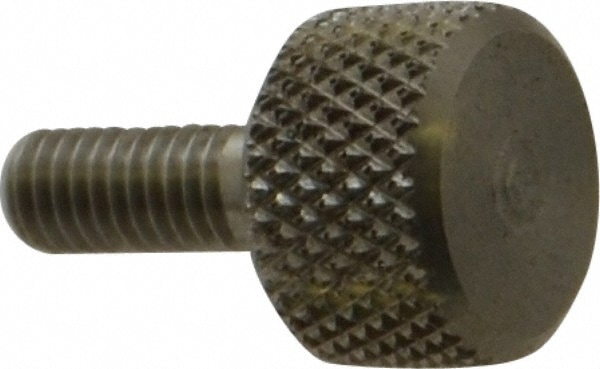
In Stock
Web Price
$3.85 / ea.
In Stock
Web Price
$11.64 / ea.
Enter in multiples of 2
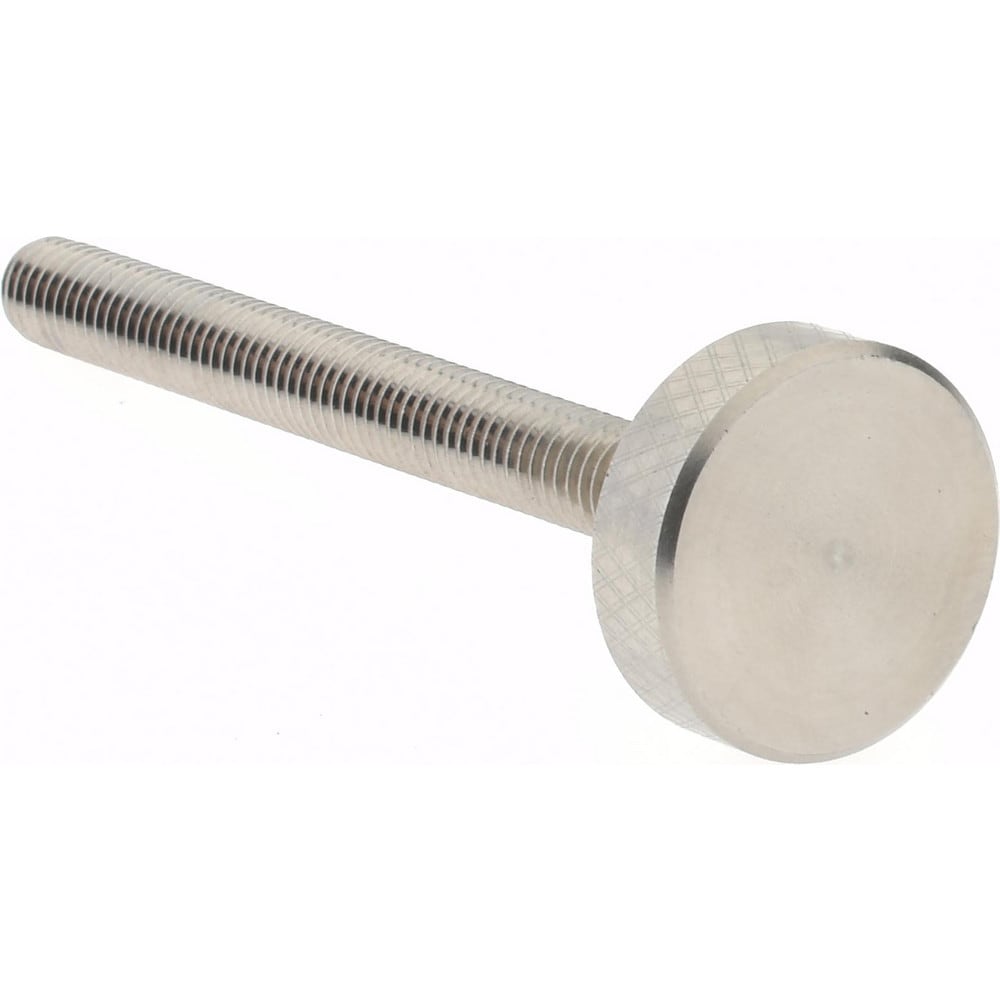
In Stock
Web Price
$22.72 / ea.
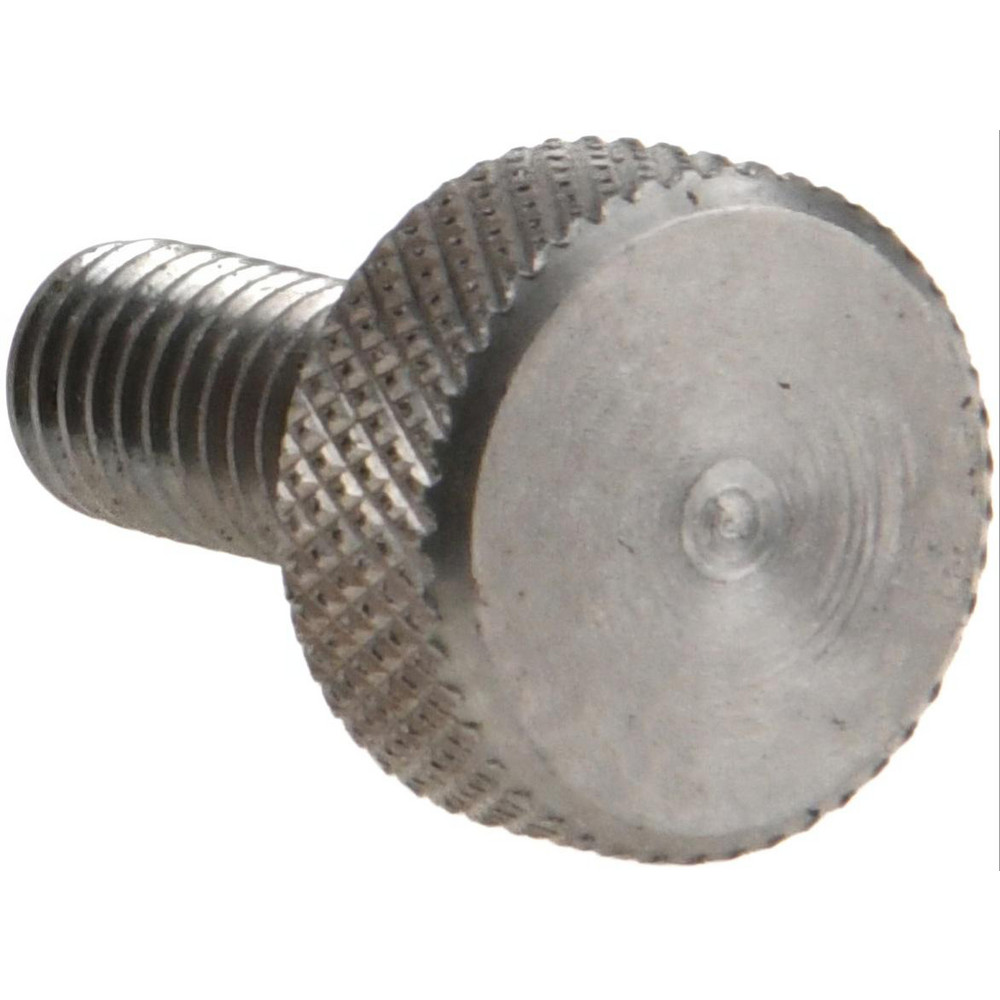
In Stock
Web Price
$6.94 / ea.
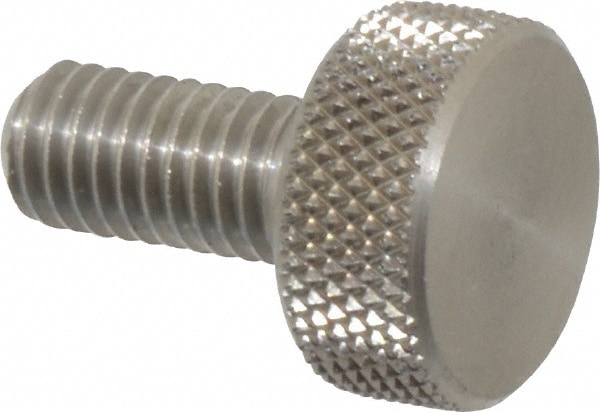
In Stock
Web Price
$6.75 / ea.
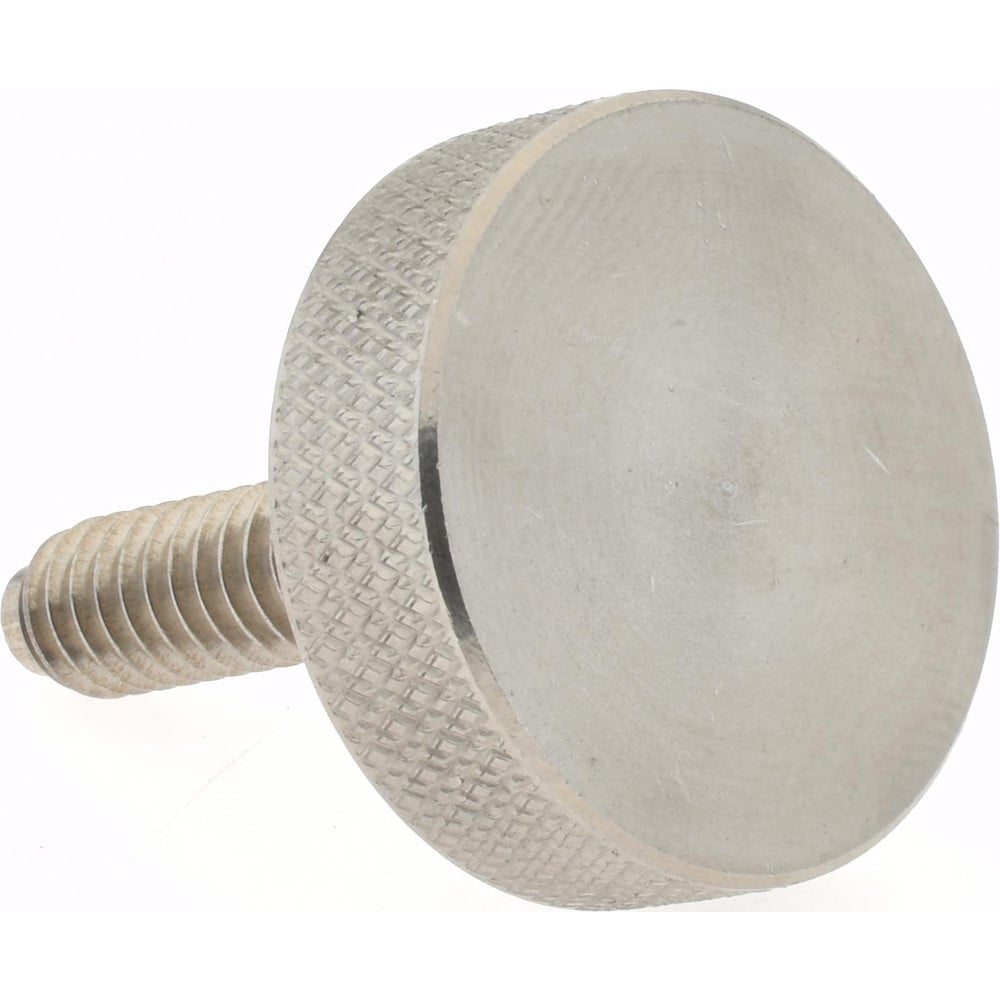
In Stock
Web Price
$20.83 / ea.
In Stock
Web Price
$16.25 / ea.
In Stock
Web Price
$10.15 / ea.
In Stock
Web Price
$8.78 / ea.
Enter in multiples of 2
In Stock
Web Price
$4.59 / ea.
In Stock
Web Price
$18.30 / ea.
In Stock
Web Price
$5.59 / ea.
In Stock
Web Price
$16.48 / ea.
In Stock
Web Price
$4.31 / ea.
In Stock
Web Price
$5.67 / ea.
In Stock
Web Price
$8.89 / ea.
Have a question?
We're here to help
Top Sellers
Thumb Screws & Hand Knobs
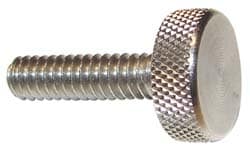
Thumb screws are ideal for applications that require frequent fastening and unfastening such as access panels. Hand knobs are used for clamping and securing. Both types are tightened by hand and may have a head for an easier grip.
Thumb Screws: A Tight Grip on Success
Having the appropriate thumb screws is essential for maintenance, repair, and operations (MRO) tasks, particularly in contexts where precision is crucial. These versatile tools are useful in various settings, from plumbing to automotive repair, enabling quick and efficient adjustments without the need for specialized equipment. Their adaptability ensures that critical adjustments can be made swiftly, facilitating seamless and efficient operations across numerous fields.
Understanding The Role of Thumb Screws
Thumb screws are distinguished by their simple and practical design. They feature large and easy-to-grip heads that enable manual adjustments without the need for tools such as screwdrivers or wrenches. This design is especially convenient in scenarios requiring rapid modifications or when operating in confined spaces, allowing for hassle-free adjustments that save both time and effort.
Enhancing Precision in Skilled Operations
Using high-quality thumb screws facilitates precise adjustments effortlessly. These screws are particularly critical in tasks requiring exact alignments, such as calibrating instrumentation or setting up sensitive machinery. The ability to adjust components manually without additional tools minimizes the risk of over-tightening or under-tightening, which can lead to equipment damage or operational inefficiencies. This degree of control is indispensable for ensuring the reliability and accuracy of operations, making thumb screws a vital component of technical tasks.
Applications Across Industries
Thumb screws are exceptionally versatile and are utilized across a wide range of MRO fields:
Metalworkers and Welders: They leverage the screws to performing quick adjustments of fixtures and jigs, enhancing workflow efficiency during metal fabrication.
Electricians and Telecommunications Technicians: They use the screws to secure access panels and equipment cases, ensuring easy and reliable access during installation or maintenance tasks.
HVAC Technicians and Plumbers: Thumb screws are instrumental in fastening components in HVAC units and plumbing fixtures, as they enable quick adjustments and repairs without the need for specialized tools.
Auto Mechanics: They utilize the screws to streamline the assembly and maintenance processes of vehicles, significantly reducing downtime and enhancing service efficiency.
Facility Managers and Building Inspectors: They rely on the screws for the easy adjustments and maintenance of building equipment, facilitating ongoing upkeep and compliance with safety standards.
Choosing the Right Thumb Screw
Selecting the correct screw for your project is crucial. It’s important to consider the environment where the screw will be used, as factors like exposure to chemicals, temperature fluctuations, and physical stresses can impact the quality and performance of the screws.
Material choice: Select a material that matches the operational environment to ensure durability and resistance to conditions prone to corrosion or chemical exposure.
Head style: Choose a head style that provides comfort and is suitable for the grip in your specific application.
Thread size and type: Ensure that these specifications are compatible with the existing equipment to guarantee a secure fit and optimal performance.
Material and Finishes
The choice of material and finish for thumb screws can impact their performance in specific environments. For instance, stainless steel screws might be unnecessary for simple indoor applications but are essential in harsh outdoor or corrosive environments. Similarly, the choice of finish can enhance the longevity and functionality of thumb screws across various professional settings.
For Materials:
Metal Thumb Screws: These are often made from stainless steel, brass, or aluminum, which make them durable and resistant to corrosion. Stainless steel is particularly valued in environments prone to moisture or chemicals, such as in food processing or marine applications. Aluminum thumb screws are lighter, making them ideal for applications where weight is a concern.
Plastic Thumb Screws: These are typically used in applications where less force is required. They are corrosion-resistant and lighter than metal, making them suitable for electronic devices and other applications sensitive to magnetic interference or weight.
For Finishes:
Zinc Plating: Offers corrosion resistance and a shiny finish - commonly applied to steel thumb screws, zinc plating. It’s ideal for general industrial use where moderate corrosion resistance is sufficient.
Black Oxide: Provides mild corrosion resistance and reduces light reflection, which can be beneficial in entertainment and military applications, where non-reflective surfaces are required.
Anodized Finish: Allows for color coding of screws for easy identification. It’s used primarily on aluminum thumb screws; anodizing enhances corrosion and wear resistance.
Head Style Selection
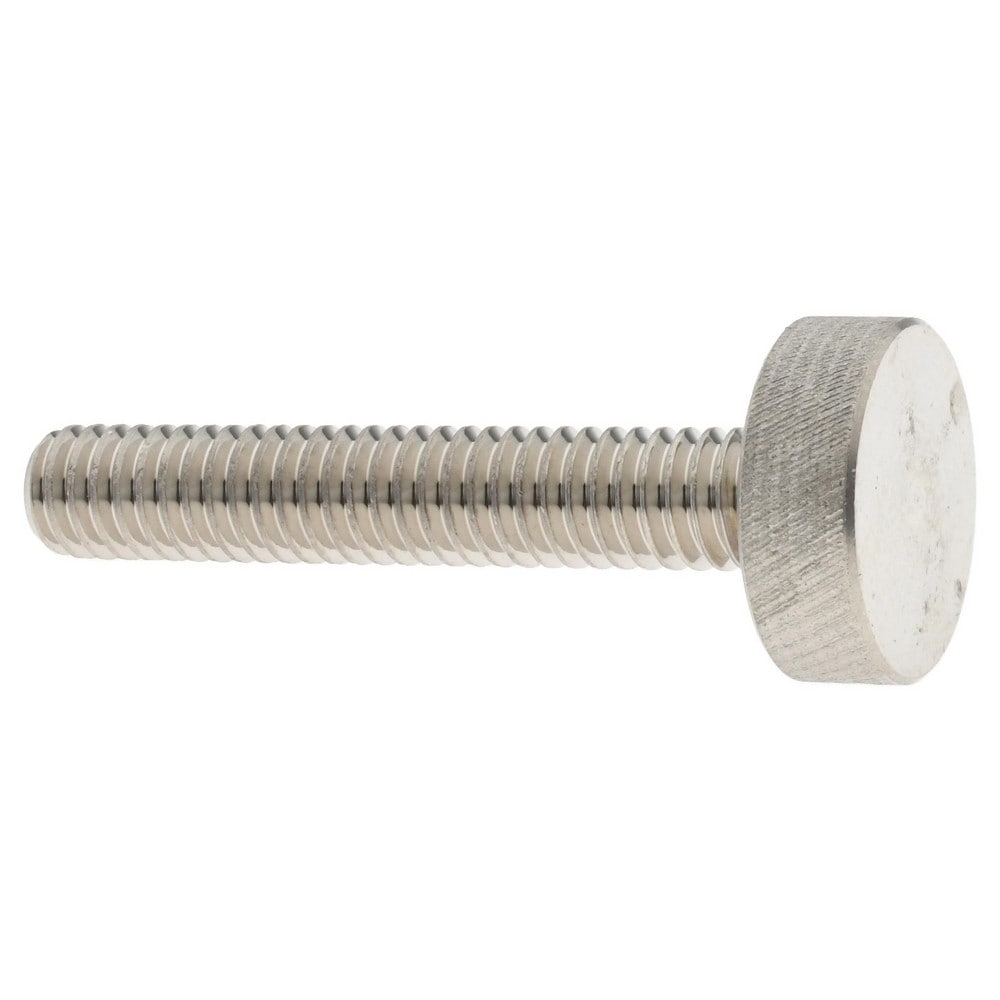
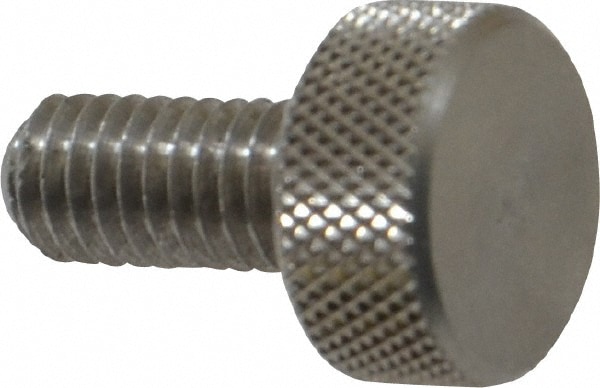
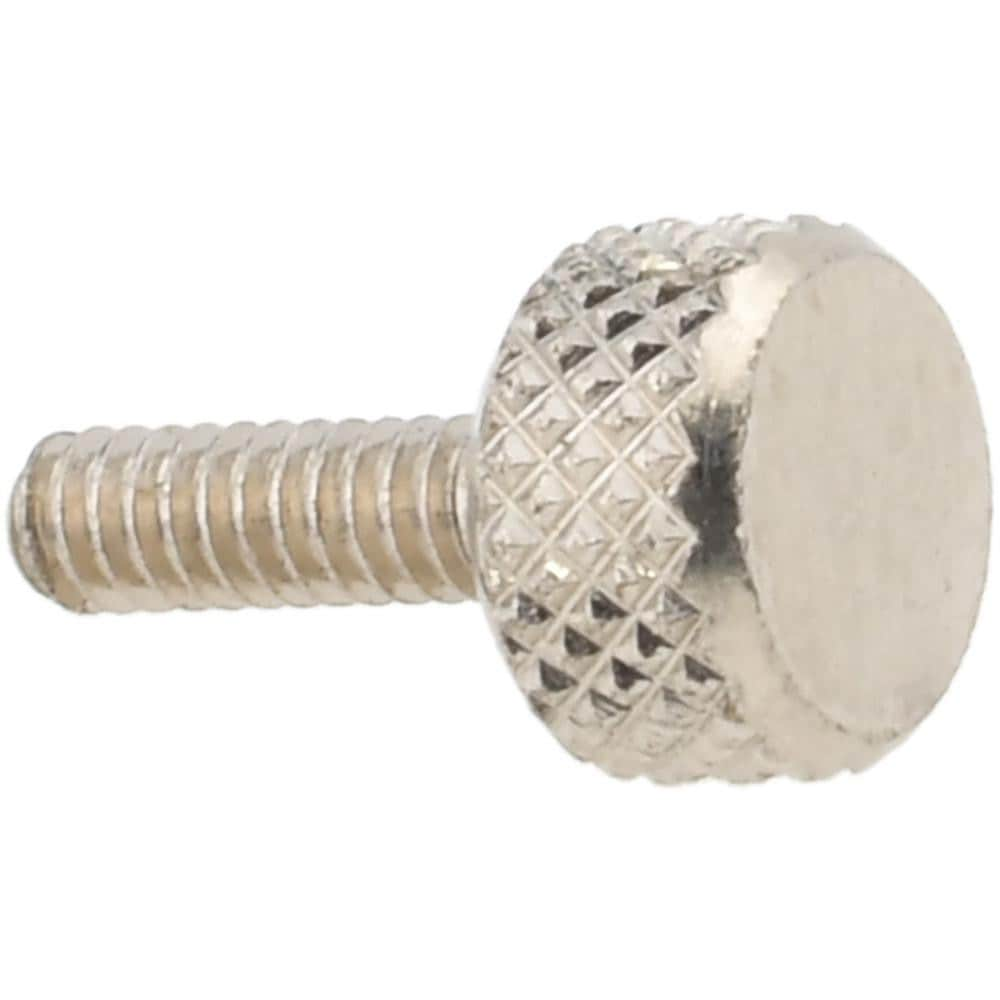
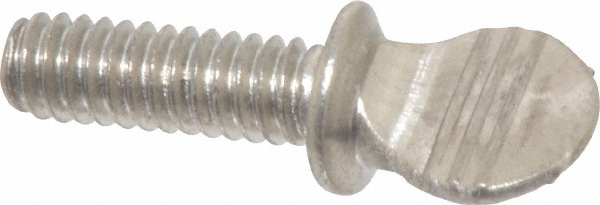
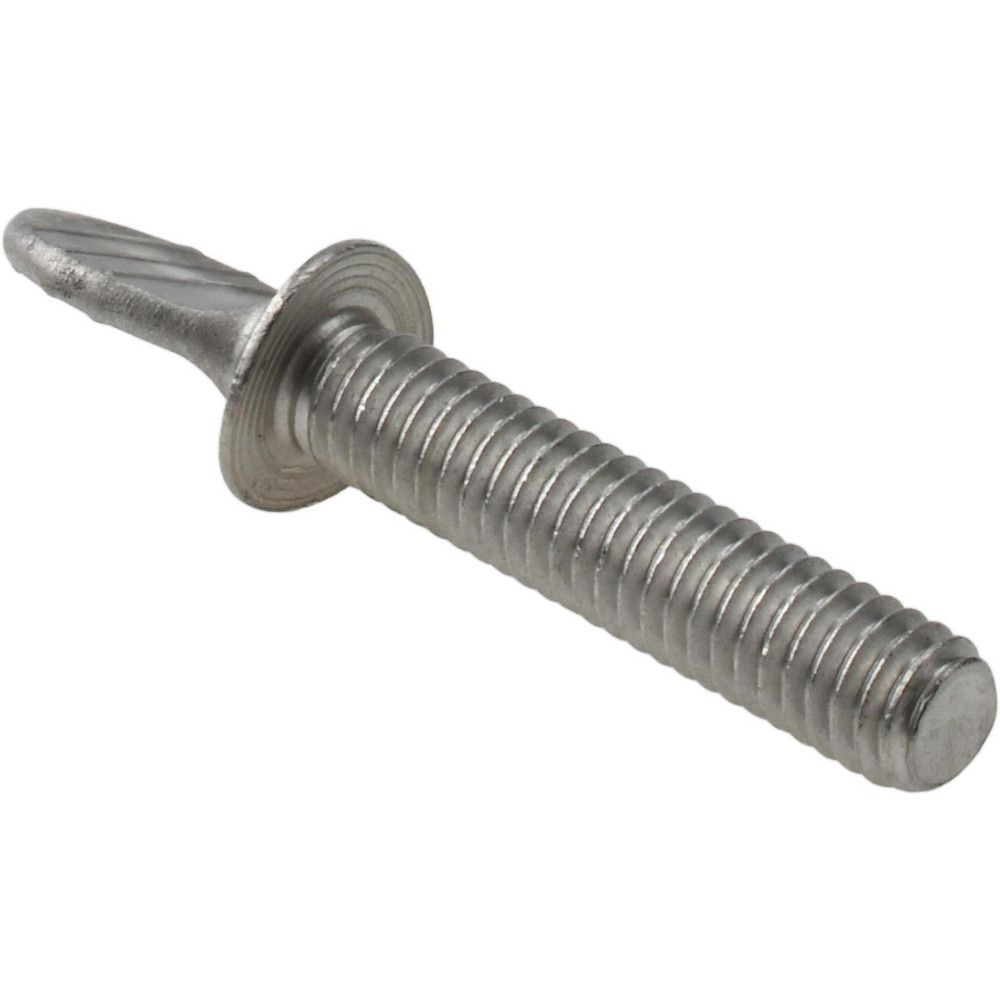
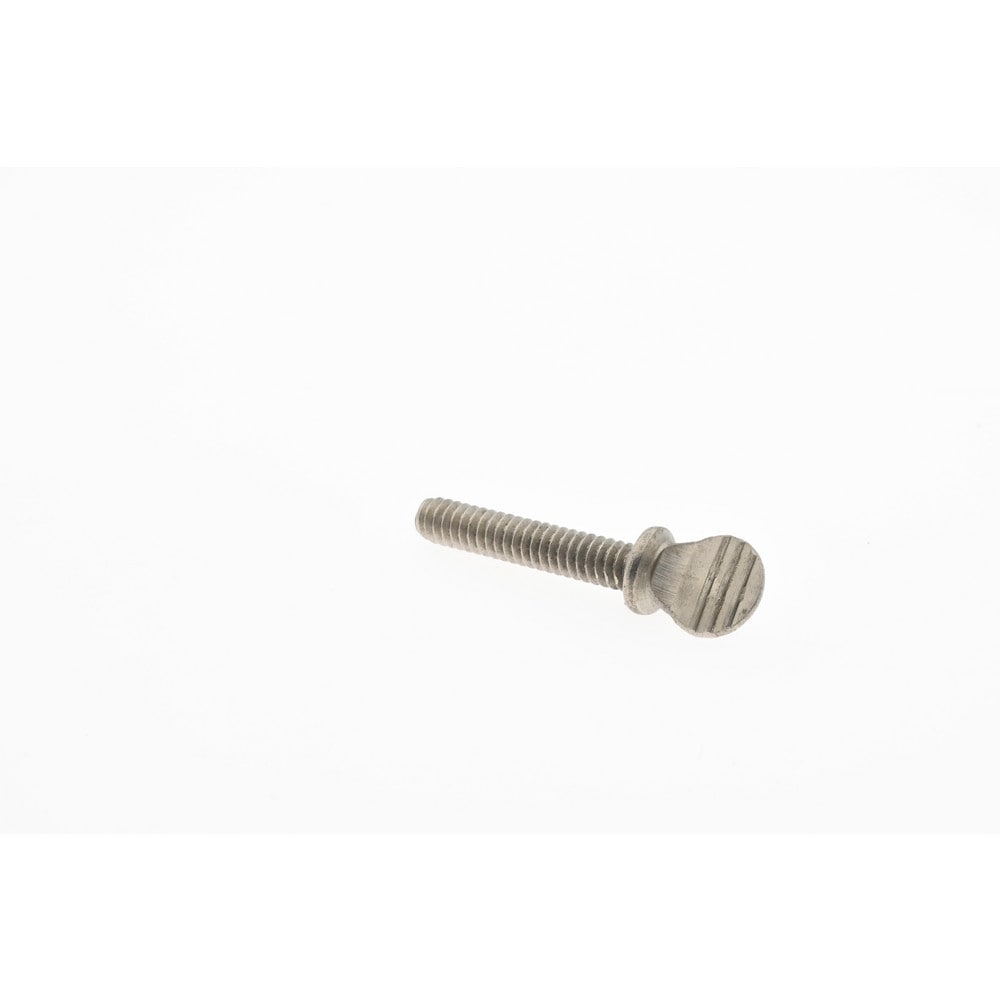
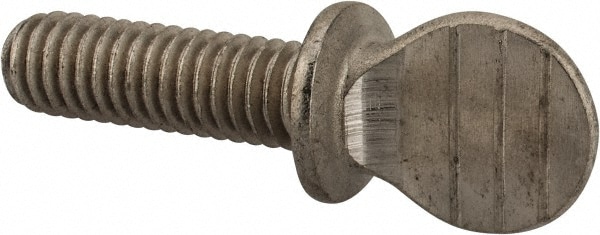
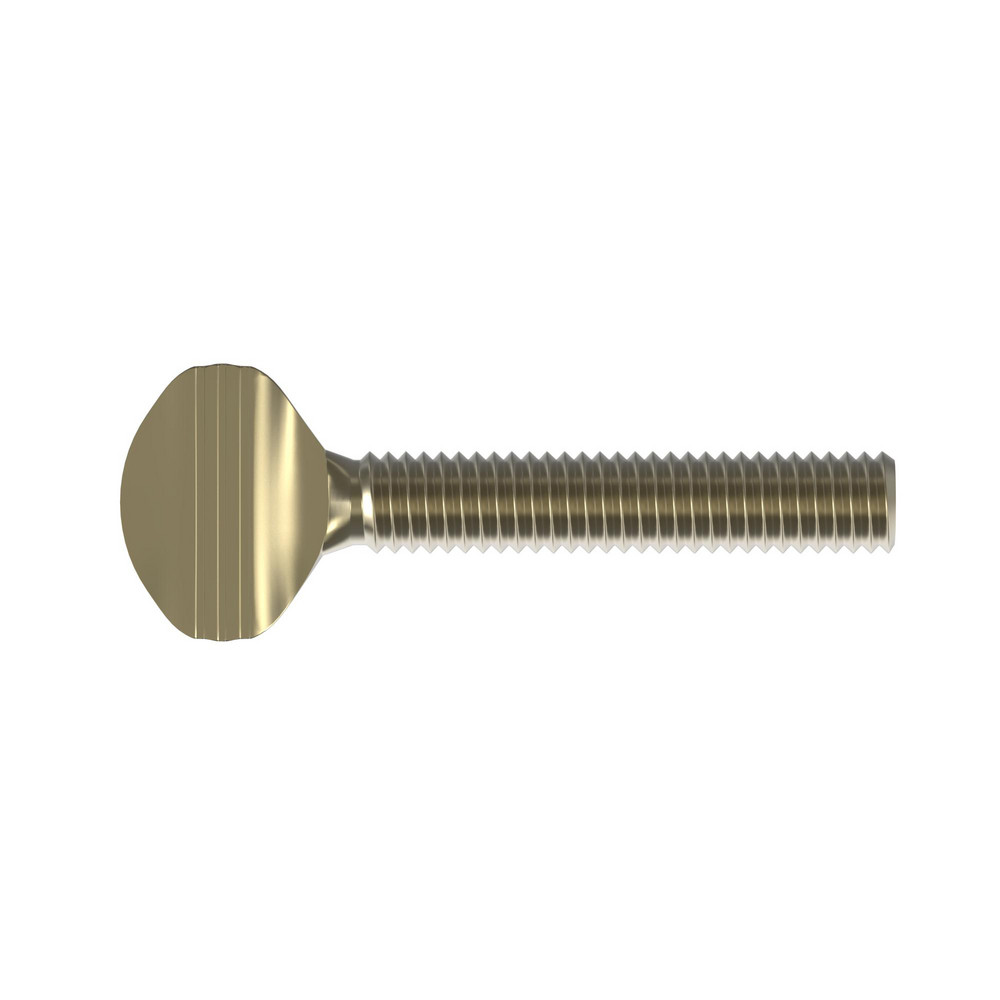
The head style is crucial for ensuring user comfort and effective grip. Common head styles include knurled, spade, and winged. Knurled thumb screws are designed with a textured surface to allow for easy gripping and turning by hand, which makes them ideal for applications requiring frequent adjustments. Spade heads, on the other hand, offer a flat surface that can be turned with an open hand, reducing fatigue in applications involving repetitive use. Winged thumb screws have large wing-like projections that provide excellent leverage, making them suitable for scenarios where more torque is needed without the use of additional tools. Choosing the right head style enhances the usability of the thumb screws, ensuring that adjustments can be made comfortably and efficiently.
Thread Size and Type
Thread size and type are critical factors in ensuring that thumb screws are compatible with existing equipment. They come in a variety of thread sizes and types, including metric and imperial measurements, which should match the threads of the nuts or tapped holes they engage with. Coarse threads are typically more durable and easier to handle, making them suitable for most general applications, especially in soft materials where quick, easy fastening and unfastening are beneficial. Fine threads, however, are better suited for applications requiring greater precision and strength, such as in harder materials or when load distribution needs to be more finely tuned. Ensuring the correct thread size and type is essential to prevent cross-threading and to guarantee a secure fit, maintaining the integrity and stability of the entire assembly.
Maintenance and Care Tips
To get the most out of your thumb screws, regular maintenance is essential. Keep them clean, free of debris, and lubricate the threads periodically to prevent seizing, especially in environments prone to corrosion or extreme conditions.
Unlocking Your Potential with Thumb Screws
Thumb screws offer you unbridled simplicity and effectiveness. They are crucial for maintaining high productivity and standards on any job. Integrating them into your toolkit allows for quick adjustments, leading to streamlined operations and reduced downtime.
