



Shop all our special offers today -
Shop Now
Shoulder Screws & Stripper Bolts
962 items returned
Loading

Applied Filters
Category:
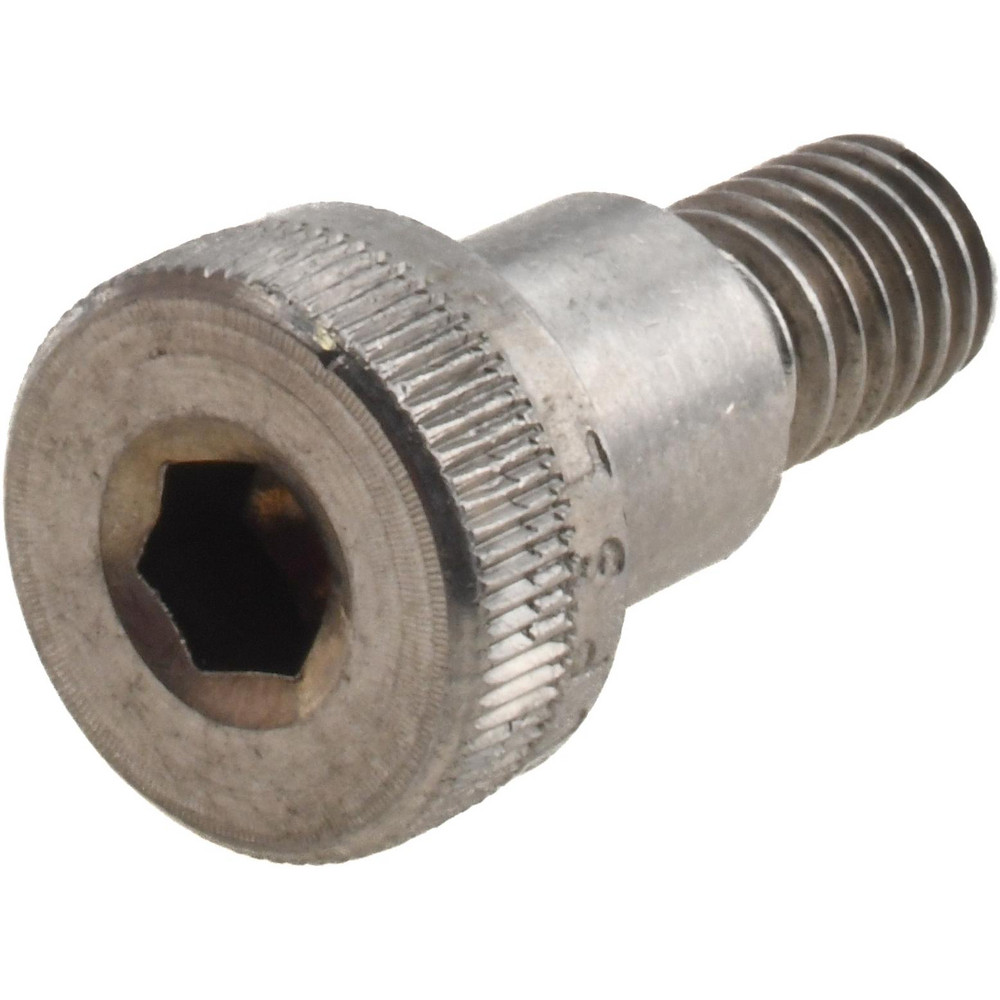
In Stock
Web Price
$10.97 / ea.
Enter in multiples of 5
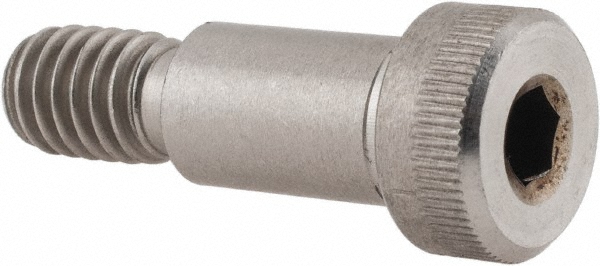
In Stock
Web Price
$5.40 / ea.
Enter in multiples of 10
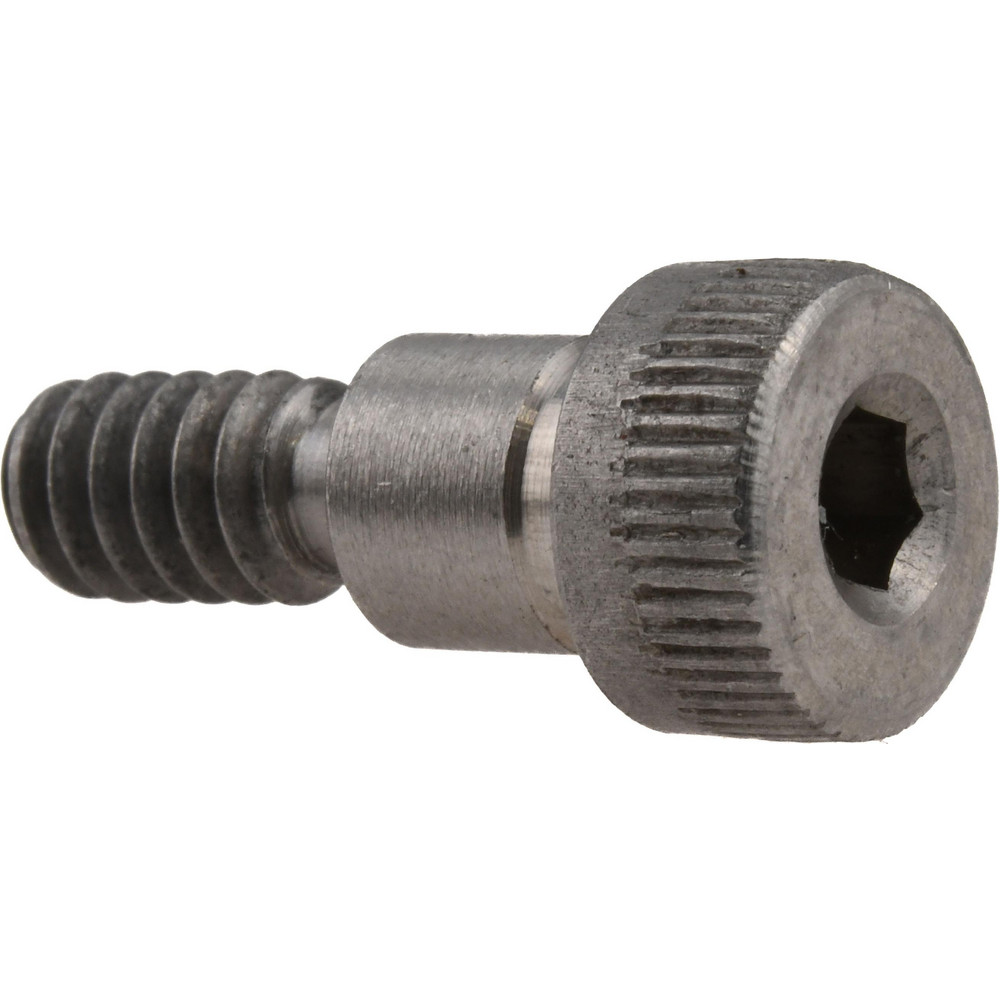
In Stock
Web Price
$2.79 / ea.
Enter in multiples of 5
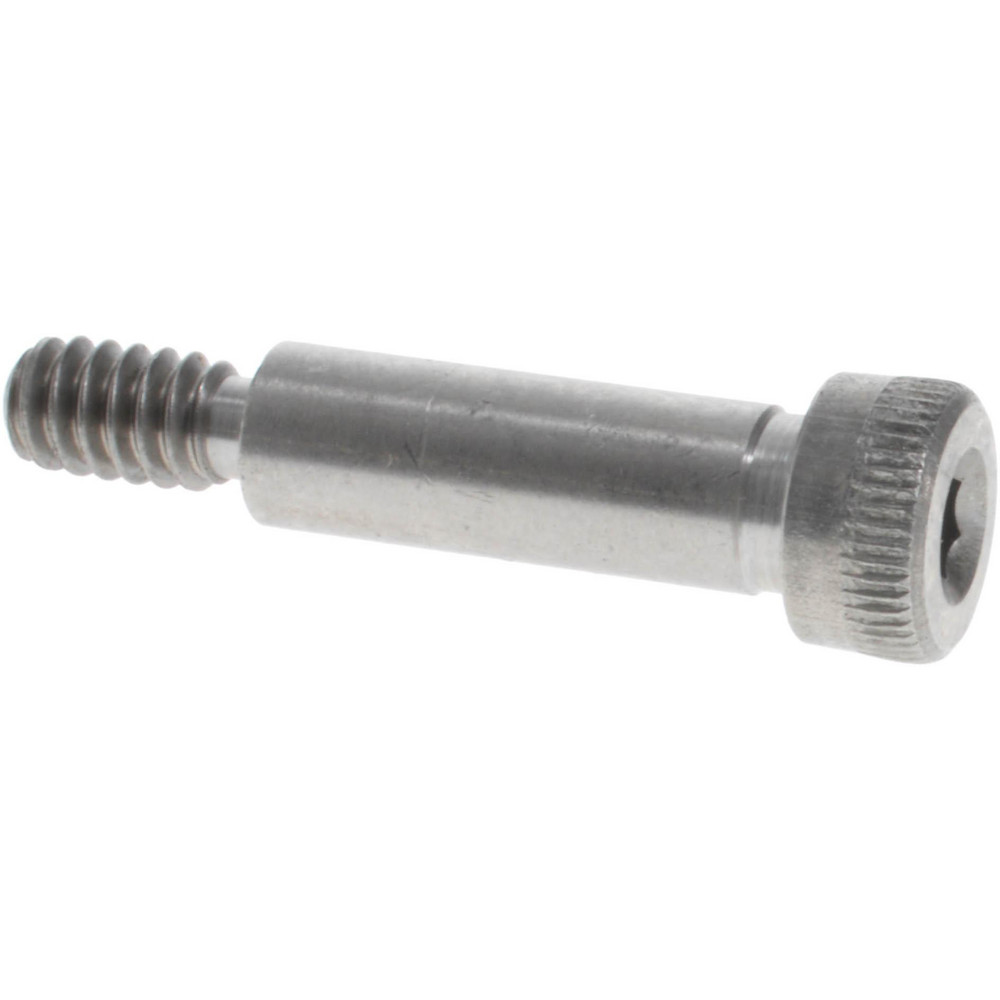
In Stock
Web Price
$3.63 / ea.
Enter in multiples of 10
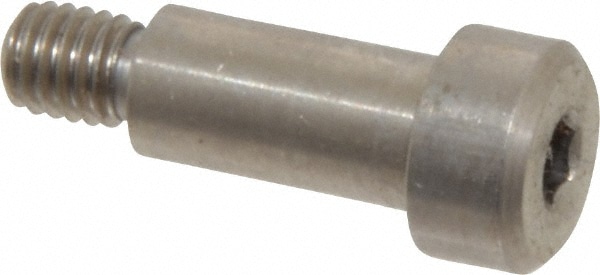
In Stock
Web Price
$5.67 / ea.
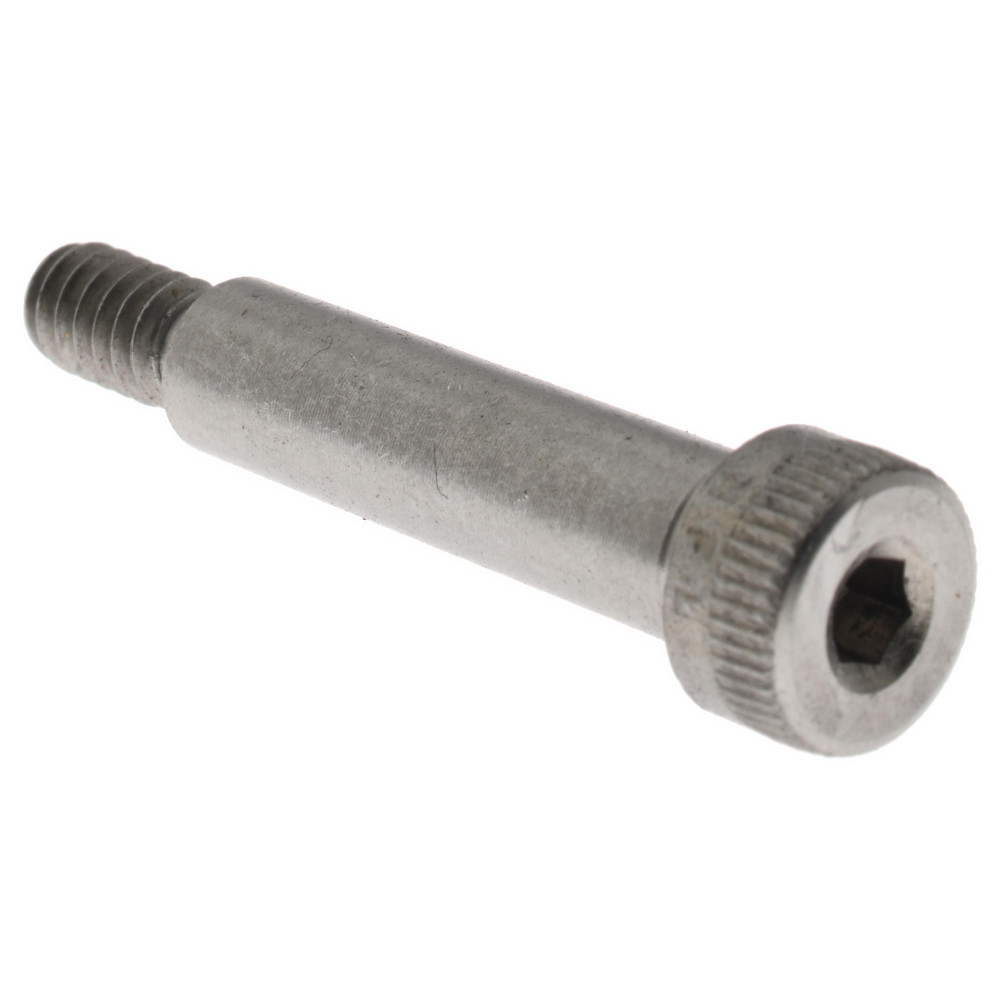
In Stock
Web Price
$3.77 / ea.
Enter in multiples of 10
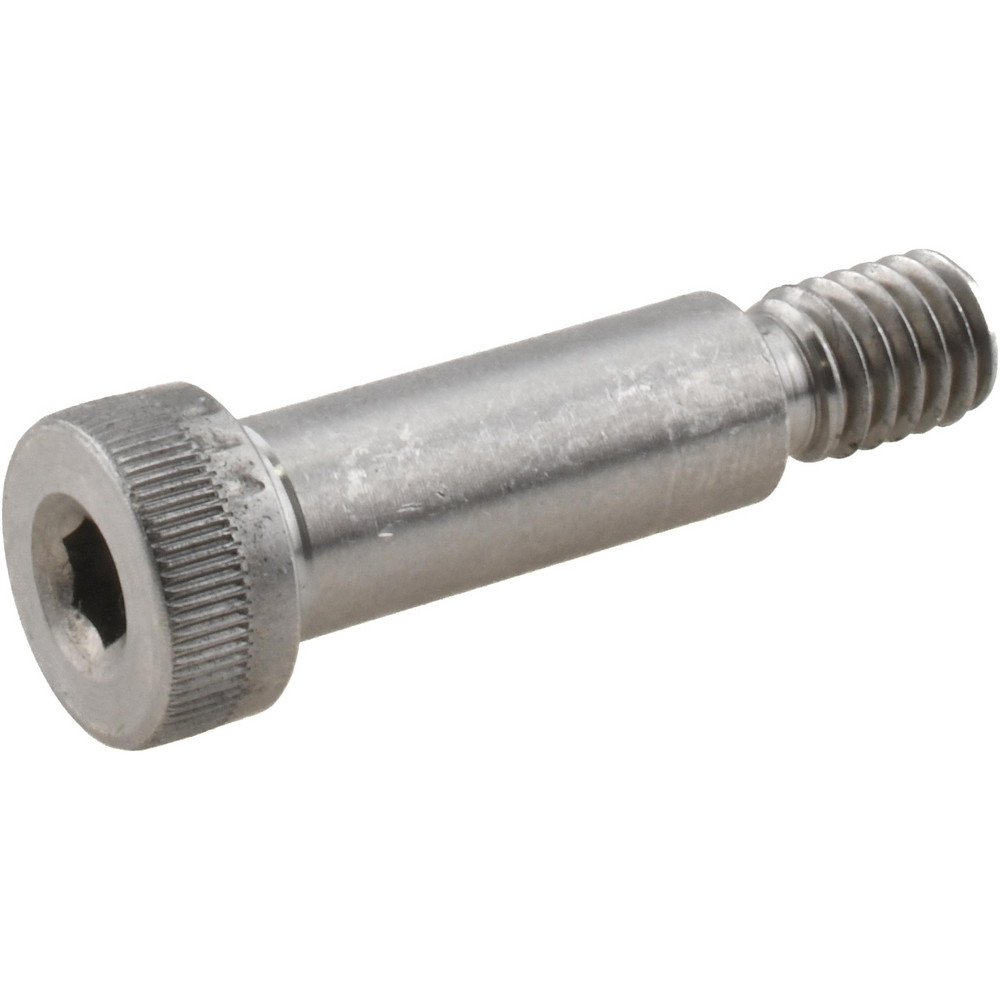
In Stock
Web Price
$6.64 / ea.
Enter in multiples of 10
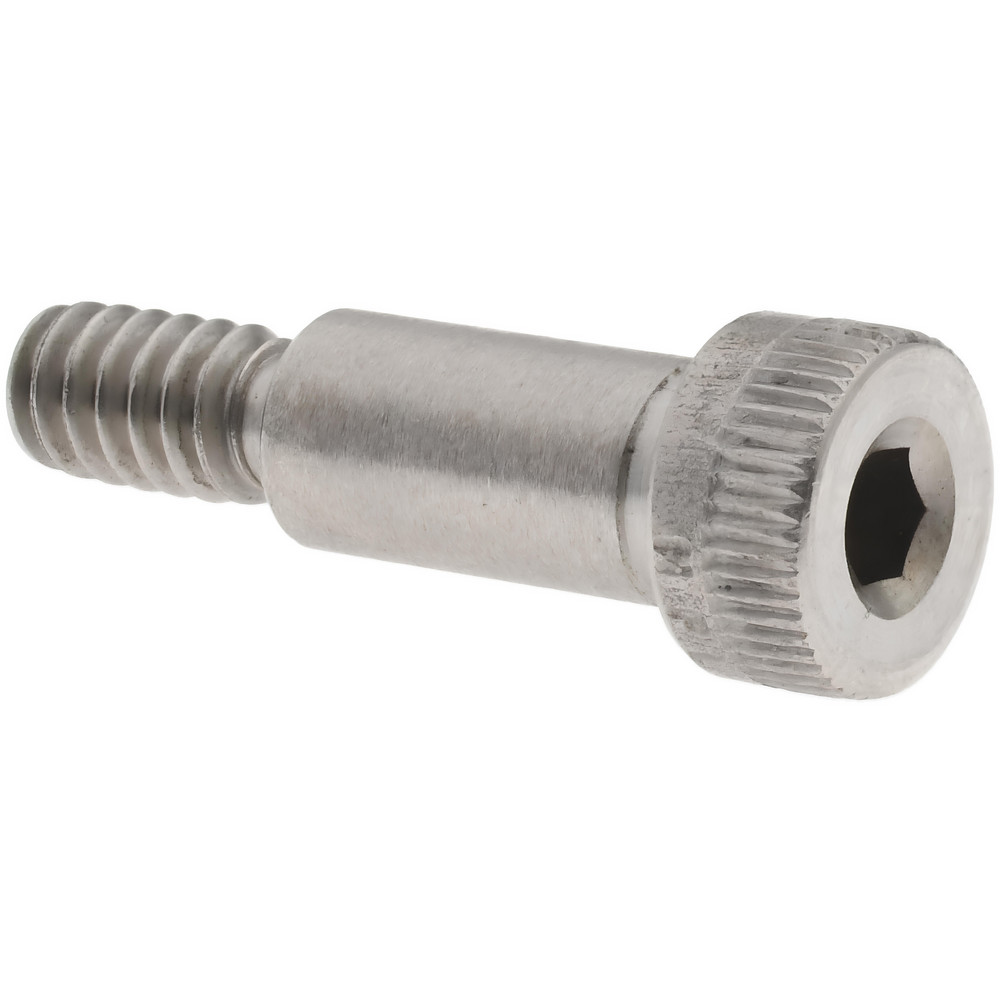
In Stock
Web Price
$3.35 / ea.
Enter in multiples of 10
In Stock
Web Price
$6.77 / ea.
Enter in multiples of 5
In Stock
Web Price
$24.86 / ea.
Enter in multiples of 5
In Stock
Web Price
$7.09 / ea.
Enter in multiples of 10
In Stock
Web Price
$8.82 / ea.
Enter in multiples of 10
In Stock
Web Price
$5.05 / ea.
Enter in multiples of 10
In Stock
Web Price
$4.61 / ea.
Enter in multiples of 10
In Stock
Web Price
$4.68 / ea.
Enter in multiples of 10
In Stock
Web Price
$4.28 / ea.
Enter in multiples of 10
In Stock
Web Price
$4.95 / ea.
In Stock
Web Price
$1.38 / ea.

In Stock
Web Price
$14.76 / ea.
Enter in multiples of 5
In Stock
Web Price
$5.20 / ea.
Enter in multiples of 10
In Stock
Web Price
$5.38 / ea.
Enter in multiples of 10
In Stock
Web Price
$16.72 / ea.
Enter in multiples of 5
In Stock
Web Price
$2.39 / ea.
Enter in multiples of 5
In Stock
Web Price
$7.94 / ea.
Enter in multiples of 10
Have a question?
We're here to help
Top Sellers
Shoulder Screws & Stripper Bolts
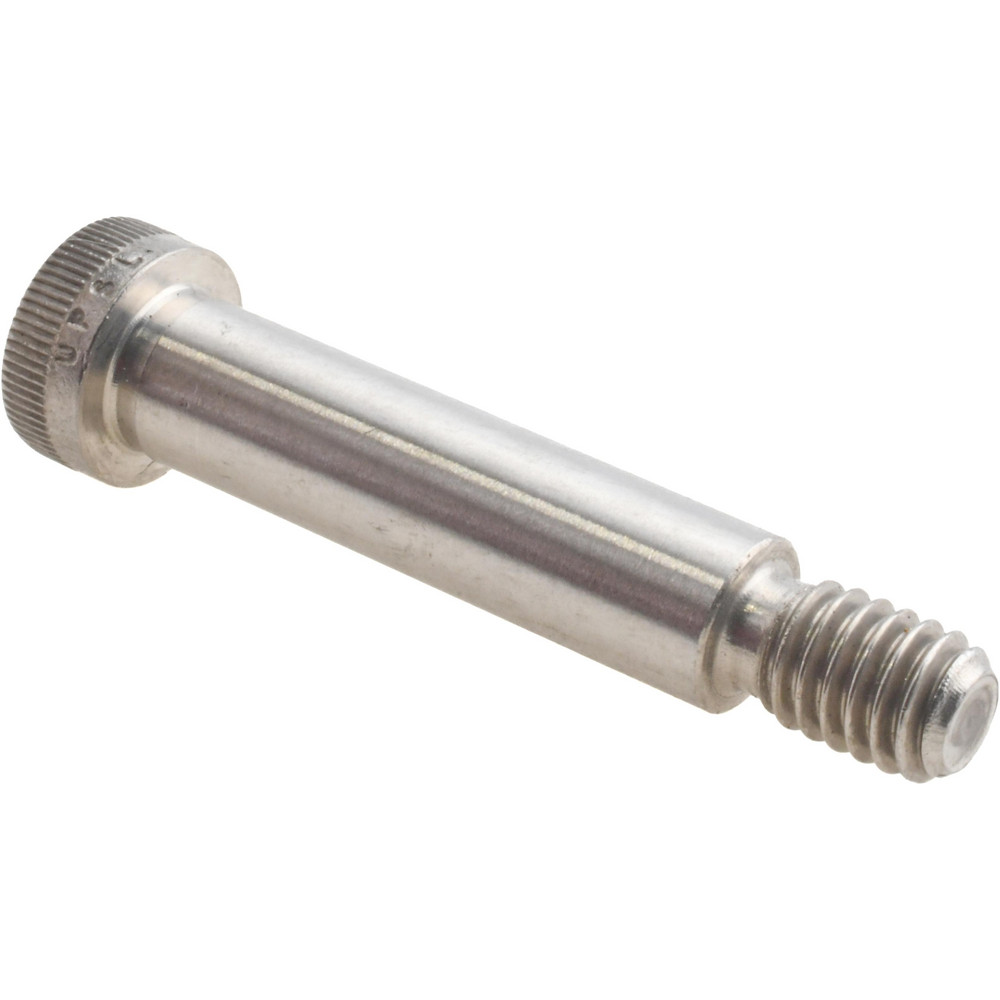
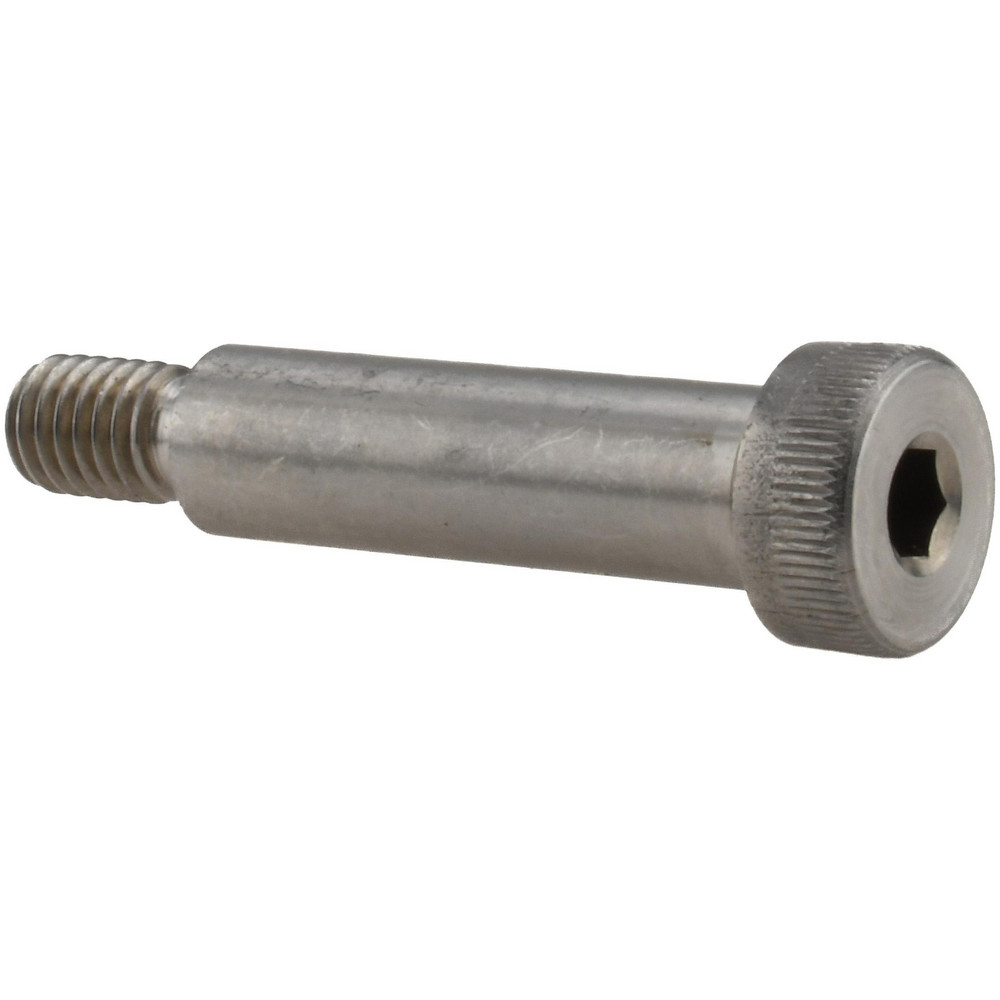
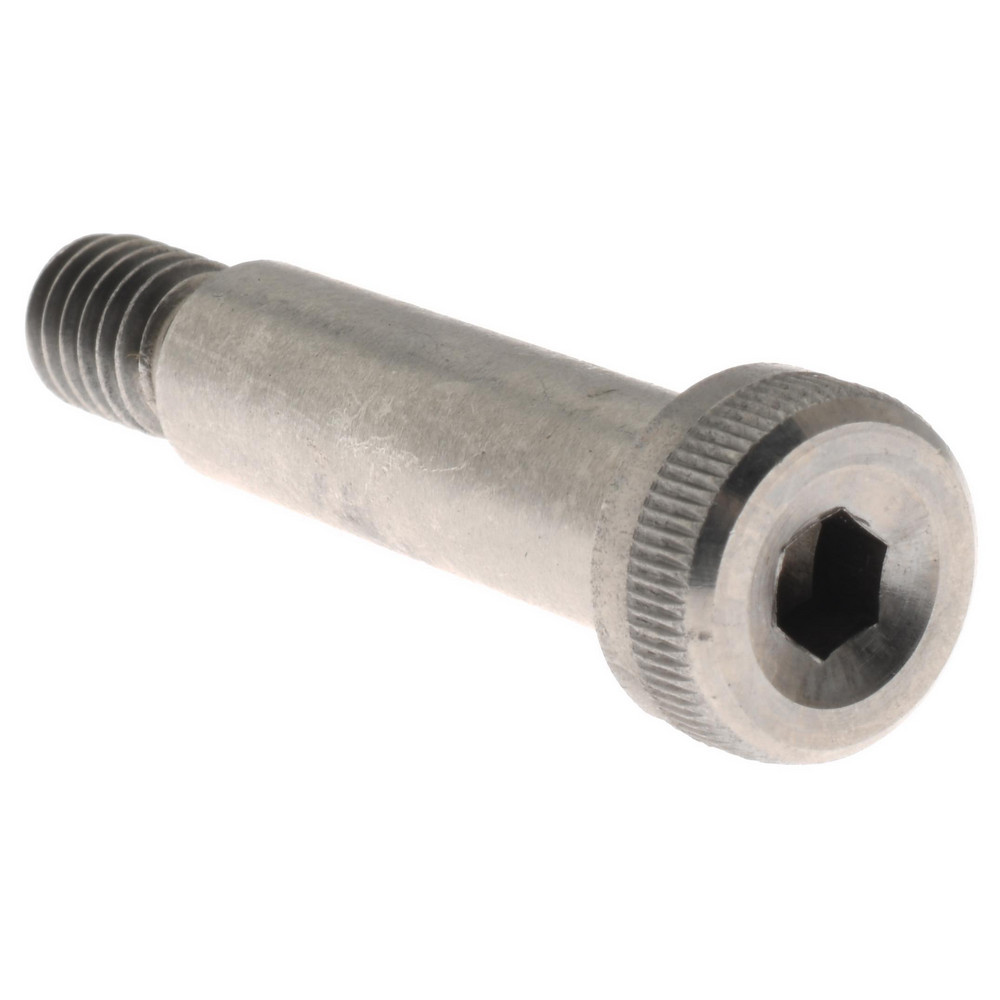
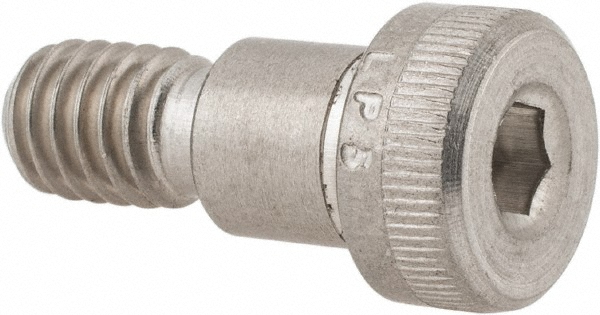
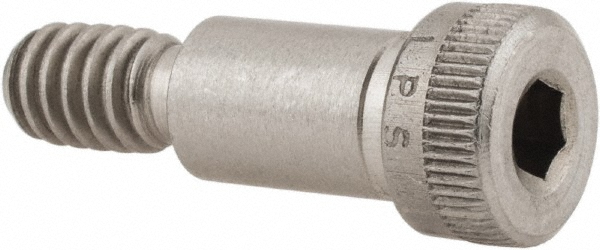
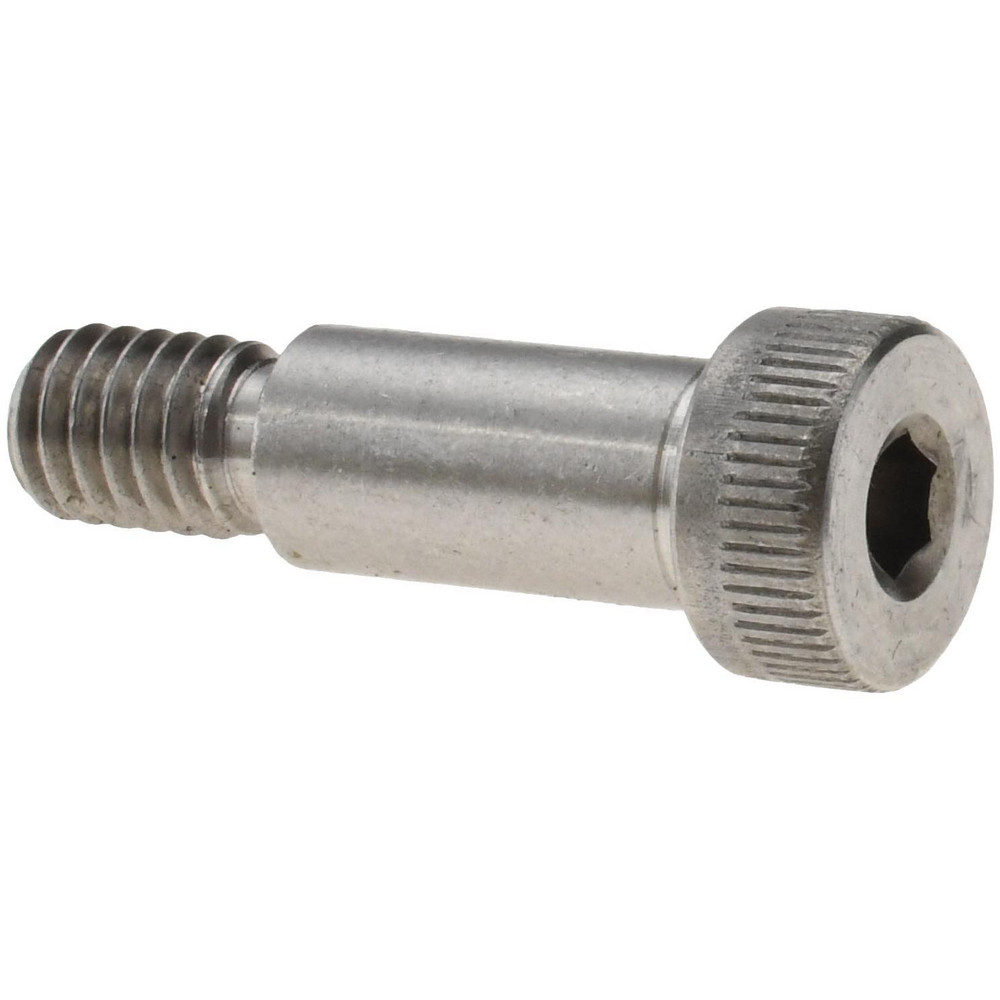
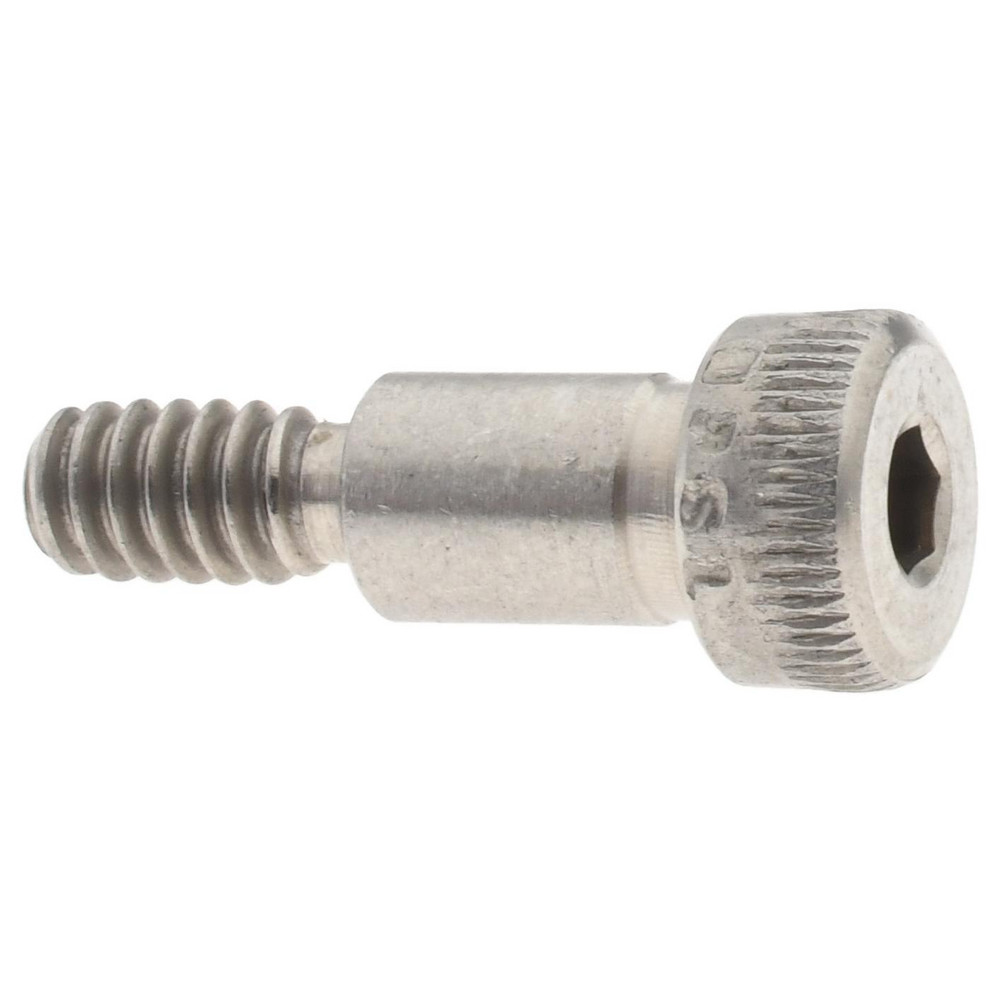
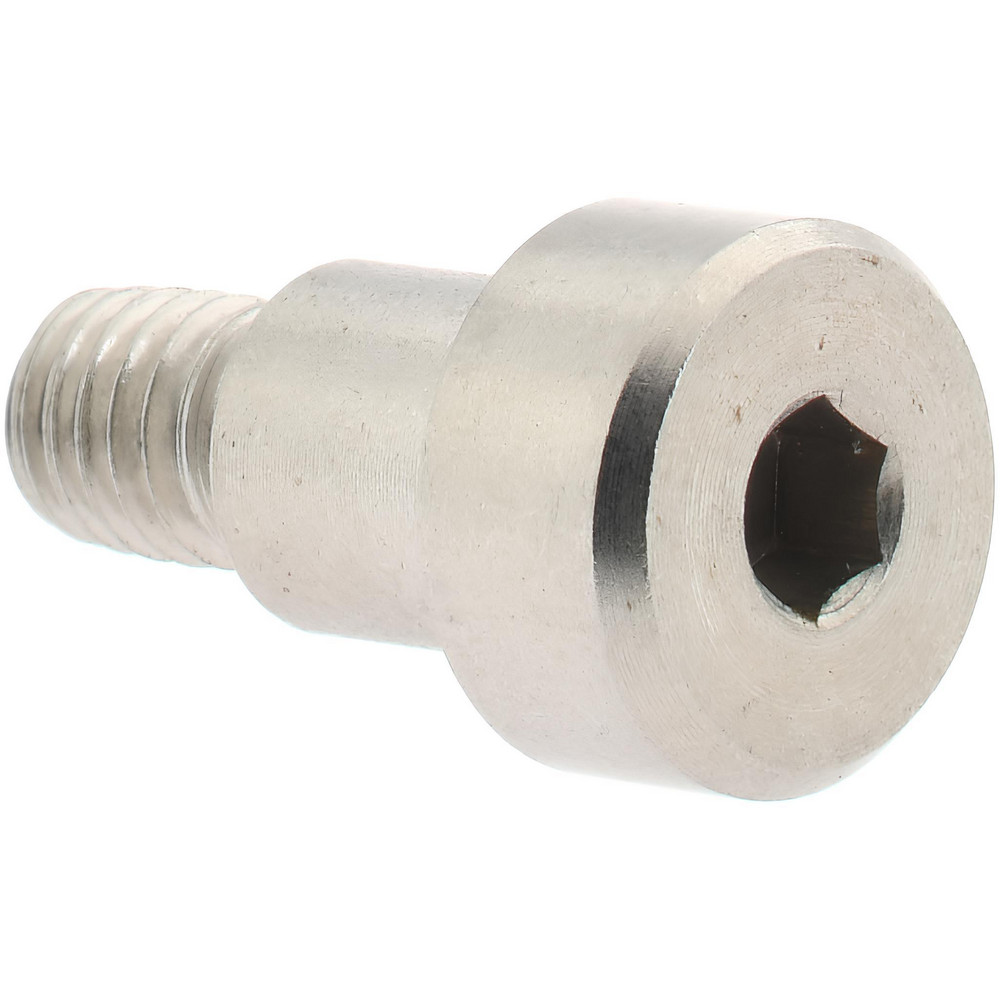
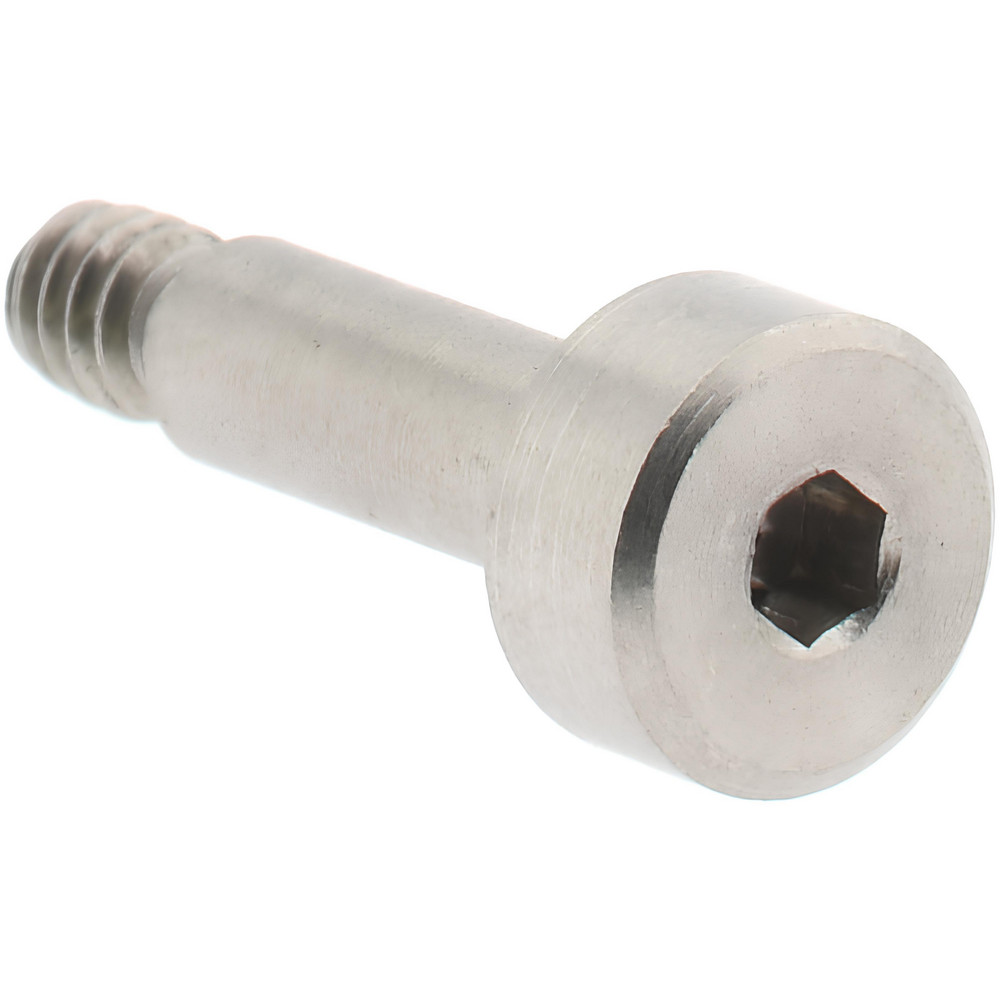
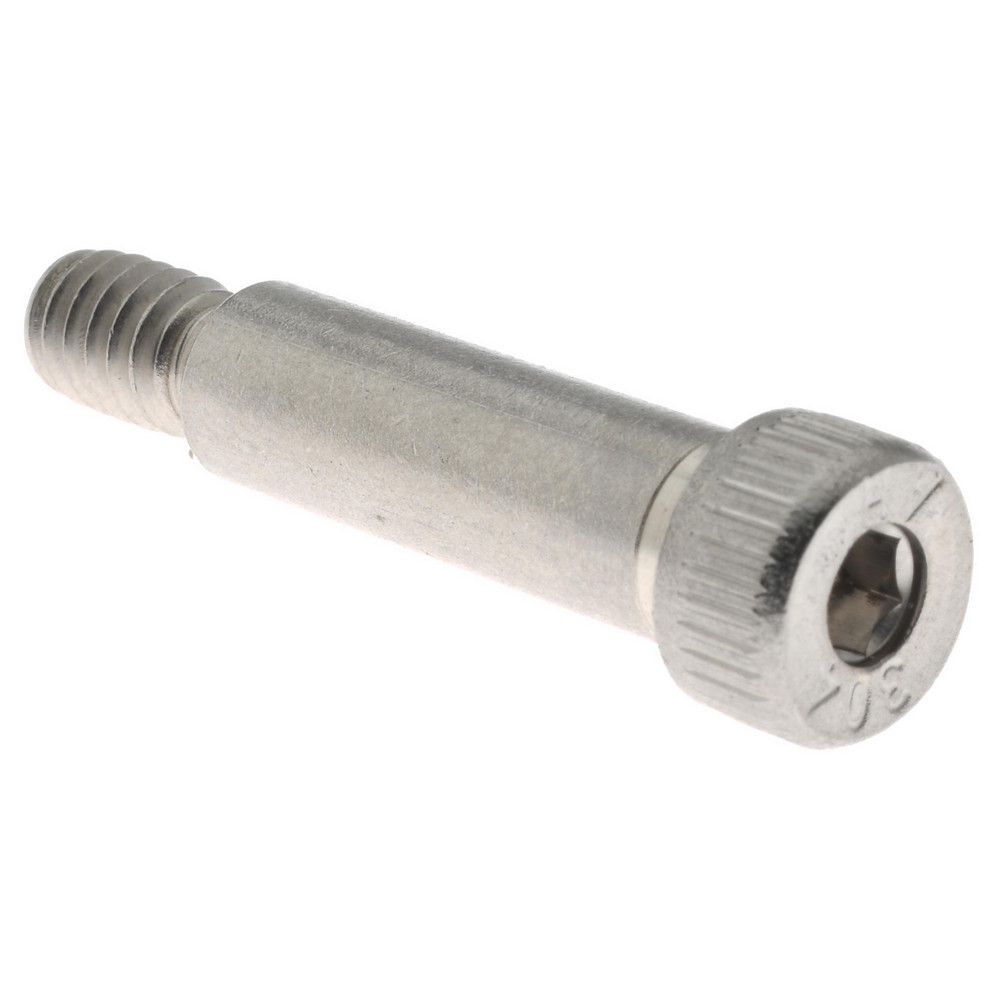
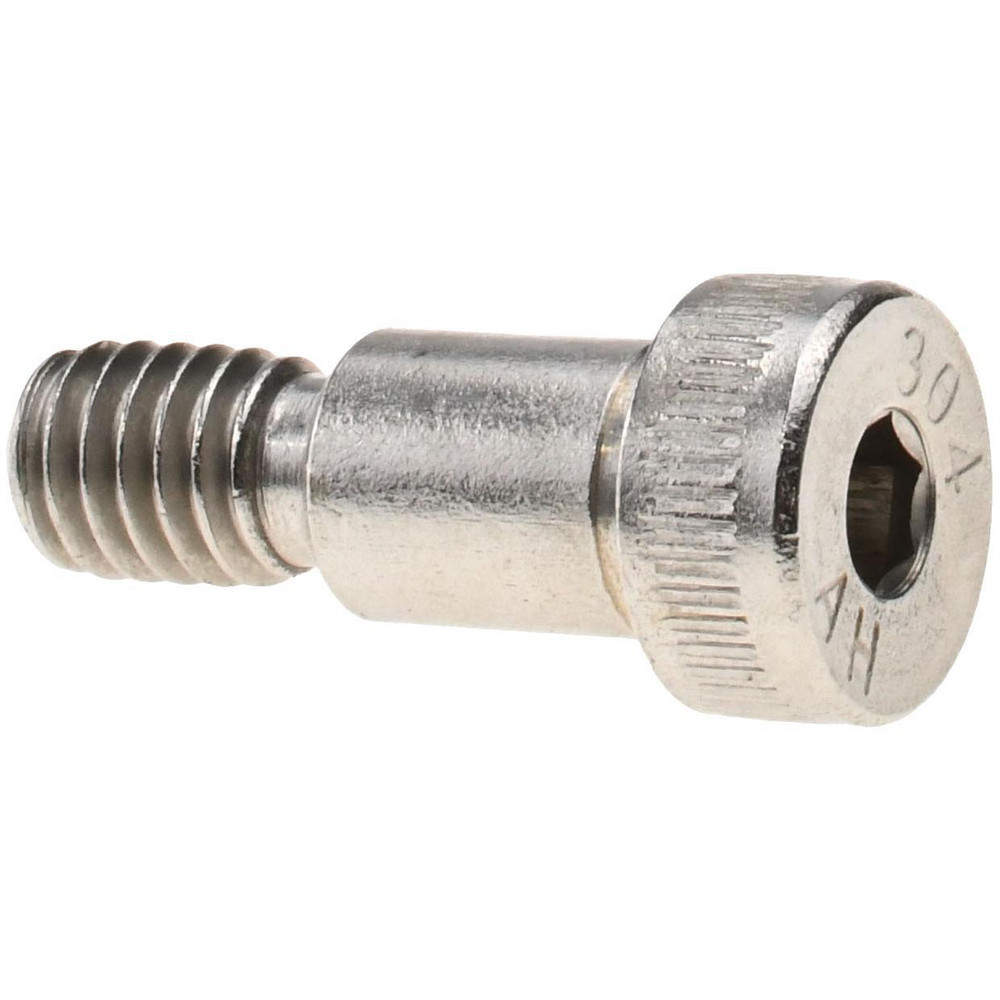
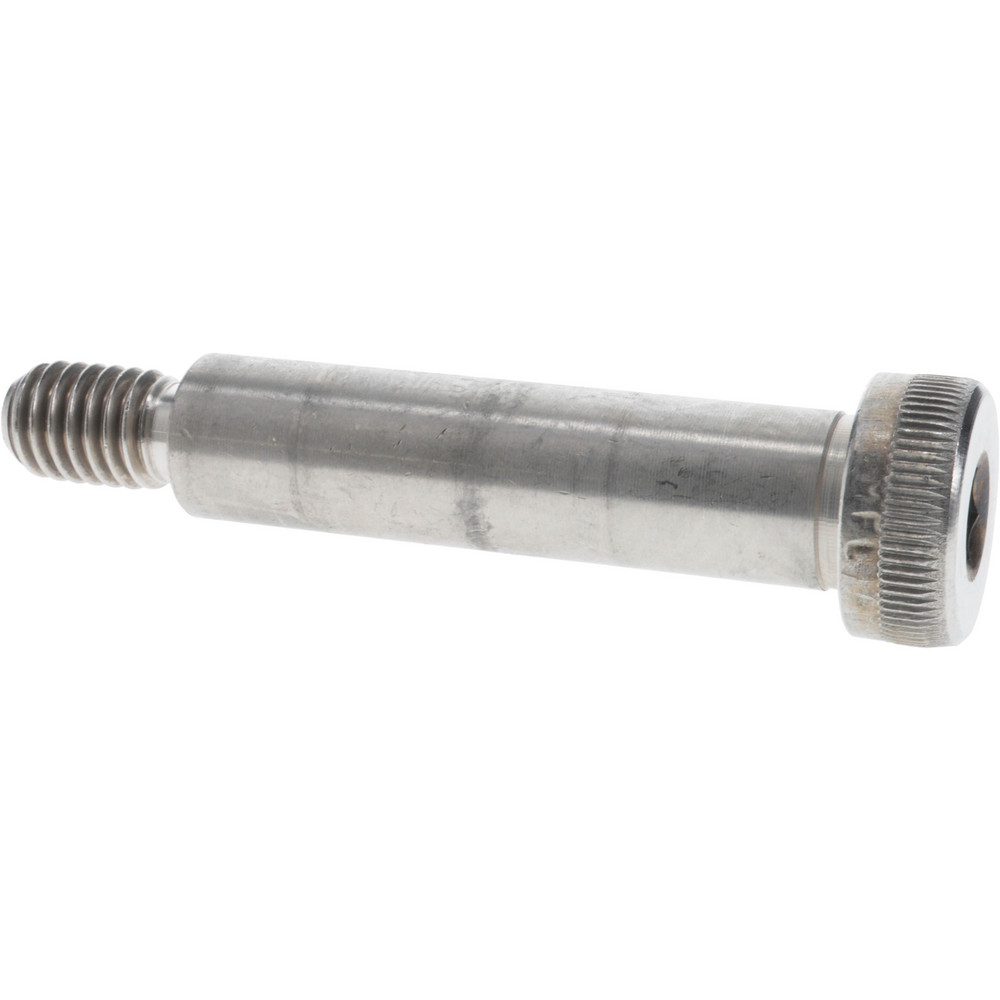
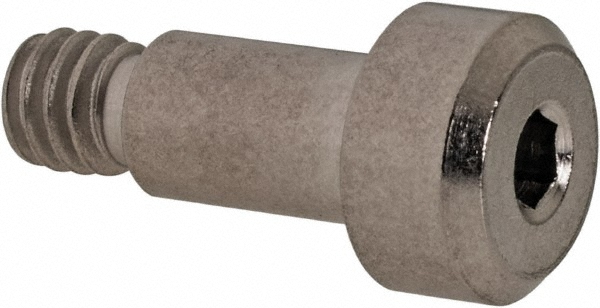
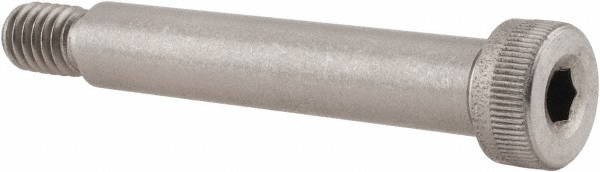
Shoulder screws and stripper bolts have a shoulder between the head and thread. When fully installed the shoulder extends beyond the surface and acts as shafts or dowels for rotating bearings, guides and axles.
The Ultimate Guide to Shoulder Bolts: Performance and Precision
Shoulder bolts, often referred to as shoulder screws or stripper bolts, are a type of fastener that plays a critical role in various mechanical applications. These unique bolts provide precise bearing surfaces for rotating or sliding parts in machinery and equipment. Understanding the nuances of shoulder bolts, including their design, materials, and applications, is essential for engineers and manufacturers looking to enhance precision and performance in their assemblies.
Shoulder Bolts Decoded: Understanding Design, Materials, and Applications
Shoulder bolts are critical components in mechanical assemblies, providing precise alignment and facilitating smooth operation. The design aspects, such as the length and diameter of the shoulder, as well as the material and finish of the bolt, play a significant role in determining performance across various use cases. For example, stainless steel is ideal for applications where exposure to moisture or corrosive environment is a concern, while brass shoulder bolts are suitable for electrical and non-magnetic applications due to their conductive and non-sparking properties. Alloy steel, known for its high tensile strength and toughness, are commonly used in demanding applications requiring reliable performance, such as aerospace and automotive components. Additionally, the bolt's head style, such as socket head, hex head, or slotted head, should be chosen based on the installation method and application requirements. The versatility of shoulder bolts is evident in their wide-ranging applications, from machinery assembly to use in the automotive and aerospace industries, highlighting their importance across various fields.
What Sets Shoulder Bolts Apart
Unlike traditional bolts, shoulder bolts are designed with a cylindrical shoulder between the head and the threaded portion. This shoulder is a precise alignment feature, ensuring the attached parts are correctly aligned. This feature is particularly valuable in applications where misalignment can lead to performance issues or premature wear. Shoulder bolts reduce friction and prevent unnecessary wear by providing a smooth and accurate bearing surface, resulting in smoother operation and extended equipment life.
Enhancing Safety with Shoulder Bolts: Best Practices and Considerations
Safety is a critical consideration when using shoulder bolts in mechanical assemblies. Proper installation techniques, including torque specifications and thread engagement, are essential to prevent bolt failure and ensure reliable performance. Additionally, regular inspection and maintenance of shoulder bolts can help identify potential issues early and prevent accidents. By following the best practices for installation and maintenance, such as using the correct tools like torque wrenches, thread gauges, and anti-seize lubricants, engineers can ensure the long-term performance.
Common Shoulder Bolt Variants and Their Applications
Shoulder bolts, or shoulder screws, come in various variants, each designed for specific applications. Flanged bolts, for example, have an integrated flange that provides a wider surface area for load distribution, making them suitable for applications where the bolt head would otherwise dig into the material, such as in woodworking. On the other hand, socket shoulder screws feature a hex socket drive on the head, allowing for easy installation and removal in tight spaces. Understanding the different variants of shoulder bolts can help engineers choose the right fastener for their specific application, ensuring optimal performance and reliability.
Innovations in Shoulder Bolt Technology
Advancements in manufacturing processes and materials have led to innovations in shoulder bolt technology. For example, using advanced alloys such as titanium alloys and applying surface treatments like zinc-nickel plating or black oxide coating has improved the bolts' strength, corrosion resistance, and durability, expanding their range of applications. Additionally, new manufacturing techniques, such as CNC (Computer Numerical Control) machining, have made it possible to efficiently produce shoulder bolts with complex designs and tight tolerances, further enhancing their performance and versatility.
