



Shop all our special offers today -
Shop Now
Wood Screws
83 items returned
Loading

Applied Filters
Category:
Backordered
Temporarily out of stock.
Web Price
$98.99 / per 100
Enter in multiples of 100
In Stock
Web Price
$70.71 / per 100
Enter in multiples of 100
In Stock
Web Price
$123.61 / per 100
Enter in multiples of 100
In Stock
Web Price
$28.27 / per 100
Enter in multiples of 100
In Stock
Web Price
$162.65 / per 100
Enter in multiples of 10
Backordered
Temporarily out of stock.
Web Price
$56.57 / per 100
Enter in multiples of 100
In Stock
Web Price
$35.36 / per 100
Enter in multiples of 100
In Stock
Web Price
$28.27 / per 100
Enter in multiples of 100
In Stock
Web Price
$35.36 / per 100
Enter in multiples of 100
In Stock
Web Price
$35.36 / per 100
Enter in multiples of 100
In Stock
Web Price
$212.14 / per 100
Enter in multiples of 5
In Stock
Web Price
$35.36 / per 100
Enter in multiples of 100
In Stock
Web Price
$58.55 / per 100
Enter in multiples of 100
Backordered
Temporarily out of stock.
Web Price
$45.61 / per 100
Enter in multiples of 100
In Stock
Web Price
$105.74 / per 100
Enter in multiples of 100
In Stock
Web Price
$42.43 / per 100
Enter in multiples of 100
In Stock
Web Price
$91.93 / per 100
Enter in multiples of 100
In Stock
Web Price
$127.28 / per 100
Enter in multiples of 10
In Stock
Web Price
$24.75 / per 100
Enter in multiples of 100
In Stock
Web Price
$198.00 / per 100
Enter in multiples of 5
In Stock
Web Price
$148.51 / per 100
Enter in multiples of 5
In Stock
Web Price
$28.27 / per 100
Enter in multiples of 100
In Stock
Web Price
$134.36 / per 100
Enter in multiples of 5
Have a question?
We're here to help
Top Sellers
Wood Screws
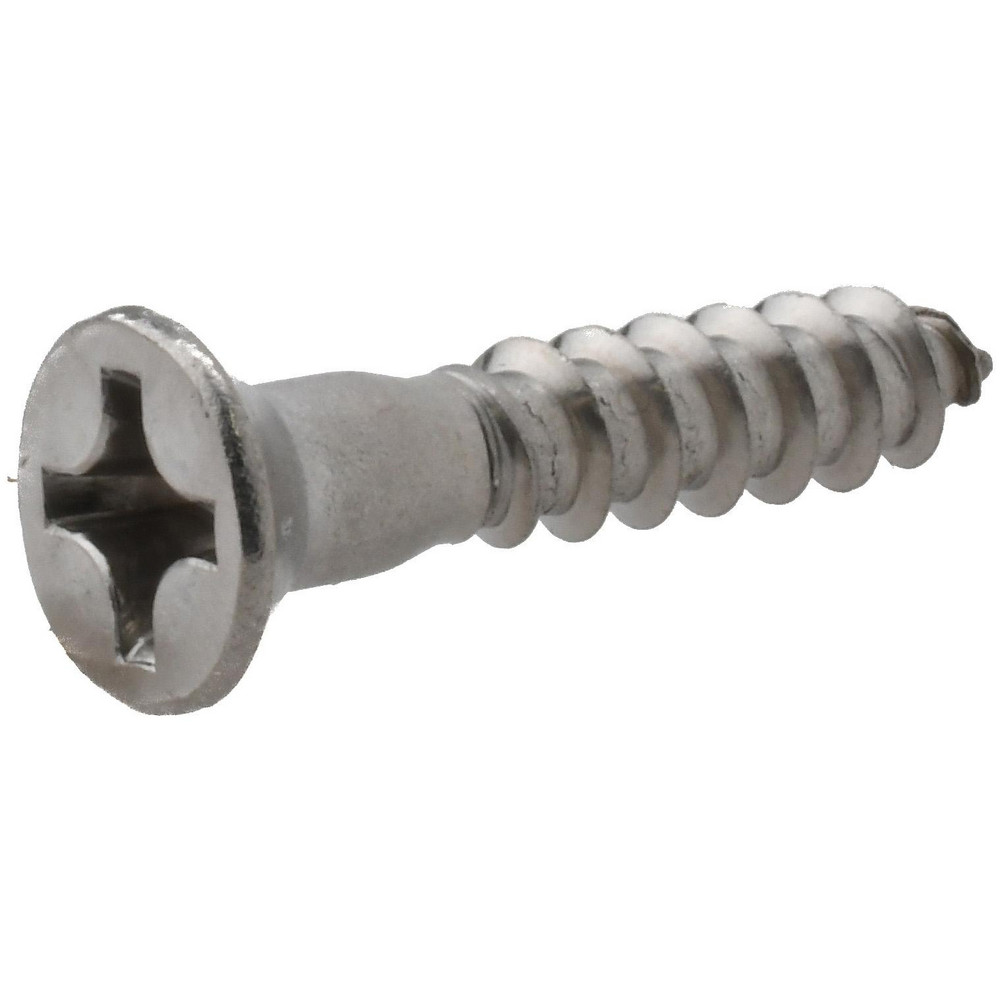
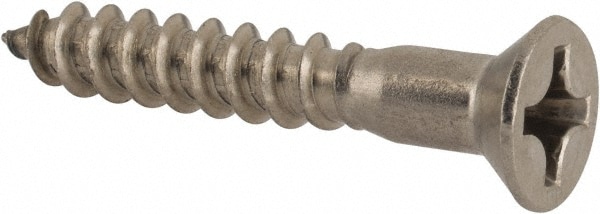
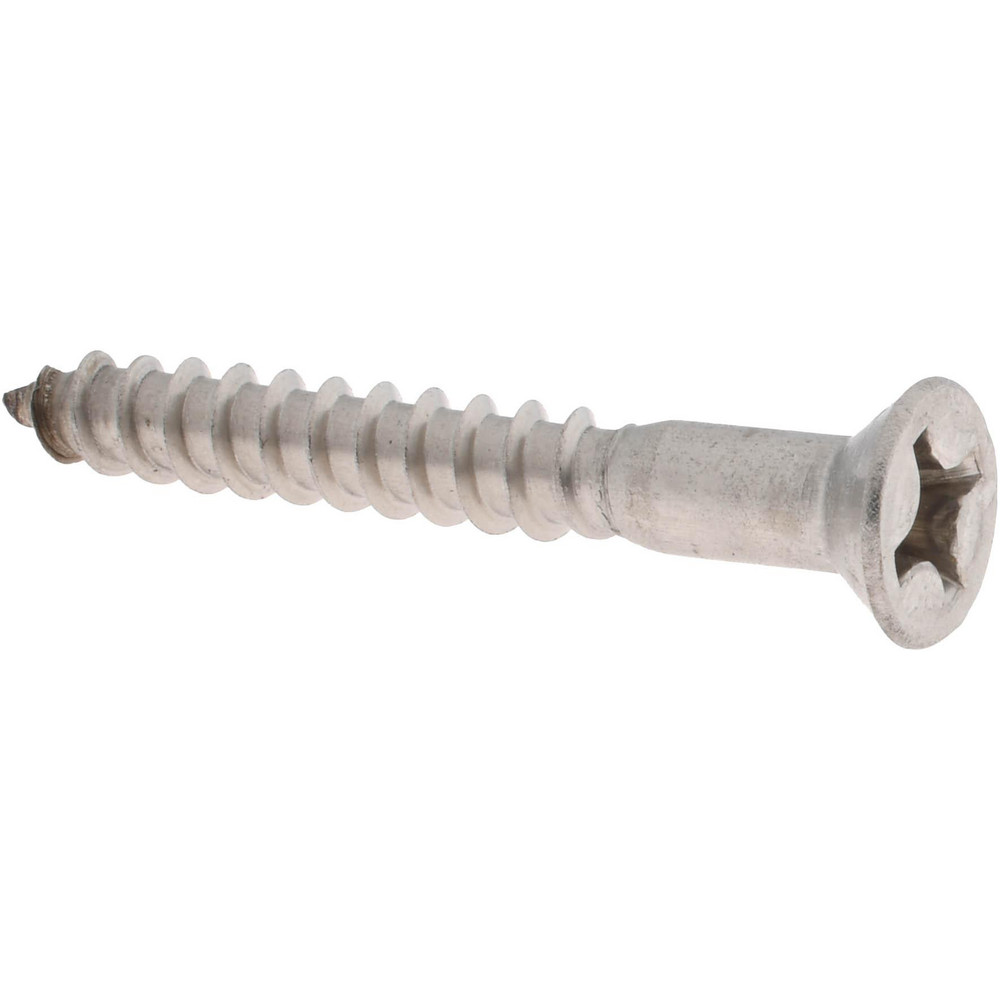
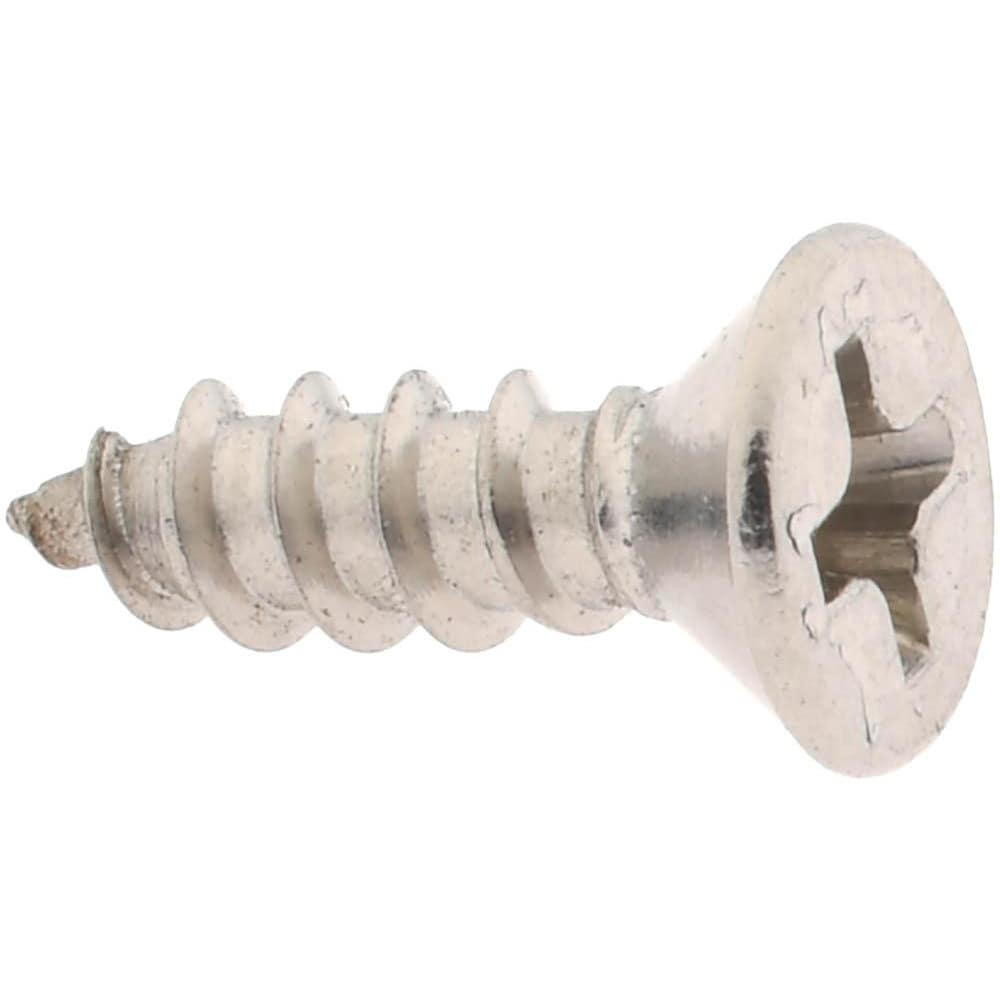
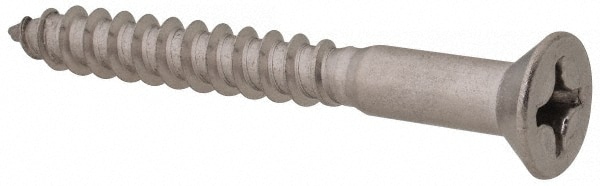
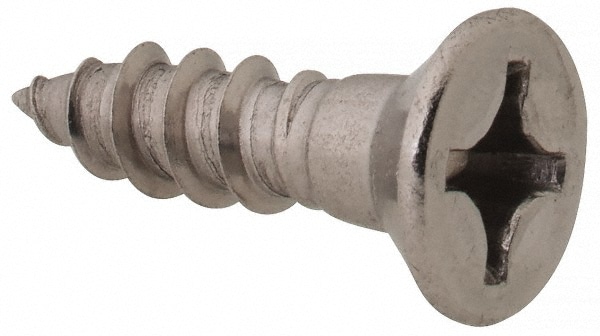
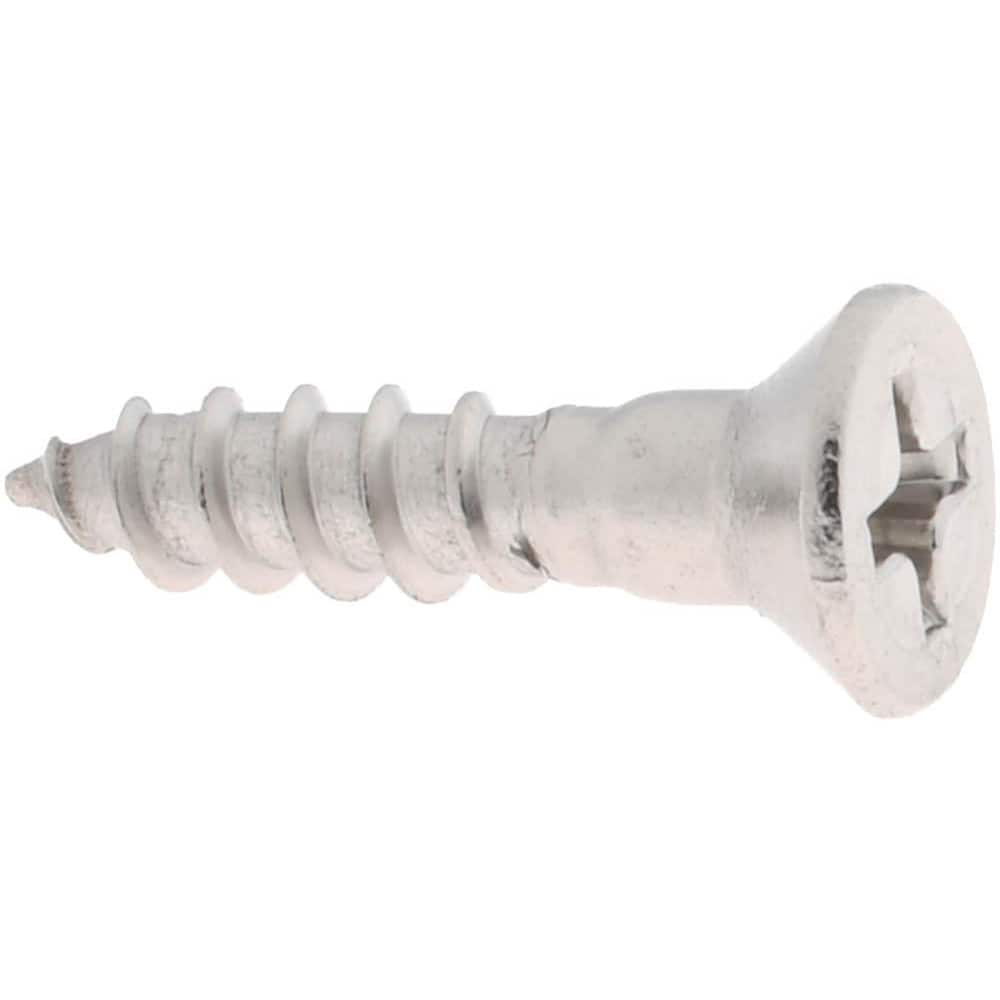
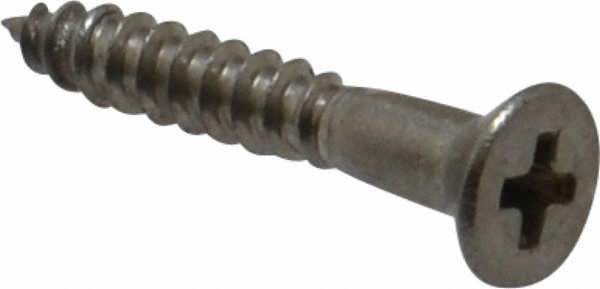
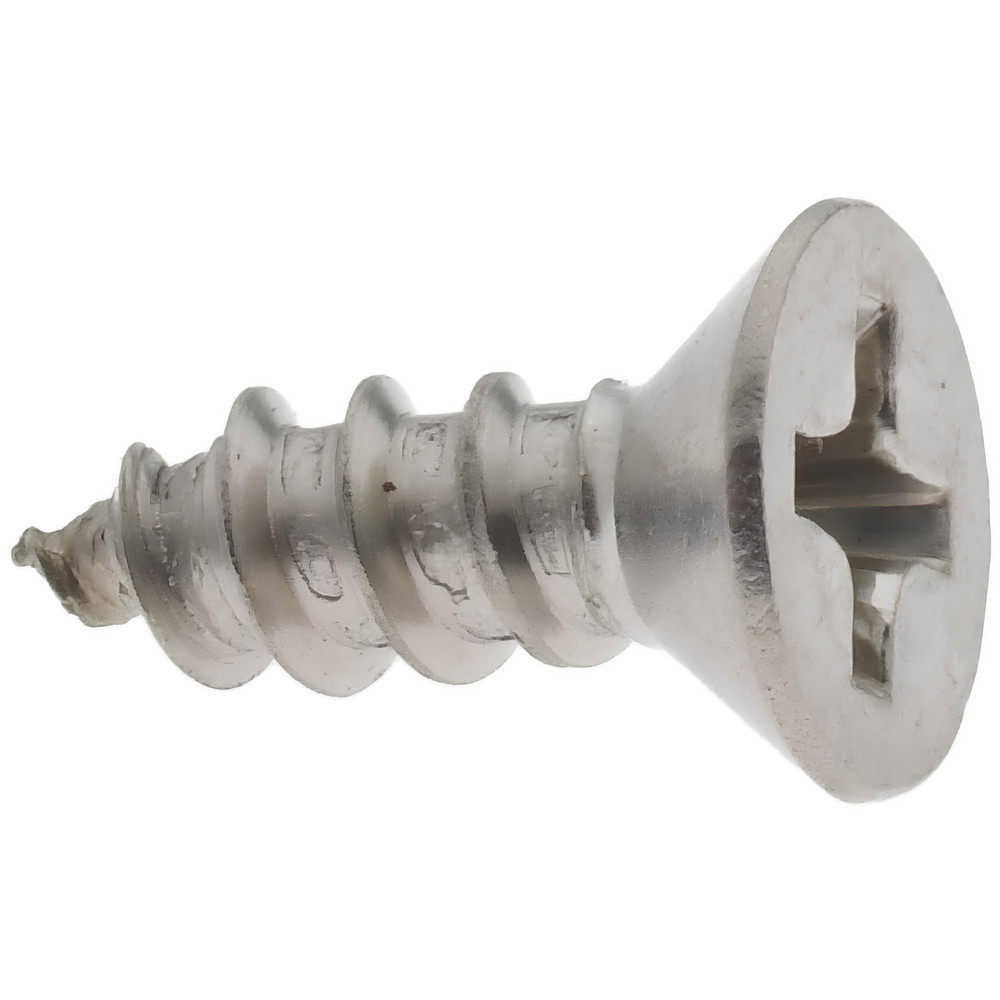
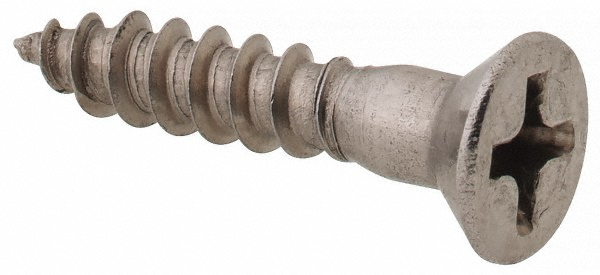
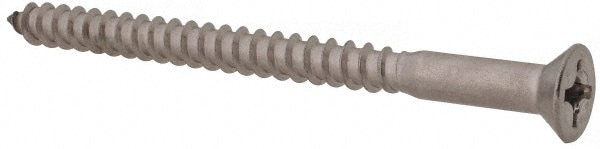
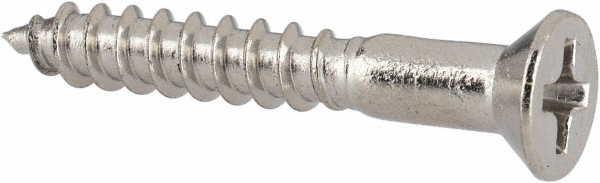
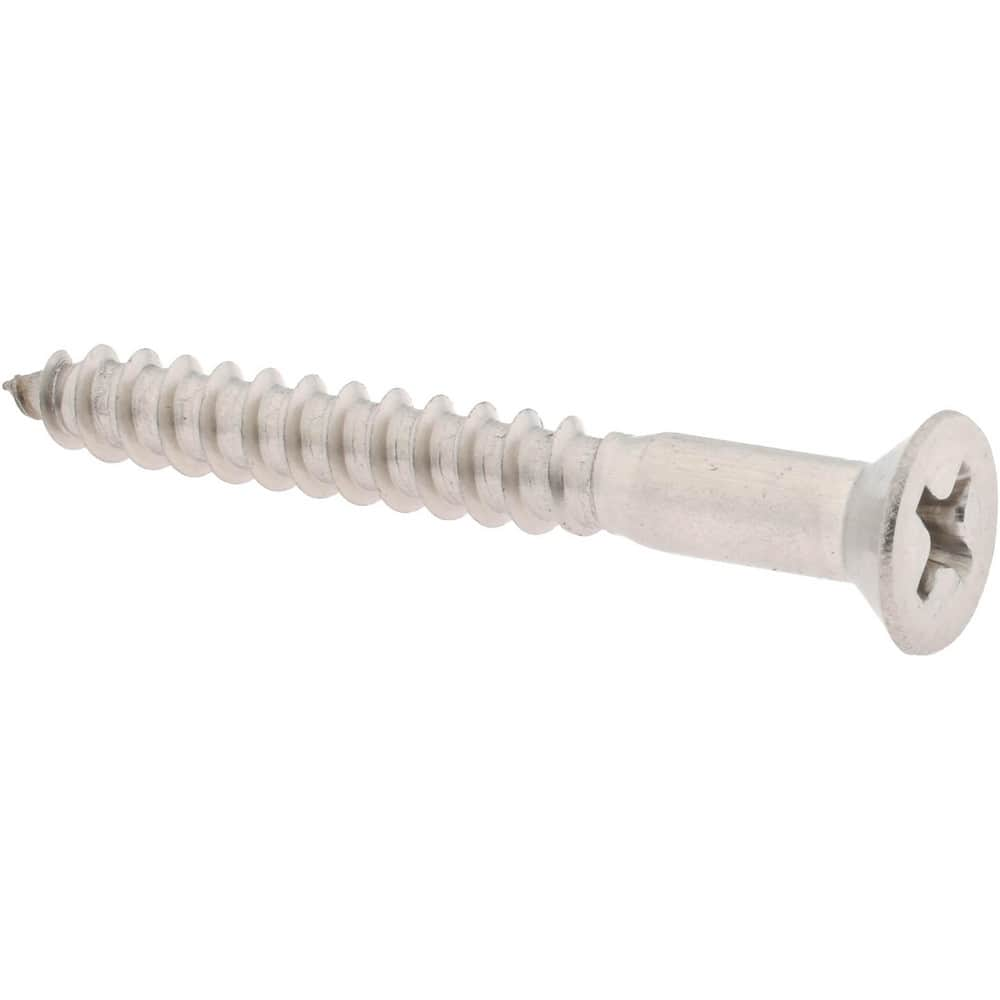
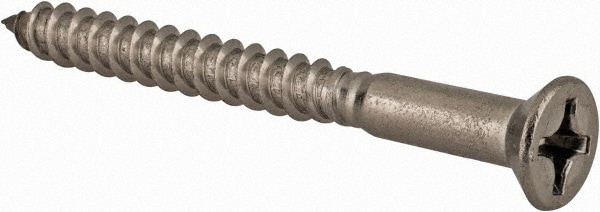
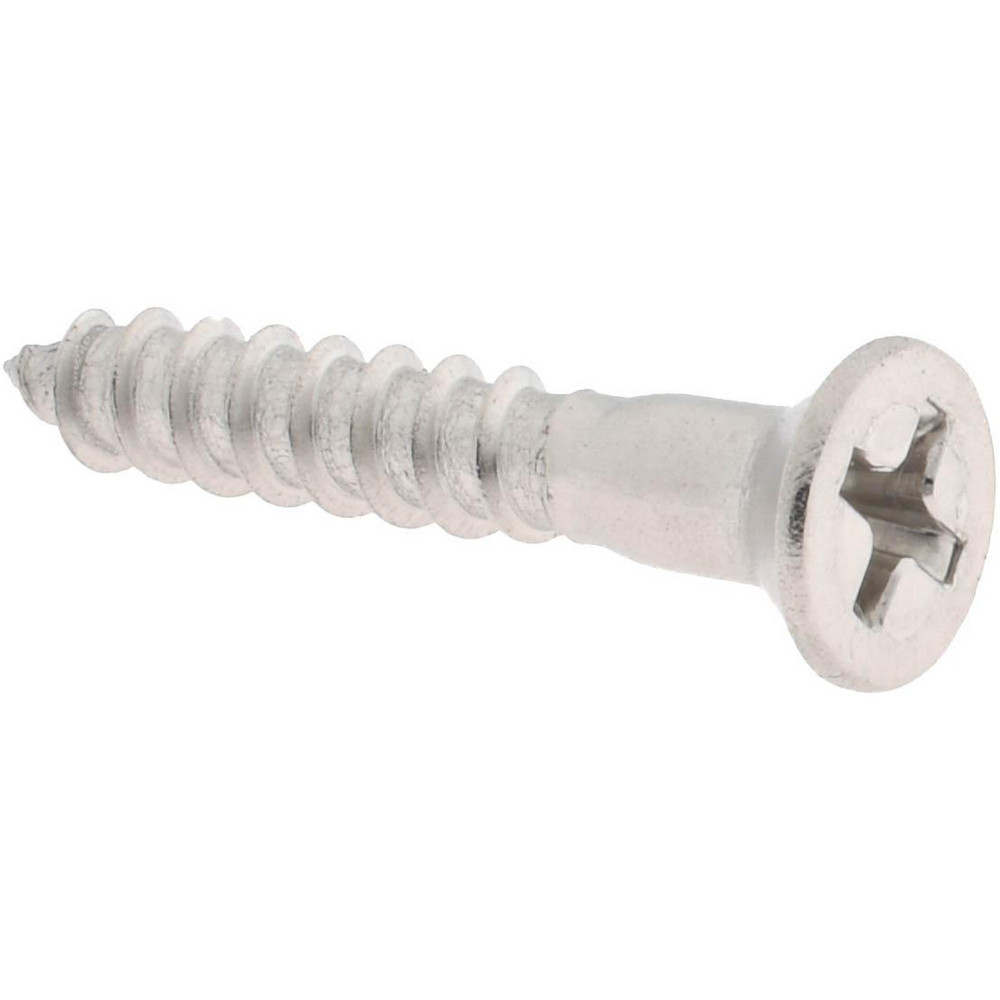
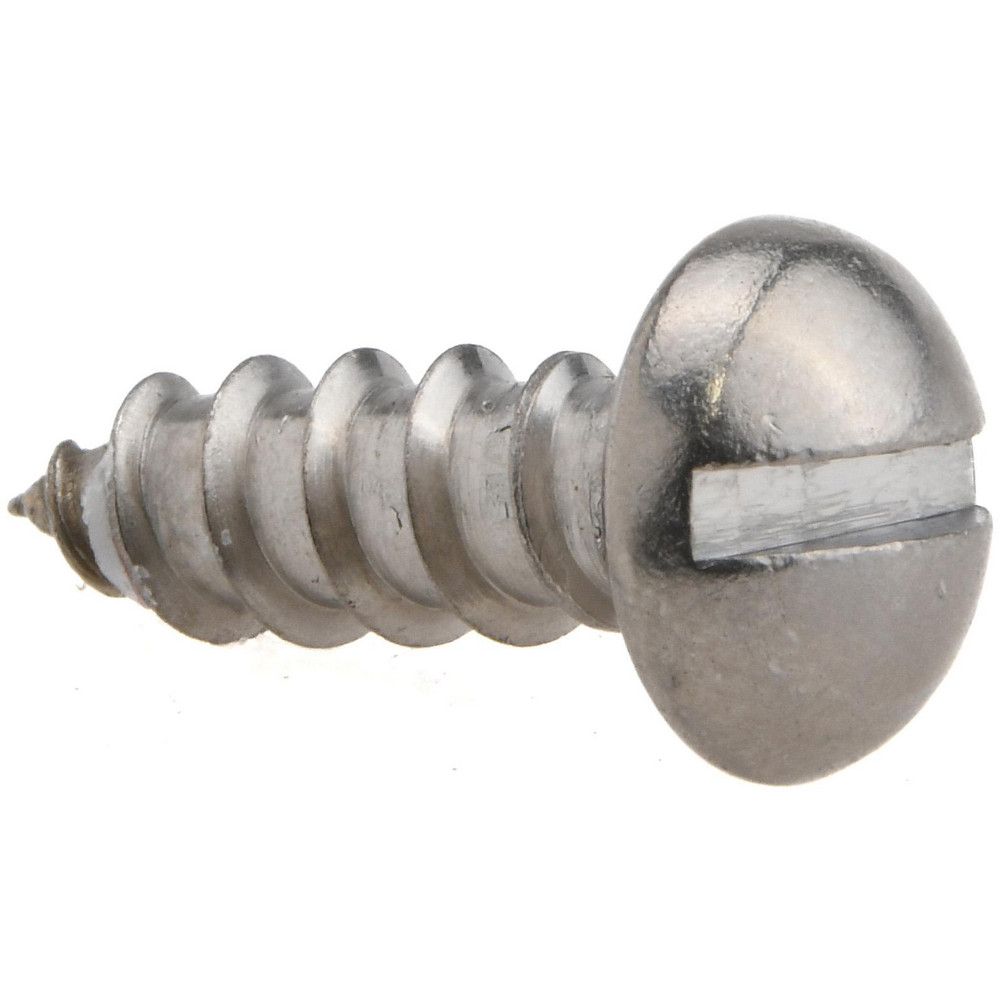
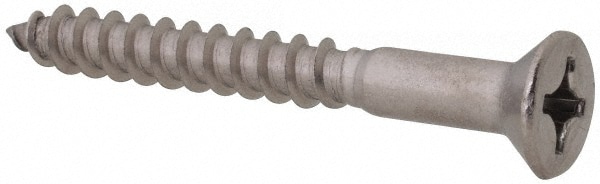
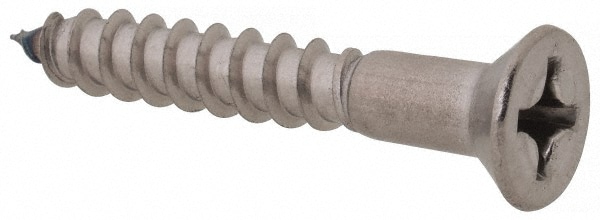
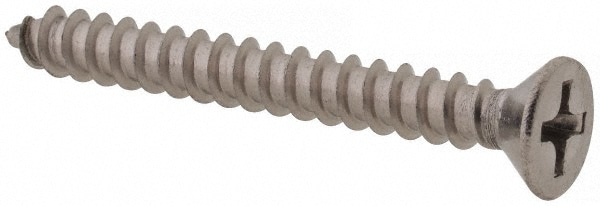
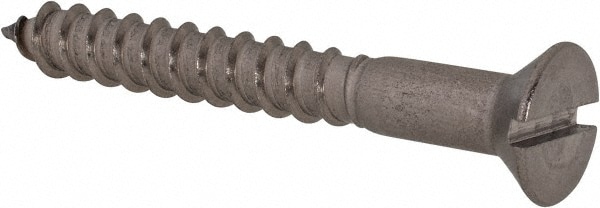
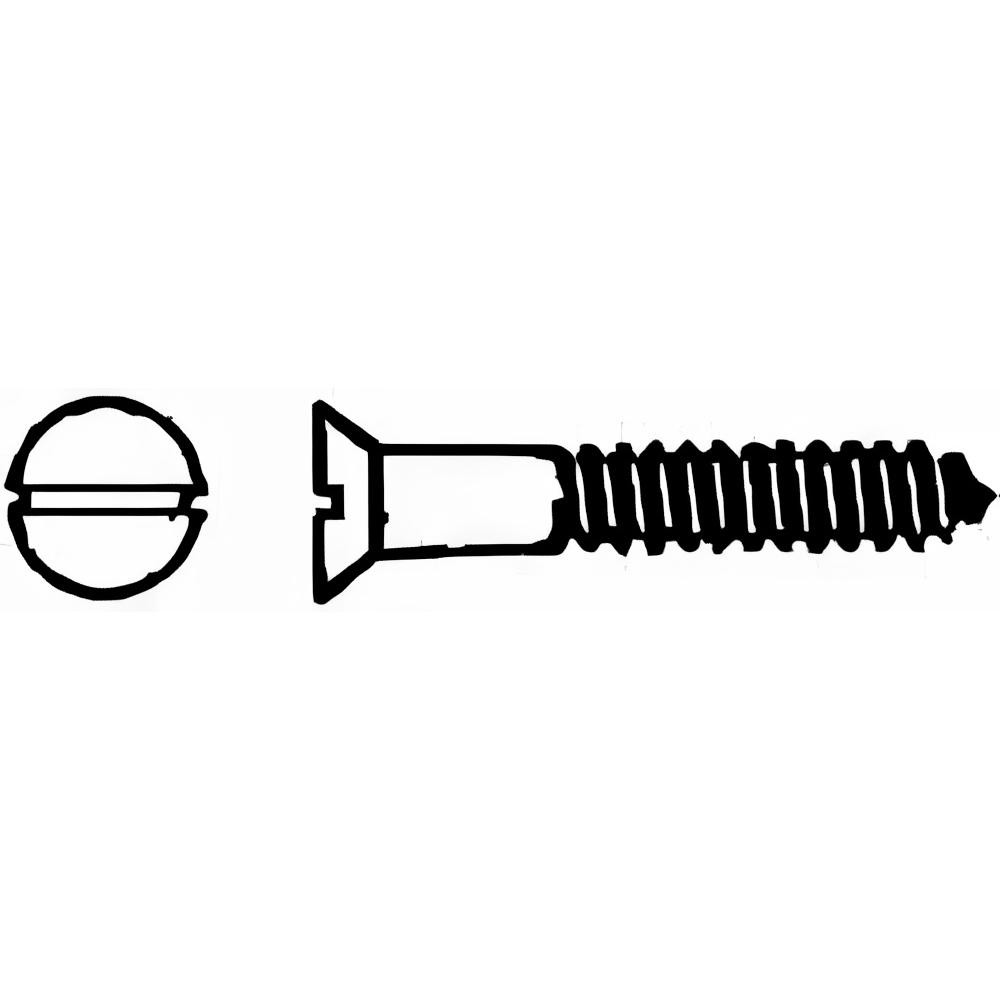
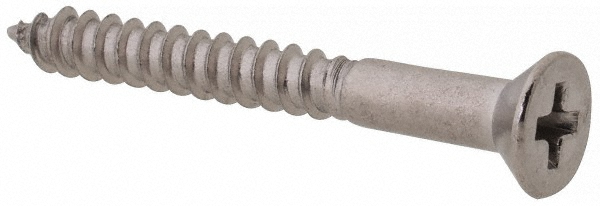
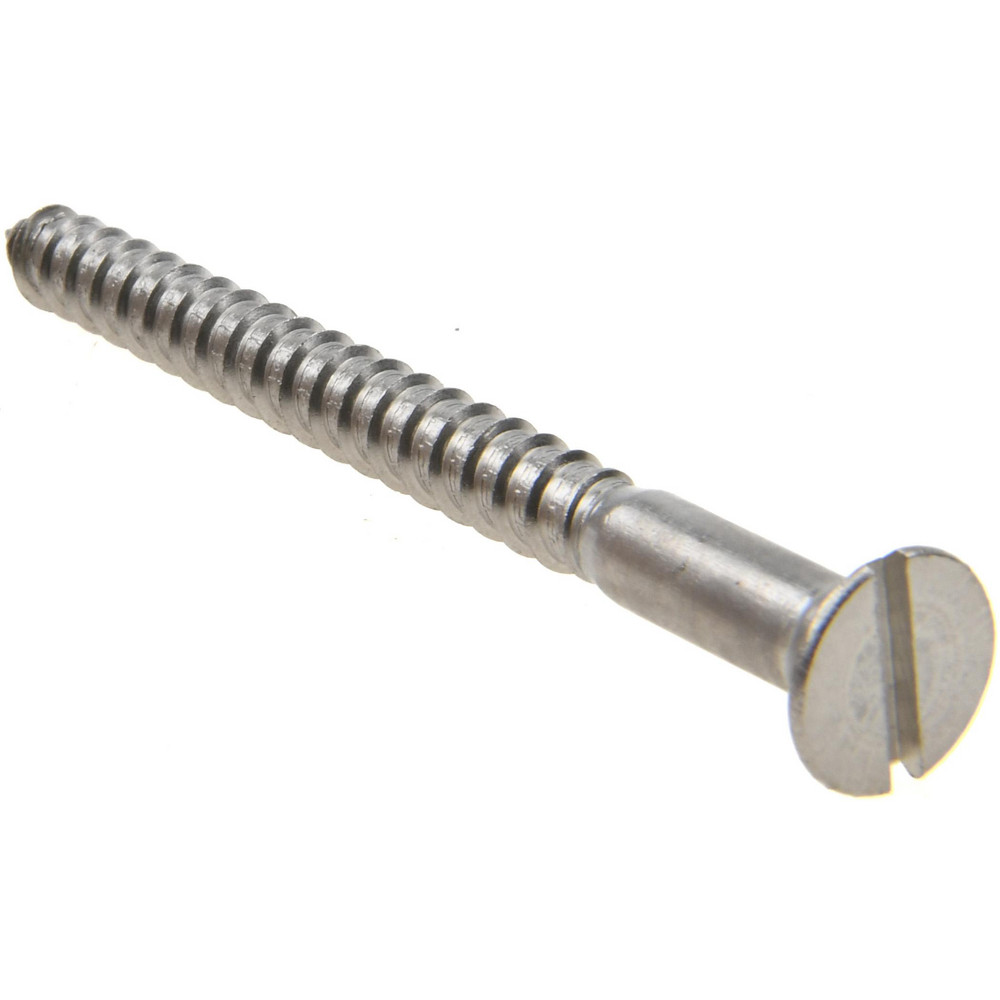
Wood screws have a self-tapping thread design for wood-to-wood applications. They feature an unthreaded shoulder under the head that allows for deeper driving and increased attachment strength.
Mastering Wood Screws in MRO Work
Wood screws are indispensable for achieving functionality and durability in maintenance, repair, and operations (MRO) tasks. As a professional, having a solid understanding of these fasteners can significantly enhance the quality and efficiency of the tasks at hand. This guide covers the selection process and best practices of wood screws.
Choosing the Right Wood Screw for Your MRO Needs
Selecting the appropriate screw for wood tasks is critical and requires consideration of several key factors, including material, size, drive type, and head shape. Screws are available in various materials, including stainless steel, brass, and bronze. Stainless steel screws are particularly advantageous for outdoor projects due to their rust resistance. Steel timber screws ensure a strong hold, making them ideal for structural applications, such as roofing.
In terms of drive types, options like Phillips, flat, Torx, and square each offer distinct advantages. For instance, while Phillips screws are widely used, Torx and square drives provide enhanced torque and minimize the risk of cam-out, which occurs when the screwdriver slips out of the screw head during installation. The head shape of the screw— flat for a flush finish, round for a protruding look, or oval for a combination of both—significantly impacts both the aesthetics and functionality of the screw in MRO operations.
Wood Screws vs. Nails: Making the Smart Choice
The decision between using wood screws and nails can impact both the structural integrity and the visual appeal of a project. Screws are preferable for jobs requiring high strength and the possibility of future disassembly, offering superior durability and ease of removal compared to nails. Conversely, nails are quicker to install and may be more suitable for preliminary framing or temporary structures where a polished finish is not a priority. By comprehensively assessing the specific needs and desired outcomes of your project, you can make an informed decision between screws and nails to achieve optimal results.
How to Prevent Wood Splitting with Screws
One of the challenges when working with wood screws is preventing the wood from splitting, especially at the ends of boards. This can be effectively managed by drilling pilot holes slightly smaller than the diameter of the screws using a power drill. This approach not only helps avoid splitting but also makes driving the screws easier and ensures a secure connection. Additionally, selecting screws with the correct length and diameter and adjusting the torque setting on the torque screwdriver can further reduce the risk of wood splitting.
Removing Stripped Screws
Encountering a stripped wood screw can temporarily interrupt a project. To overcome this issue, you can place a rubber band under the screwdriver for added grip or utilize a specialized screw extractor tool. Mastering these methods ensures that you can quickly and effectively remove stripped wood screws without damaging the material or causing delays.
The Importance of Finishes and Coatings on Wood Screws
The finish and coating of wood screws are crucial for their performance and durability. Coatings such as zinc, nickel, and chrome offer different degrees of corrosion resistance, making them suitable for various environments encountered in MRO work. Selecting the appropriate finish can help ensure that screws not only fit the aesthetic requirements of the project but also withstand the conditions they will be exposed to, thereby extending the lifespan of both the screws and the project itself.
Choosing Screws for Outdoor Projects
For outdoor projects, selecting screws with the ability to withstand environmental challenges like moisture and temperature fluctuations is crucial to ensure the longevity and durability of your work. Stainless steel screws, or those treated with a protective coating, are optimal as they offer enhanced resistance to rust and corrosion.
Common Mistakes to Avoid
Avoiding common mistakes such as using the incorrect type of screw, neglecting to drill pilot holes, or selecting inappropriate screw lengths is essential for successful MRO tasks. These errors can lead to material damage, excessive tool wear, or project delays. Paying close attention to these details ensures efficient and problem-free project execution. Additionally, using proper protective equipment like safety glasses and gloves is crucial to ensure safety during these operations.
Understanding these comprehensive aspects of wood screws will enable you to execute MRO projects with greater confidence and professionalism. Always choose the appropriate screw for the task and embrace innovative techniques to expand the possibilities of your craftsmanship.
