



Shop all our special offers today -
Shop Now
Lifting Eye Bolts
117 items returned
Loading

Applied Filters
Category:
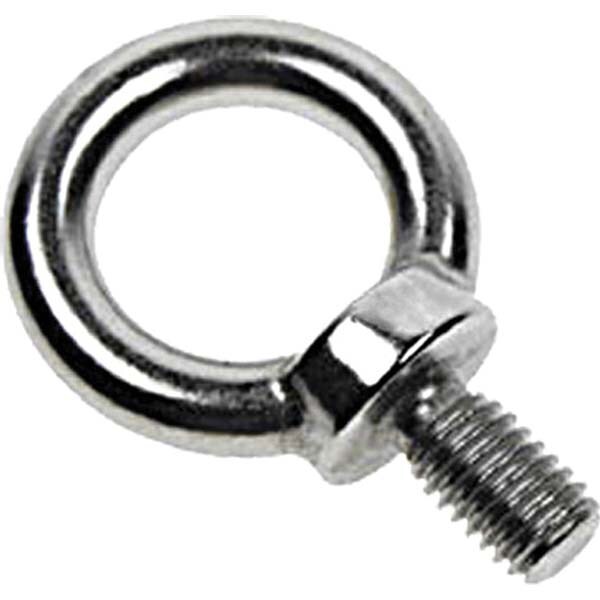
In Stock
Web Price
$10.19 / ea.
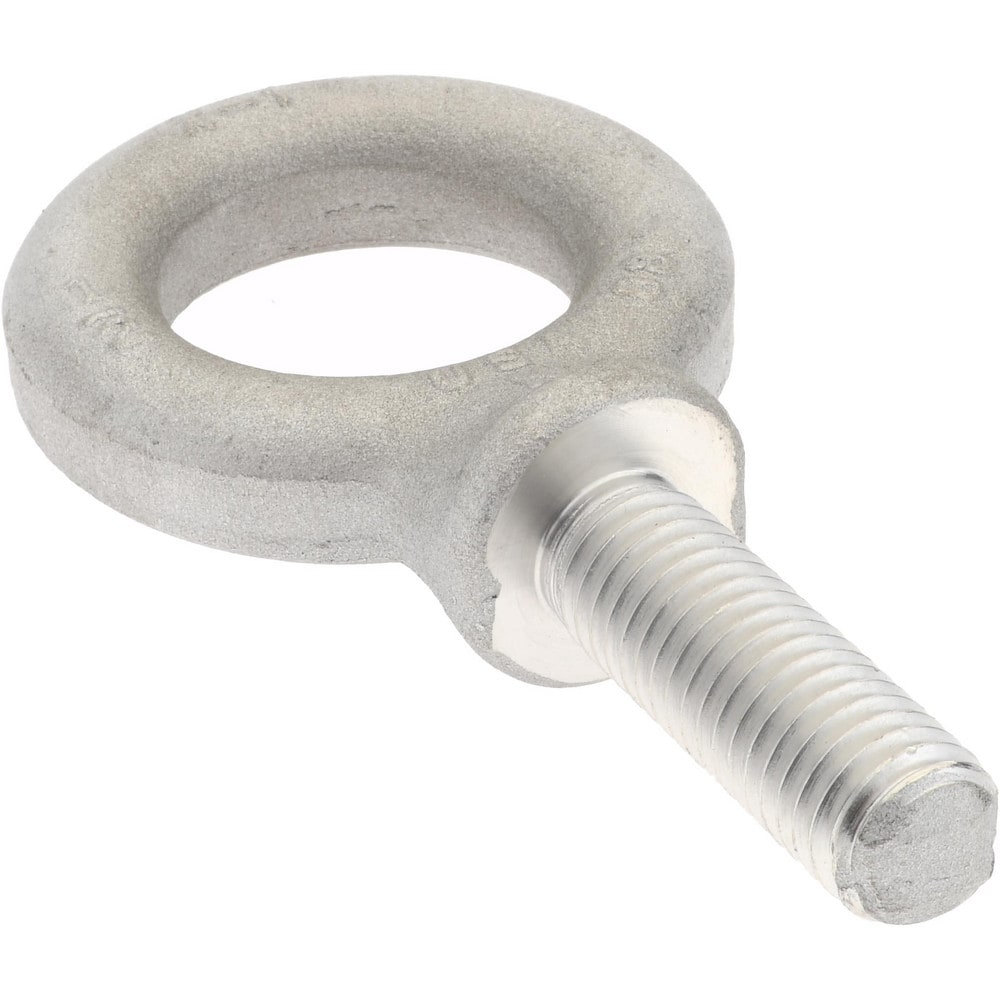
In Stock
Web Price
$56.96 / ea.
Enter in multiples of 4

In Stock
Web Price
$35.04 / ea.
Enter in multiples of 4
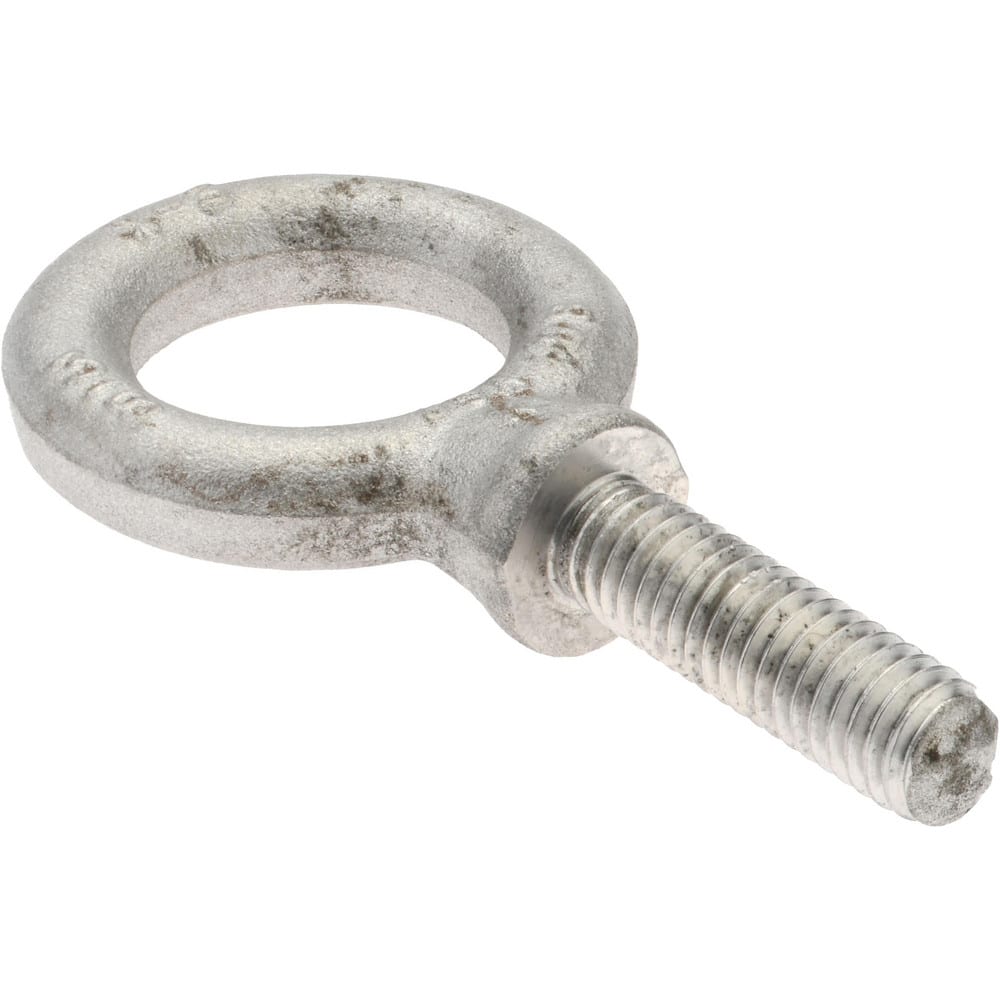
In Stock
Web Price
$46.43 / ea.
Enter in multiples of 4
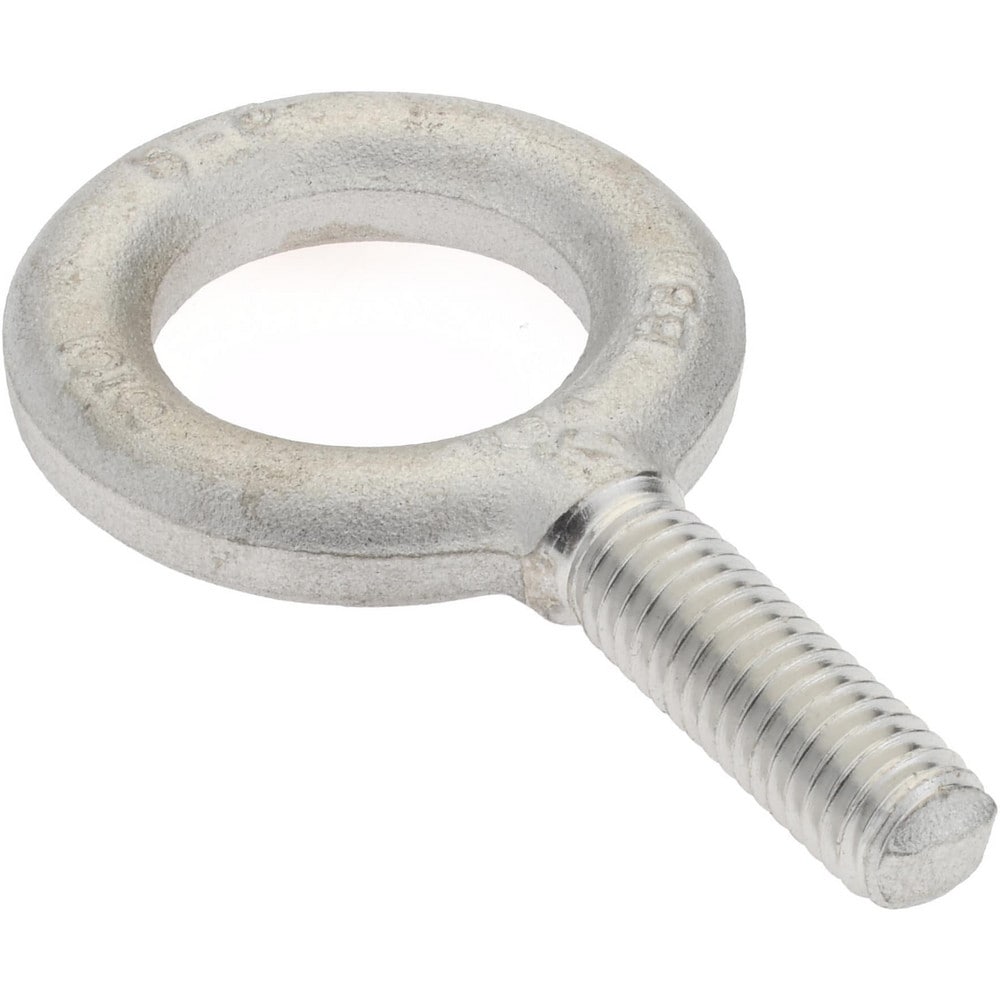
In Stock
Web Price
$53.32 / ea.
Enter in multiples of 4
In Stock
Web Price
$45.41 / ea.
Enter in multiples of 4
In Stock
Web Price
$121.51 / ea.
Enter in multiples of 2
Ships from Supplier.
Expected to ship within 3 Business days
Web Price
$20.27 / ea.
In Stock
Web Price
$133.75 / ea.
Enter in multiples of 2
In Stock
Web Price
$204.66 / ea.
Ships from Supplier.
Expected to ship within 3 Business days
Web Price
$51.32 / ea.
In Stock
Web Price
$108.73 / ea.
In Stock
Web Price
$76.30 / ea.
In Stock
Web Price
$91.18 / ea.
In Stock
Web Price
$154.63 / ea.
Enter in multiples of 2
In Stock
Web Price
$157.71 / ea.
Enter in multiples of 2
In Stock
Web Price
$125.86 / ea.
In Stock
Web Price
$97.22 / ea.
In Stock
Web Price
$174.90 / ea.
Backordered
Temporarily out of stock.
Web Price
$35.10 / ea.
Enter in multiples of 4
Ships from Supplier.
Expected to ship within 3 Business days
Web Price
$26.85 / ea.
Ships from Supplier.
Expected to ship within 3 Business days
Web Price
$118.95 / ea.
Ships from Supplier.
Expected to ship within 3 Business days
Web Price
$18.06 / ea.
Limited Quantities
Web Price
$43.01 / ea.
Have a question?
We're here to help
Top Sellers
Lifting Eye Bolts
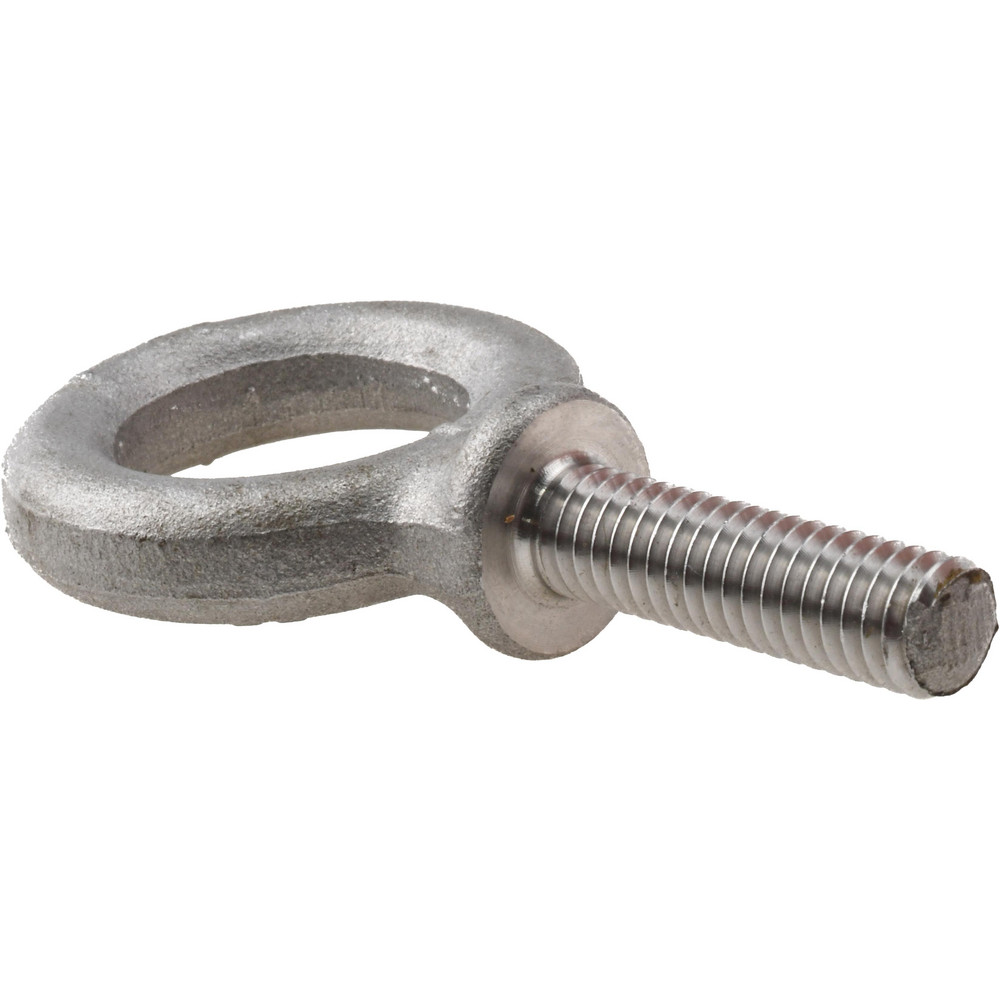
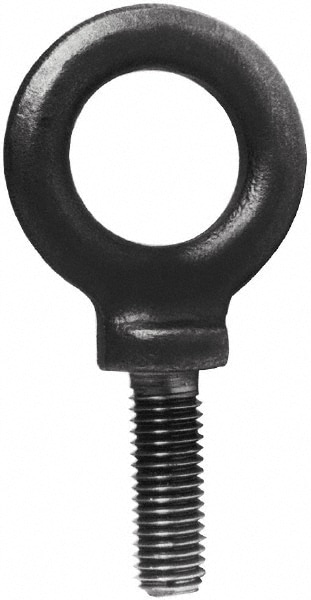
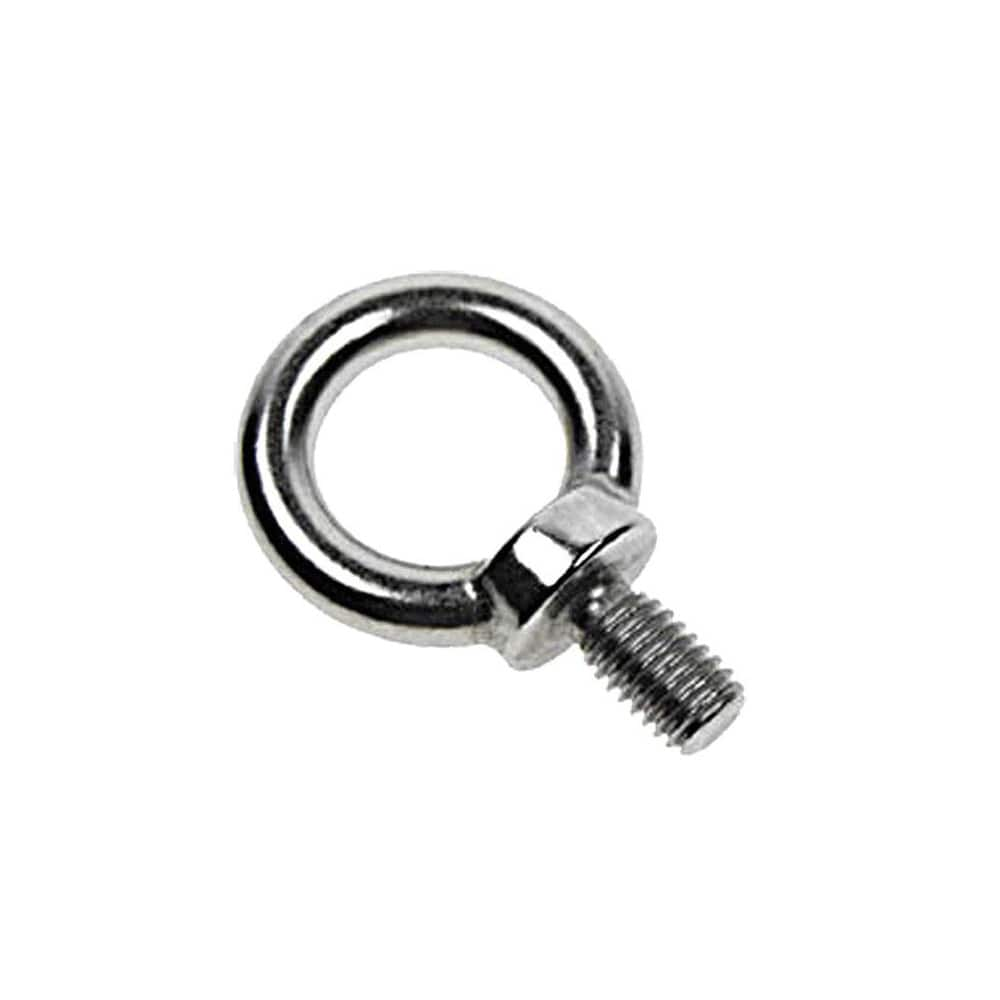
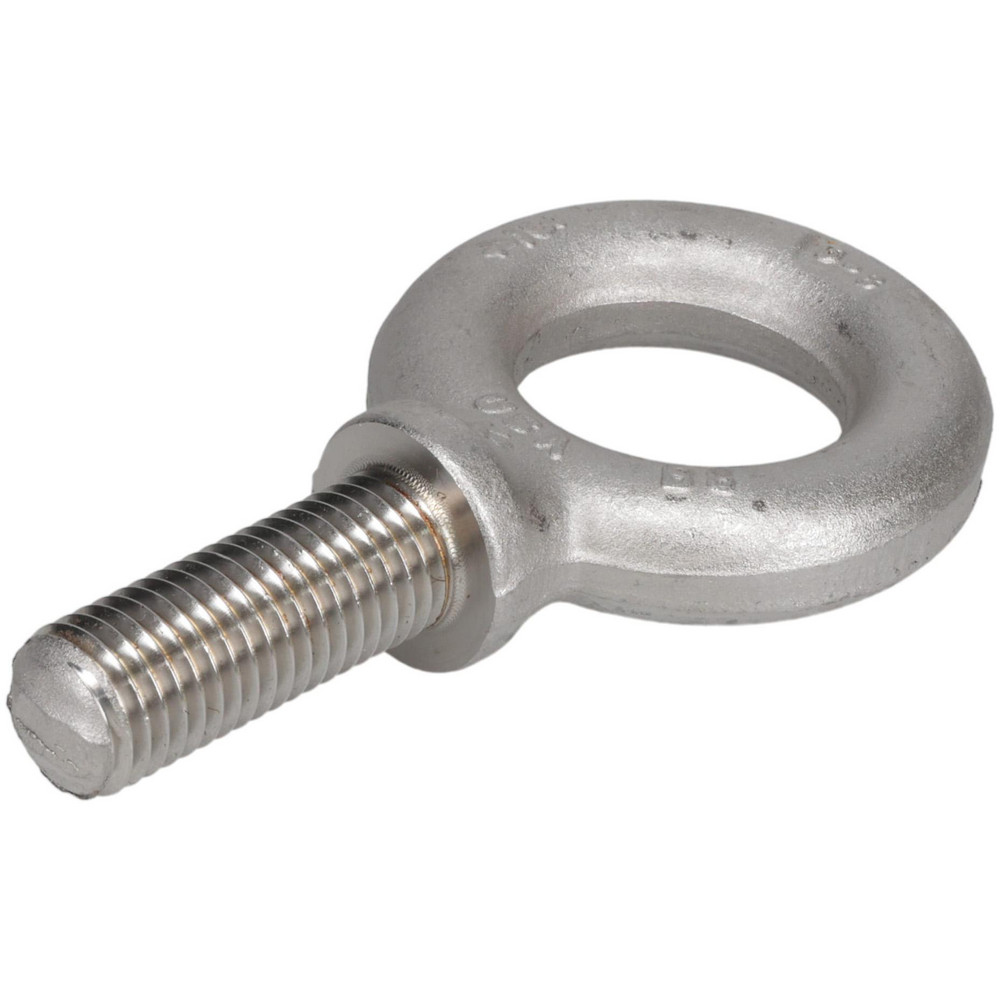
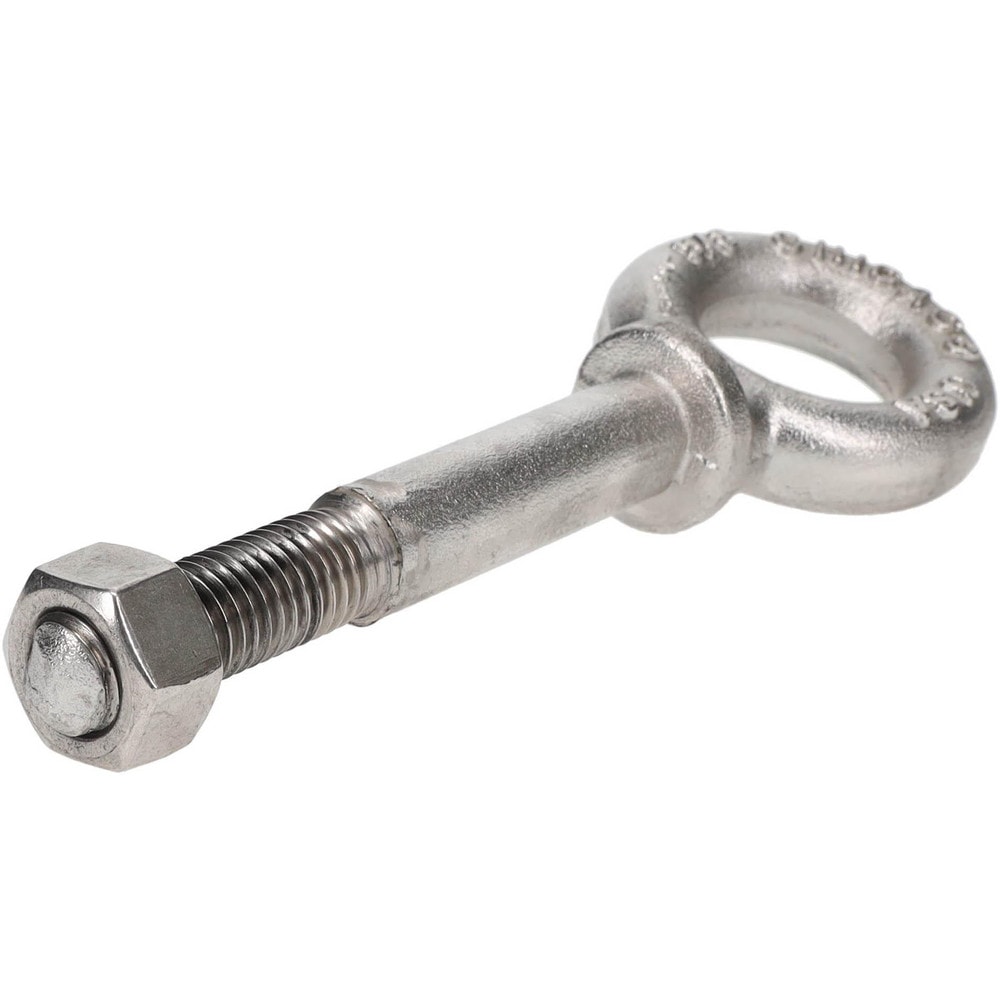
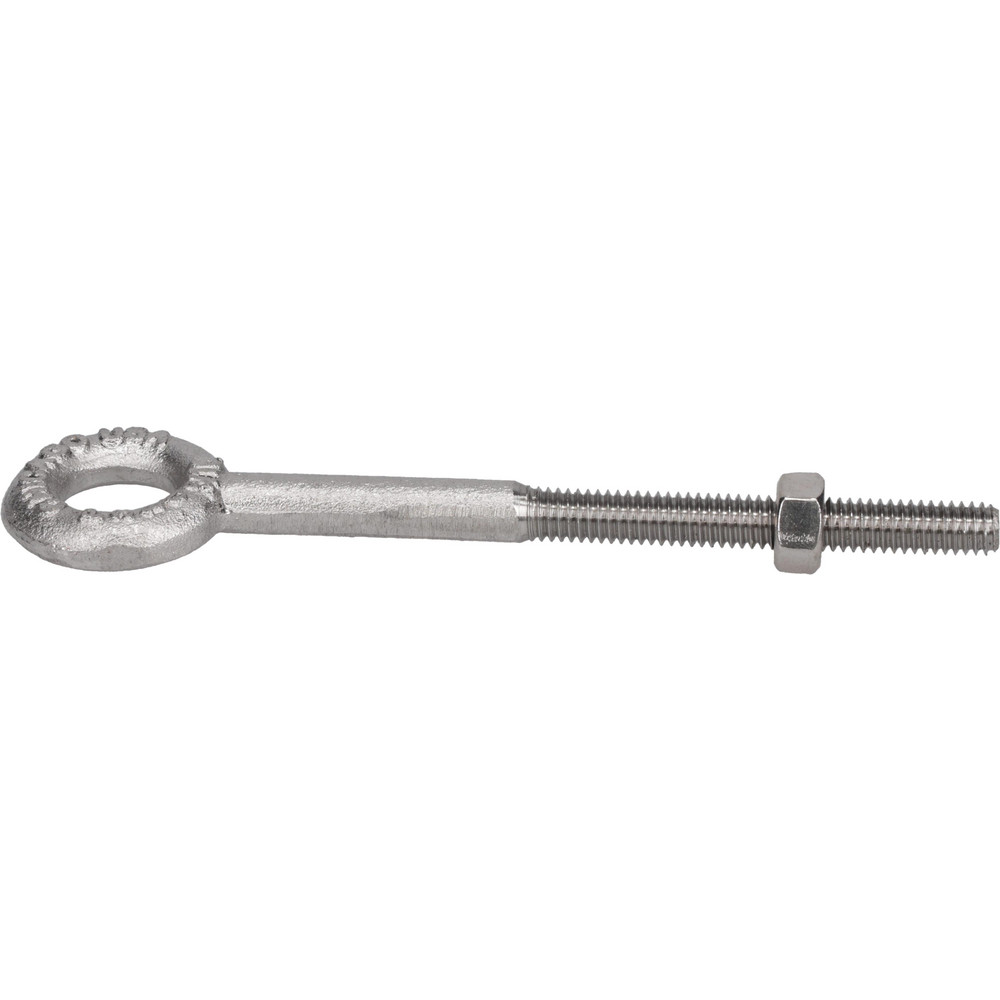
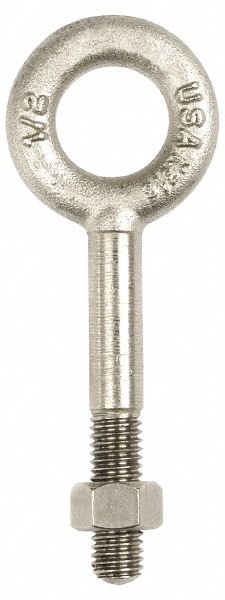
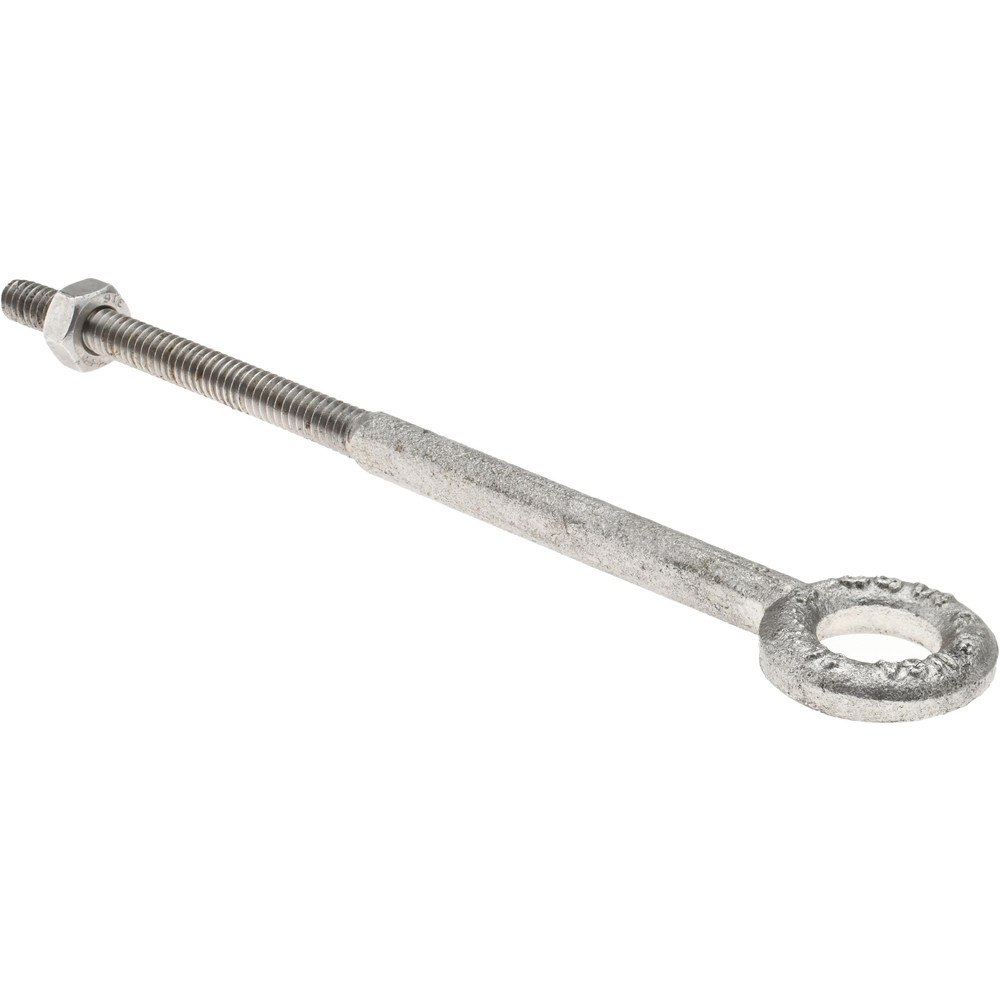
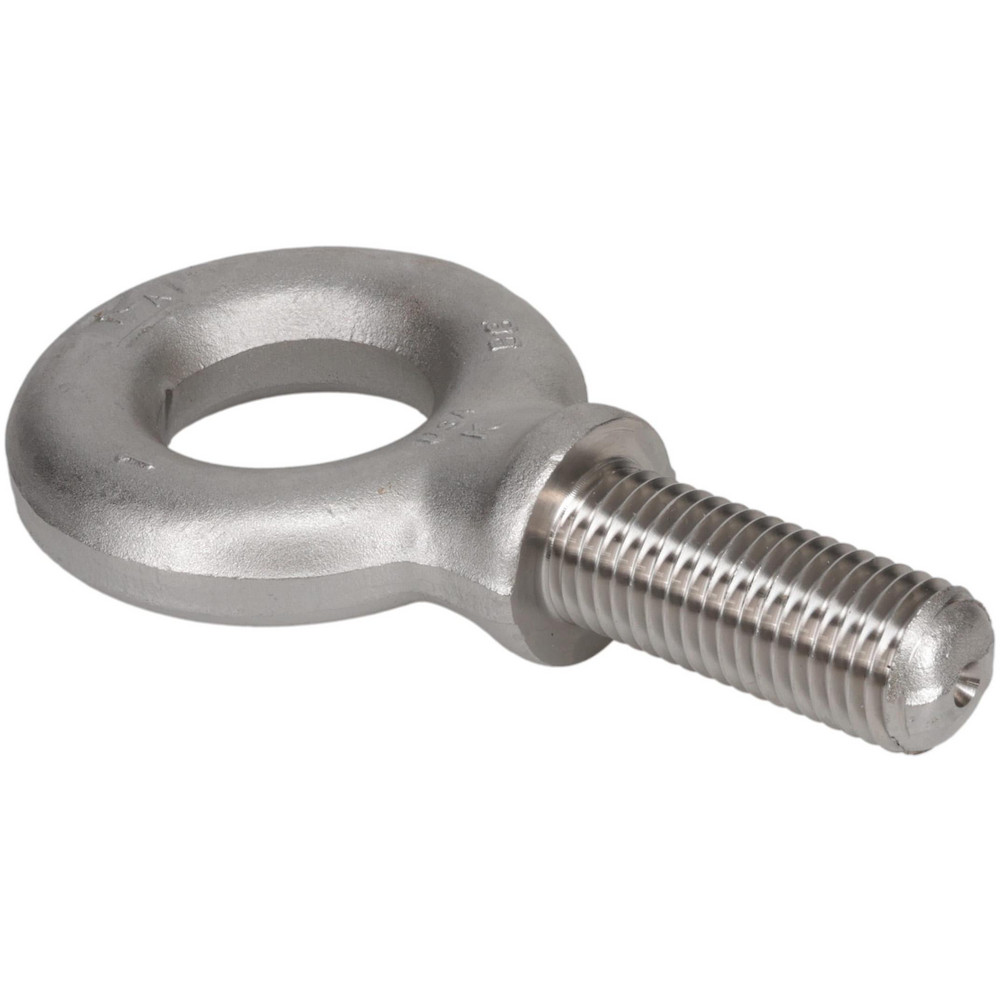
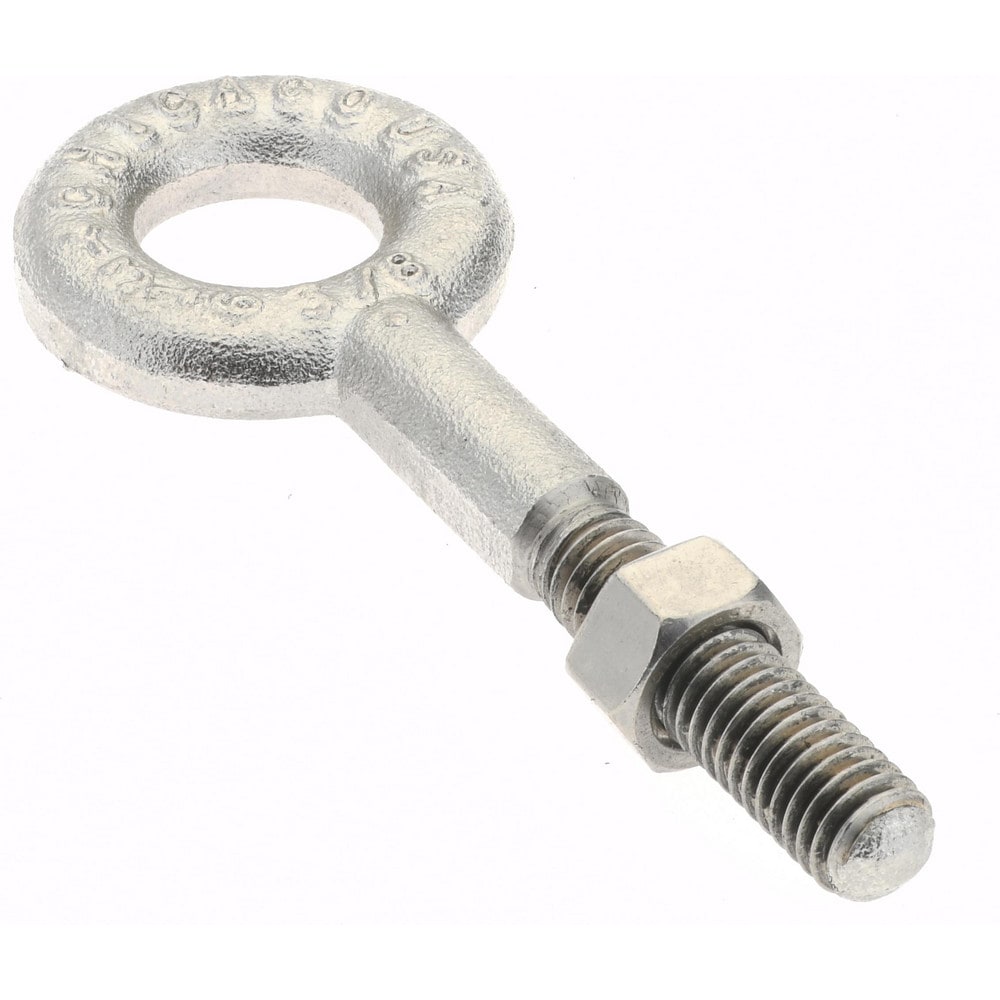
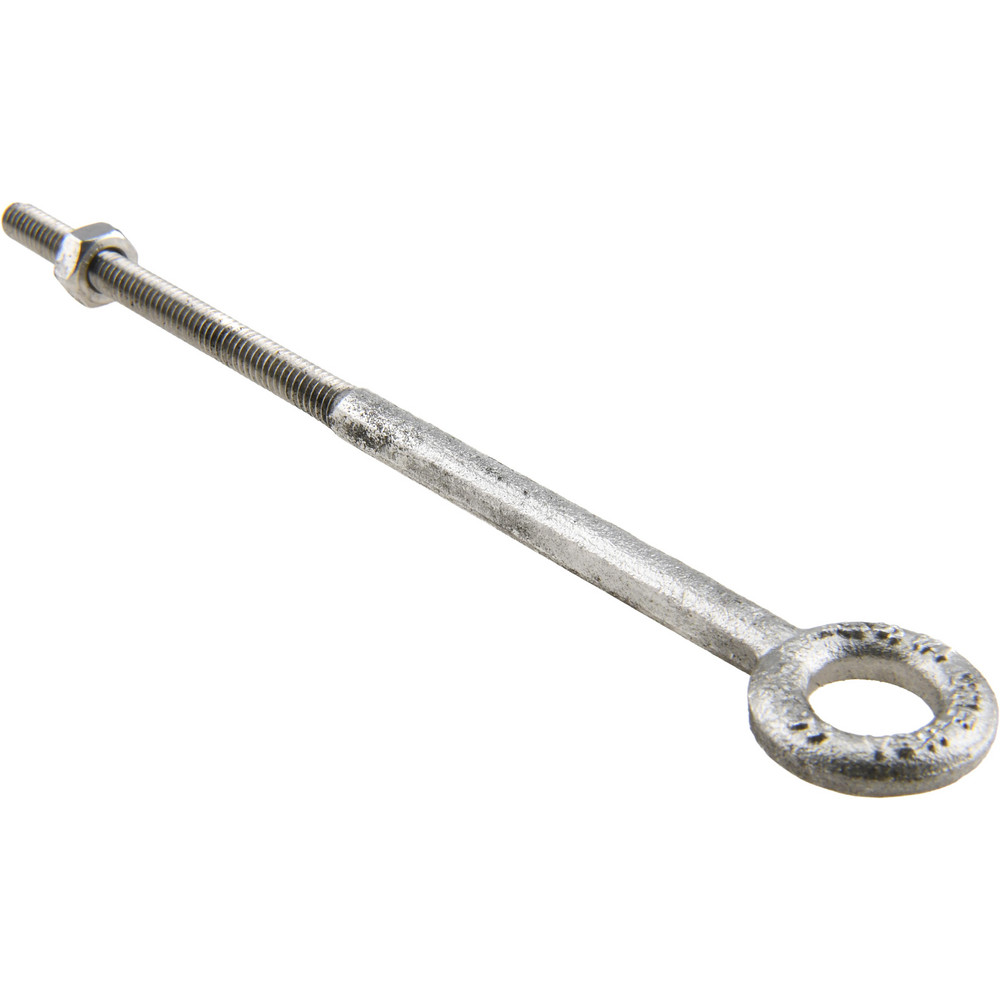
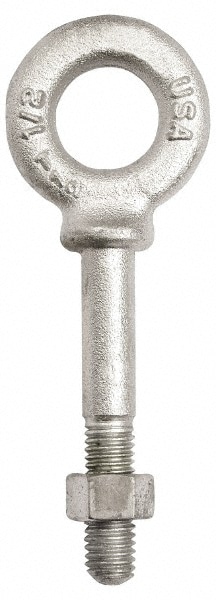
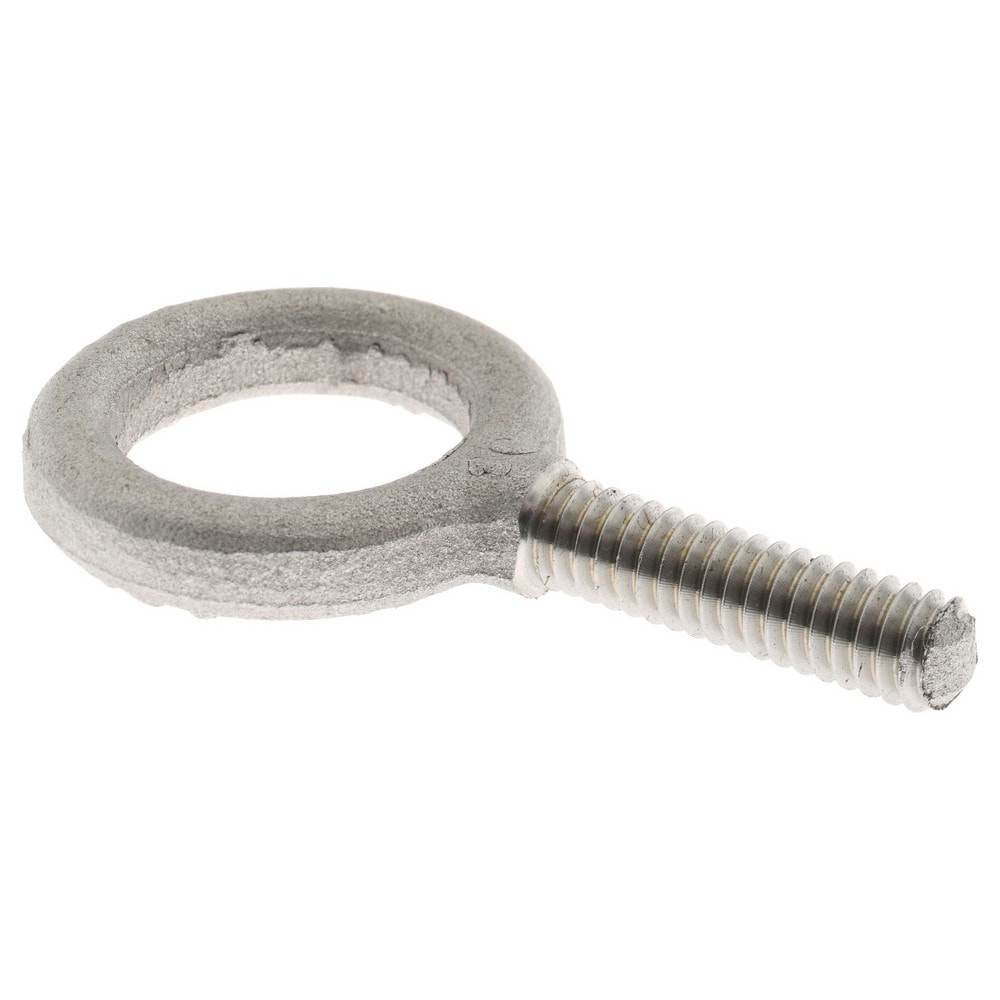
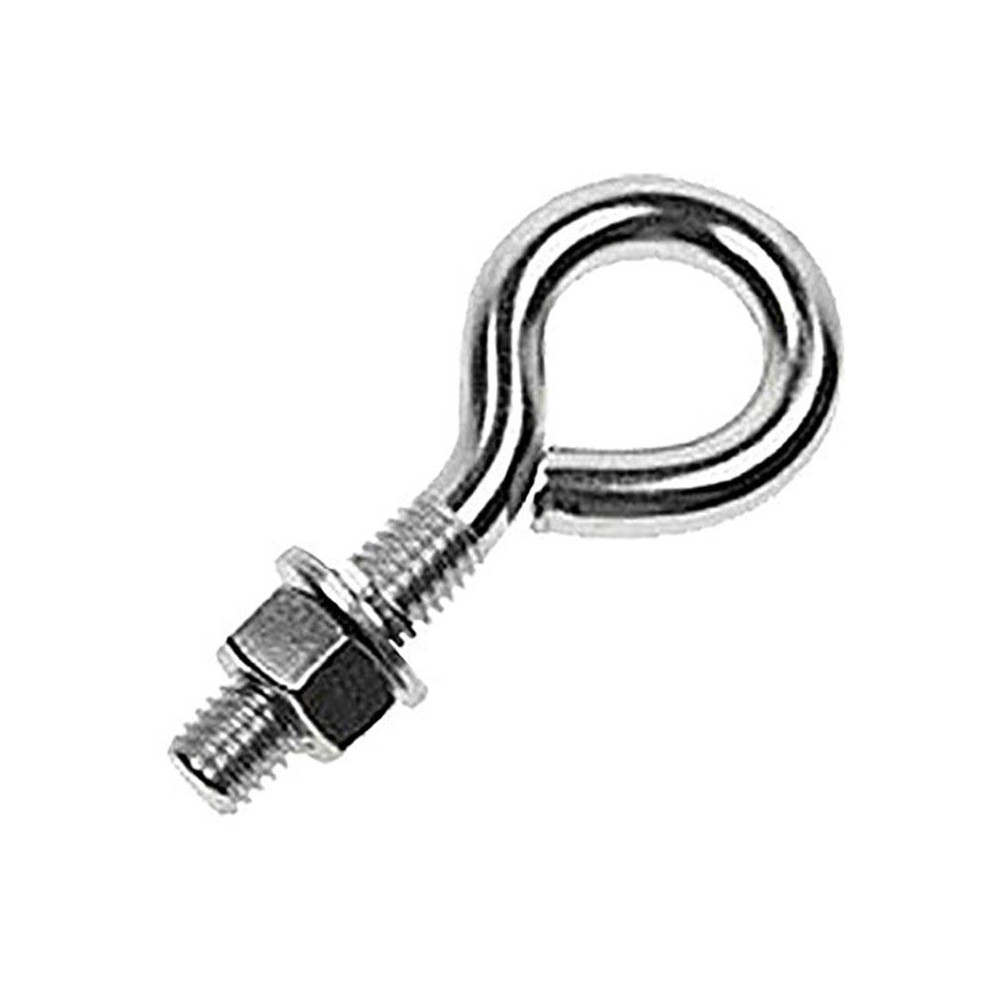
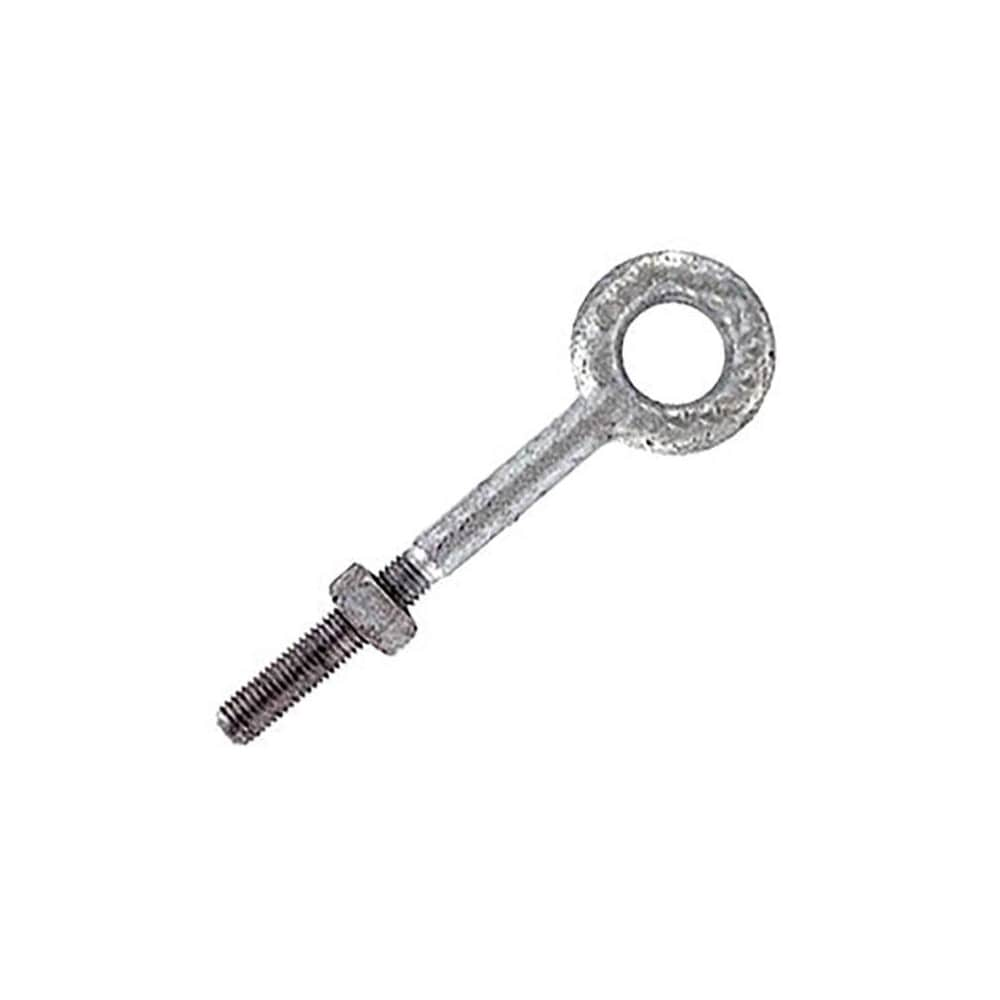
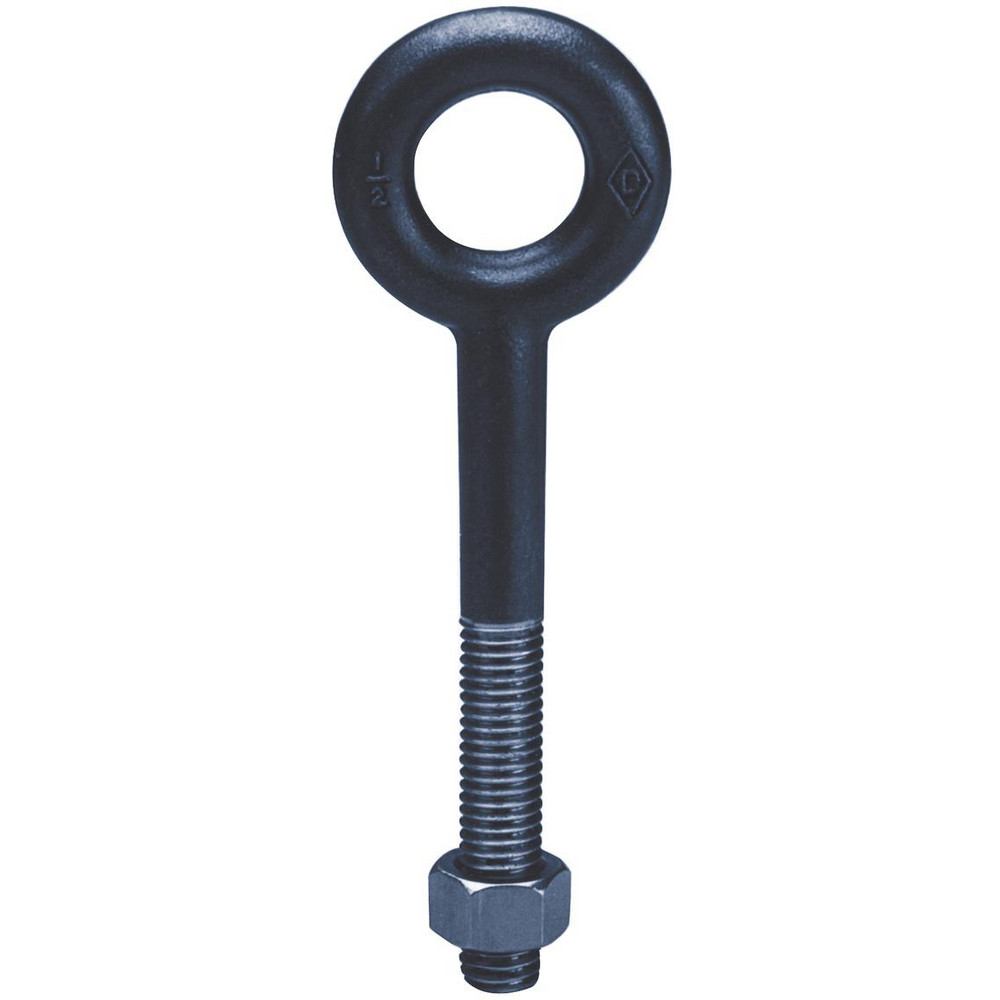
Lifting eye bolts are fully forged threaded fasteners designed to bear more weight than standard eye bolts. They are used for both vertical and angular lifting. For angular lifting, a properly seated shoulder eye bolt must be used. Loads must be applied in the plane of the fastener's eye--not at an angle to the plane-and should not exceed a 45-degree pull. Any deviations, such as angular lifts, shock loads or modifications to the forging will result in drastically reduced working load limits.
Secure Loads with the Right Lifting Eye Bolts
In material handling and rigging operations, lifting eye bolts are used as secure attachment points to lift loads. Designed with a loop at one end, called the eye hook, and a threaded shank at the other end, they enable bolts to securely fasten loads. This guide explains the differences between lifting eye bolt subtypes based on their specific MRO applications and design features. Additionnally, this article discusses best practices, safety tips, and related tools and accessories for proper installation and safe use.
Eye Bolt Types
To choose the right lifting eye bolt type for your application, consider the angle at which the load must be attached. Angular requirements differ based on the MRO application type and significantly affect the bolt’s load capacity. Lifting eye bolts can handle less weight for angular loads compared to straight, vertical loads due to the instability and complexity of the attachment point. Select the proper design for the intended application from the four main types of lifting eye bolts:
Fixed Eye Bolts: Used for lifting vertical loads in general applications.
Fixed Blank (Unthreaded) Eye Bolts: Ideal for custom threading requirements.
Shoulder Eye Bolts: These have a shoulder that provides extra strength and stability, allowing them to lift both vertical and angular loads. They are also known as shouldered or collar eye bolts.
Forged Eye Bolts: Highly durable and designed for lifting heavy-duty loads.
3 Common Applications
Machinery Installation and Relocation
Lifting eye bolts are often used to secure lifting devices, such as cranes or hoists, during the installation or relocation of heavy machinery. Shoulder eye bolts are typically the best choice because they can handle heavy weight and dynamic angular forces. Within this category, select an eye bolt with a lifting capacity higher than the machine's weight. For example, a machinery piece weighing 2,000 lbs would require an eye bolt with at least a 2,200 lbs capacity. Also, ensure the attachment point’s inside diameter matches the eye hook or shackle size.
Construction
Lifting and positioning steel beams or prefabricated structures on construction sites require bolts that support heavy loads. Forged eye bolts with lifting capacities ranging from 10,000 to 20,000 lbs. are the optimal choice. Match the bolt’s thread size and length to the steel beam measurement specifications for secure fastening. Generally, full threading distributes loads more effectively.
Pipeline Maintenance
Lifting and replacing heavy, bulky-shaped industrial pipelines requires precise placement and movement, best achieved with fixed eye bolts with lifting capacities from 4,000 to 10,000 lbs. Ensure the eye bolt’s thread length fits the load without excess protrusion, as protrusion may cause instability and add stress to the bolt, potentially misaligning the attachment and risking accidents or equipment failure.
Best Practices and Safety Tips
Follow the safety guidelines to minimize accidents:
Match bolt size and lifting capacity to the load requirements. Fit the inside diameter to the eye hook or shackle size. Match the thread size and length to the application requirements. For example, choose full threading for heavier loads.
Regularly inspect eye bolts for signs of wear, deformation, or damage.
Install eye bolts in alignment with the load angle to avoid bending or breaking. Use additional washers, nuts, and eye screws for added stability as needed.
Perform load testing to verify the eye bolt can safely support the given load. Always choose an eye bolt with a lifting capacity higher than the load weight.
Adhere to the manufacturer's instructions for installation, use, and maintenance.
Provide comprehensive training to teach operating personnel how to properly use and maintain lifting eye bolts. Organizations, such as the National Safety Council (NSC) or the Occupational Safety and Health Administration (OSHA), offer training programs.
Additional Tools for Bolt Installation
To properly install lifting eye bolts, you need several related industrial tools. Torque wrenches apply the correct torque to tighten eye bolts, while thread-locking compounds secure end threads. This strong attachment prevents bolts from loosening under heavy loads, maintaining installation stability. Additionally, MRO personnel must wear protective gear, including safety gloves and eye protection, to prevent injuries while installing and working with lifting eye bolts.
