When workers head outside in cold weather, they know they're likely to face challenging working conditions, including cold hands, affecting the job's performance. Once temperatures fall below 32 degrees, it's even more critical to prepare for extreme temperatures by wearing personal protective equipment (PPE) designed to keep you warm, dry, and comfortable. This protection only comes when you choose PPE made with high-quality material. The last point is essential, as no one wants to show up ready to work on a cold day only to find their gloves' lining is not performing as anticipated.
To ensure they are purchasing high-quality, warm, comfortable PPE, laborers from almost all industries turn to MCR Safety work gloves with Thinsulate™ insulated liners. Thinsulate™-lined gloves are a must when working outdoors in cold temperatures as they protect against frostbite, numbness, and sensitivity to cold.
Thinsulate™ is a trademarked brand of synthetic fiber thermal insulation made by 3M. Its name comes from the combination of the words "thin" and "insulate," and over the years, Thinsulate™ has taken the place of down feathers and other insulating materials used to increase warmth in clothing. Thinsulate™ has been used in garments made for the U.S. Army since the mid-1980s. When Thinsulate™ technology is used in work gloves, they keep a worker's hands warm and comfortable.
This article will explore this technology and show you some of MCR Safety's top-selling winter work gloves utilizing this unique lining.
What is Thinsulate?
Thin and lightweight, Thinsulate™ fibers are made of polyethylene terephthalate or a mixture of polyethylene terephthalate/polypropylene. The insulation created by weaving these fibers together is used in boots, work gloves, and outerwear. According to 3M, Thinsulate™ is manufactured in seven different insulation formulas used in a variety of PPE products. MCR Safety breaks down each type below:
Offers superior warmth
Is soft and breathable, so you remain comfortable
Is effective in both dry and wet weather conditions
Fibers absorb less than 1% of their weight in water and dry easily
Is certified free of harmful substances to Oeko-Tex Standard 100
Original (Type C)
The high warmth-to-thickness ratio enables this formula to be a little warmer than Type G/KL.
Flame-Resistant Insulation
Designed mostly for the utility and oil and gas industries, this formula incorporates flame-resistant fibers
to protect against unplanned or accidental flames, heat, or electrical arc.
Featherless Insulation
Replaces natural down with loose-fill insulation that mimics the look and feel of down, performing exceptionally well in wet conditions.
Water-Resistant Insulation
Made with hydrophobic fibers, this formula offers improved water resistance, keeping wearers warm, comfortable, and dry without unnecessary weight.
Stretch Insulation
Is designed to stretch a full 40% and move with you, providing excellent dexterity.
Odor-Resistant
Uses X-Static fibers that incorporate insulation and metal technology to reduce odor-causing bacteria.
MCR doesn't use all of the insulation types explained above in their products, but they want to make sure you're aware that they exist. MCR Safety uses the original types (G/KL and C) as the primary types of insulation in their work gloves.
The Technology—How It Keeps You Warm
Resisting water, while also allowing one's skin to breathe, Thinsulate™ is the go-to choice for those seeking protection against cold and wet environments. The moisture-resistant microfiber construction of Thinsulate™ traps more warmth in less space than other types of insulation. Its fibers are about ten times smaller than other similar material. The fibers are also compacted into insulated cloth, resulting in higher levels of warmth and offering reliable and comfortable protection from the cold.
When exposed to water, Thinsulate™ retains its original structure, unlike other loft materials. With Thinsulate™ gloves available, there's no reason to wear bulky work gloves that inhibit movement.
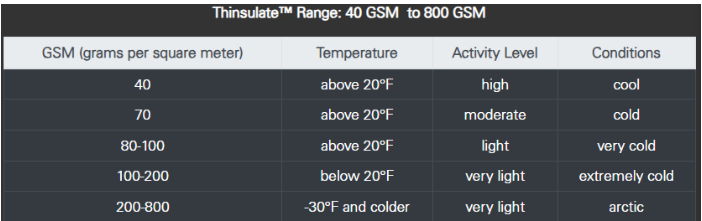
Gram Levels - The measurement of GSM refers to the grams per square meter and is used to measure the thickness and weight of insulation found in gloves. The higher the gram weight, the more it insulates and the warmer you are. The higher the wearer's activity level, however, the more blood circulates into extremities, requiring less insulation. MCR Safety's gloves are designed to minimize sweaty hands.
For their extreme winter gloves, like the 983, they use 200 GSM fabric lining. For their moderate winter gloves, 100 GSM is often used. The lower number equates to more insufficient protection from cold conditions. However, with a thicker GSM, users begin to lose dexterity. Neither scenario is ideal, which means it's imperative to find the right balance.
Often, finding the ideal balance of thickness and warmth leads users down the path of asking what temperature rating the glove protects against when working outside.
To continue reading this blog in its entirety, click here.
This article was previously featured on MCR Safety's blog.