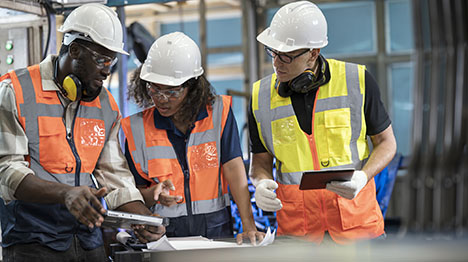
Workers don’t just encounter hazards one at a time. PPE is most effective when worn 100% of the time exposed. With the 3M Integrated Protection Program*, 3M's PPE technologies and services work together to help encourage consistent use by addressing key worker needs. Start by asking: Why might workers not wear their PPE 100% of the time exposed?
Working together for fit
PPE that isn’t properly sized or adjusted may not perform as intended – especially if other types of PPE are interfering with the proper donning. We can help encourage wear time by selecting PPE that fits properly while worn together, both for comfort and for protection against a variety of hazards. Fit testing should be conducted with all necessary PPE worn together.
It’s time to change the way we look at PPE—from many distinct categories to one comprehensive program.
How can you help ensure and validate a proper fit?
Fit can have a significant impact on protection. Fit testing is a best practice, and is often required by standards and regulations to verify that PPE is providing the expected level of protection. To help ensure that PPE works together for the individual worker, complete fit testing while wearing all of the appropriate PPE – and document at every step.
Respiratory fit testing — A tight-fitting respirator needs to seal to a wearer’s face. Otherwise, contaminated air can enter the wearer’s breathing zone. Applies to all tight-fitting respirators.
Eye protection fit evaluation — All eye protection needs to provide a wide field of view, security of fit, and good coverage. Protective goggles should fit snugly with no gaps, and protective eyewear should have minimal gaps, between the eyewear and the wearer’s face.
Hearing protector fit testing — If earplugs do not fit the wearer’s ear canals or earmuffs the wearer’s head well, external noise may bypass the hearing protector, which can lead to noise-induced hearing loss over time. A benefit of hearing protector fit testing is that it can help identify persons at risk for overexposure to noise due to improper fit.
Fall protection fit testing — Full body harnesses distribute fall arrest forces across the shoulders, upper thighs, chest, and pelvis. Therefore, proper fit is critical. Harnesses should be chosen based on the task and the size of the wearer, and then donned, fitted and adjusted properly before each use.
Work with 3M to help reduce the challenges of wearing multiple types of PPE together.
How can we encourage workers to wear all their required PPE, all shift long? Consider the 3M Integrated Protection Program*, a holistic approach to PPE. It includes options that work together to help address hazards, all backed by best practices for fit and 50+ years of the Science of Safety.
3M technologies that can help address fit
• 3M™ Pressure Diffusion Temple Technology – temples flex and self-adjust to the size of the wearer’s head
• 3M™ Pressure Diffusion Technology, as featured in certain 3M™ SecureFit™ Hard Hats – flexes and self-adjusts to the size of the wearer’s head, reducing forehead pressure and increasing comfort for all-day wear
• 3M™ Aura™ Filtering Facepiece Respirators – unique three-panel flat fold design is collapse resistant and fits a wide range of face sizes and shapes
• Powered Air Purifying Respirator (PAPR) systems – loose-fitting headgear provides respiratory protection without the need for fit testing, and may accommodate workers with limited facial hair and prescription eyewear
Many factors can affect how well PPE fits the individual wearer, including:
• Size and shape of the wearer
• Extent to which the PPE item has been properly donned
• Level of training received
• Facial hair that can affect the seal of a tight-fitting respirator
• Other equipment or clothing worn at the same time
Validate that PPE fits and works together
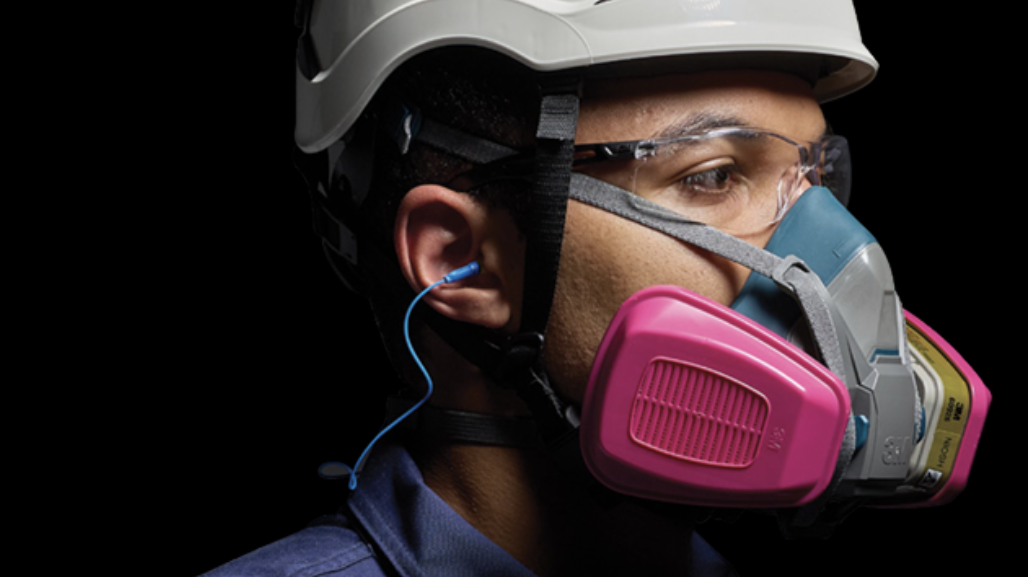
Use fit testing to assess fit while wearing all the required PPE in combination. Pay particular attention to the following combinations (not an exhaustive list)*:
• Earmuffs and eyewear
• Welding shields and hard hats
• Respirators and eyewear
• Hard hats and respirators
• Active hearing protection
*3M Integrated Protection Program refers to 3M’s portfolio of personal protective equipment (PPE) options and services, which may work together to help address one or more of the following worker needs, such as: comfort, fit, compatibility, communication, or performance. The depicted combinations are representative examples of which technologies may work together and is not comprehensive. Some environments or situations might require different or additional PPE. Selecting PPE is the responsibility of the employer and must be based on the work environment, specific hazards, and tasks involved. Fit testing is required to ensure that PPE combinations fit the individual wearer.
Download a PDF of this flyer here and learn more about fit testing and how to ensure that PPE fits and works together.
This article previously appeared on 3M's website.