Have You Faced These Challenges?
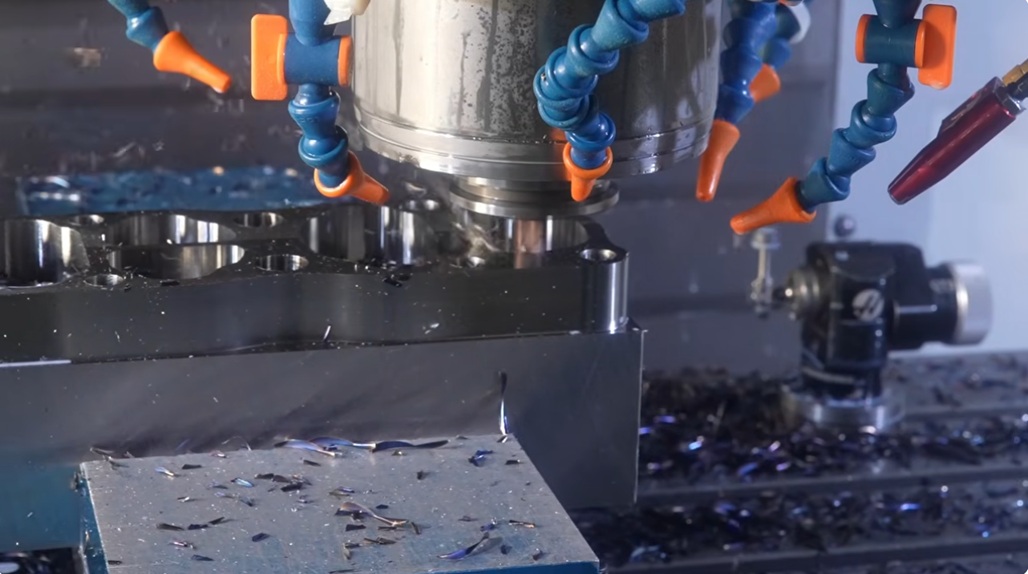
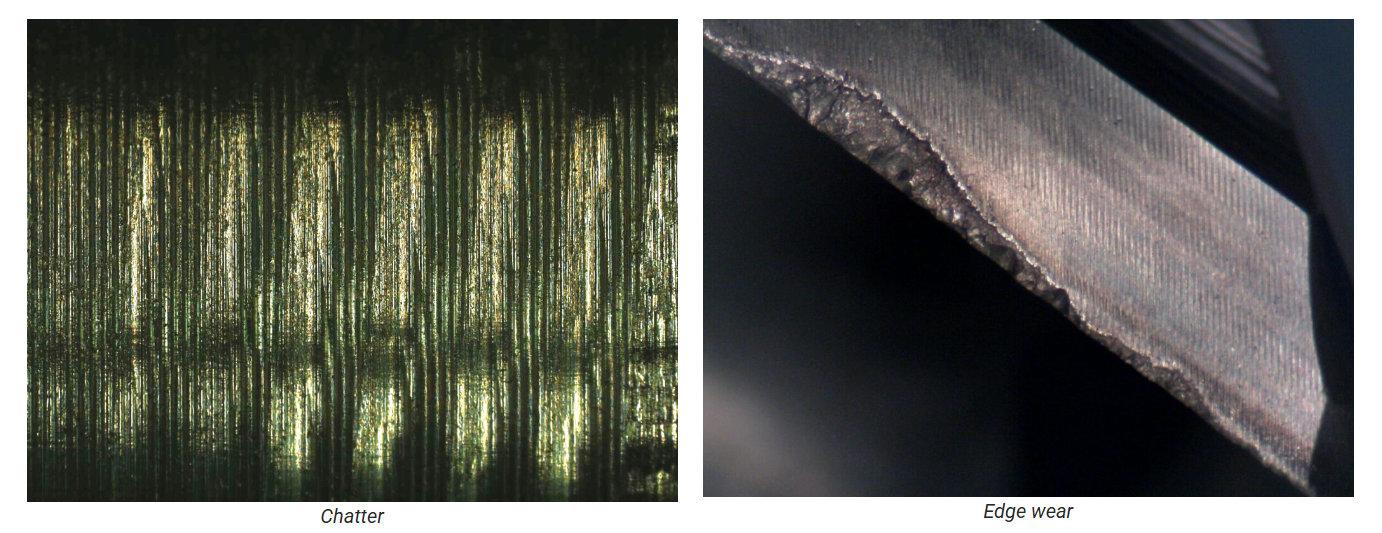
Picture this: You’re halfway through machining a stainless steel part, and suddenly you notice the surface finish deteriorating. Chatter sets in, the cutting zone is clogged with chips, and your tool shows signs of excessive wear. It’s frustrating, right? These are all symptoms of poor chip evacuation, a problem that can grind productivity to a halt and add unnecessary costs to your operation. Efficient chip evacuation is more than just a matter of convenience—it’s the key to faster production, longer tool life, and better results. In this guide, we’ll explore everything you need to know about mastering chip control and how it can elevate your machining process.
Why Chip Evacuation Is Critical
Chip evacuation does more than just keep your work area clean. It actively improves machining performance by:
Removing heat from the cutting zone.
Preventing recutting of chips, which can damage tools and parts.
Enhancing surface finishes by reducing smearing and scratches.
Both indexable tools and solid round tools can excel in a variety of applications, from roughing to finishing, depending on how they are configured and used. While indexable tools are often associated with high material removal rates in roughing operations, they can also deliver excellent surface finishes when equipped with fine insert geometries. Similarly, solid tools, known for precision in finishing, can be designed for heavy roughing applications with robust geometries and coatings. The key to success lies in matching the tool’s geometry, material, and coating to the specific job. Whether you’re roughing with a solid tool or finishing with an indexable cutter, proper chip evacuation ensures that your tools last longer, your parts meet specifications, and your process stays efficient.
Recognizing the Warning Signs
How do you know when chip evacuation is holding you back? Here are some telltale signs:
Surface Scratches: Caused by chips getting recut into the workpiece.
Chatter and Smearing: Indicators of unstable cutting conditions and poor lubrication.
Clogging in Cutting Zones: Especially in deep pockets, slots, or holes, this can lead to tool breakage and dimensional inaccuracies.
If you’ve noticed any of these issues, it’s time to take a closer look at your chip evacuation strategy.
Overcoming Material-Specific Challenges
Tough Materials: Stainless Steel
Stainless steel poses a unique challenge due to its tendency to work harden. Poor chip control increases cutting forces, accelerates tool wear, and reduces accuracy. To combat this:
Ductile Materials: Aluminum
Aluminum chips are notorious for sticking to tools, especially if lubrication is insufficient. Here’s how to keep them under control:
Aim coolant or mist systems directly at the cutting zone to flush chips away.
Choose tools with chip-resistant coatings like TiN, DLC, or TiB2 to reduce adhesion.
The Core Principles of Chip Control
Speeds and Feeds
Your choice of speeds and feeds directly affects chip size, which plays a critical role in evacuation:
Larger chips are generally easier to manage, especially in materials like aluminum.
Fine chips can clog cutting zones and lead to recutting, particularly in ductile materials.
Pro Tip: Start with a feed rate of 0.005–0.02 inches per tooth for aluminum and fine-tune based on chip size and material behavior.
Coolant Application
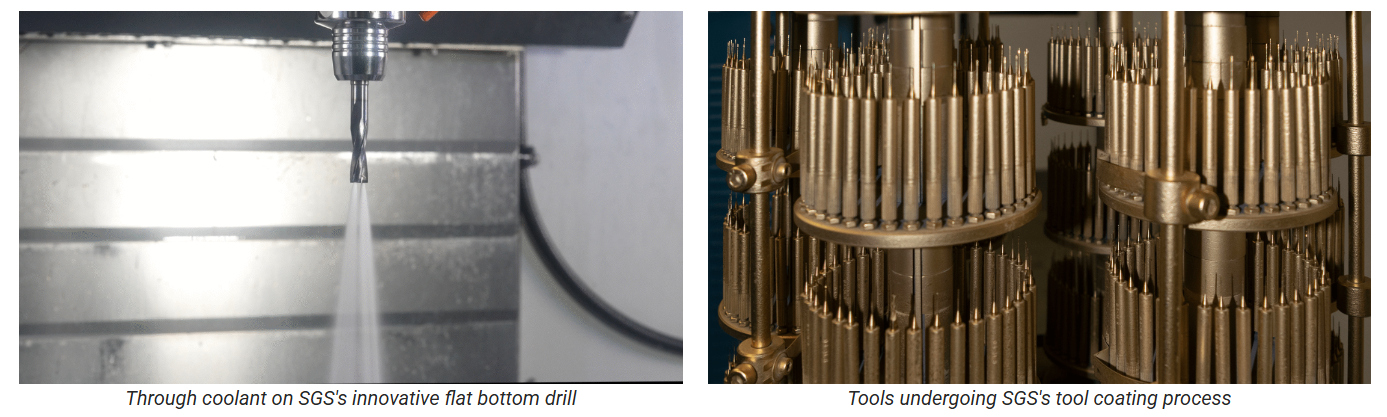
Coolant isn’t just for cooling—it’s your first line of defense in clearing chips. High-pressure coolant systems (1,000 PSI or more) excel in deep drilling and high-performance machining, but even flood cooling or mist systems can be highly effective with proper nozzle alignment.
Direct coolant flow precisely into the cutting zone.
For operations without high-pressure systems, air blasts can provide sufficient chip clearance.
Tool Coatings
Tool coatings significantly enhance chip flow by reducing friction and preventing chips from sticking to the tool surface. For example:
TiN coatings are excellent for general-purpose machining.
TiAlN and other advanced coatings provide superior performance in high-temperature operations, such as machining stainless steel.
Learn more: Matching Tool Coatings to Materials for Better Machining Performance
Strategies for Indexable Inserts and Solid Tools
Indexable Inserts
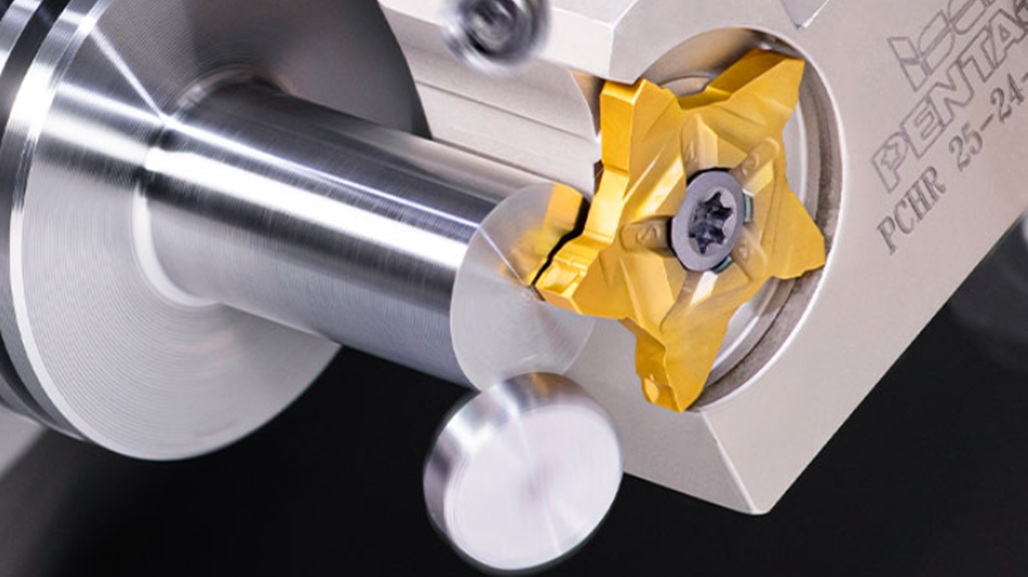
Indexable tools are highly versatile and can handle both roughing and finishing with the right configuration:
Roughing: Wide chip breakers and robust insert geometries handle high material removal rates with ease.
Finishing: Inserts with fine chip breakers and precise cutting edges deliver excellent surface finishes, particularly in large parts or high-volume production.
Solid Round Tools
Solid tools are equally adaptable for a range of operations:
Roughing: Tools with larger flute openings and tough core designs perform well in roughing operations, particularly when chatter control is essential.
Finishing: High flute counts, polished geometries, and coatings tailored for precision help solid tools excel in creating fine surface finishes.
By understanding these capabilities, you can select the right tool type and configuration for your specific job, maximizing efficiency and quality.
Advanced Techniques for Chip Evacuation
Through-Coolant Designs
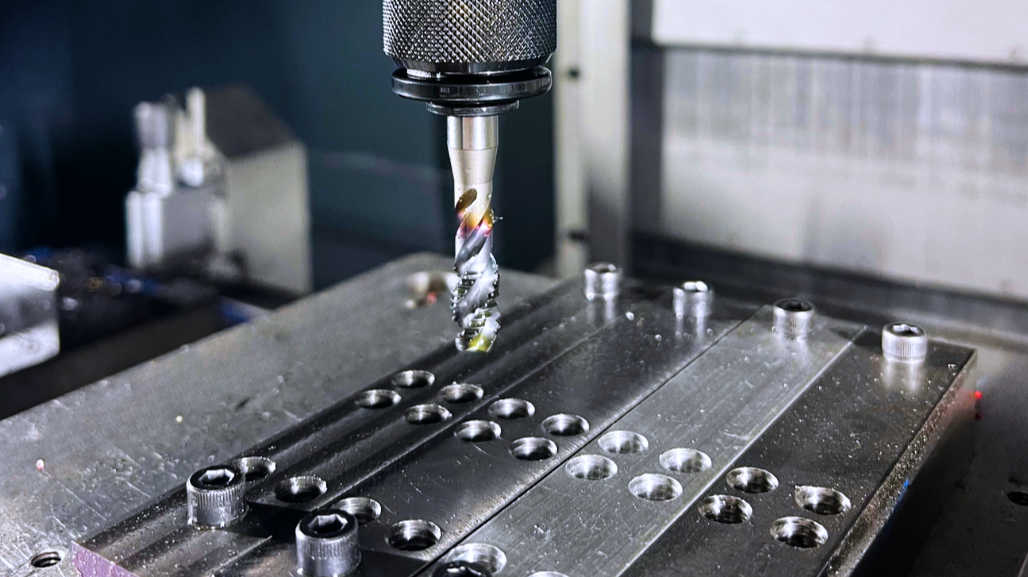
Through-coolant tools are essential for deep-pocket milling or drilling holes deeper than 5xD. They ensure chips are flushed out of the cutting zone, preventing clogs and prolonging tool life.
Variable Helix Angles
Tools with variable helix angles suppress chatter and vibration, maintaining stability and improving chip flow in high-speed or high-stress operations.
Adaptive Tool Paths
Maintaining constant radial engagement through adaptive tool paths ensures uniform chip sizes and efficient evacuation. This approach is particularly effective in slotting, high-speed machining, and operations with uneven material engagement.
Making Chip Evacuation Work for You
The secret to successful chip evacuation lies in aligning your tools, parameters, and strategy to the specific requirements of your material and operation. For example:
Match speeds and feeds to produce manageable chip sizes.
Ensure coolant is not only present but applied effectively.
Leverage tool geometry and coatings to enhance chip control.
Consider the full range of tooling options, recognizing that both indexable and solid tools can adapt to roughing and finishing based on application needs.
By implementing these strategies, you’ll reduce tool wear, improve surface quality, and keep your processes running smoothly. Remember, the right approach isn’t about making dramatic changes all at once—it’s about incremental improvements that add up to big results over time.
This article was previously feature on Kyocera SGS's blog.