When it comes to workplace injuries, cuts and lacerations continue to be a frequent issue, posing a major risk to both workers and employers. Statistics on workplace injuries indicate that on average, cuts and lacerations resulted in six lost working days for the injured worker and cost employers an average of $22,000 per incident[i]. This data points to hand injuries due to cuts or lacerations being the most common, and most costly, of all workplace injuries.
[i] Data based upon Ansell B2B research study 2015
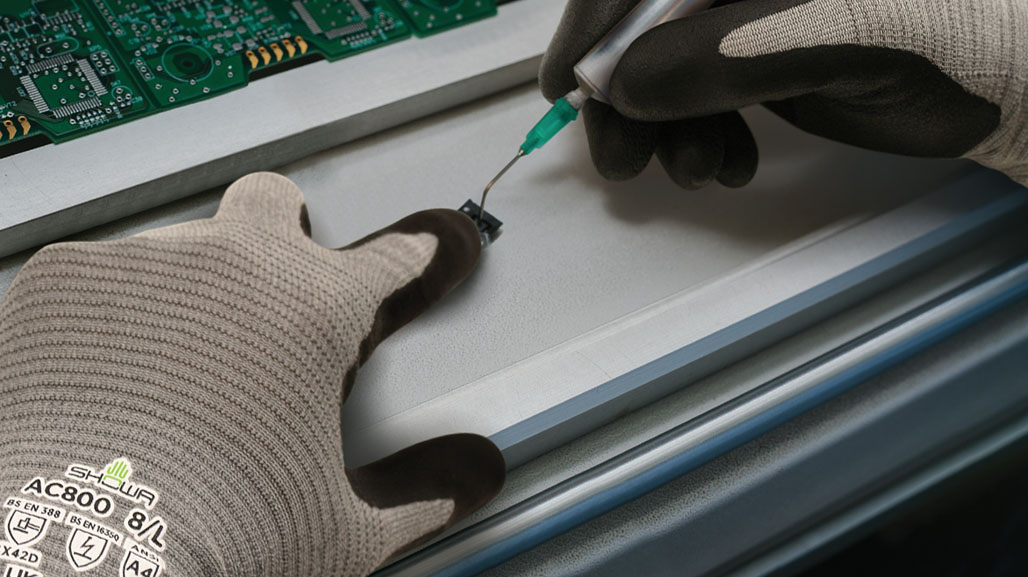
A major indicator of the root causes for these injuries is the statistic that indicates 70 percent of industrial workers who experienced hand lacerations were not wearing proper hand protection[i]. Workers should have access to information on the risks that lead to hand injuries, and the basics of hand protection, as part of any good safety management program. A good first step in selecting the proper hand protection is to assess the material the glove is made of since different materials offer varying levels of cut resistance. A leather or cotton glove will provide the worker only light cut protection. Synthetic and high-performance materials will offer medium protection. Gloves made with engineered yarns, like DuPont™ Kevlar®, or metal fibers will offer the highest protection available on the market. In addition, gloves with a polyurethane or nitrile coating provide additional cut resistance benefits, as well as improved grip, which prevents accidental cut injuries when handling wet or oily parts.
[i] Source: 2016 BLS INJURY DATA
It’s also important to understand and follow the American National Standards Institute/International Safety Equipment Association (ANSI/ISEA) performance levels for cut resistance, blunt object puncture resistance, puncture resistance and abrasion resistance. ANSI recently updated its national hand protection standards; these changes impact some classifications more than others, and none more significantly than those around cut protection.
The update on cut protection standards allows for greater specificity in cut performance ratings. While the old ANSI/ISEA standards had five cut ratings, the new version has nearly doubled it with a scale of A1 to A9 cut levels. The revised standard also adds a needlestick puncture test, since where there are cut risks, there is often the threat of puncture. Ultimately, these updated standards and cut resistance test methodologies provide a clearer path to selecting the appropriate cut resistant hand protection.
Assessing workplace safety hazards, knowing the material characteristics of hand protection options, and applying the new regulatory standards are all critical steps to equip workers with the proper cut protection. Without adequate hand protection, workers are easily distracted and taken out of their comfort zone, resulting in reduced productivity, lost time and injuries. However, with the right understanding of workplace cut risks, and the availability of innovative cut protection solutions, safety managers can select the right protective gloves to keep workers comfortable and protected every day.
For more information on the offering of cut protection gloves from Ansell, please visit MSCDirect.com.






![Respirator Selection Guide for Metalworking [Infographic]](https://images.ctfassets.net/5j4ln2up7bt7/332uL0cWi8nMoT2OTPSfiF/64399c67eab8a1fb9960e5c814af08e7/3m-aura-particulate-respirator-ffp3-9211-thumb.jpg)