Scrap and rework are often seen as unavoidable, but the real cost might be higher than you think. Here’s what could be quietly driving defects, downtime and waste on your floor.
In manufacturing, some losses feel like the cost of doing business. Scrap. Rework. A bit of inefficiency here and there. But the gap between top-performing and bottom-performing facilities is wider than most assume — and often, contamination is the hidden culprit behind it.
Top performers lose as little as 0.6% of their revenue to scrap and rework. For others, it’s closer to 2.2% — a gap that can translate to millions annually.1
So what’s driving the difference? Sometimes, it’s not what’s happening on the production line, but what’s happening around it.
These losses aren’t always caused by machine failure or bad materials. Sometimes, they start with a wipe that wasn’t clean enough.
Contamination costs more than you think
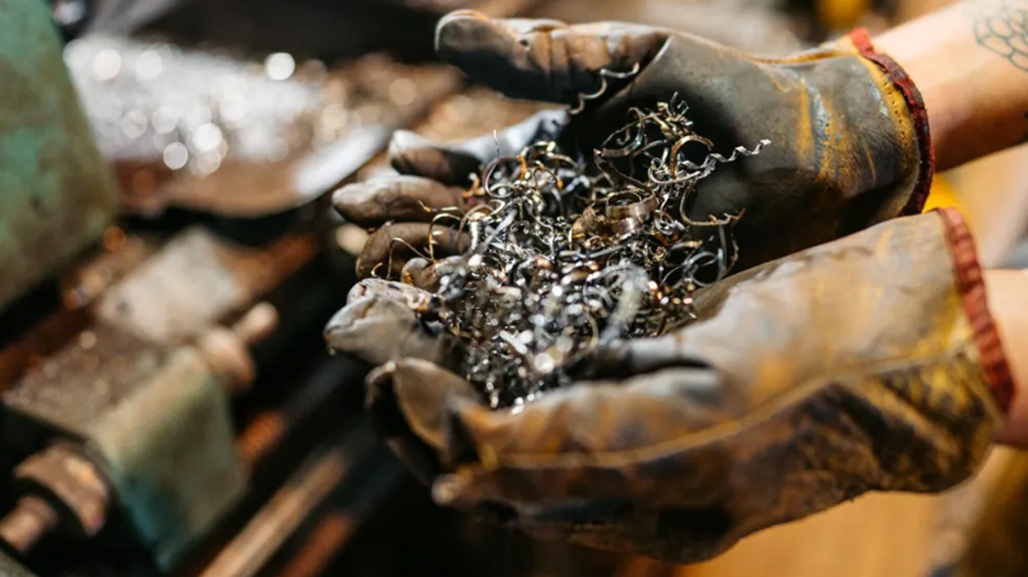
Residue buildup, foreign debris and bacterial cross-contamination can quietly derail production. But unlike downtime or labor, these issues often go untracked — and unchecked.
Consider this:
93% of laundered towels still carry bacteria, even after washing2
Poor maintenance practices can cut capacity by up to 20%3
Manufacturers lose $50 billion a year to unplanned downtime — and contamination plays a part4
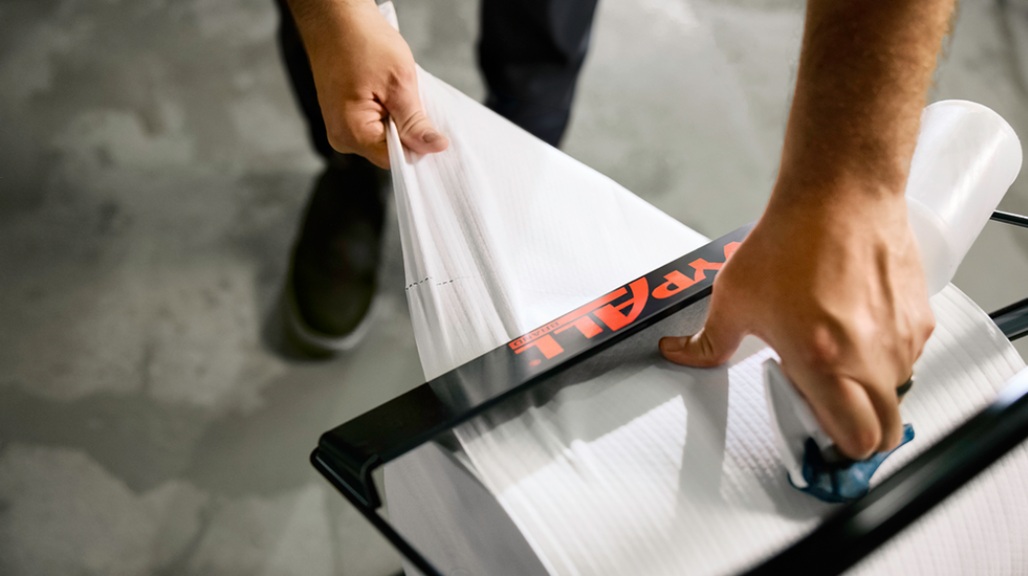
When you add in the hidden inefficiencies of reused rags, cross-contaminated cleaning materials and inconsistent wiping tools, it becomes clear: your cleaning routine might be costing more than it's saving.
Small changes, big results
Cleaning may seem like a background task, but it can have a measurable impact on downtime, defect rates and even customer satisfaction. The most efficient facilities aren’t just tracking big-ticket items; they’re paying attention to the overlooked practices that affect quality at every stage.
From prep to post-production, the cleaning process shapes more than surface appearance — it can be the difference between consistent quality and costly callbacks. When it’s built into the workflow, rather than treated as an afterthought, the results speak for themselves.
Because it all starts with aligning cleaning to the task.
In manufacturing, even the small stuff — the residue, the rags, the routines — can add up to major impact. And when you treat cleaning as a strategic lever, not just a side task, you open the door to fewer defects, less downtime and improved performance across the board.
This article was previously featured on Kimberly-Clark Professional's blog.
1. American Productivity & Quality Center. (n.d.). Benchmarking and best practices in manufacturing operations. Retrieved from https://www.apqc.org
2. Gerba, C. P. (University of Arizona). (2007). Assessment of bacterial contamination on reusable towels. Study cited in industrial hygiene publications
3. U.S. Department of Energy & NIST. (2002). Improving maintenance strategies for increased productivity in manufacturing. Retrieved from https://www.energy.gov
4. Deloitte. (2022). Predictive maintenance and the smart factory: Capturing value from spare parts. Retrieved from https://www2.deloitte.com