1. Avoid Reactive Maintenance
Reactive maintenance—fixing equipment only after it breaks—can be extremely costly. According to Reliable Plant, unplanned maintenance takes 3 to 9 times longer than planned work, leading to wasted labor, delayed production and increased overtime costs.
Why it’s costly:
Emergency repairs often require expedited shipping for parts and premium labor rates.
Downtime disrupts production schedules and can delay customer deliveries.
It increases wear on other equipment due to sudden load shifts or overuse.
Solution: Shift to a proactive maintenance culture by tracking equipment performance and scheduling regular checkups.
2. Implement Preventive Maintenance
Preventive maintenance involves scheduling regular, planned maintenance activities based on time intervals or equipment usage. This proactive approach helps identify and resolve minor issues before they turn into major failures.
Benefits:
Reduces the frequency and severity of equipment breakdowns.
Extends the lifespan of machinery and tools.
Improves safety by ensuring equipment is always in optimal condition.
Enhances production reliability and reduces unplanned downtime.
3. Use Predictive Maintenance
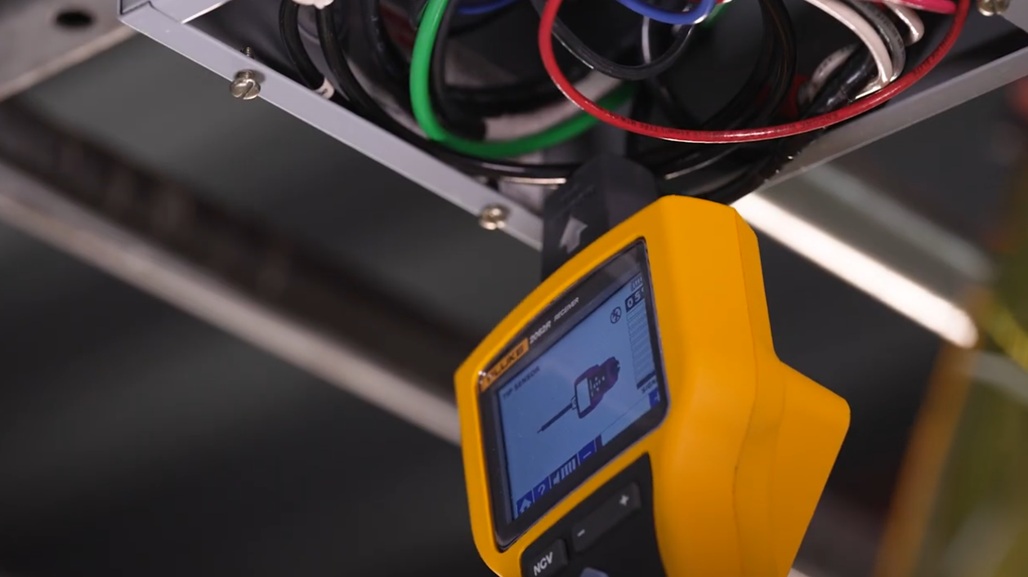
Predictive maintenance uses real-time data from sensors and analytics tools to forecast when equipment is likely to fail. This allows maintenance teams to intervene just before a breakdown occurs.
Technologies involved:
Benefits:
Reduces unnecessary maintenance tasks.
Minimizes unexpected downtime.
Optimizes spare parts inventory by predicting needs.
4. Train Maintenance Staff
Well-trained maintenance personnel are essential for efficient operations. Investing in training ensures your team can diagnose issues accurately, perform repairs correctly and use tools and technology effectively.
Training areas to focus on:
Equipment-specific maintenance procedures
Safety protocols and compliance
Use of diagnostic tools and software
Benefits:
Reduces human error and rework.
Increases team confidence and morale.
Enhances the speed and quality of repairs.
Tip: Partner with equipment manufacturers or technical schools to provide hands-on training and certifications.
5. Conduct Regular Inspections
Routine inspections are a low-cost, high-impact way to catch problems early. These inspections can be visual checks, performance tests or sensor-based diagnostics.
What to inspect:
Wear and tear on moving parts
Fluid levels and leaks
Electrical connections and wiring
Safety guards and emergency stops
Benefits:
Prevents small issues from becoming major failures.
Improves compliance with safety and quality standards.
Builds a culture of accountability and care.
Tip: Use digital checklists and mobile apps to streamline inspection reporting and follow-up actions.
Bonus Strategies for Cost-Effective Maintenance
Standardize Maintenance Procedures
Create clear, step-by-step procedures for all maintenance tasks. Standardization ensures consistency, reduces training time and minimizes errors.
Implement Total Productive Maintenance (TPM)
TPM involves all employees—from operators to managers—in maintaining equipment. This shared responsibility improves equipment reliability and fosters a culture of continuous improvement.
Schedule Maintenance During Downtime
Plan maintenance during off-hours, shift changes or scheduled production breaks to avoid disrupting operations.
Optimize Cleaning Procedures
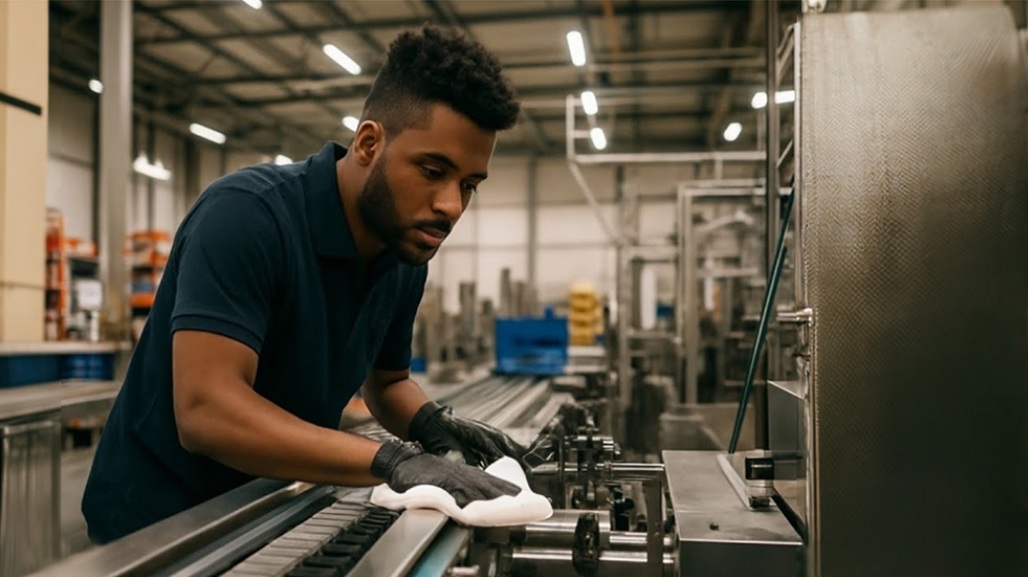
Efficient cleaning not only improves hygiene but also prevents buildup that can cause equipment wear or contamination. Use the right tools and materials to clean without damaging sensitive components.
This article was previously featured on Kimberly-Clark Professional's blog.