



The clip point blade gets its name from the “clipped” appearance of the spine near the tip. This creates a finer, sharper point that’s great for piercing through materials. It’s a popular choice for everyday carry and hunting knives. However, keep in mind: the narrow tip can be more prone to breaking if used for prying or heavy-duty tasks.
Pocket Knives: Styles & Safety Essentials
Learn all about pocket knives, including the most common types, use, and safety tips.
What Is a Pocket Knife?
A pocket knife is a folding knife with one or more blades that fit inside the handle. Users can easily carry them in their pocket or a tool bag. These knives are used for professional and everyday tasks, such as cutting rope and opening packaging, and outdoor use like hunting and combat. Pocket knives come in different blade types, including plain for clean cuts or serrated edges to cut through materials like fabric.
Types of Pocket Knives
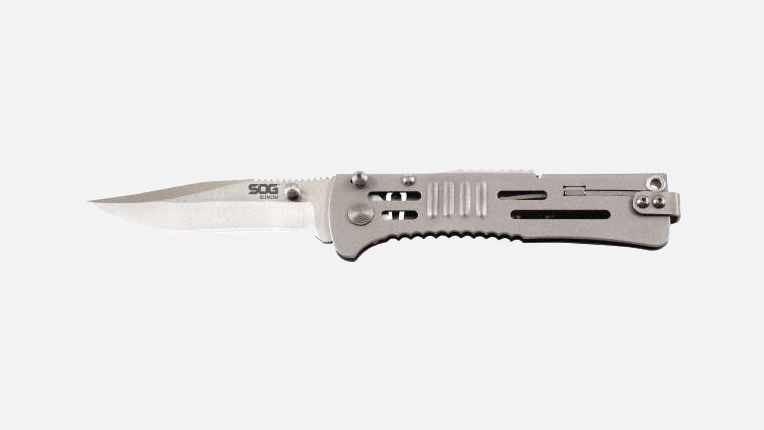
Clip Point
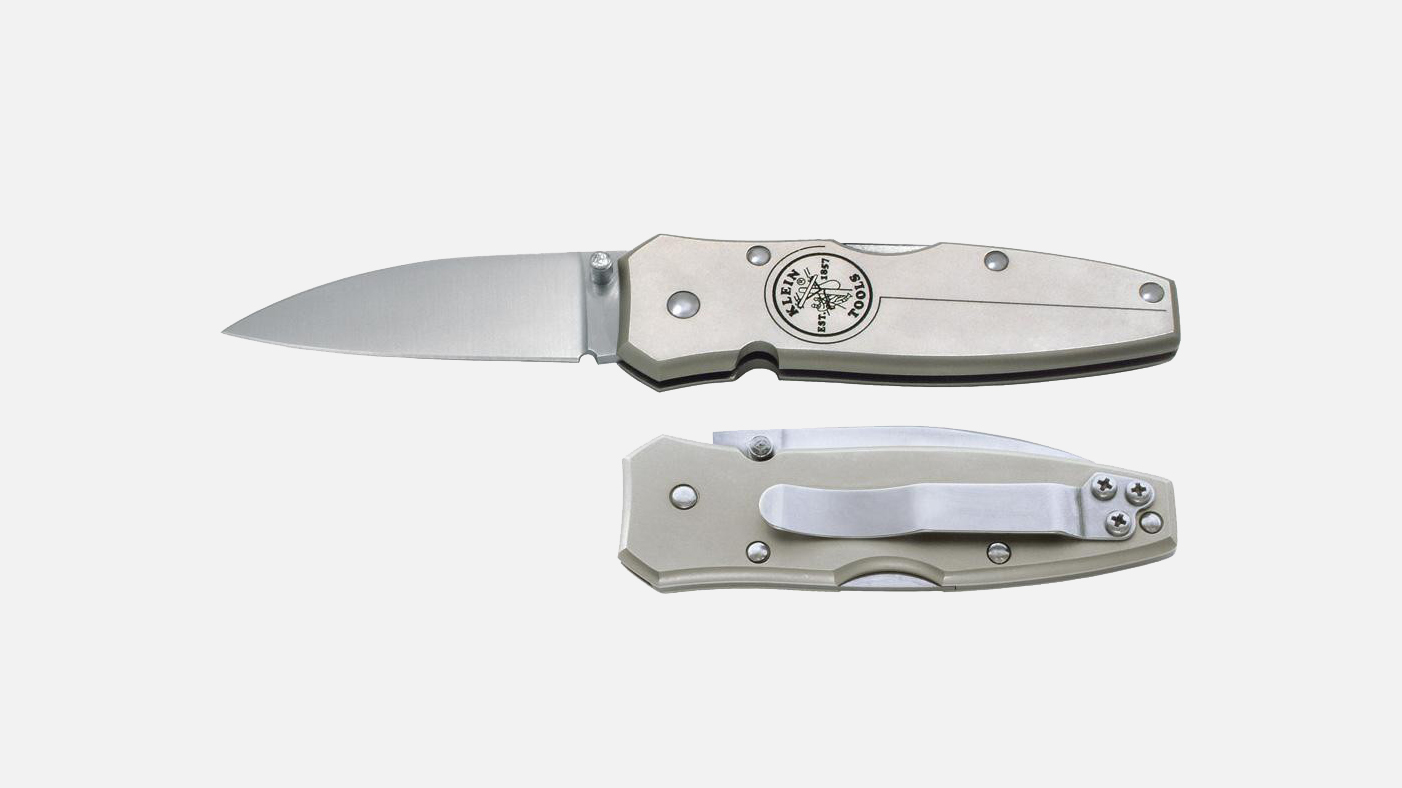
Drop Point
One of the most common types of pocket knives, the drop point features a convex spine that slopes gently down to the tip. This shape creates a strong, durable point that helps with finer cutting work. Drop point knives are great for many things, from cutting boxes to skinning fish, or working outdoors. A drop point is one of the best pocket knives for first-time buyers and longtime knife users.
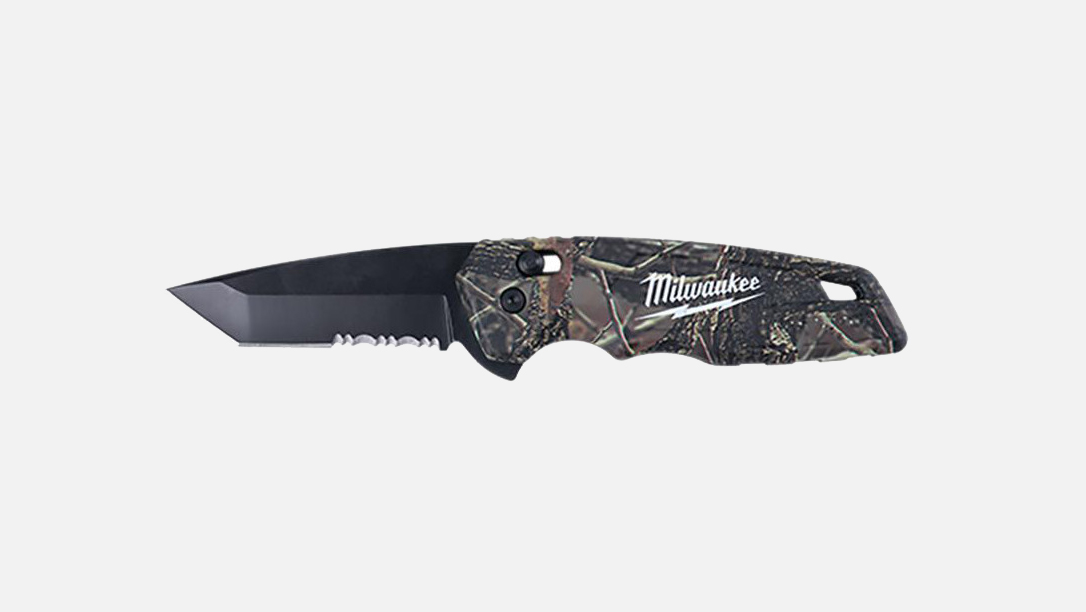
Folding Pocket Knives
These knives feature a blade that folds into the handle. Most have stainless steel blades with fine or partially serrated edges. Locking mechanisms improve safety during use.
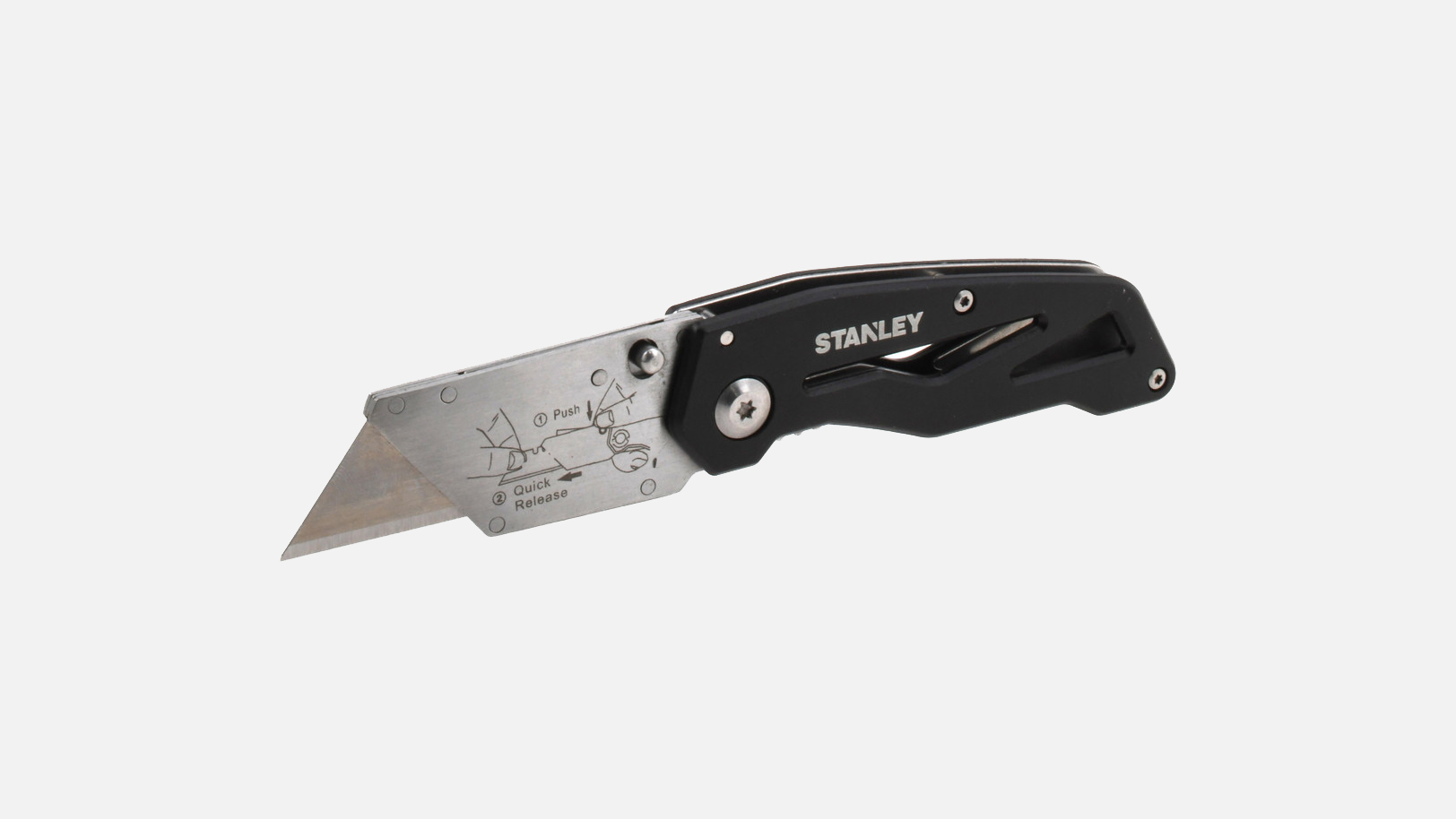
Fixed-Blade Pocket Knives
Though less common in the “pocket” category, these are usually selected for convenience purposes in one-handed operations. They don’t fold but can be compact enough to fit in a pocket. The length of the blades varies, and they can either be fine or partially serrated.
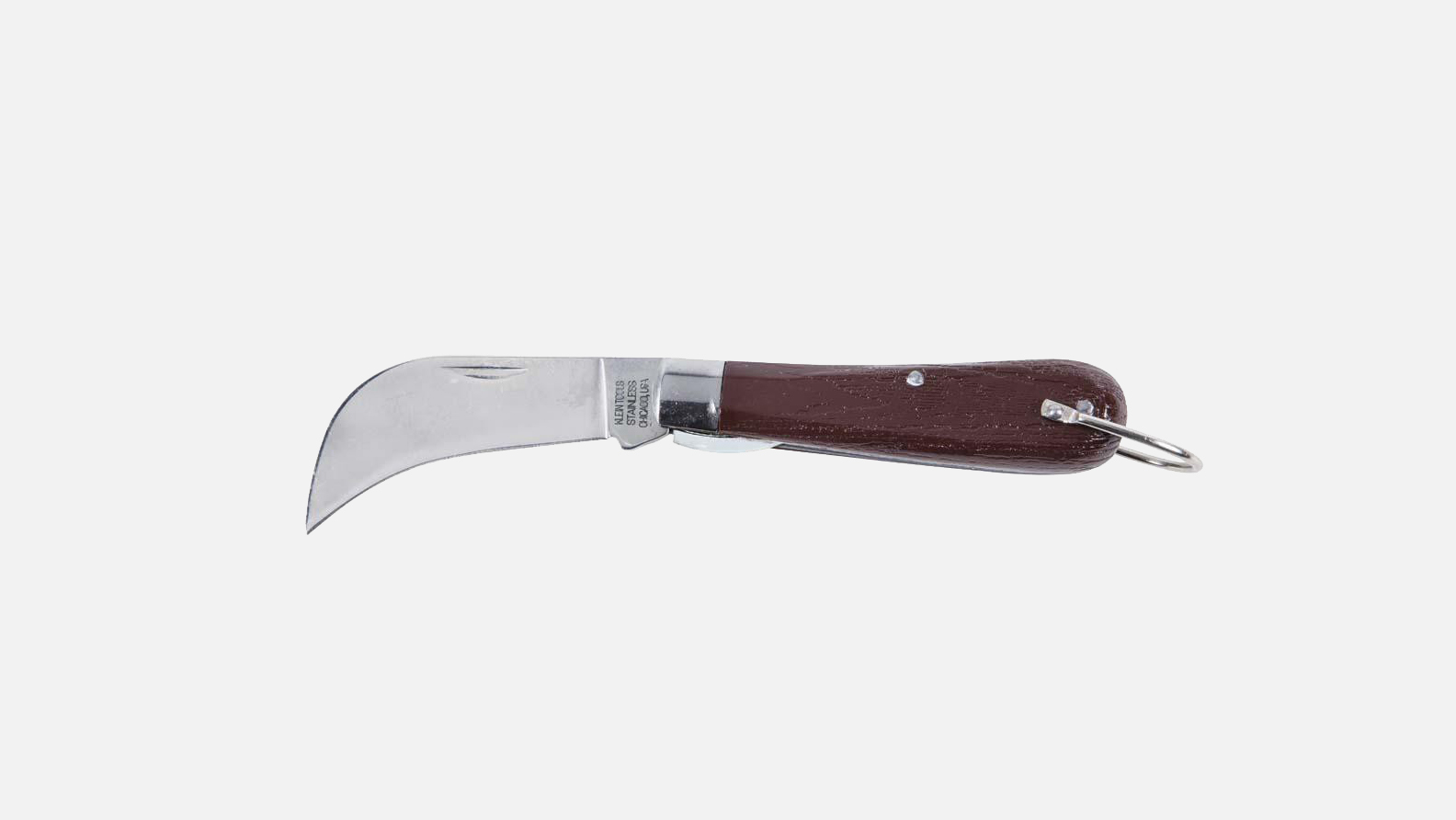
Sheepsfoot
A sheepsfoot blade is easy to identify thanks to its unique shape: a straight spine that curves sharply down toward the cutting edge, ending in a blunt tip. Originally popular in kitchens for food prep, this blade shape has found its way into many pocket knife setups.
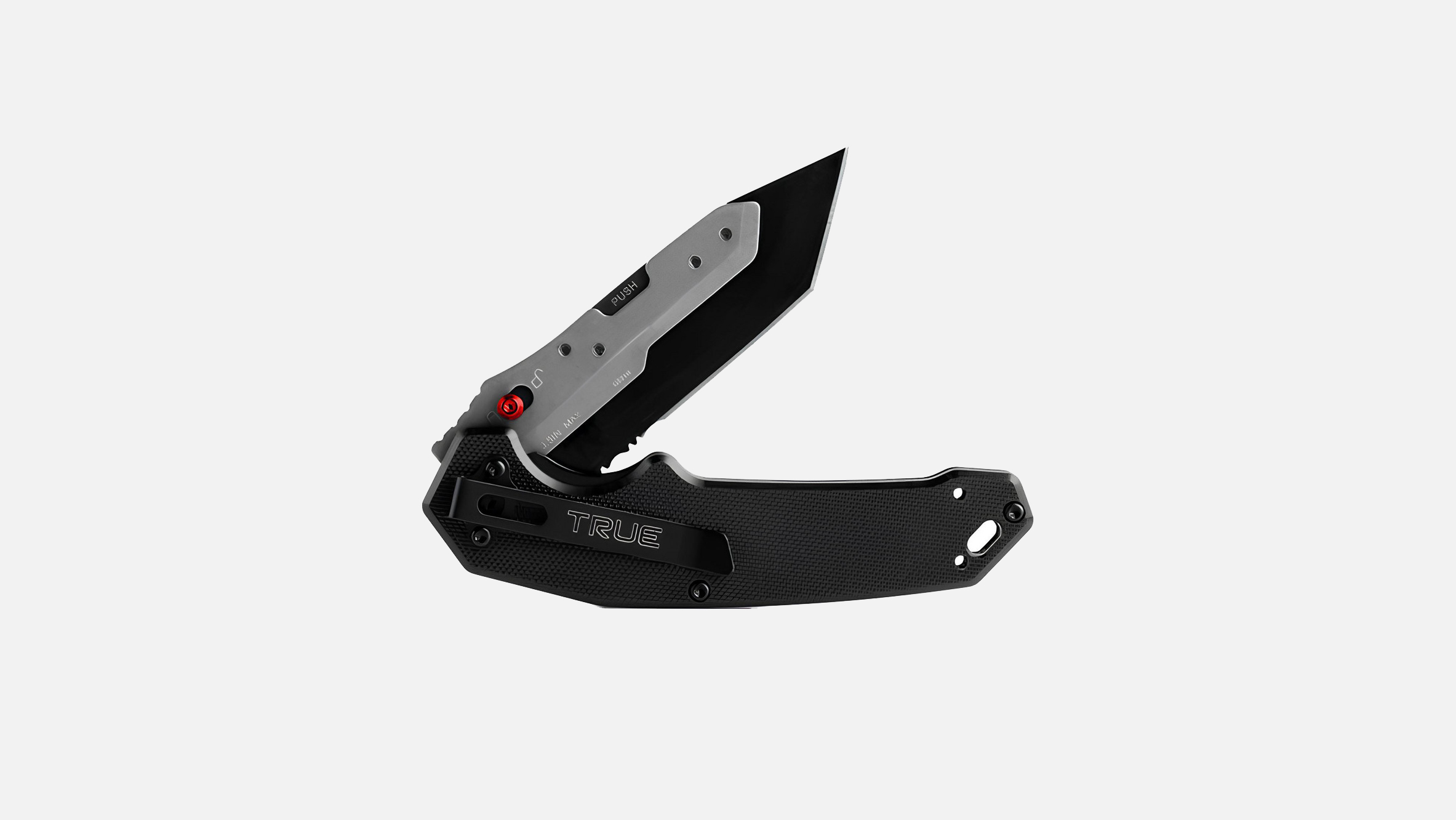
Tactical Folding Knives
Tactical knives are built for durability and quick deployment. They are designed for rescue and combat use and are common in military or survival applications.
Pocket Knife Safety Tips
Always cut away from your body.
Keep the blades sharp to reduce the risk of slipping.
Use the pocket knife’s locking mechanism properly.
Store the knife securely when it is not in use.
To request a quote, please login to your existing account or register a new one. This helps us provide you with a personalized experience and keep track of your requests.