



In modern vehicles, proximity sensors detect nearby objects or other vehicles to enhance safety. They're commonly used in parking assist systems and adaptive cruise control. In public transportation, these sensors control automated doors—keeping them open if an object is detected in the doorway to prevent accidents and ensure passenger safety.
Proximity Sensors Technical Information, Types, and Uses
Our proximity sensor guide explains how they work, the different types available, and their practical applications.
What Is a Proximity Sensor?
A proximity sensor detects the presence or absence of an object without physical contact. Some are designed to detect only specific materials, such as certain metals. These sensors are commonly used in smartphones, robotics, and vehicles.
Since proximity sensors operate without physical contact, they have a longer lifespan. They're designed for high-speed response when detecting objects. For example, in elevators, proximity sensors keep the doors open if an object is in the way, ensuring user safety and preventing damage to the doors. Some models can last for decades without replacement.
Types of Proximity Sensors
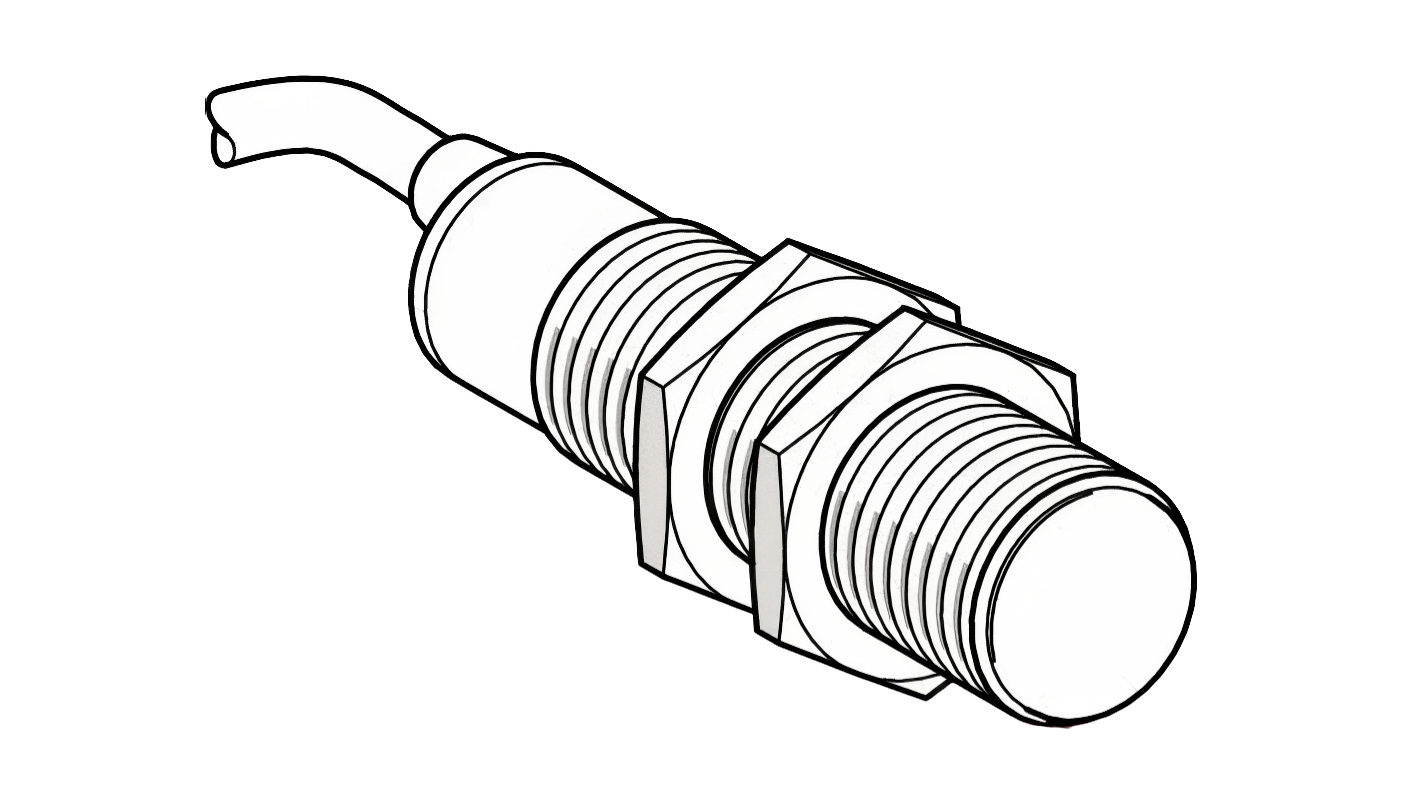
Capacitive Sensor
- Detection: Works with any material.
- Environmental Sensitivity: Can be affected by humidity, dust, and similar conditions.
- Best For: Bulk materials, liquids, or targets behind a non-metallic barrier.
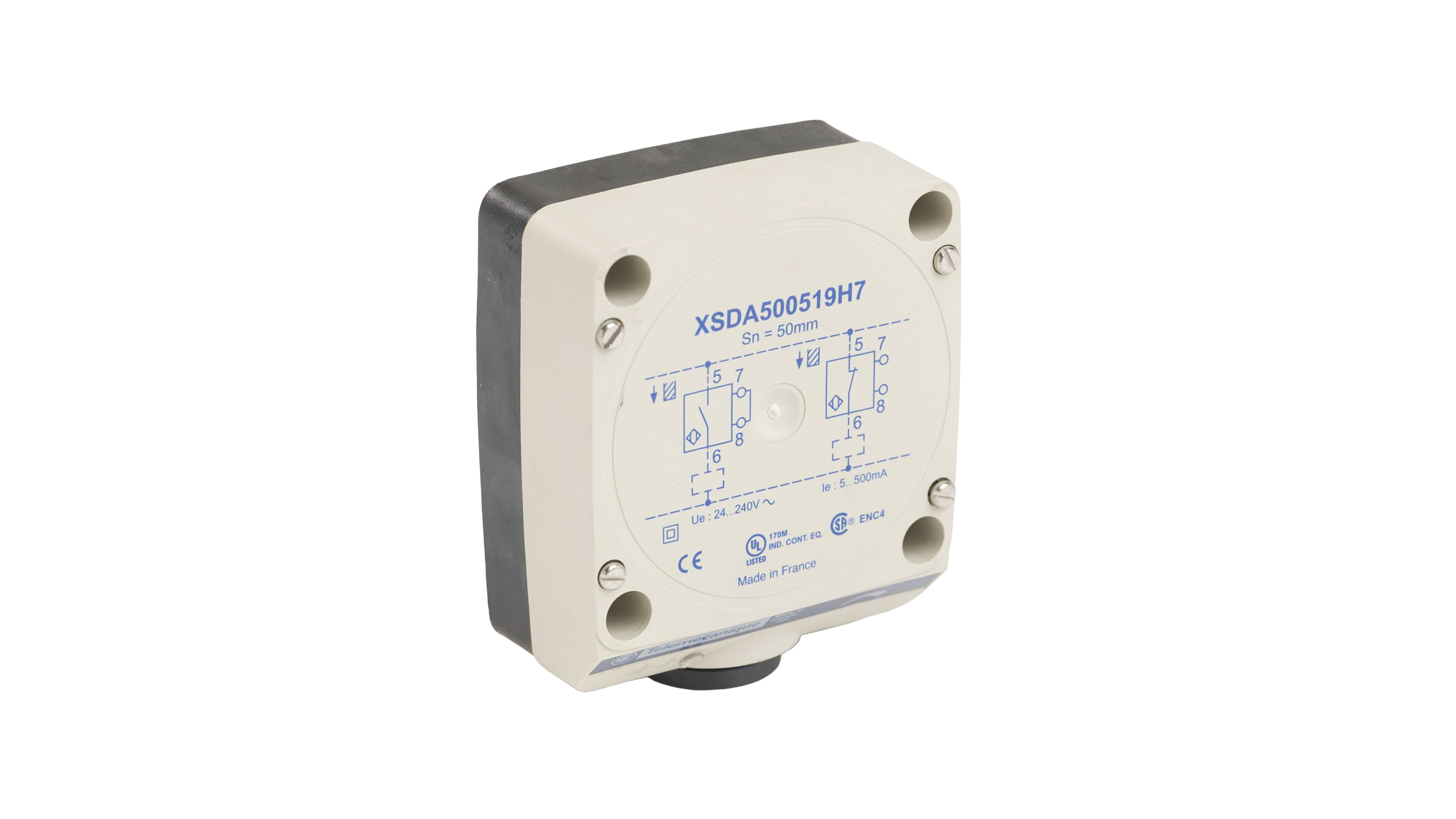
Inductive Sensor
- Detection: Specifically identifies metal targets.
- Performance: Consistent and predictable sensing with minimal variables.
- Use Case: Proven and reliable for industrial applications.
Output Signal
For the DC version, there are two types of sensors:
PNP (Sourcing): Switches the positive side to the load.
NPN (Sinking): Switches the negative side to the load.
A single sensor, depending on its wiring configuration, can be set up in any of these four modes: PNP normally open (NO), PNP normally closed (NC), NPN normally open (NO), or NPN normally closed (NC).
Note: The output supports connection to only one load.
Proximity Sensor Applications
As mentioned earlier, proximity sensors are used in a wide range of industrial and residential applications. Within their sensing range, they can detect nearby objects and, if needed, stop machine operation. Below are some common use cases for proximity sensors:
To request a quote, please login to your existing account or register a new one. This helps us provide you with a personalized experience and keep track of your requests.