



Shop all our special offers today -
Shop Now
Power Saws
746 items returned
Loading

-
Select a category for the best experience
-
-
-
-
-
-
-
-
-
-
-
-
-
-
-
-
-
-
-
-
-
-
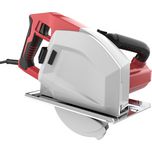
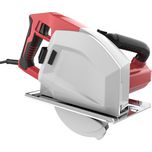
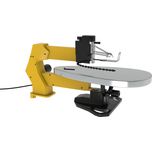
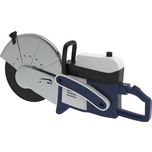
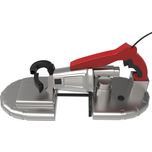
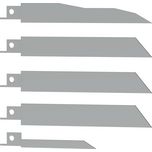
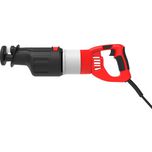
In Stock
Web Price
$282.97 / ea.
In Stock
Web Price
$262.24 / ea.
In Stock
Web Price
$404.75 / ea.
In Stock
Web Price
$406.82 / ea.
In Stock
Web Price
$498.43 / ea.
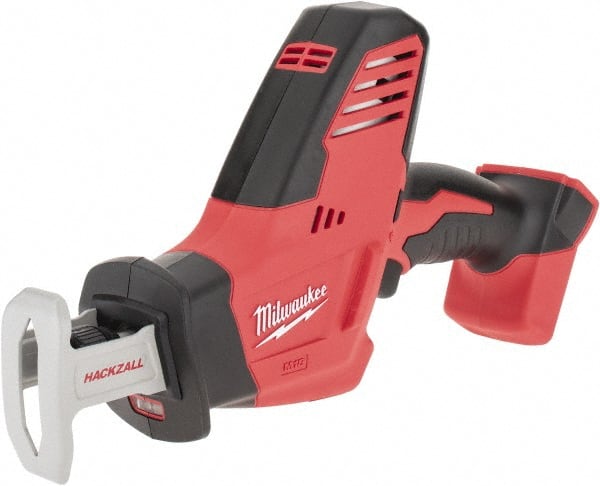
In Stock
Web Price
$178.85 / ea.
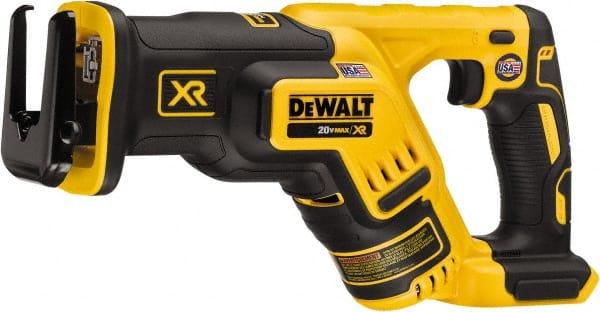
In Stock
Web Price
$324.54 / ea.
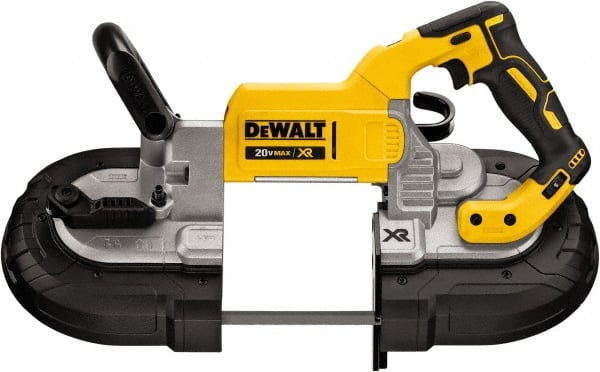
In Stock
Web Price
$513.14 / ea.
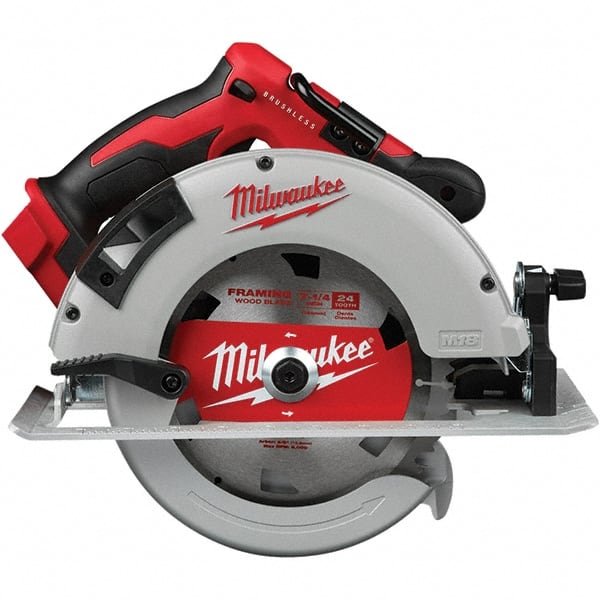
In Stock
Web Price
$325.80 / ea.
In Stock
Web Price
$375.06 / ea.
Order Qty of 1 equals (1) 3 Piece Kit
In Stock
Web Price
$213.76 / ea.
Order Qty of 1 equals (1) 9 Piece Unit
In Stock
Web Price
$424.59 / ea.
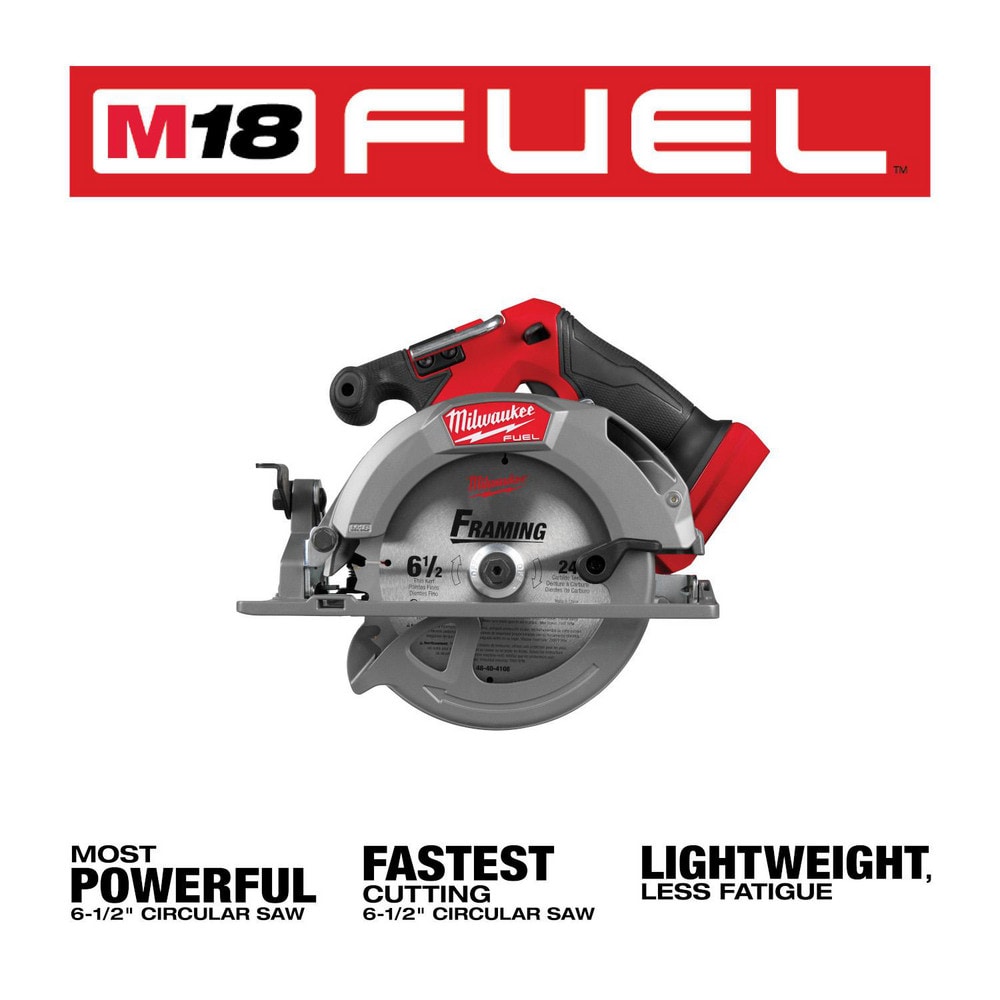
In Stock
Web Price
$269.56 / ea.
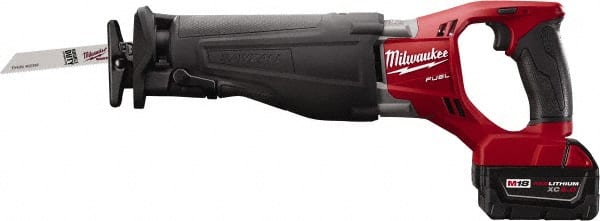
In Stock
Web Price
$469.16 / ea.
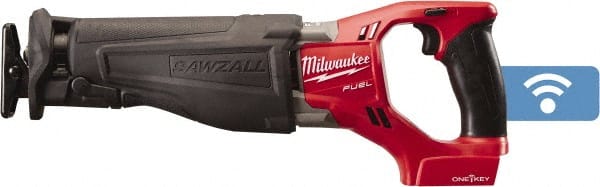
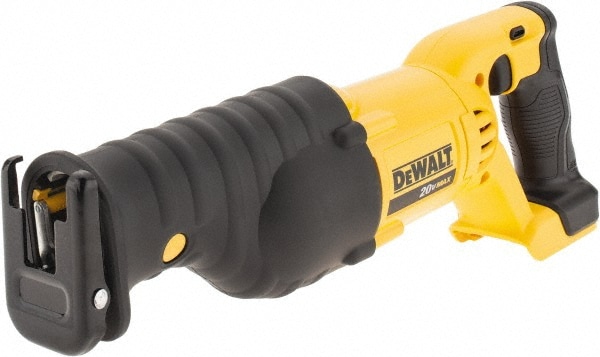
In Stock
Web Price
$183.60 / ea.
Order Qty of 1 equals (1) 2 Piece Unit
Have a question?
We're here to help
Top Sellers
Power Saws
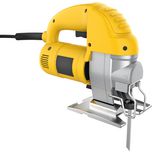
Power saws are one of the most popular tools to keep in your tool collection. Whether you need to cut wood, plastic, or ceramic, MSC Industrial Supply has a vast selection of power saws to get the job done. Jigsaws are designed with a narrow blade, making it easy to cut curves & shapes into wood. The teeth on a jigsaw blade allow for a smooth cut & don't require much sanding afterward. For cuts into large pieces of wood, table saws can create several cuts including bevel cuts. For angular cuts, miter saws have an angled arm that can move left or right to make precision cuts. Reciprocating saws are great to use on tougher materials like plastic, metal, or even drywall. Cutting tiles can prove to be difficult, but tile saws help cut tiles easily & safely. Panel saws cut large pieces of material into smaller sections, using one main blade to cut the material into the size needed. Let MSC Industrial Supply be your trusted source for the power saws needed to complete your project.
A Cut Above: A Comprehensive Guide to Miter Saws
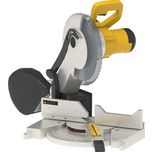
A miter saw is essential to keep in your tool shed or workbench. These saws create precise cuts in wood, plastic, and metal. The blades of these saws are pulled down onto the material, as opposed to a circular saw, which pushes the material into the blade. This guide will explain how miter saws work, the different types of saws, and the various cuts that can be made. Trusted brands like Craftsman and DeWALT will ensure that your cutting projects are completed with total precision and accuracy.
What Is a Miter Saw?
Miter saws are tools mounted on a flat surface, like a workbench, with a round saw that cuts into materials. The cuts made by these saws are precise and intricate, with the user being able to cut off small pieces of the material at a time until they achieve the desired cut. The blades of this saw have sharp teeth, perfect for cutting through hard materials for any job you’re working on. Miter saws are often used for cutting long boards for internal and external construction projects, as well as making crosscuts for crown molding. Our collection of saws has different RPMs, bevel angles, and blade diameters, ensuring that no matter what project you’re working on, the saw will cut your materials to perfection.
Types of Cuts from Miter Saws
The great thing about these saws is that they can make different cuts in the materials, no matter how hard or soft the material is. Below are the different types of cuts that can be made from the saw blades.
Bevel Cuts: Bevel cuts are made with the saw blade at an angle on the saw, which helps cut directly through the thickness of the wood. The top of the wood is not perpendicular to the edge being cut. These cuts are for preventing sharp edges on things like tables and mirrors.
Miter Cuts: These types are also angled, like bevel cuts, but the teeth of the blade go across the entire face of the wood. These cuts are used with two pieces of wood and are cut at a 45-degree angle to help join the two pieces together. Miter cuts are often used for frames, trim work, and moldings in residential or industrial settings.
Cross Cuts: Crosscuts are a type of cutting that allows the blade to move directly through the wood grain. These cuts are often seen in woodworking and carpentry applications, as the wood can be cut to the perfect size and length that your project calls for.
Compound Cuts: Compound cuts are a combination of miter and bevel cuts. Angling the saw blade allows the user to tilt the blade and cut your materials and workpieces at all different angles. The cuts on the materials are both cut at a 90-degree angle, resulting in the materials being cut at the exact size and length you need.
Understanding the Differences Between Miter Saws and Circular Saws
While both types of saws cut materials to the perfect size and shape, there are a few differences between the two. Depending on the needs of your project, you may want to choose one over the other.
Miter Saws:
Stationary: This saw should be kept in one place, and the materials are brought to the saw to be cut. These saws are great for longer boards or trim, as the blade can cut through the material with ease and shorten the length of said material.
Precision & Accuracy: Once you have a board or piece of trim that is measured and ready to be cut, you can move the blade directly to where it needs to be cut. The blade runs at different speeds, up to 5000 RPMs, to cut your material and leave behind no residue or rough edges.
Precise Angles & Cuts: The blade on a miter saw can be angled to fit the needs of your project. Tilting the blade to the correct angle will help you create the perfect cut in your material, ensuring that the material fill fit perfectly in your project.
Circular Saws:
Portable: Circular saws can be moved around the job site or industrial working area with the help of an electrical source. A durable handle allows this saw to be brought directly to the materials, with the blade being pushed into the material to cut.
Cutting Various Materials: While miter saws can cut wood and plastic, circular saws can cut and rip sheet metal. One thing to consider is that specific saw blades should be used to cut sheet metal to ensure the longevity of the saw blade and the material.
Less Expensive: Miter saws are typically more expensive than circular saws, as they are larger and can handle harder jobs. As circular saws are smaller and can do smaller jobs and lighter materials, they tend to cost less, which can be helpful if you are purchasing multiple to help stock an entire job site.
