Tony Schmitz is in a unique position to help metalworking and maintenance, repair and operations (MRO) decision-makers drive results for their businesses. As a distinguished technical fellow at MSC, Schmitz offers a rare blend of deep academic rigor and real-world manufacturing insight. He has more than 25 years of experience in machining dynamics, vibration, metrology and advanced manufacturing.
Most recently, Schmitz served as the Richard Rosenberg Distinguished Professor at the University of Tennessee, Knoxville, where he also directed the Southeastern Advanced Machine Tools Network and held a joint appointment at Oak Ridge National Laboratory.
He has authored more than 200 peer-reviewed papers as well as three engineering textbooks, and he holds 12 U.S. patents. Schmitz has worked closely with manufacturers, national labs and industry consortia to tackle some of the most persistent challenges facing modern production.
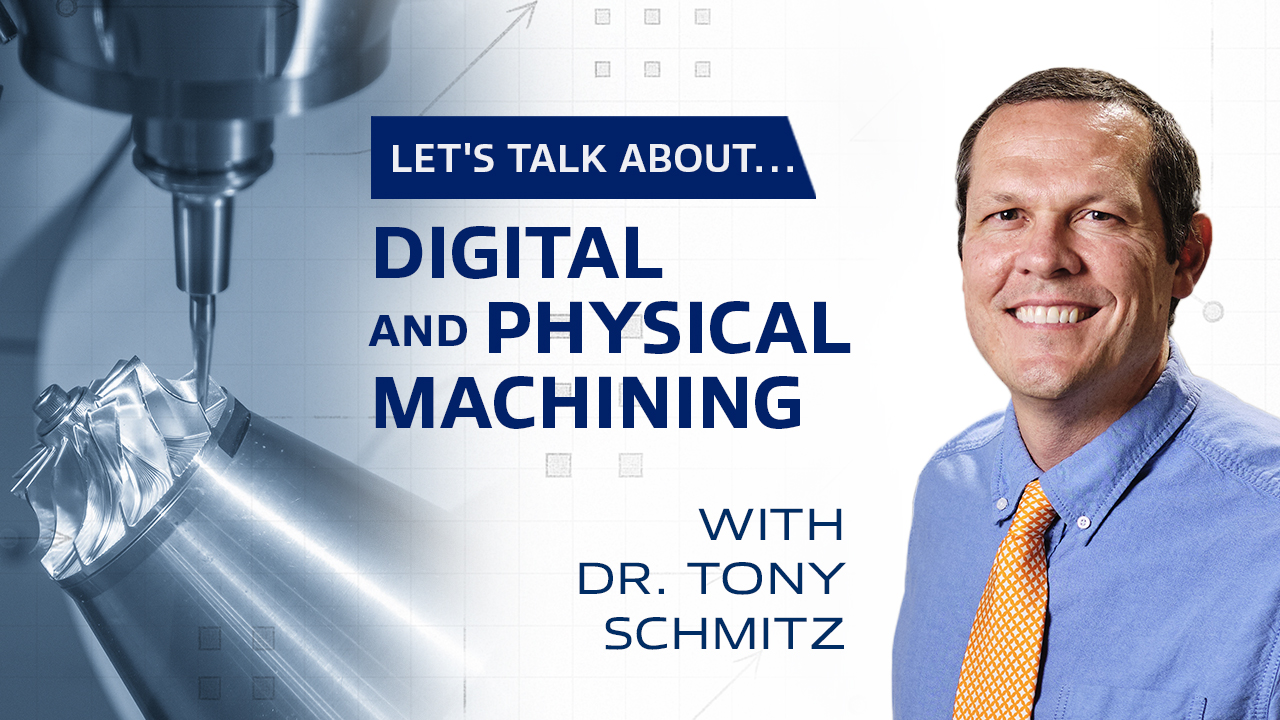
At MSC, Schmitz is focused on helping manufacturers translate advanced research into practical, shop-floor results, which is what the “Let’s Talk About” series is all about. Each month, Schmitz will offer a deep dive into how manufacturers can move beyond reactive approaches and make more data-driven decisions about topics including machining performance, tool selection and overall process efficiency.
We talked to Schmitz about his role at MSC and what he hopes manufacturers will get out of the “Let’s Talk About” series.
You’ve spent much of your career in academic research. How does that research mindset shape the way you approach real-world manufacturing challenges today?
Research allows the freedom to explore what may be nontraditional answers to traditional questions. Through a willingness to potentially solve problems differently, counter-intuitive solutions are often discovered.
How does your background in teaching and research influence the way you help customers make confident, practical decisions on the shop floor?
It’s been my experience that I don’t truly understand a concept until I try to teach it. When I’m able to explain a problem or solution in a way that makes sense to students and now customers, I am more confident that I have a working understanding.
What lessons from academia do you think have been most valuable in helping MSC anticipate where machining and manufacturing technologies are headed?
Academia afforded me the luxury to understand and model persistent challenges over a time that was not compressed by production restrictions. I’ve been able to exercise my curiosity and arrive at solutions that I now want to make available through MSC’s manufacturing research and technology team.
What do you hope manufacturers—especially those making day-to-day process and tooling decisions—take away from the “Let’s Talk About” series?
The best outcomes are “that’s why that happens!” and “that explanation matches my experience.”
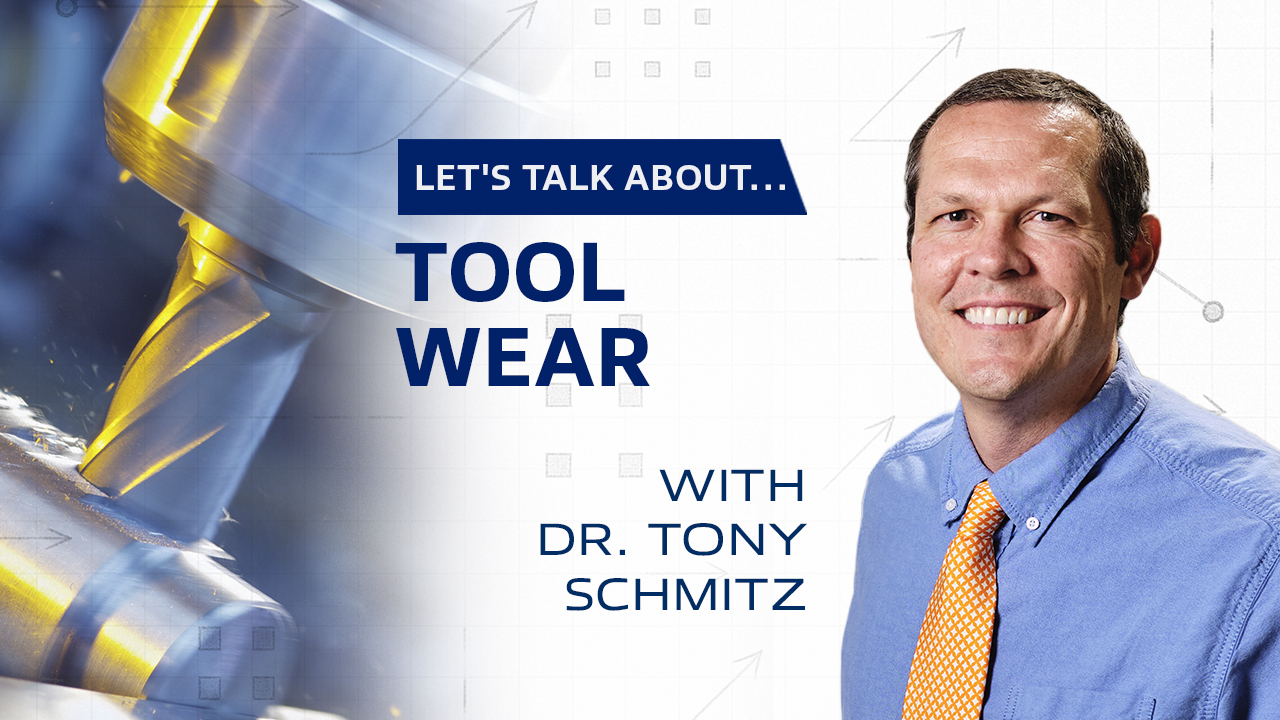
Read Tony Schmitz’s inaugural white paper in the series: “Let’s Talk About Tool Wear in Machining.”