When a machinist struggles with heat-resistant superalloys (HRSA) like Inconel, Waspaloy, or Hastelloy, the standard instinct is to back off: slow down the RPM, drop the radial engagement, and decrease the feed rate. In superalloys, that hesitant approach makes the problem worse. The moment a tool stops cutting efficiently and begins to rub, friction and extreme heat stack up against you.
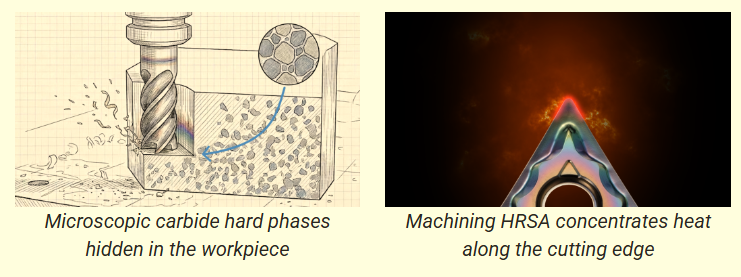
HRSAs are engineered to maintain high yield and tensile strength at extreme temperatures. They do not soften when they get hot, they possess poor thermal conductivity (meaning heat stays trapped at the tool edge), and they work harden instantly upon friction. Additionally, their microstructure contains hidden “hard phases,” microscopic carbide potholes that mechanically pound the cutting edge.
To survive this environment, you cannot baby the material. Success requires a high-rigidity setup, effective high-pressure coolant application, and tooling optimized around three core principles discussed below.
The Golden Rule of HRSA Machining: Hesitation equals friction, friction equals heat, and heat equals instant work hardening. The tool must stay decisively engaged.
Principle 1: Prioritize Edge Sharpness with Substantial Support
The most common mistake in HRSA machining is sacrificing sharpness in the name of edge strength. A dull edge geometry leads to rubbing, which instantly work hardens the material and causes premature tool failure. However, a sharp edge must be backed by substantial structural support to handle the immense cutting forces.
The Uniform Strategy
Whether you are using a solid carbide end mill or an indexable insert, you must select geometries that pair a relatively sharp, positive rake angle with a highly rigid tool core. This minimizes the contact zone while resisting tool deflection.
Where the Strategies Diverge
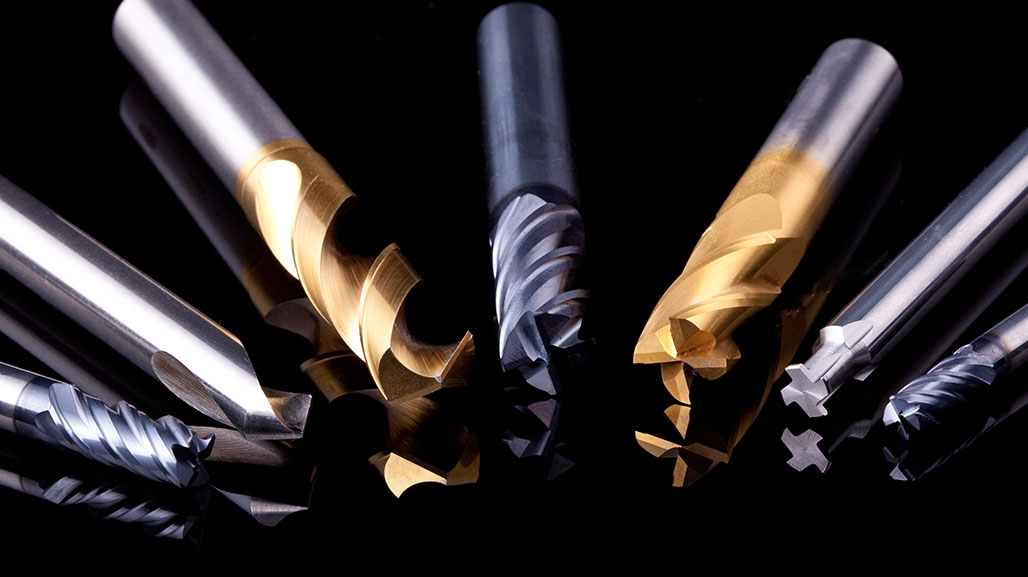
For Solid Round Tools: Look for a larger core diameter relative to the tool size. Because of this increased core mass, high-performance HRSA end mills will intentionally feature less flute space. Pair this with helix angles in the 35-degree to 45-degree range and eccentric relief to allow the tool to shear cleanly and disengage the cut quickly.
For Indexable Tools: Standard or heavy-honed insert geometries will act too blunt for these materials, leading to rubbing and severe depth-of-cut notching along the line of material engagement. To maintain the necessary shearing action and combat this localized stress, you must select positive, sharp indexable geometries, or utilize round inserts and shallower lead angles. Additionally, varying your axial cut depths across multiple passes is a highly effective programming strategy to actively distribute the wear zone across a larger portion of the sharp carbide edge.
Principle 2: Manage and Redirect Cutting Forces
Controlling the direction and consistency of mechanical forces prevents tool deflection, guards against micro-chipping, and protects thin-walled components from vibrating out of tolerance.
The Uniform Strategy
The goal across all milling platforms is maintaining consistent cutter engagement. Modern dynamic milling and trochoidal toolpaths are highly effective here because they allow you to utilize light radial engagement successfully. However, because a light radial cut causes severe chip thinning, you must compensate by significantly increasing your programmed linear feed rate (IPM) to maintain the proper chip thickness. This adjustment ensures the actual cutting edge cleanly shears past the work-hardened layer rather than letting the tool slip into a destructive rubbing cycle.
Where the Strategies Diverge
For Solid Round Tools: High-efficiency milling (HEM) toolpaths are ideal for solid carbide end mills. By pairing a small radial depth of cut with a deep axial depth of cut, you distribute the thermal and mechanical shock evenly along the entire length of the tool’s flutes, preventing concentrated localized wear at the tip.
For Indexable Tools: While the same dynamic toolpath strategies and chip-thinning feed compensations apply to indexable cutters, indexable platforms offer unique geometric advantages for managing forces. Specifically, you can utilize round inserts or shallower lead angles to redirect cutting forces axially up into the machine spindle rather than radially sideways into the part wall. High-feed cutters take advantage of this exact axial layout to maximize material removal while stabilizing the entire setup. For a deeper breakdown on how these different geometries redirect forces, see Kyocera's guide on choosing between 90-degree, 45-degree, and high-feed cutters.
The Holemaking Caveat
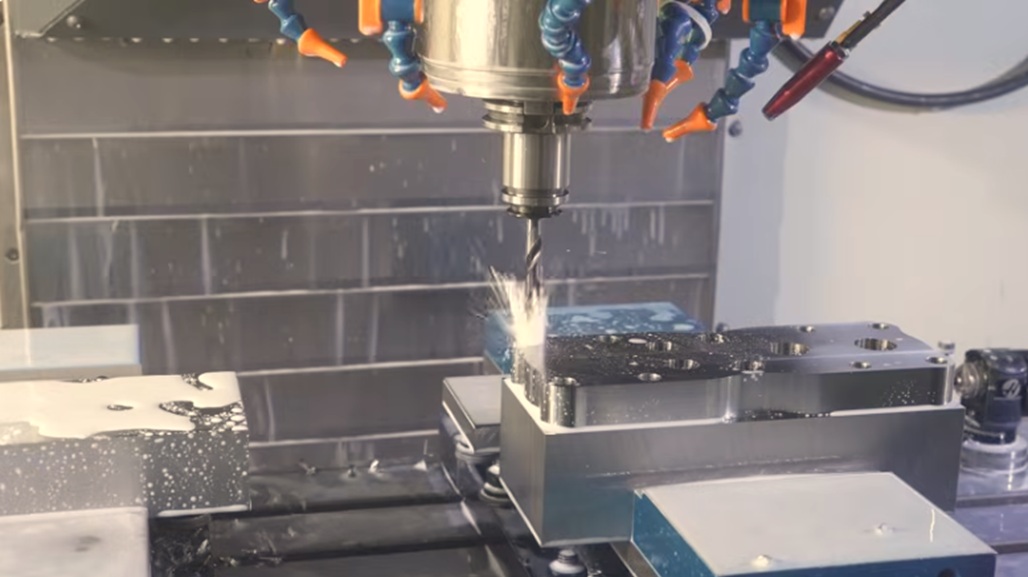
Drilling is where superalloys quickly expose setup weaknesses. For solid carbide drills, use a single-margin design to drastically reduce friction and smearing against the hole wall. Most importantly, avoid traditional pecking cycles; every time a drill dwells or stops feeding, the material work hardens, forcing the drill tip to cut through an already work-hardened surface.
Utilizing through-coolant is a massive differentiator here, as delivering high-pressure coolant directly to the cutting zone is essential to force chips out of the hole and prevent the drill from re-cutting material.
Are your tools failing prematurely in heat-resistant superalloys? Watch this short video to learn the proper tooling techniques:
Principle 3: Prevent Chemical Wear and Thermal Breakdown
Because HRSAs trap thermal energy at the cutting zone, temperatures escalate to a point where mechanical wear and chemical degradation overlap.
The Uniform Strategy
At elevated temperatures, a destructive process called cobalt leaching occurs. Chemical interaction and diffusion take place between the workpiece and the carbide binder phase, drawing the cobalt binder out of the tool. Deprived of its matrix binder, the tungsten carbide grains crumble. To stop this, advanced high-temperature barrier coatings are critical.
Where the Strategies Diverge
Coating Selection: Avoid general-purpose coatings designed for steel. For nickel-based superalloys, specialized AlCrN or AlTiCrN formulations are industry standards for high-temperature oxidation resistance.
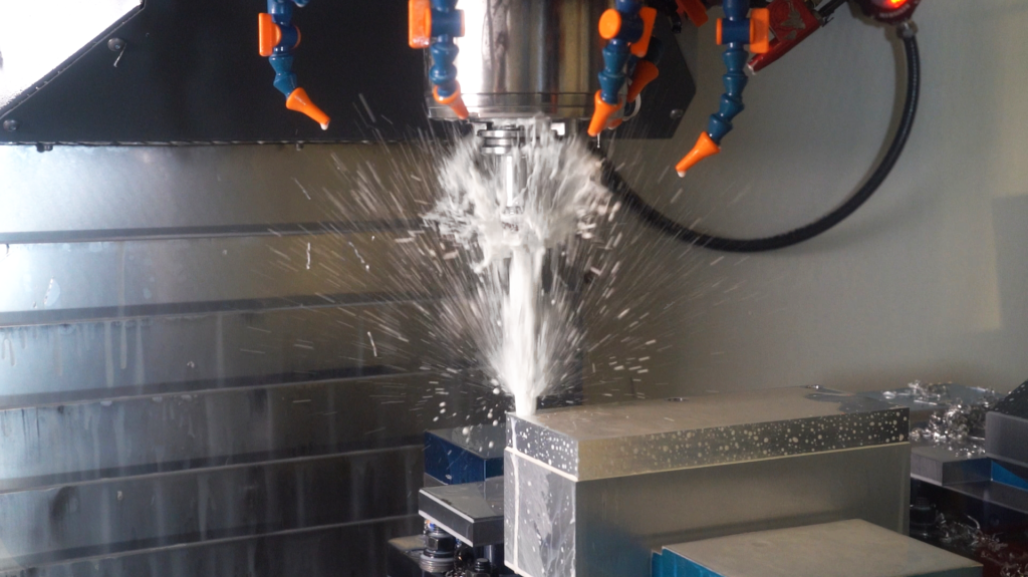
Coolant Application: For milling cutter bodies and indexable drills, utilizing coolant-through tooling is a massive advantage to evacuate chips before they can be re-cut. For solid round drills, through-tool coolant is highly preferred to keep the point alive, though flood coolant can suffice for very shallow holes. Either way, when drilling, milling, or turning HRSA materials, you really can’t have enough coolant.
Reading the Shop Floor: Diagnostics and Setup Rigidity
Even perfect tooling choices will fail if the machining environment introduces instability. Because chatter in superalloys escalates rapidly, the entire rigidity ecosystem must be optimized. If harmonics are threatening your setup, check out our proven strategies to fix milling chatter to stabilize your operation.
The Rigidity Ecosystem: Maximize toolholder stability by using hydraulic chucks or shrink-fit holders to eliminate runout. Ensure machine spindle horsepower is sufficient to maintain constant surface footage under heavy loads; if the spindle bogs down, the tool chips instantly.
Reading the Chips: Machinists should visually judge the health of the cut by monitoring heat signatures. The chip should carry the visible heat away from the part. If the tool tip or insert is glowing brightly, friction is dominating the process, and heat is backing up into the tool.
By structuring your process around these unified principles—sharp edges, axially directed forces, advanced stable coatings, and maximum setup rigidity—machining superalloys becomes a predictable, highly manageable operation.
This article was previously featured on Kyocera SGS's blog.