



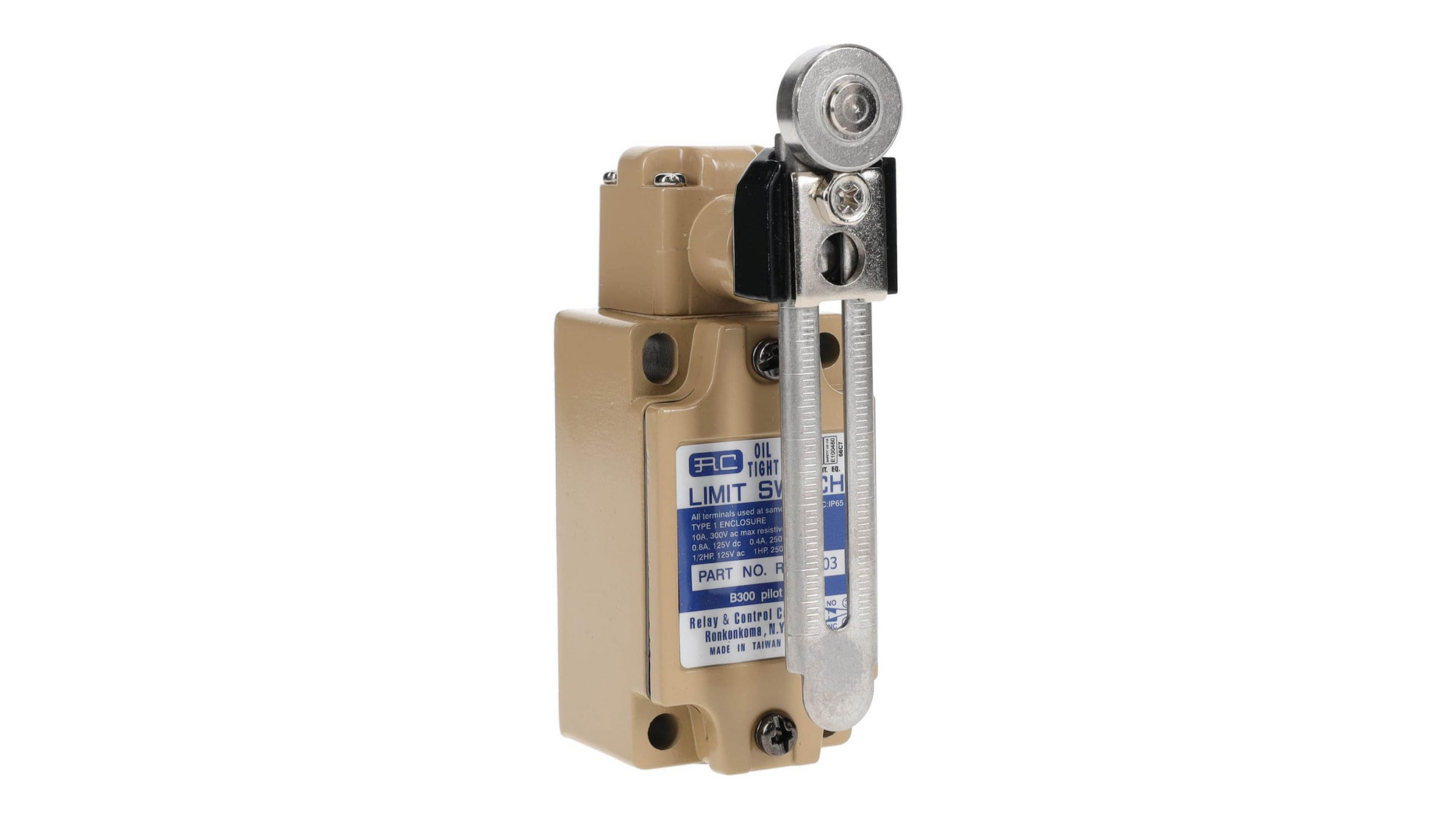
Limit switches sense mechanical movement and convert it into electrical signals. These signals provide positional information to help machines determine when to start, stop, slow down, reverse, or recycle. Limit switches are commonly used in automated systems for precise motion control.
Types of Switches: Control Made Simple
Explore the most common types of switches used in industrial systems. Learn how each switch works and where it fits into your application.
What Is a Switch?
A switch is a device used to open or close an electrical circuit as needed. It performs two primary functions: closing its contacts to allow current flow (ON state) and opening its contacts to stop the current flow (OFF state). Every electrical or electronic system relies on switches to control power, signals, or system functions.
Switches can generally be divided into two broad categories: mechanical switches, which rely on physical contact to open or close a circuit, and non-contact or sensor-based switches, which detect a change in pressure, light, or a magnetic field. The types of switches covered in this guide, including limit, pressure, photoelectric, proximity, and foot switches, fall into one or both of these categories depending on how they’re triggered.
Types of Switches
Beyond the sensor-based and pressure-triggered switches detailed below, industrial control panels also commonly use manually operated types of switches, such as toggle switches, pushbutton switches, and selector switches, to give operators direct control over a circuit.
Limit Switches
As pilot devices, limit switches are often used to control the coil of relays and motor starters within a larger control circuit rather than switching high-power loads directly.
Pressure Switches
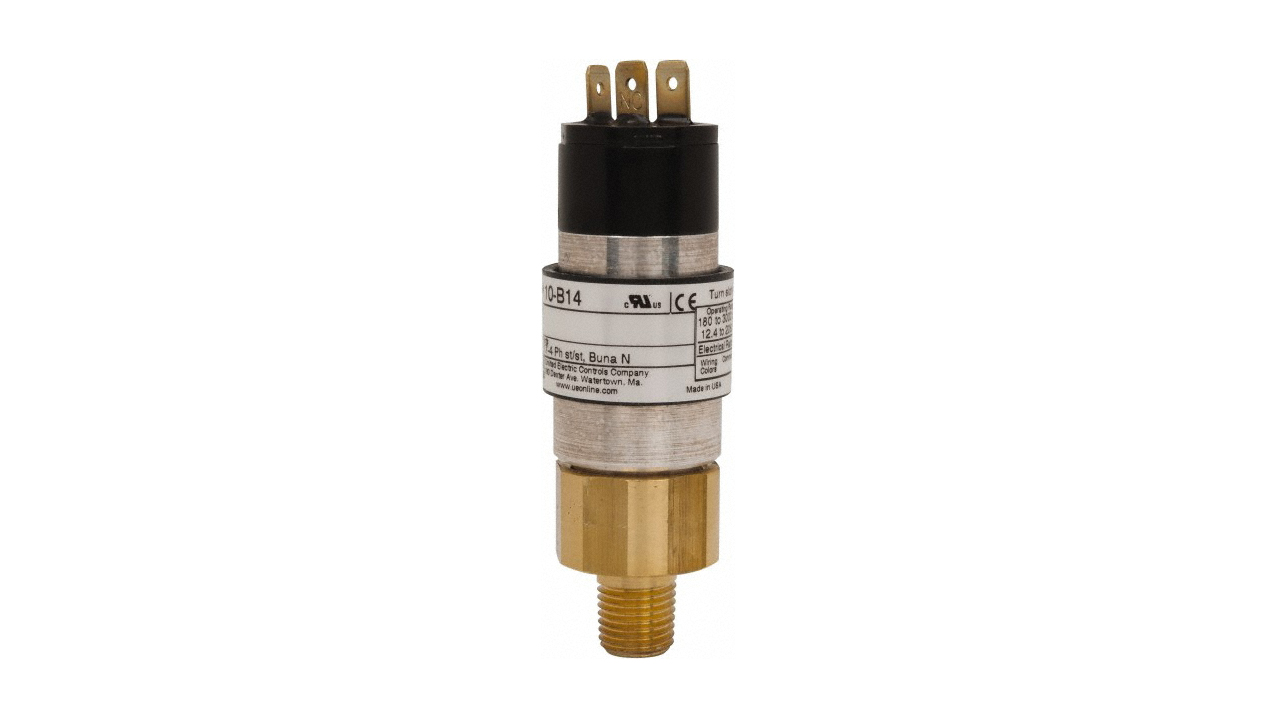
Pressure switches monitor system pressure and open or close electrical circuits when the pressure of a medium, such as water, air, or oil, reaches a specific threshold. They work by using pressure to move a piston, bellows, or diaphragm against a spring, triggering the contacts. If pressure drops below the set point, the switches turn the equipment on; if pressure exceeds the limit, they shut it off. Pressure switches are commonly used to control pumps, compressors, and lubrication systems.
Photoelectric Switches
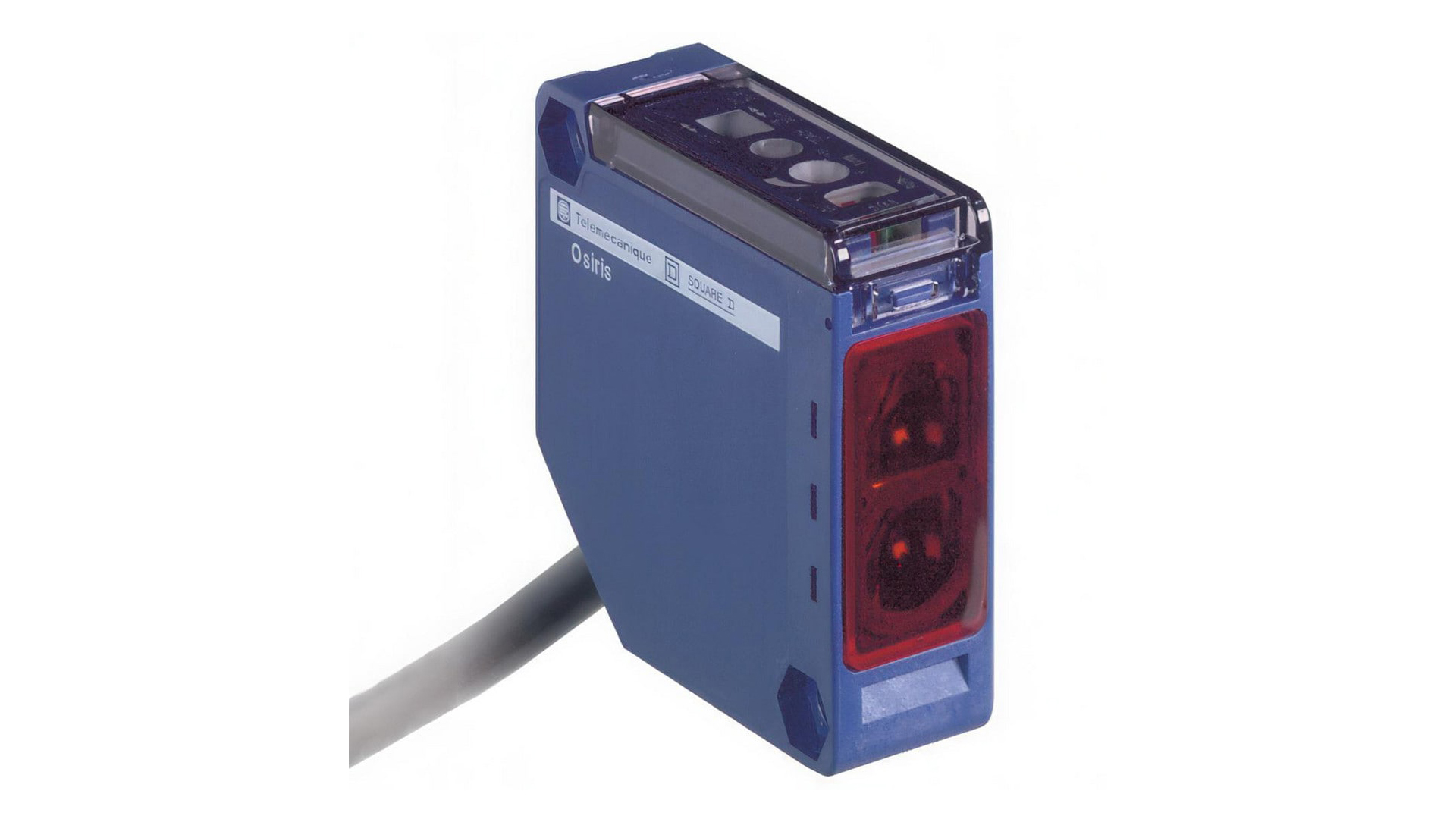
Photoelectric switches detect the presence or absence of objects using a beam of light. When the beam is interrupted or its intensity changes, the switches send a signal to energize a control coil or solid-state circuit in an industrial system.
There are two common sensing styles:
- Retroreflective - The unit projects a beam toward a reflective target. When the beam is blocked by an object, the switch is triggered.
- Diffuse Reflection - The unit emits a light beam that reflects off the surface of a nearby object. When the reflected beam returns to the sensor, it activates the switch.
Photoelectric switches have specific sensing ranges that depend on the material being detected.

Proximity Switches
Proximity switches operate similarly to limit switches, sending signals to activate motor starters, relays, solenoids, programmable controllers, or other industrial control devices. Unlike mechanical switches, proximity switches detect objects without physical contact. They sense disturbances in a magnetic field emitted from the sensing face, triggered when an object enters that field. Sensing range varies depending on the material of the detected object.
Foot Switches
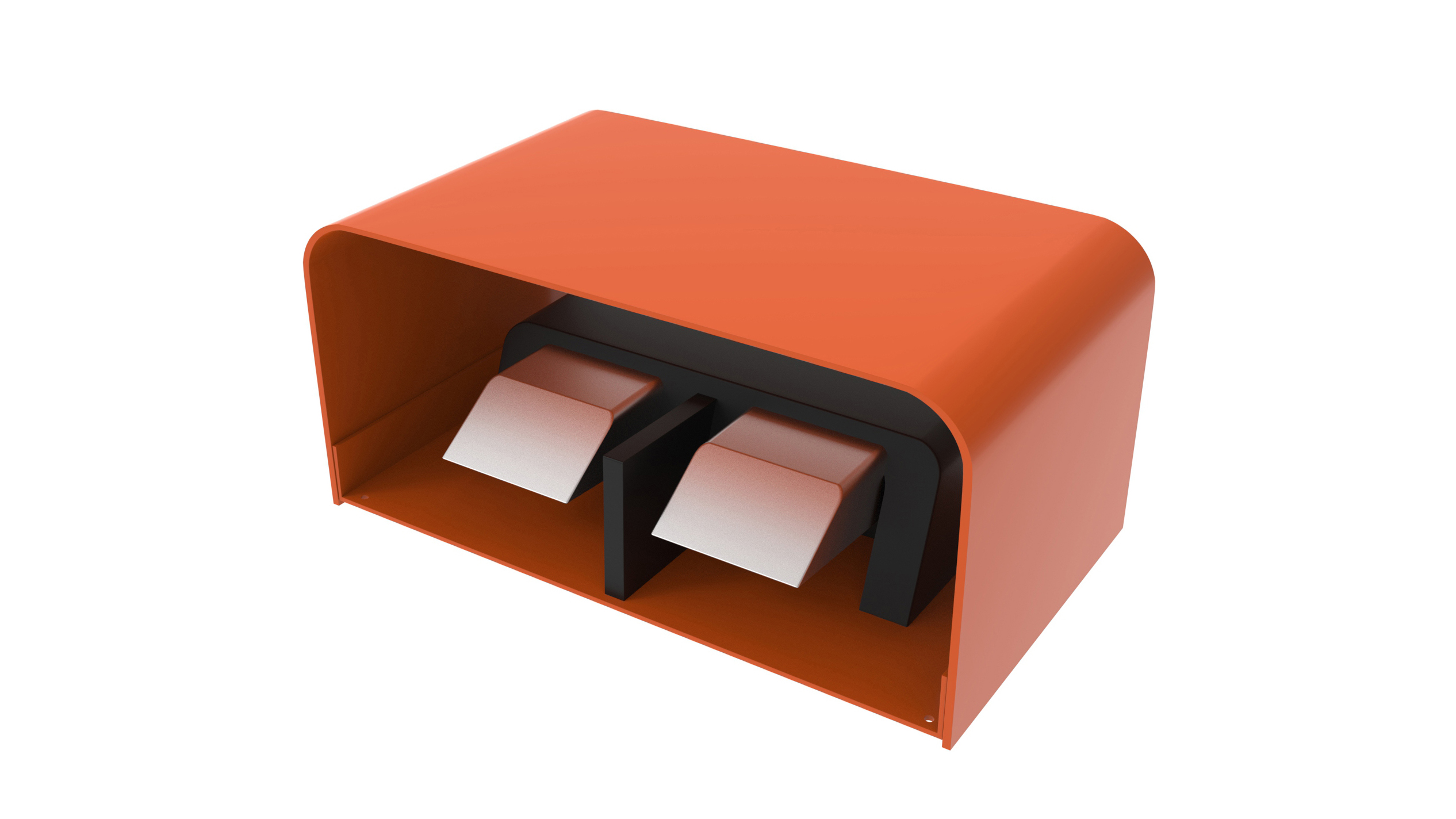
Foot switches are control devices that activate electrical circuits with foot pressure, functioning much like hands-free pushbuttons. Commonly used in industrial settings for convenience and safety, they come in two main types:
- Momentary Foot Switches - The circuit is active only when the switch is pressed. Releasing the switch stops the current.
- Maintained Foot Switches - These switches toggle the circuit on with one press and off with another, allowing continuous operation without holding the pedal.
Shop Electrical Switches
Frequently Asked Questions
A control switch is a switch used in a control circuit to signal or trigger another device, such as a relay, motor starter, or programmable controller, rather than to switch a high-power load directly.
Switches generally fall into two categories: mechanical switches, which use physical contact to open or close a circuit, and non-contact or sensor-based switches, which detect a change like pressure, light, or a magnetic field to trigger the circuit.
A pressure switch is used to open or close a set of contacts at a certain pressure, using a piston, bellows, or diaphragm to trigger the contacts once a set threshold is reached.
Limit switches are used as pilot devices that sense mechanical movement and convert it into an electrical signal, commonly controlling the coil of relays and motor starters to help a machine know when to start, stop, slow down, reverse, or recycle.
Common types of switches in industrial systems include limit switches, pressure switches, photoelectric switches, proximity switches, and foot switches, along with manually operated types like toggle, pushbutton, and selector switches.
To request a quote, please login to your existing account or register a new one. This helps us provide you with a personalized experience and keep track of your requests.