



Used to make quick, accurate crosscuts in a workpiece.
Understanding Different Types of Power Saws
Need to cut wood, metal, or plastic? This guide breaks down the most common types of power saws to help you choose the best one for your cutting applications.
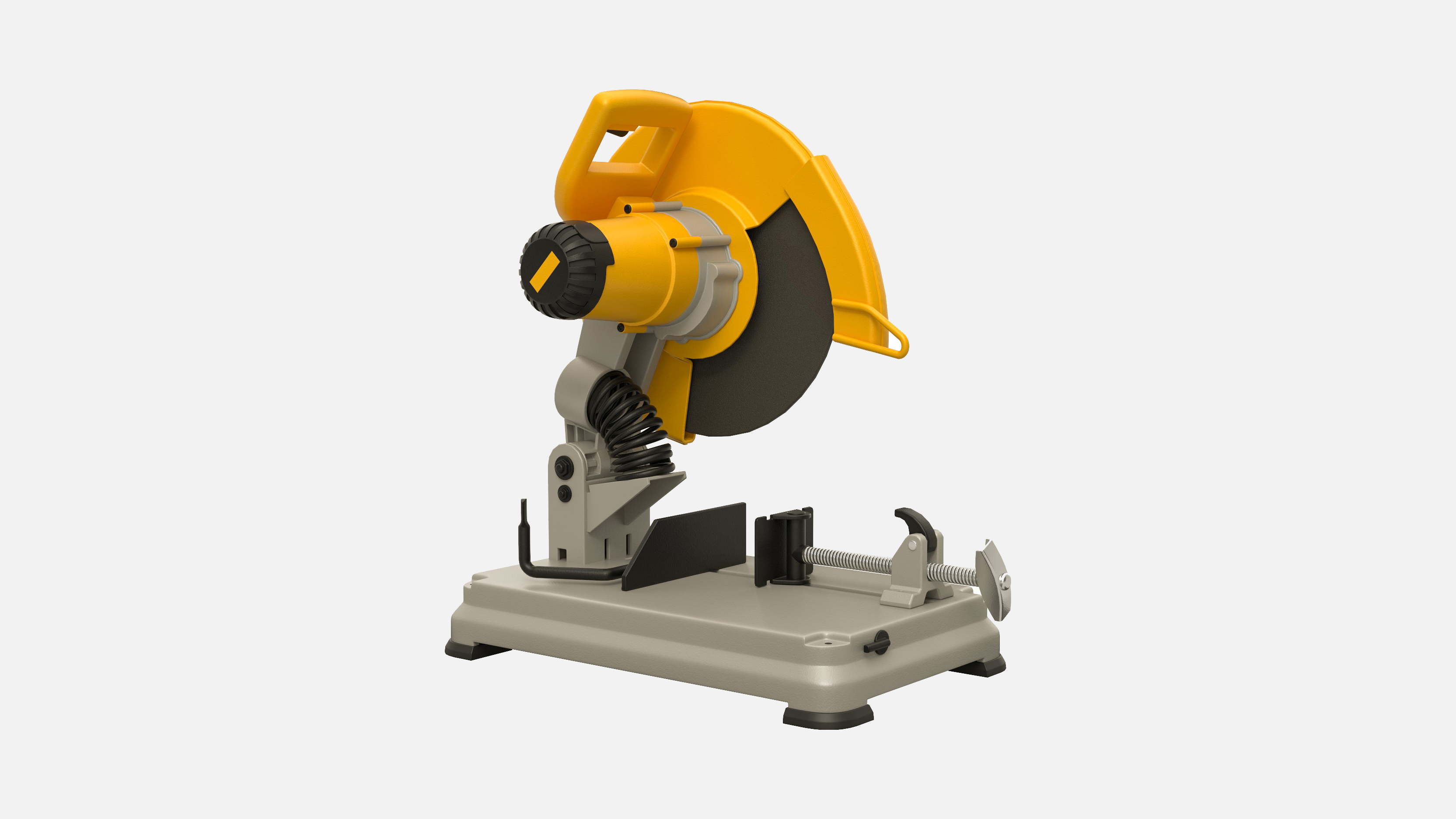
Chop Saw
- Abrasive chop saws are designed for cutting extremely hard or thin materials using an abrasive wheel that gradually wears down during cutting.
- Dry cut chop saws, made specifically for cutting metal, feature a carbide-toothed blade that creates a clean, fast cut requiring no prep work after cutting.
Both types of power saws are commonly used in metal-cutting applications.
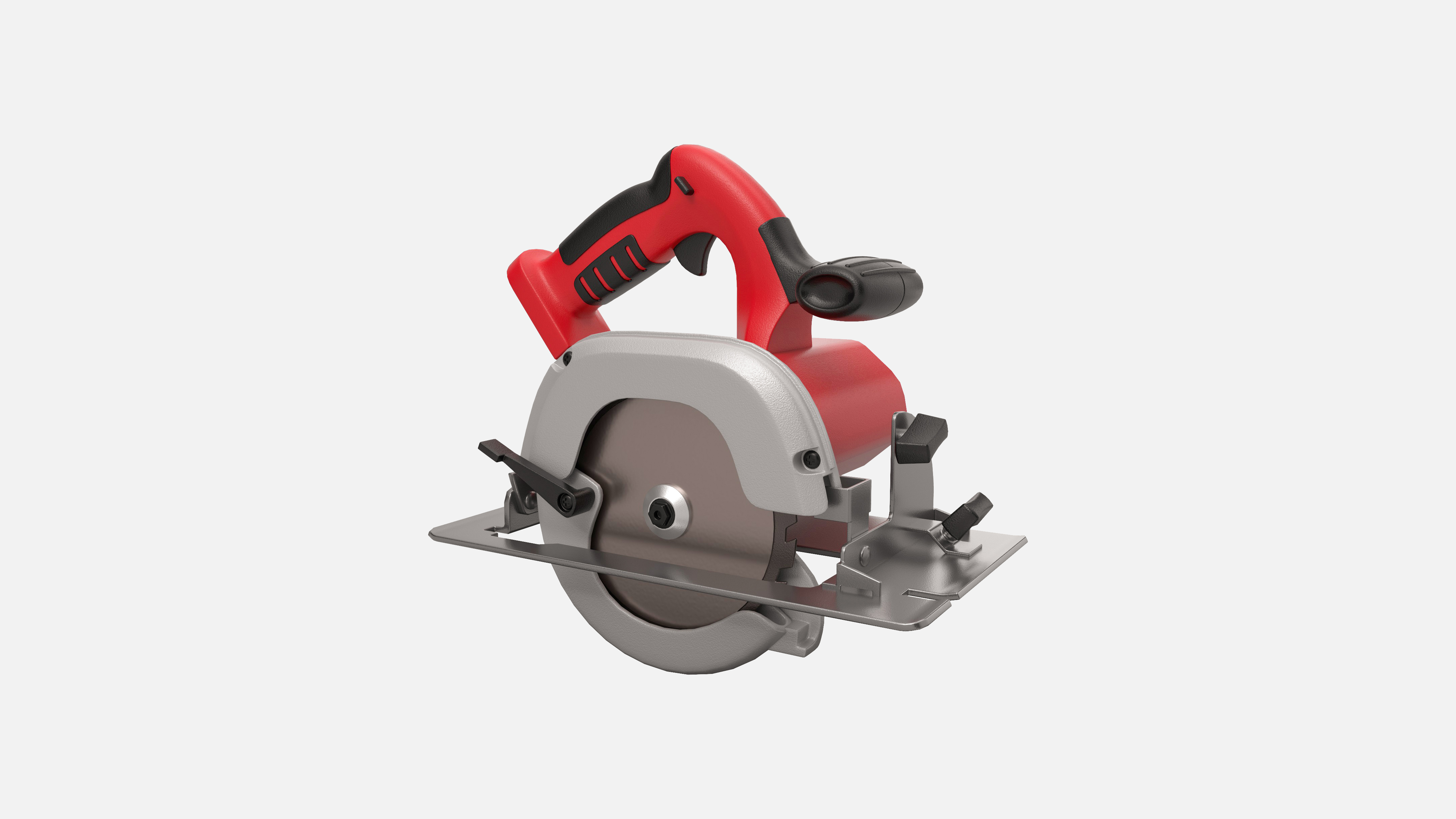
Circular Saw
Portable saws are used for fast, straight cuts.
- Wood-cutting circular saws are classified by blade diameter; larger blades provide deeper cuts.
- Metal-cutting circular saws have specialized gearing and safety features for cutting metal.
There are two types of circular saws:
- Top-handle saws have a conventional design for general use.
- Worm drive saws offer higher torque than the conventional top-handle models and are often used in framing applications.
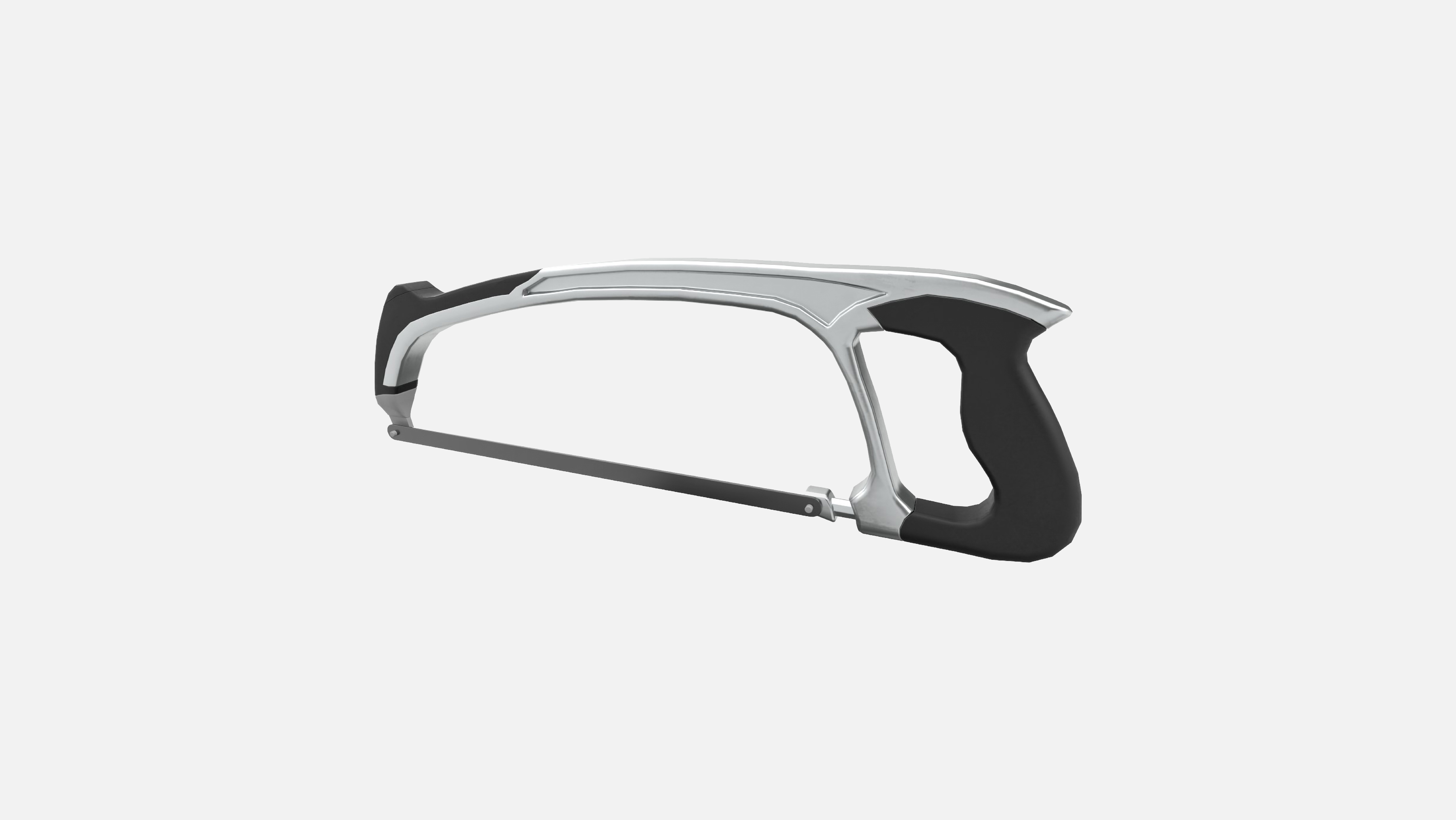
Hacksaw
Typically powered by an electric motor or a stationary engine.
Most power hacksaws are stationary, though some portable models exist. Stationary versions often include a mechanism to lift the saw blade on the return stroke and may feature a coolant pump to reduce overheating.
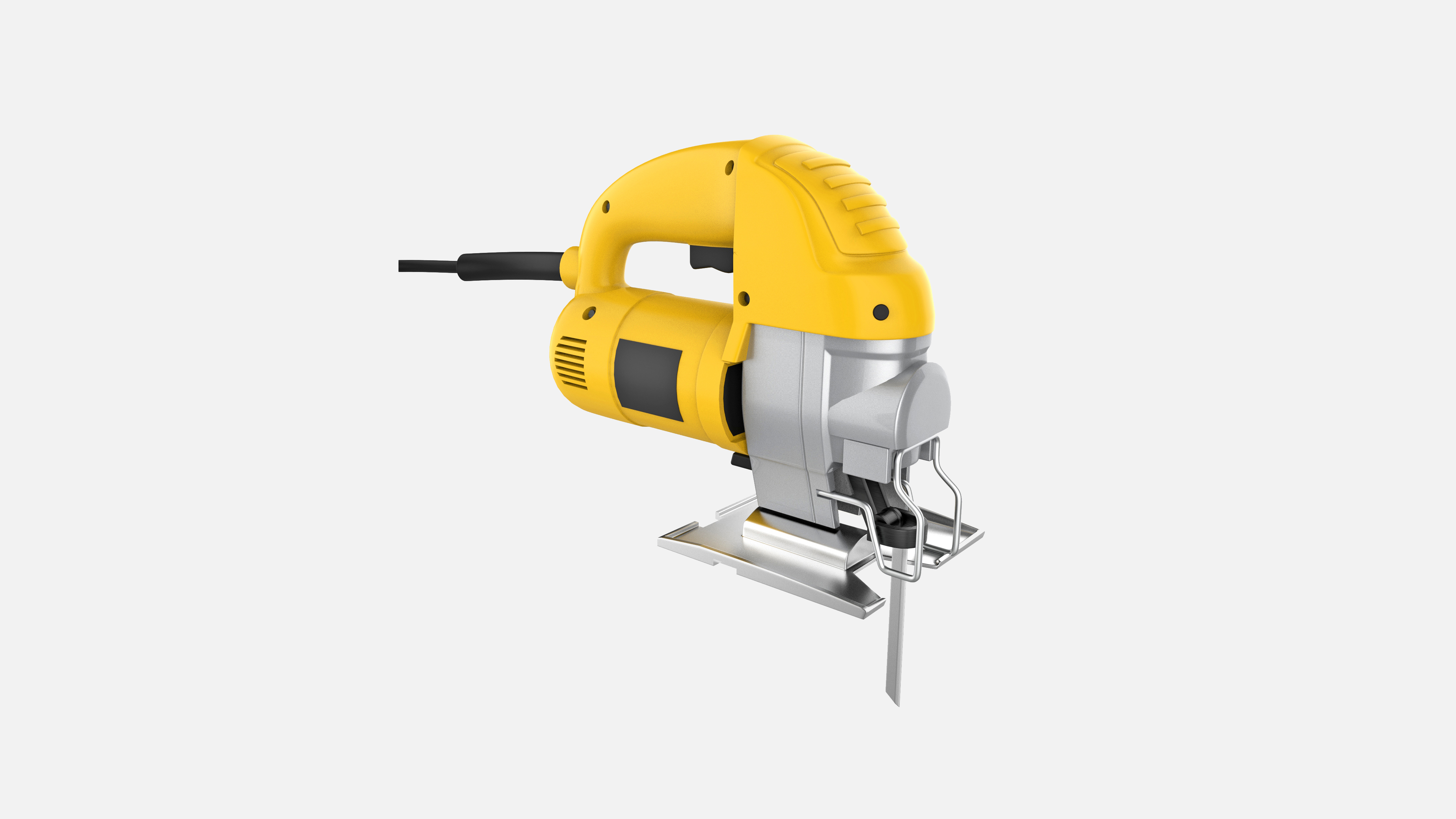
Power Jigsaw
Operates with a reciprocating blade motion to cut a wide range of soft or hard materials, based on the blade selection.
Jigsaws are ideal for cutting curves, stenciled designs, and custom shapes in wood, metal, or other materials, allowing for a more artistic use than saws that cut in straight lines.
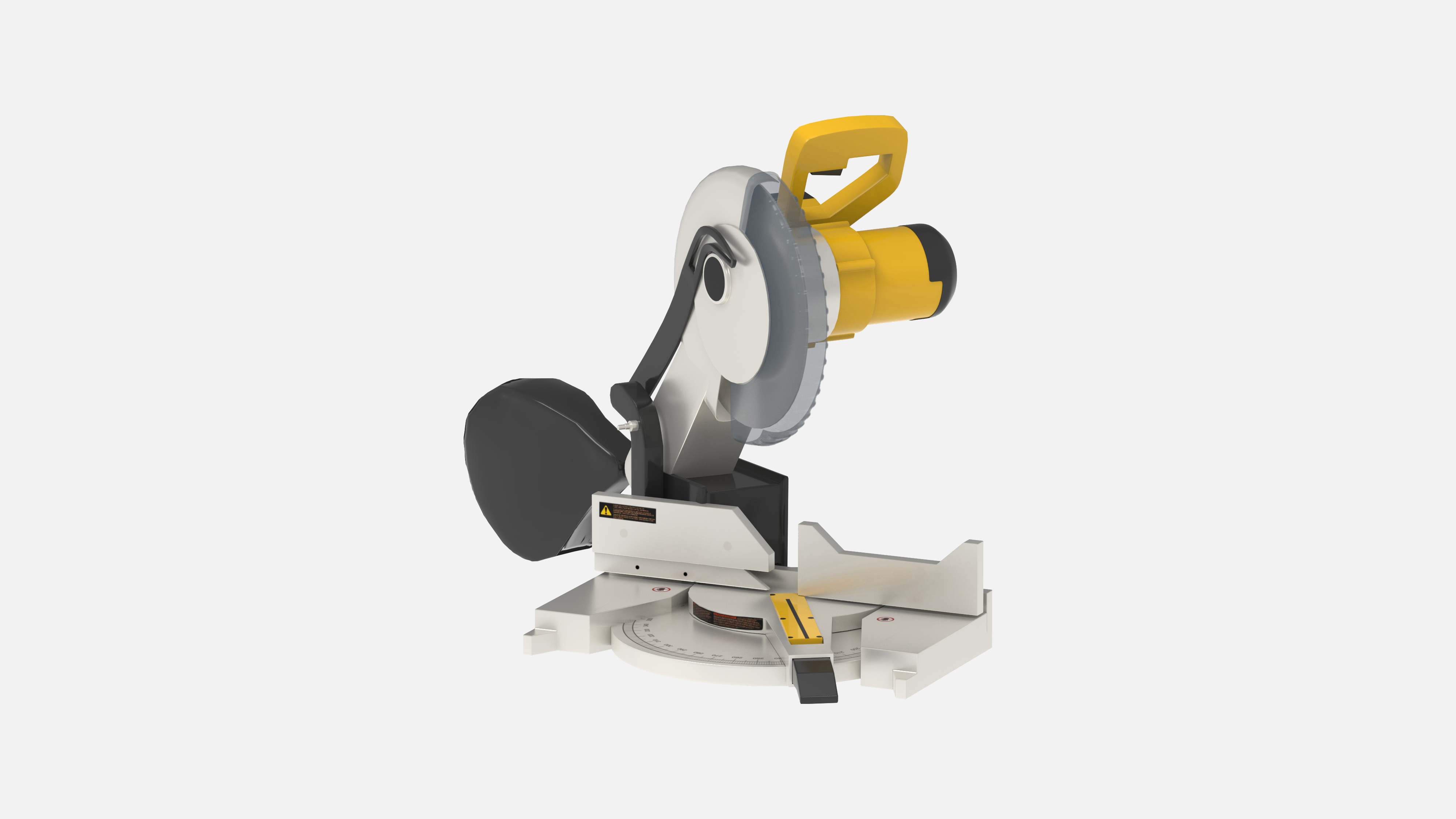
Miter Saw
Common in woodworking projects that require precise cuts.
Used for framing and molding, miter saws can perform crosscuts, miter cuts, bevel cuts, and compound cuts.
Some models include sliding rails and larger blades for cutting stair risers and larger crown moldings. A miter saw works by pulling a spinning circular blade down onto the workpiece in a short, controlled motion.

Panel Saw
Ideal for cutting large sheets into smaller parts.
Panel saws are used on materials like plywood, melamine, aluminum, and plastic sheets.
They come in two formats:
- Vertical panel saws, which save space
- Horizontal panel saws, which offer stability for larger sheets
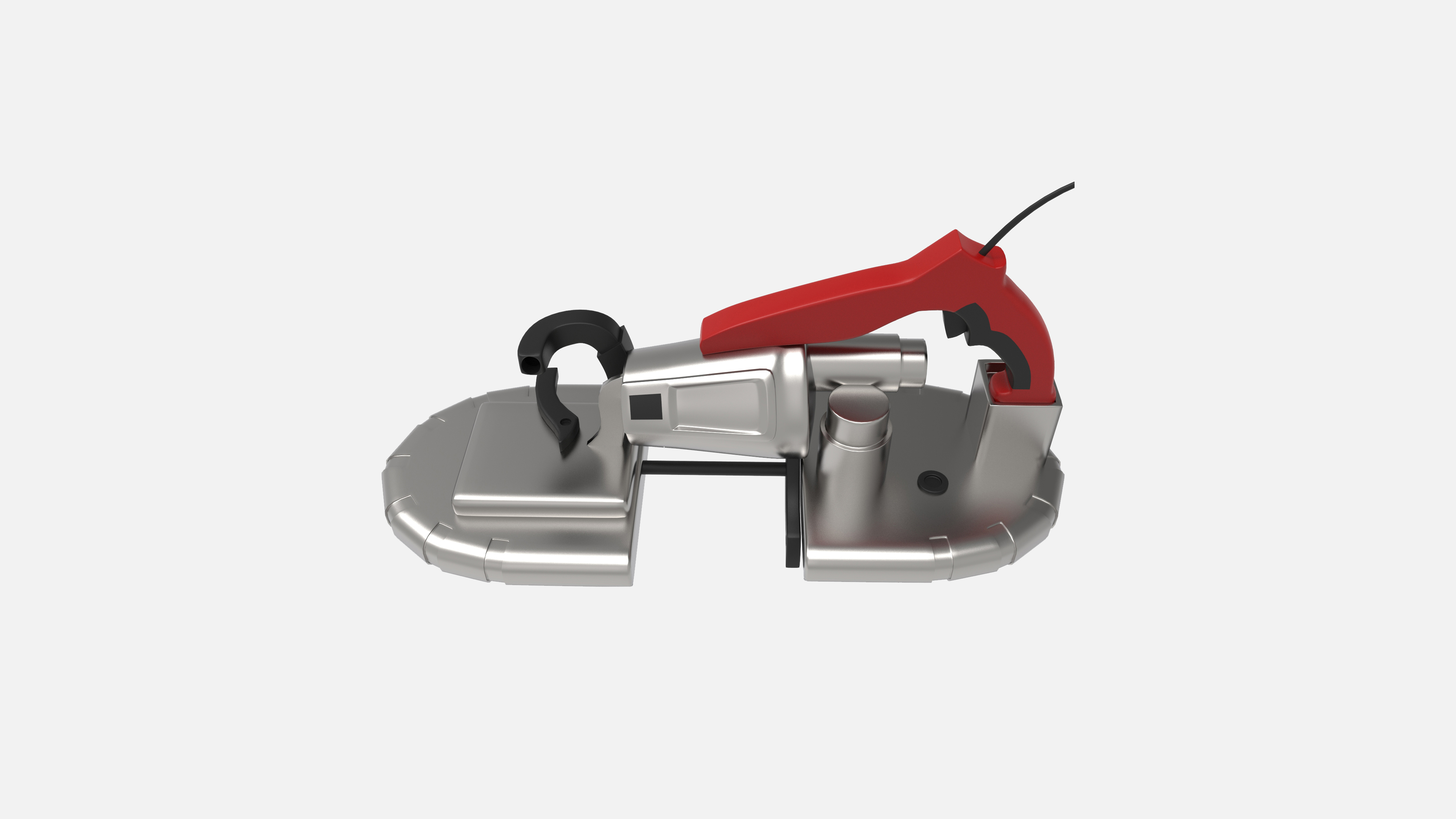
Portable Band Saw
Designed for accurate and quick cuts.
The saw blade maintains constant contact with the material, creating clean, burr-free cuts. Portable band saws are suitable for metalworking and can also cut irregular or curved shapes while still producing straight cuts.
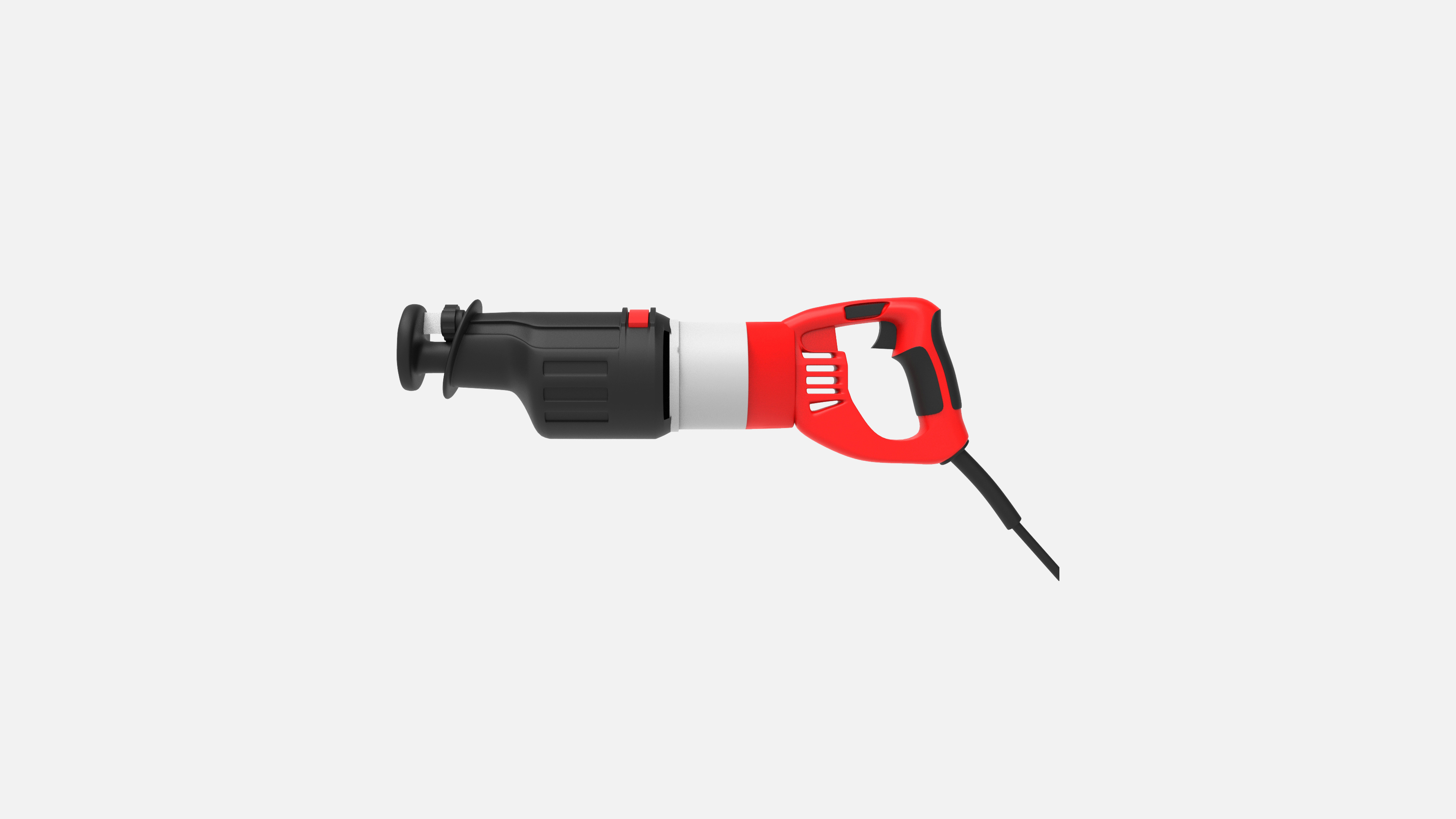
Reciprocating Saw
Uses a push/pull blade motion to cut a wide variety of materials based on blade selection. Ideal for construction, demolition, or metal cutting.
Reciprocating saws are highly versatile thanks to the variety of blade types available.
Key features may include:
- Variable speed controls
- Orbital action, which moves the blade in an oval pattern to speed up wood cutting.
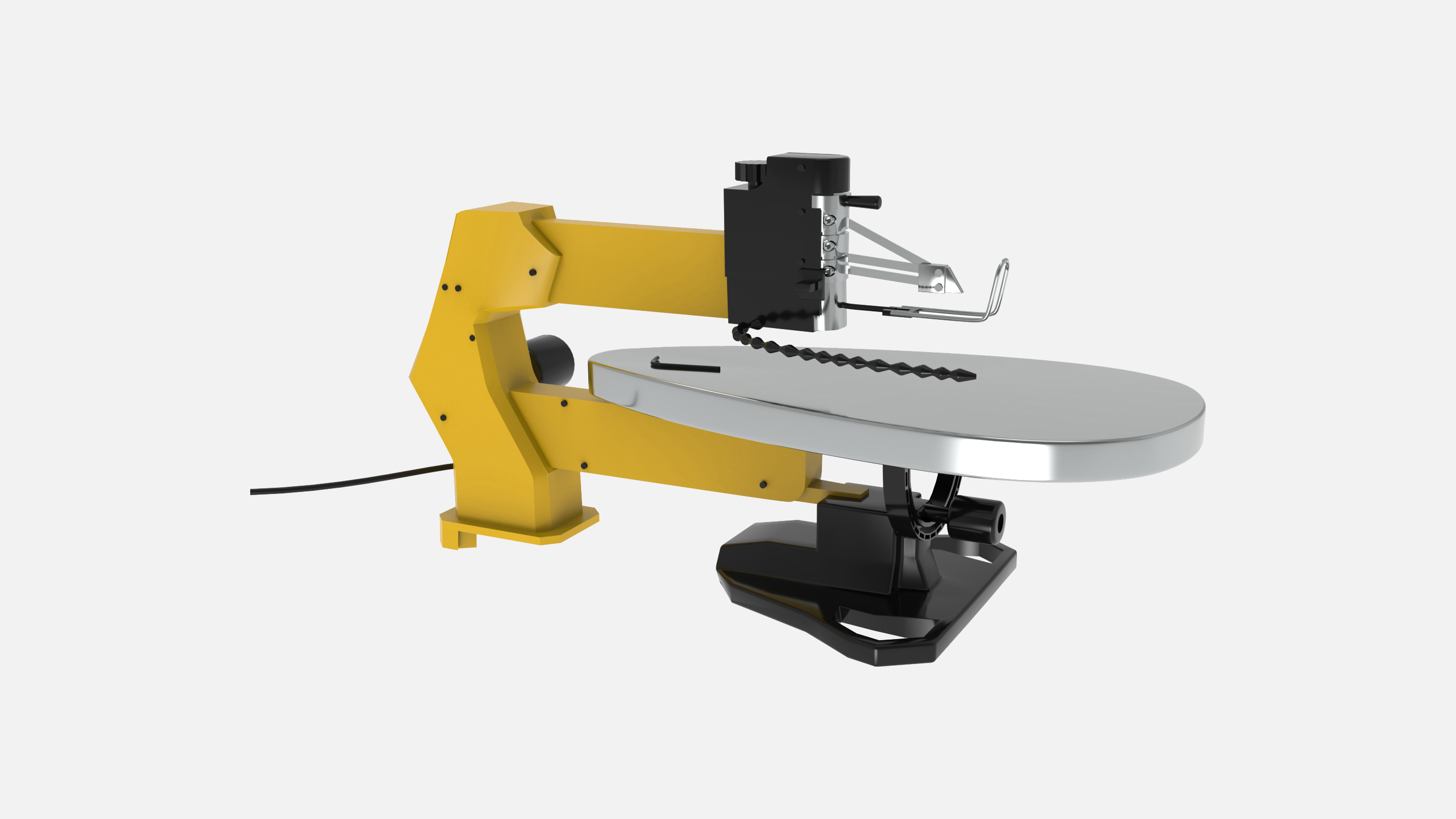
Scroll Saw
Specialized for making tight, intricate radius cuts in wood.
Scroll saws use a reciprocating action with thin blades to create curves with edges. A large flat base allows for precise curves and provides a secure work surface to turn the material into a comfortable area. Blades can also be removed and re-inserted into a pre-drilled hole for internal cuts.
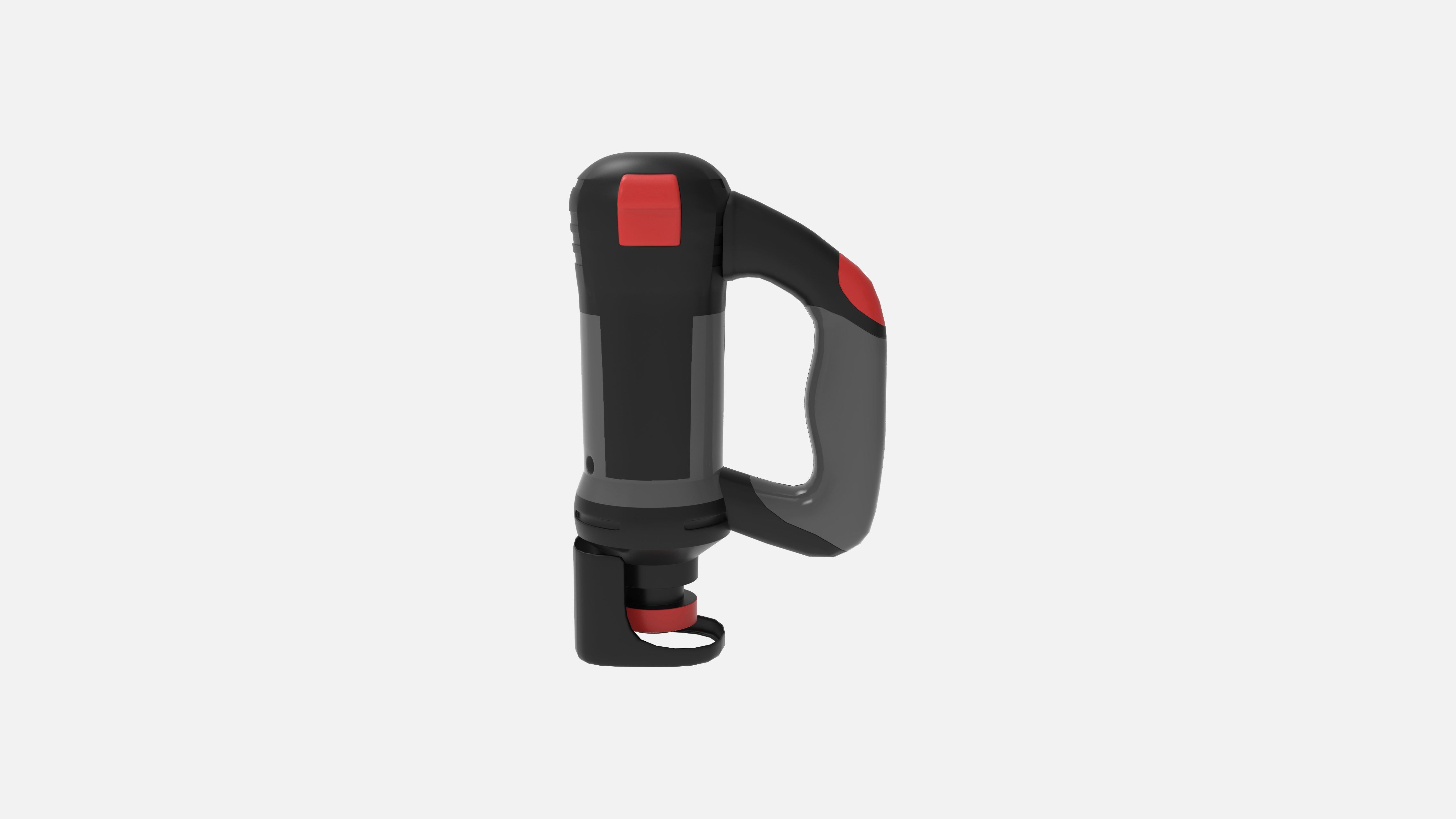
Spiral Saw
Uses a rotary spinning motion for precise cuts in a wide variety of difficult-to-cut materials, from drywall to ceramic tiles.
Originally designed for drywall cutouts, spiral saws are now used on materials such as ceramic tile, plastic, laminate, and more. They allow for clean, controlled cuts in tight or awkward spaces.
Power Saw Safety Reminder
Always follow the manufacturer's instructions and wear proper protective gear when operating any type of power saw.
To request a quote, please login to your existing account or register a new one. This helps us provide you with a personalized experience and keep track of your requests.