



Socket Head, Low Head, Flat Head, and Button Head Cap Screws: High-strength tensile fasteners that gain clamping force by stretching the screw and creating “preload” to resist external forces.
Basics Of Socket Head Fasteners
All socket screws are manufactured to meet AISI, IFI, ANSI, ASME, and ASTM standards, ensuring consistency, reliability, and performance.
Types of Socket Screws:
-
-
Socket Shoulder Screws: Designed for both tensile and shear applications.
-
Socket Set Screws: Function as compression fasteners for secure holding power.
Applications
Socket screws are widely used in industries and products where strength, precision, and appearance matter. Common applications include:
-
Tooling and metal stamping dies
-
Plastic injection molds
-
Machinery and power transmission systems
-
Hand tools and power tools
-
Furniture and consumer products
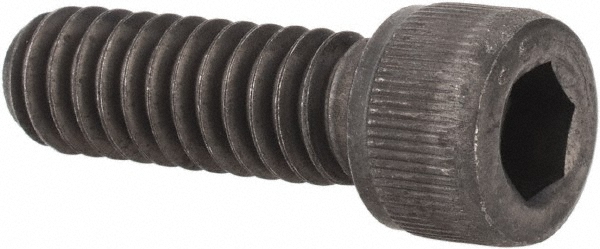
Socket Head Cap Screws
Strength and Performance
Unlike hex head cap screws, socket head cap screws are not grade-designated. A standard inch-series socket head cap screw is approximately 20% stronger than a Grade 8 hex head cap screw and 50% stronger than a Grade 5 hex head cap screw.
Tensile Strength:
- Up to 1/2" diameter: minimum 180,000 psi
- 5/8" diameter and larger: minimum 170,000 psi (Values may vary based on heat treatment and manufacturer)
Low-head, flat-head and button-head cap screws are approximately 10,000 psi lower due to their head configurations, making them more suitable for lighter-duty applications.
Alternative Drive Options
For applications requiring higher torque transfer, Torx Plus (Star Head) screws provide additional benefits:
- More contact points for greater torque capacity
- Extended tool life
- Faster tool engagement
- Reduced cam-out and end load
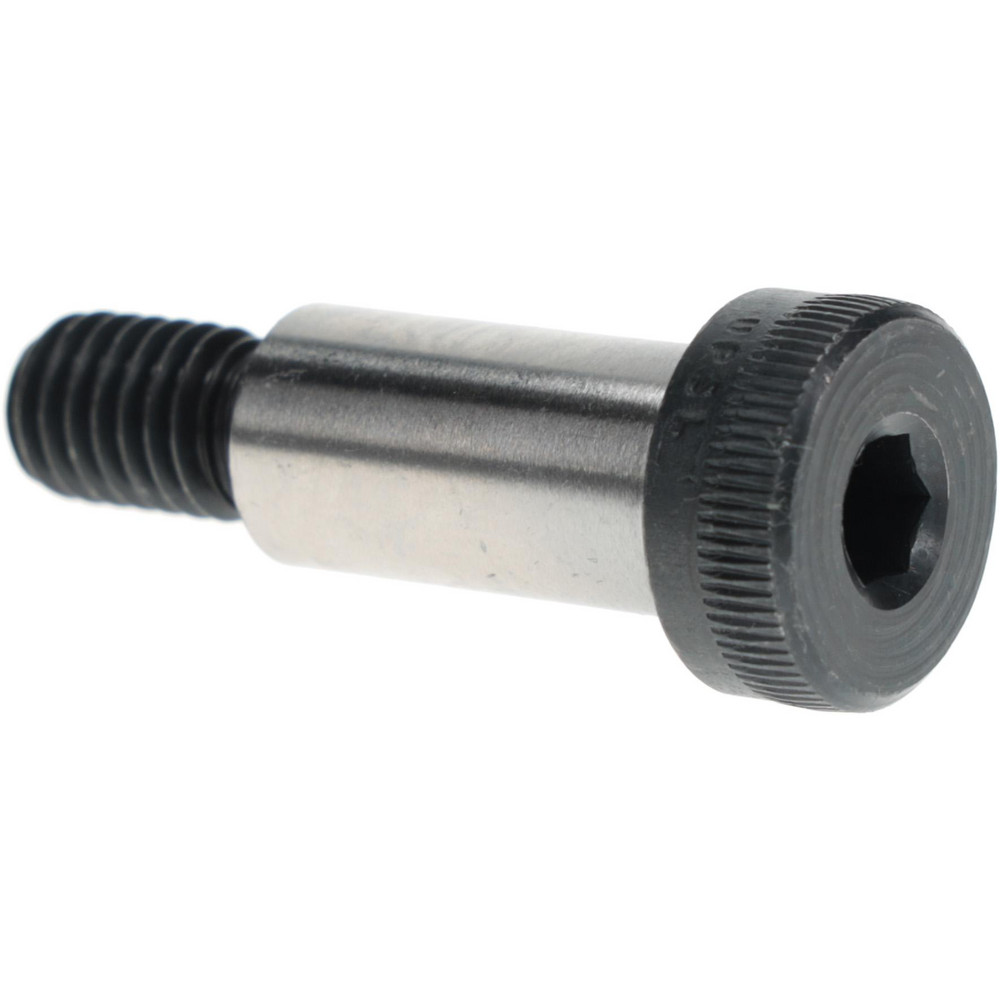
Socket Shoulder Screws
Design & Function
Socket shoulder screws are unique fasteners with both tensile and shear load capabilities. The precision-ground, heat-treated shoulder is specifically designed to support shear loads in demanding applications such as:
- Brake pedals
- Stamping die rails
- Stripper plates in printing presses (This application is what earned them the nickname "stripper bolts".)
Sizing & Specifications
Shoulder screws are identified by shoulder diameter and length. Each shoulder diameter corresponds to a default thread diameter and length:
- The default thread diameter is typically one standard size smaller than the shoulder.
- Example: A 5/8″shoulder screw has a 1/2-13 threaded portion at the end.
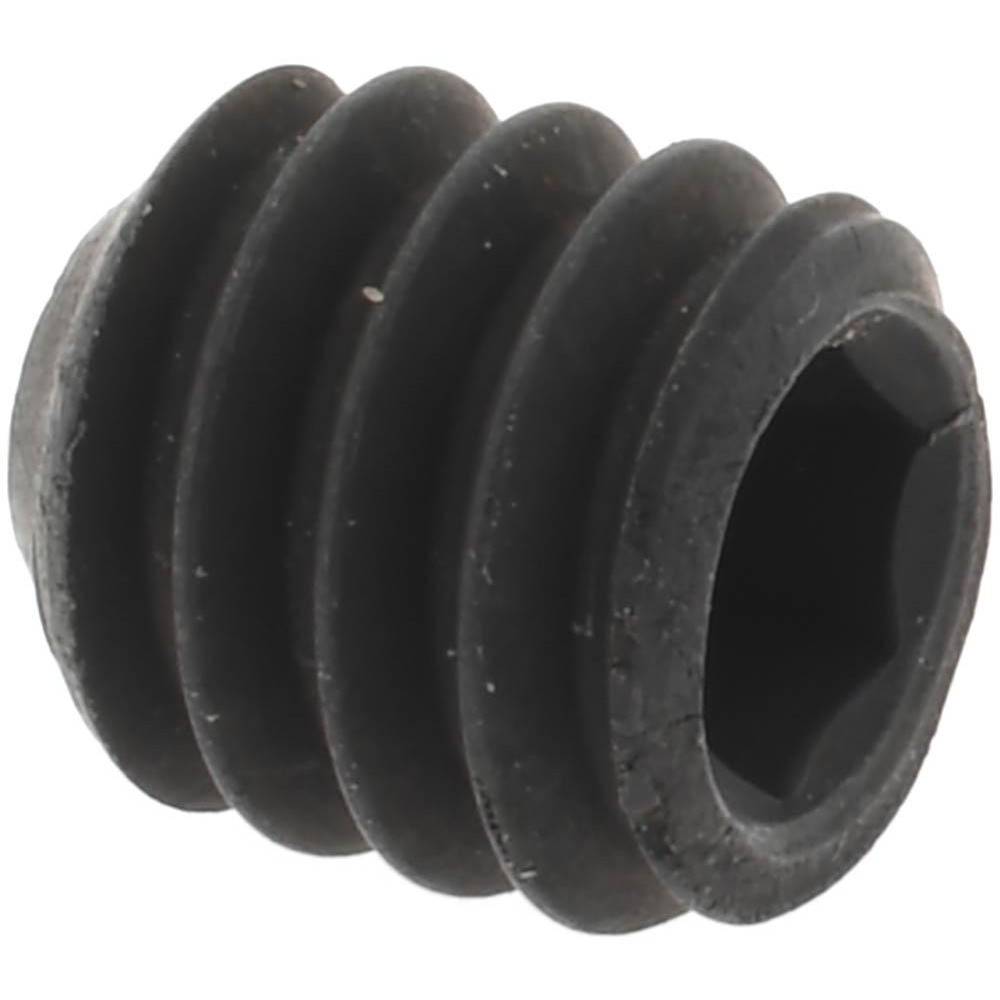
Socket Set Screws
Overview
Socket set screws provide holding power through compression of the point against the mating surface. The tighter the screw is installed, the greater the axial holding power achieved. These fasteners are commonly used in:
- Shaft collars
- Crash bars on exit doors
- Various types of knobs
Socket set screws are hardened to RC 45–53, making them stronger than standard socket cap screws.
Common Point Styles
Cup Point– Most widely used; thin-edge design delivers high holding power for quick, permanent, or semi-permanent assemblies.
Cone Point– Provides the highest holding power with deep penetration; ideal for permanent part settings.
Flat Point– Allows frequent adjustments with minimal surface damage; best where re-positioning is needed.
Half Dog (Extended or Pilot Point)– Features a protruding round nub that aligns with a slot, ensuring precise positioning.
Oval Point– Similar to a flat point; supports frequent adjustments while minimizing surface damage.
Knurled Cup Point– Grooved edges improve grip and resist loosening; available in internal and external styles, depending on the manufacturer.
To request a quote, please login to your existing account or register a new one. This helps us provide you with a personalized experience and keep track of your requests.