When there is an emergency in the workplace, do you have a plan, and are your employees trained to follow it? Good. Just as important, do you have additional supplies at the ready to keep them safe?
That’s where many companies fall short in their emergency preparedness. By focusing on the minimum requirements for personal protective equipment and safety procedures, they often fail to stock what they’ll need for the unexpected.
“In an emergency situation, you’re outside the norm—you’ve left the building in terms of normal, and now you’re into who knows what’s going to happen next,” says Dan Birch, category manager at PIP.
“Part of your emergency plan is to figure out what absolute equipment you need to have based on what’s going to happen in a specific emergency.”
Dan Birch,
Category Manager,
PIP
Facilities that have an emergency stocking strategy are better positioned to protect workers and resume operations faster.
Stocking for the Unknown: Emergency PPE Beyond Basic Compliance
The Occupational Safety and Health Administration requires that employers provide workers with PPE and have certain supplies on hand during daily operations.
For instance, OSHA broadly states that first-aid supplies must be adequate and readily available, while ANSI Z308.1, a voluntary consensus standard, defines the types of first-aid kits and the quantities of supplies they must contain. The two main types of first-aid kits are Class A, which are best suited for low-risk workplaces, and Class B, which are best suited for higher-risk environments.
Similarly, showers and eyewashes are required where workers are exposed to corrosive hazards and other eye irritants such as dust.
In emergency situations, however, this baseline compliance equipment probably won’t be enough. Facilities may face scattered debris, damaged infrastructure or electrical hazards that introduce workers to new risks.
Read more: Protecting Yourself from Severe Weather Conditions
“There is a different set of safety products that you need for emergencies than you do for operations. You definitely want to protect your employees from those hazards,” Birch says.
“To give you an example, you might have regular safety eyewear day to day, but for cleanups, you probably should have more of a sealed goggle,” he continues. Hard hats, boots, hand protection and respirators might be necessary, too.
Electrical safety equipment including lockout/tagout devices could be used to safely power down machines or handle live wires after an emergency.
Match Your Stock to Your Response Plan
Emergency supplies should be stocked not only for the hazards in the workplace, but also according to the response plan.
Birch shares a hypothetical scenario involving a team of eight who encounter a chemical spill. How the company plans to respond will determine the protective equipment to stock.
“Are all eight people going to be stuck there?” he says. “That’s one situation, and you should have kits for eight people. Or is it that two people are going to stay and work on the spill, and then the other six are getting evacuated? It’s about how you plan for what situation.”
Read more: Hazmat Training: Spill Kits and OSHA Requirements
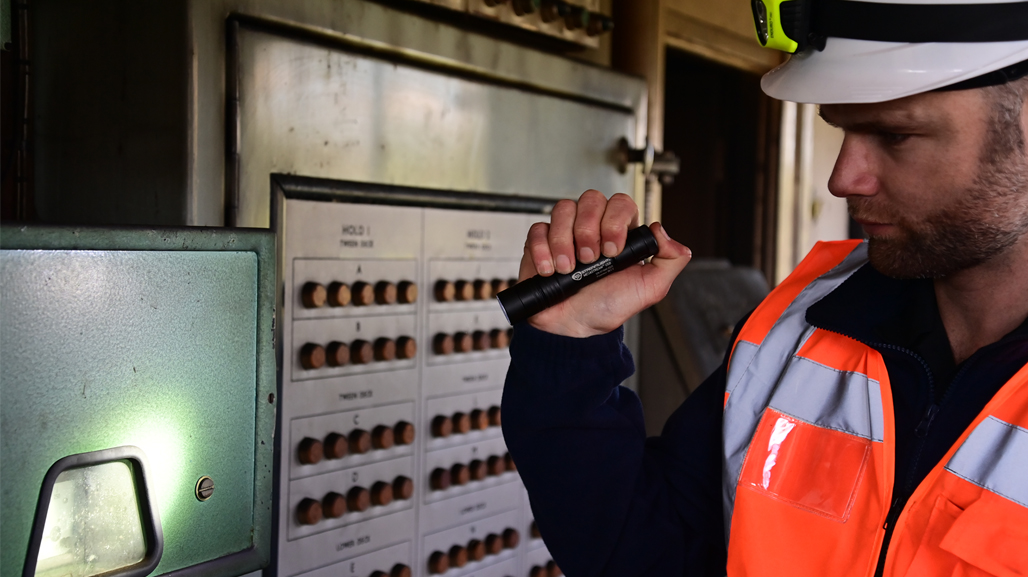
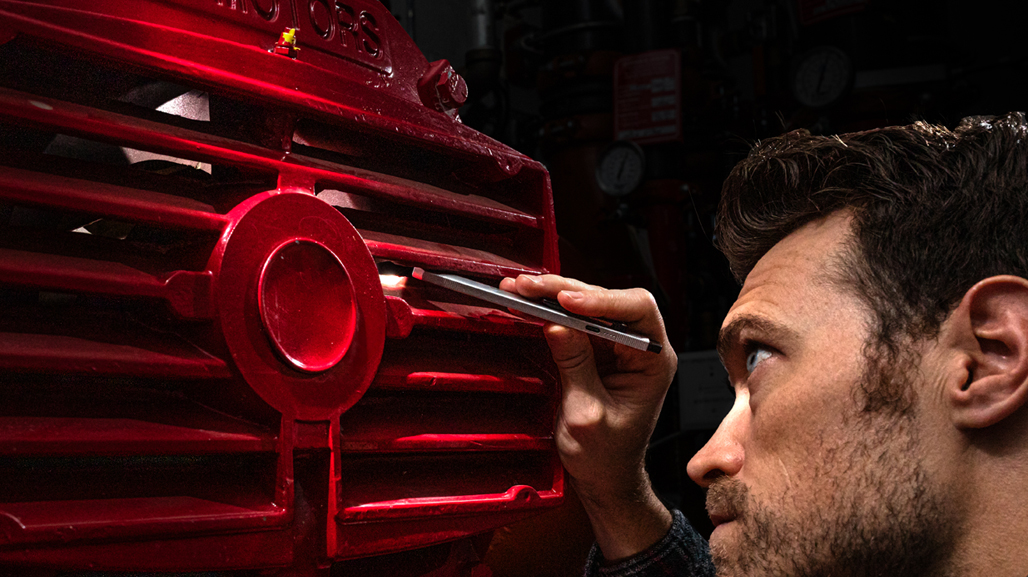
Good response plans extend beyond PPE to include supplies that can help quickly stabilize operations and avoid extended downtime. Inventory management systems that involve emergency supplies—from spill kits to portable lighting to critical spare parts—along with operational necessities can safeguard the workplace for the unknown.
“Part of your emergency plan is to figure out what absolute equipment you need to have based on what’s going to happen in a specific emergency,” Birch says.
Build and Place Emergency Kits Strategically
Once you determine what you need, the next step is to assemble emergency kits and place them where they are most useful.
“If an OSHA-compliant kit needs to have X number of adhesive bandages and some gauze and some triangle bandages, that is great for everyday operations,” Birch says. “But you probably want to have a more extensive kit near somebody who’s trained to use it.”
Brian Lieberman, product manager at PIP, cautions against using a one-size-fits-all solution. Based on the typical accidents you see or can expect during an emergency, you might include a burn kit or a bloodborne pathogen cleanup kit, he says.
Birch suggests having a portable medical bag with CPR equipment, an automated external defibrillator, or AED, and a tourniquet or two—“as long as your employees are trained to use them.”
Consultants who do workplace hazard assessments—whether they’re from a PPE manufacturer, an industrial supplier or another third party—may be able to provide an emergency hazard assessment and identify stocking gaps, Birch says.
Read more: Embrace Year-Round Emergency Planning with Modern Training Solutions
Inspect Emergency Supplies Before You Need Them
Even when the right supplies are stocked where they should be, they’re only as good as their ability to work when needed, which makes regular inspection, maintenance, and restocking of perishable or depletable supplies an important part of emergency readiness.
“There’s nothing more frustrating than trying to put a bandage on somebody and having it immediately pop off because the glue has expired,” Birch says.
“The time to inspect something is not five minutes after the emergency,” he says. “That’s a really bad idea. You’re putting your people at major risk because they’re thinking they’re going to be safe. They’re going to put some PPE on and then it doesn’t work.”
Birch recommends reviewing emergency kits every two to three years, though certain products may need to be checked more frequently. In general, plastic products have a long lifespan—five to eight years, he says—provided they are stored in a dry, temperature-controlled space that’s out of sunlight.
“Maybe gauze doesn’t expire,” Lieberman adds, “but lotions, creams and medicinals in the kit do.” The same goes for eyewash products. “Once it’s past the expiration date, we strongly recommend that you change it out.”
Lieberman and Birch agree that replacing expired products is a small price to pay to stay ready for emergencies in the workplace.
“There is no comparison between the cost of having the proper PPE in place—like hard hats, safety goggles, first-aid kits or emergency eyewash systems—and the cost of having a hurt worker where the injury could have been prevented or mitigated,” Lieberman says.